Table of Contents >> Show >> Hide
- Before You Start: Your Pro Checklist (No Stress, Just Prep)
- Step 1: Brew Bold Coffee and Build a Dip That Won’t Betray You
- Step 2: Make the Mascarpone Cream That’s Light, Stable, and Not Grainy
- Step 3: Layer Like a Pro (Neat Corners, Even Thickness, Zero Drama)
- Step 4: Chill, Dust, and Serve Like You Have a Reservation at Your Own House
- Troubleshooting: Fixes for the Most Common Tiramisu Problems
- Classic (Not Weird) Variations That Still Taste Like Tiramisu
- Real-World “Pro” Experiences: The Stuff Nobody Tells You Until You’ve Made It Once
- 1) The dip is where good tiramisu goes to die
- 2) Mascarpone is delicatetreat it like a fancy guest, not a workout buddy
- 3) Overnight chilling isn’t just for convenienceit’s the secret ingredient
- 4) Cocoa timing is the difference between “wow” and “why is it wet?”
- 5) You can “balance” tiramisu the same way you balance a cocktail
- 6) Serving confidence matters (yes, really)
- Conclusion
Tiramisu is proof that the Italians looked at coffee, dessert, and joy and said, “Yes, let’s put all three in one pan.”
It’s creamy, bold, lightly boozy (optional, but highly encouraged), and somehow tastes even better tomorrowlike pizza,
but wearing a tuxedo.
The best part? A truly classic tiramisu is mostly technique, not wizardry. If you can dip a cookie without drowning it
and fold a fluffy mixture without deflating it like a sad balloon, you can absolutely make tiramisu like a pro.
Here’s the pro-style method in four clean stepsplus the “why it works” details that keep it from turning into
Coffee Soup Lasagna.
Before You Start: Your Pro Checklist (No Stress, Just Prep)
Key ingredients (classic, no shortcuts that taste like regret)
- Ladyfingers (Savoiardi): Crisp, dry, and built for soakinguse store-bought unless you’re feeling heroic.
- Mascarpone: The heart of tiramisu. Rich, delicate, and easy to overmix if you treat it like cream cheese.
- Strong espresso or very strong coffee: This dessert should taste like coffee, not like a vague memory of coffee.
- Eggs: Traditional tiramisu uses eggs for structure and that “cloud” texture.
- Sugar: Sweetens and stabilizes the egg mixture.
- Heavy cream: Adds lift and silkiness.
- Unsweetened cocoa powder: The classic finish. Sift it like you mean it.
- Optional liqueur: Marsala, dark rum, brandy, or coffee liqueur. Use what you actually like drinking.
Tools that make you look like you own matching measuring spoons
- 9×13-inch dish (or similar) and a shallow bowl for the coffee dip
- Hand/stand mixer
- Rubber spatula (folding = mandatory)
- Fine-mesh sieve for cocoa
- Instant-read thermometer (optional but very “pro”)
A solid “classic” ingredient ratio (serves about 10–12)
- 1 1/2 to 2 cups strong espresso/coffee, cooled
- 2–4 Tbsp liqueur (optional)
- 4–6 large egg yolks (or a combo of whole eggs + yolks, depending on your method)
- 3/4 cup granulated sugar
- 16 oz mascarpone (about 2 cups)
- 1 cup heavy cream, cold
- 1–2 tsp vanilla extract (optional, but nice)
- Pinch of salt
- 36–48 ladyfingers (varies by brand and pan)
- Unsweetened cocoa powder for dusting
- Optional: dark chocolate curls/shavings
One more pro note: tiramisu improves with time. Plan to chill it at least 6 hours, and overnight is even better.
If you’re serving it “right away,” it’ll still taste goodbut it won’t taste like you paid $12 a slice for it.
Step 1: Brew Bold Coffee and Build a Dip That Won’t Betray You
Make your coffee stronger than your Monday morning resolve. Espresso is classic, but very strong brewed coffee works too.
Let it cool to room temperaturehot coffee + delicate ladyfingers = instant sogginess with a side of chaos.
Make the coffee mixture
- Pour cooled espresso/coffee into a shallow bowl.
- Stir in liqueur if using (Marsala, rum, brandy, or coffee liqueur all play nicely).
- If your coffee is ultra-bitter, add 1–2 teaspoons sugar. Not enough to turn it into a lattejust to round the edges.
Pro tip: your ladyfingers want a “quick swipe,” not a spa day
Ladyfingers are like introverts at a party: they’ll show up, do their job, and then immediately fall apart if you
overdo it. Dip quicklyabout 1 second per side, or a brief rollthen pull them out before they start collapsing.
You’re aiming for “soaked but still standing,” not “soggy sponge with identity issues.”
Set your dish nearby so you can dip-and-place in one smooth motion. This keeps the dip time consistent and your sanity intact.
Step 2: Make the Mascarpone Cream That’s Light, Stable, and Not Grainy
This is where tiramisu becomes tiramisu: a creamy filling that tastes rich but feels airy. The pro approach is a
two-part base: (1) a whipped egg-and-sugar foundation for structure and (2) whipped cream for lift, folded into mascarpone
with a gentle hand.
Egg safety (choose your comfort level like a grown-up)
Traditional tiramisu often uses eggs that aren’t fully cooked. If you’re serving kids, pregnant guests, older adults,
or anyone immunocompromisedor if you simply want less riskuse pasteurized eggs or a gently heated yolk mixture.
A “safe-and-still-classic” method is to heat egg yolks with sugar over a double boiler, whisking until thick and warm
(many pros aim for about 160°F for safety and structure), then cool before combining.
Method A: Pro-style warmed yolk base (zabaglione-ish)
-
Whisk yolks + sugar: In a heatproof bowl, whisk egg yolks with sugar and a pinch of salt until glossy.
Add your liqueur here if you want the flavor in the cream. -
Gently heat: Place the bowl over a pot of barely simmering water (don’t let the bowl touch the water).
Whisk constantly until thickened and warm to the touch (or around 160°F if you’re using a thermometer). -
Cool it down: Remove from heat and let it cool until no longer warm. Warm egg mixture + mascarpone can turn
your cream into curdled sadness.
Method B: Pasteurized eggs (classic vibe, simpler workflow)
Use pasteurized shell eggs or pasteurized egg products and proceed with a traditional whipped egg base.
You’ll still want to whip thoroughly for volume and stability.
Now make it fluffy: mascarpone + cream, then fold
-
Whip the cream: In a cold bowl, whip heavy cream to medium-stiff peaks.
Stop when it holds shape but still looks silky (overwhipped cream can get grainy). -
Loosen mascarpone gently: In a separate bowl, stir mascarpone just until smooth.
Overmixing mascarpone can make it splitthink “gentle persuasion,” not “aggressive workout.” - Combine the base: Fold the cooled yolk mixture (Method A) or your whipped egg mixture (Method B) into mascarpone.
-
Fold in whipped cream: Add whipped cream in two additions, folding with a spatula until combined.
Your goal is a light, mousse-like cream that holds a soft peak.
Taste your cream. It should be lightly sweet, deeply dairy-rich, and ready to be paired with that bold coffee flavor.
If it tastes “flat,” a pinch of salt or a tiny splash of vanilla can help.
Step 3: Layer Like a Pro (Neat Corners, Even Thickness, Zero Drama)
Assembly is simple, but pros treat it like geometry: clean lines, even layers, and no random cream mountains.
You’re building a dessert that slices beautifully, not one that needs to be scooped with apologies.
Layer 1: Coffee-dipped ladyfingers
- Quick-dip ladyfingers (1 second per side) and line the bottom of your dish.
- Trim or break pieces to fit snuglygaps are allowed, but big gaps lead to floppy slices.
Layer 1: Mascarpone cream
- Spoon on half the mascarpone mixture.
- Spread evenly to the corners with an offset spatula or the back of a spoon.
Optional (but very pro): a light cocoa “middle dust”
Some classic approaches dust only on top; others add a whisper of cocoa between layers for a deeper chocolate note.
If you do it, keep it lightthis is tiramisu, not brownie mix.
Repeat: ladyfingers + cream
- Add a second layer of dipped ladyfingers.
- Spread the remaining mascarpone cream on top and smooth it out.
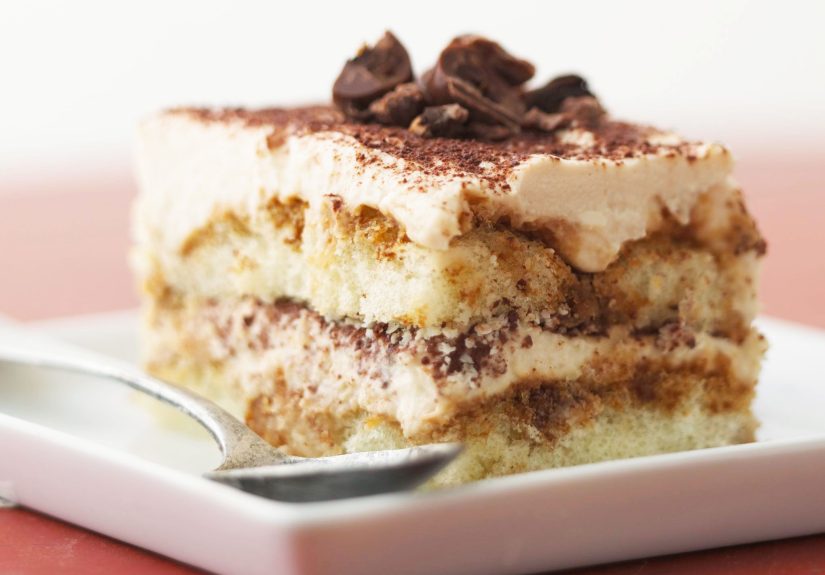
Want that restaurant look? Smooth the top like you’re icing a cake, then cover tightly.
Air exposure in the fridge can dry the surface and mess with your final cocoa finish.
Step 4: Chill, Dust, and Serve Like You Have a Reservation at Your Own House
Chilling is not optional. It’s the step where the ladyfingers soften into cake-like layers and the flavors meld into
that “how is this so balanced?” magic.
How long to chill
- Minimum: 6 hours (it will set and slice reasonably well)
- Best: Overnight (8–24 hours for peak flavor and texture)
- Still great: Up to 2 days (many people swear day-two tiramisu is the sweet spot)
Finish like a pro
-
Dust cocoa right before serving: Cocoa absorbs moisture. If you dust too early, it can darken and look “wet.”
A fresh sift right before serving keeps it velvety and photogenic. - Add chocolate curls (optional): A vegetable peeler on a chocolate bar makes you look fancy with minimal effort.
-
Slice clean: Use a sharp knife dipped in hot water and wiped dry between cuts.
Suddenly your tiramisu has edges. Actual edges.
Serve chilled. Tiramisu is a no-bake dessert, yesbut it’s also a “no rush” dessert. Let it do its thing.
Troubleshooting: Fixes for the Most Common Tiramisu Problems
“My tiramisu is watery at the bottom.”
Usually: over-dipped ladyfingers or coffee that was too hot. Next time, cool the coffee and dip faster.
Also make sure your dish is tightly covered while chilling to reduce condensation drips.
“My mascarpone cream got lumpy or grainy.”
Mascarpone can split if overmixed or shocked by warm ingredients. Keep mascarpone cool but not ice-cold,
mix it briefly, and make sure any warmed egg base is cooled before combining. Fold gently, don’t beat.
“It tastes too boozy.”
Reduce liqueur in the dip, or add it only to the cream (where it disperses more evenly). You can also skip it entirely:
classic tiramisu is still great without alcohol.
“It’s too sweet.”
Use darker cocoa, stronger coffee, and keep chocolate additions bittersweet. You can also reduce sugar slightly,
but don’t slash itsugar helps stabilize the egg base and affects texture.
“It won’t slice neatly.”
Chill longer. Also, spread layers evenly (thick spots stay soft). If you want ultra-clean slices, portion into individual cups.
Same flavor, less pressure.
Classic (Not Weird) Variations That Still Taste Like Tiramisu
Decaf tiramisu
Use decaf espresso. You get the flavor without turning dessert into an accidental energy drink.
Coffee choices that change the whole vibe
Espresso is bold and traditional. Strong brewed coffee is softer but still delicious. Avoid weak coffeetiramisu needs backbone.
Liqueur options
- Marsala: Classic and wine-like
- Dark rum: Warm, caramel notes
- Brandy: Deep and aromatic
- Coffee liqueur: Lean into the coffee theme
Presentation upgrade
Make mini tiramisus in glasses or jars. Same layers, same technique, and suddenly you’re hosting like you read a lifestyle magazine.
Real-World “Pro” Experiences: The Stuff Nobody Tells You Until You’ve Made It Once
Here’s the honest truth: most tiramisu fails don’t happen because the recipe is hard. They happen because tiramisu is
quietly unforgiving about a few small detailslike coffee strength, dip time, and how you treat mascarpone. The good news?
Once you learn the handful of real-world lessons below, your tiramisu becomes ridiculously consistent.
1) The dip is where good tiramisu goes to die
People love to “really soak” the ladyfingers because it feels generous. Then the dessert chills and the cookies continue
absorbing liquid like tiny caffeinated sponges. The result is a bottom layer that puddles and slices that slump.
The fix is counterintuitive: dip less now so the tiramisu hydrates perfectly later. If you’re nervous, do a test:
dip one ladyfinger, wait 60 seconds, and squeeze gently. If it’s already falling apart, you’re dipping too long.
2) Mascarpone is delicatetreat it like a fancy guest, not a workout buddy
Mascarpone splits when overworked or when it meets ingredients that are too warm. A lot of home bakers try to “beat it smooth”
the way they would cream cheese frosting. That’s the trap. A better move is to stir mascarpone just until it loosens,
then fold everything together. If you want to feel extra pro, use a spatula and slow motions once mascarpone is involved.
Your reward is a cream that stays lush and smooth instead of grainy.
3) Overnight chilling isn’t just for convenienceit’s the secret ingredient
Tiramisu changes dramatically in the fridge. The ladyfingers soften into something cake-like, the coffee bitterness mellows,
and the dairy becomes more integrated. What tastes “separate” at hour two tastes like one beautiful, cohesive dessert at hour twelve.
If you’ve ever eaten tiramisu at a restaurant and wondered why yours tastes a little louder (or a little messier),
it’s often because you didn’t give it the full rest. Make it the night before and you’ll feel like you leveled up without doing extra work.
4) Cocoa timing is the difference between “wow” and “why is it wet?”
Cocoa is hygroscopicit pulls moisture from the air and the cream. If you dust the top right after assembly and then chill overnight,
the cocoa can darken and lose that velvety, powdery look. The fix is easy: do a very light dusting at assembly if you want,
but always do your final sift right before serving. It’s a 10-second move that makes the whole thing look polished.
5) You can “balance” tiramisu the same way you balance a cocktail
Great tiramisu isn’t just sweet. It’s bitter (coffee + cocoa), rich (mascarpone), and lightly sweet (sugar) with optional warmth (booze).
If your tiramisu tastes one-note, adjust like a bartender:
- Too sweet? Use stronger coffee, darker cocoa, and less chocolate garnish.
- Too bitter? Add a teaspoon of sugar to the coffee dip or choose a smoother roast.
- Too heavy? Whip the cream to proper peaks and fold gently to keep the filling airy.
6) Serving confidence matters (yes, really)
Tiramisu slices best when it’s cold, firm, and rested. Use a hot, clean knife between cuts and lift slices with a flat spatula.
If the first slice looks a little messy, don’t panicthat’s normal because the dish edge is always the “practice slice.”
Dust a little extra cocoa on top, add a few chocolate curls, and suddenly nobody remembers that you wrestled with the corner piece.
Bottom line: once you master the quick dip, gentle mixing, and proper chilling, tiramisu becomes one of the easiest “wow” desserts
you can make. It’s mostly no-bake, always make-ahead, and it turns simple ingredients into something that tastes like you trained in Italy
(or at least watched three videos and took notes like a responsible adult).
Conclusion
Making a classic tiramisu like a pro isn’t about fancy tools or secret ingredients. It’s about a few smart moves:
strong coffee, quick dips, a light mascarpone cream, clean layers, and a proper chill. Follow the four steps above,
and you’ll get the real dealbalanced, sliceable, and dangerously good the next day.