Table of Contents >> Show >> Hide
- What Is a Knitting Ball Wreath?
- Supplies You Will Need
- How To Choose Your Color Palette
- Step-by-Step: How To Make A Knitting Ball Wreath
- Tips for a Better-Looking DIY Yarn Wreath
- Common Mistakes To Avoid
- Creative Variations To Try
- Frequently Asked Questions
- Final Thoughts
- Experiences, Lessons, and Real-Life Crafting Moments With a Knitting Ball Wreath
- SEO Tags
Note: This article includes the SEO tags in JSON format at the end for easy copy-and-paste.
If your front door feels a little too plain and your yarn stash looks like it is plotting a takeover, a knitting ball wreath is the perfect solution. This cheerful DIY project turns simple materials into a textured, colorful wreath that looks cozy, creative, and just a little bit like your craft room won an award. Better yet, it is one of those projects that looks fancy without requiring advanced skills, a degree in engineering, or the patience of a saint.
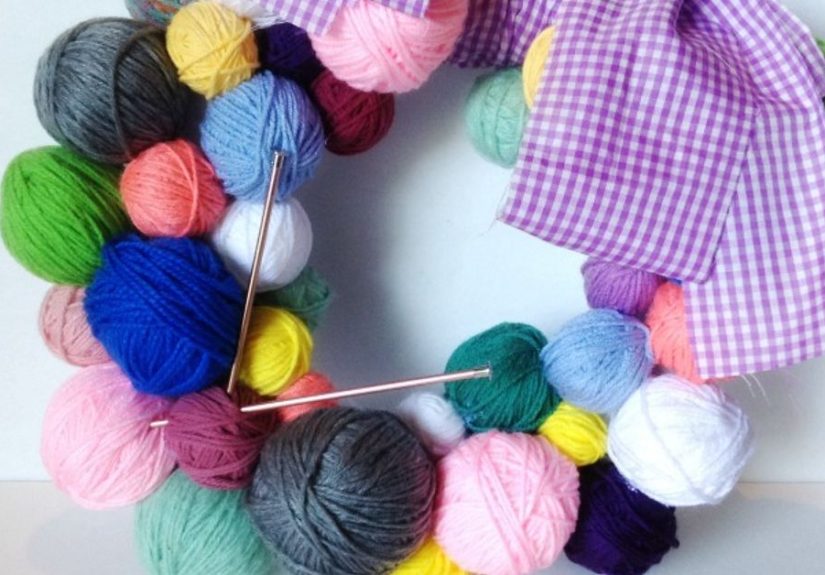
A knitting ball wreath is usually made with a wreath form, yarn-wrapped balls, and a few playful finishing details like mini pom-poms, faux flowers, wooden spools, ribbon, or even a pair of knitting needles for extra character. You can go classic with soft neutrals, bold with rainbow colors, or vintage with creams, reds, and faded greens. The beauty of this DIY yarn wreath is that there is no single correct look. It is forgiving, fun, and ideal for using leftover yarn in a way that feels intentional instead of suspiciously cluttered.
In this guide, you will learn exactly how to make a knitting ball wreath step by step, which supplies work best, how to avoid common mistakes, and how to style your finished wreath so it looks polished instead of like a very determined craft accident. By the end, you will have a project that is charming enough for your own door and cute enough to give as a handmade gift.
What Is a Knitting Ball Wreath?
A knitting ball wreath is a decorative wreath made from yarn-wrapped balls attached to a round base. Some versions lean heavily into the knitting theme by adding knitting needles, a mini swatch of knitted fabric, or spool accents. Others are simply called a yarn ball wreath. Either way, the look is warm, soft, and delightfully crafty.
The reason this style has stayed popular is simple: it combines texture, color, and personality in one easy project. Unlike a greenery wreath, this one does not wilt, shed, or stab you in the thumb. It can be displayed in a craft room, nursery, front hallway, or on a seasonal mantel. It also works year-round because you can change the palette to match spring pastels, summer brights, fall earth tones, or holiday reds and creams.
Supplies You Will Need
Basic Materials
- 1 wreath form, foam or wire, about 12 to 16 inches
- Yarn in several colors and textures
- Foam balls or lightweight ornament balls in assorted sizes
- Hot glue gun and glue sticks
- Scissors
- Ribbon, twine, or a loop of yarn for hanging
Optional Decorations
- Mini pom-poms
- Felt balls
- Wooden thread spools
- Faux flowers or leaves
- Buttons
- Mini clothespins
- A pair of decorative knitting needles or crochet hooks
- A small knitted swatch to use as a bow or accent
When choosing yarn, acrylic is often the easiest and most budget-friendly option. Wool gives a lovely texture, but it can be pricier and sometimes a little fuzzier. Chunky yarn creates bold texture fast, while standard worsted-weight yarn wraps neatly and gives better coverage on small balls. Mixing yarn weights can make the wreath look more layered and interesting.
How To Choose Your Color Palette
Before you glue a single thing, decide what mood you want. That sounds dramatic, but it matters. A well-planned color palette makes the finished knitting ball wreath look intentional instead of like a clearance bin exploded.
- Classic Cozy: cream, taupe, dusty rose, and sage
- Holiday Craft Room: red, green, ivory, and kraft brown
- Modern Minimalist: white, gray, black, and oatmeal
- Bright and Playful: coral, yellow, turquoise, pink, and mint
- Vintage Knitter: burgundy, mustard, forest green, and faded blue
A good rule is to pick three main colors and one accent color. That keeps the wreath balanced while still giving it personality. If you have a lot of scrap yarn, group it by tone instead of trying to use every color you have ever loved since second grade.
Step-by-Step: How To Make A Knitting Ball Wreath
1. Prep the Wreath Form
If you are using a wire wreath form, wrap it in yarn first so the base is less visible. If you are using a foam wreath form, you can wrap it with yarn, burlap, or even paint it a similar shade before decorating. This base layer helps hide gaps and makes the finished project look fuller. Wrap tightly and secure the beginning and end with hot glue.
This step may feel a little boring, but it is the kind of boring that saves your project later. A covered base means you will not panic when one tiny gap shows through after assembly.
2. Make the Yarn Balls
This is the heart of the whole project. Take a foam ball or lightweight ornament ball and secure one end of the yarn with a dab of hot glue. Begin wrapping the yarn around the ball, turning the ball as you go so the strands crisscross naturally. Keep wrapping until the surface is fully covered. Add another small dab of glue when needed, especially at the beginning and end.
Make balls in a variety of sizes for a more dynamic look. Larger balls help establish the main structure of the wreath, while smaller ones fill awkward spaces and add depth. If you want the wreath to feel especially soft and rich, use several textures of yarn rather than one identical strand on every ball.
A smart trick is to avoid making solid yarn balls from scratch. Using foam or ornament cores saves a lot of yarn, keeps the wreath lightweight, and helps the balls stay round. In other words, less yarn, less chaos, same charm.
3. Add Pom-Poms or Accent Pieces
If you want extra texture, make a few pom-poms in coordinating colors. These are perfect for filling small gaps and softening the overall look. You can also prepare other embellishments now, such as tiny bows, felt leaves, or a mini knitted rectangle tied in the middle like a bow.
If your theme is strongly “knitting,” this is the moment to set aside a decorative pair of knitting needles, stitch markers, or thread spools. These finishing details make the wreath feel themed rather than simply yarn-covered.
4. Lay Everything Out Before Gluing
Do not skip the dry-fit stage. Place all your yarn balls on the wreath form before committing with hot glue. Start with the largest balls, spacing them around the wreath to create a balanced shape. Then fill in with medium balls, followed by the smallest pieces and pom-poms.
Take a photo with your phone once you like the layout. This sounds wildly unnecessary until you accidentally bump the table and your design rearranges itself like a dramatic reality show cast. A quick reference photo helps you rebuild the pattern without guessing.
5. Glue the Largest Balls First
Once you are happy with the arrangement, hot glue the biggest yarn balls onto the wreath form. Work one section at a time and press each ball in place for a few seconds so it bonds securely. If your wreath is going on a door that gets used often, use enough glue to keep pieces from shifting with movement.
Try to keep the largest elements slightly staggered rather than lined up in a perfect ring. A little variety makes the wreath look more organic and professionally arranged.
6. Fill Gaps with Smaller Balls and Texture
After the main balls are attached, step back and check for visible holes. Add small yarn balls, pom-poms, felt balls, or embellishments to fill open spots. This is where the wreath starts to look lush and finished.
Be careful not to overfill every inch unless you want a very dense look. Leaving a little breathing room can actually make the design feel cleaner. If you prefer a full, dramatic wreath, layer pieces slightly on top of one another for added dimension.
7. Add the Knitting-Themed Finishing Touches
Now for the fun part. Tuck in a pair of knitting needles, tie on a ribbon, glue on a few thread spools, or attach a tiny knitted swatch to act like a bow. These details make the wreath look custom and give it that “Oh, you made this?” energy that every crafter secretly enjoys.
If you use knitting needles, insert them carefully through one ball or weave them through the yarn in a way that feels decorative and secure. Keep sharp ends covered or dulled if the wreath will hang in a family space with children nearby.
8. Attach a Hanger and Fluff the Design
Finish by attaching a ribbon loop, yarn hanger, or wreath hook. Then hold the wreath up and rotate it until the design looks balanced. You may find one side wants a tiny pom-pom or one more small ball. Listen to the wreath. It usually knows.
Tips for a Better-Looking DIY Yarn Wreath
- Use different sizes of balls: This makes the arrangement feel layered and professional.
- Wrap tightly: Loose wrapping can let the core show through and make the balls look messy.
- Choose a hidden base color: A neutral or matching wreath form helps disguise gaps.
- Mix smooth and fuzzy yarns: Contrast creates visual interest.
- Test the layout first: It is much easier to rearrange before the glue enters the chat.
- Do not overload one side: Even asymmetrical wreaths still need balance.
Common Mistakes To Avoid
Using Heavy Materials
A wreath that weighs as much as a bowling ball is not charming. Lightweight foam or ornament centers work best because they keep the project easy to hang.
Skipping the Base Wrap
If the form peeks through, the wreath can look unfinished. A quick wrap now prevents annoyance later.
Choosing Too Many Unrelated Colors
Too many shades can make the design feel chaotic. Keep the palette focused so the texture gets to shine.
Gluing Too Early
Once hot glue sets, your options shrink fast. Lay everything out first, then commit.
Forgetting the Hanging Point
Know which part will be the top before decorating. Otherwise, your “perfect” layout may end up tilted like it had a rough morning.
Creative Variations To Try
Farmhouse Knitting Ball Wreath
Use ivory, flax, oatmeal, and muted green yarns with simple ribbon and wooden spool accents.
Holiday Yarn Ball Wreath
Go with red, white, and evergreen. Add tiny bells, candy-striped ribbon, or a mini sweater-inspired knit bow.
Pastel Spring Wreath
Choose blush, lavender, butter yellow, and mint. Add faux florals or felt blossoms for a soft seasonal look.
Craft Room Wreath
Mix bright scraps, mini thread spools, and colorful pom-poms. This version looks especially cute on a studio door or above a yarn shelf.
Monochrome Modern Wreath
Use only shades of cream, white, and gray with subtle texture changes. It is simple, elegant, and surprisingly high-end looking.
Frequently Asked Questions
How much yarn do I need for a knitting ball wreath?
That depends on the wreath size and the number of balls, but using foam or ornament centers keeps yarn use reasonable. For a medium wreath, leftover skeins and partial balls are often enough.
Can I make this wreath without hot glue?
You can use craft glue for some steps, but hot glue is much faster and more secure for attaching balls to the wreath form.
Can beginners make a yarn ball wreath?
Absolutely. This is a beginner-friendly wreath project because the technique is simple and imperfections are easy to hide with extra texture.
Can I hang it outdoors?
You can, but a covered porch is best. Moisture and direct weather are not great for yarn, glue, or decorative paper elements.
Final Thoughts
If you have been wondering how to make a knitting ball wreath, the answer is refreshingly simple: wrap, arrange, glue, and have a little fun with it. This is one of those crafts that feels cozy from start to finish. It uses humble materials, welcomes creativity, and rewards even small effort with a result that looks warm and custom-made.
The best part is that no two wreaths ever look exactly alike. Yours might be soft and neutral, bright and playful, or delightfully over-the-top in the best possible way. However you style it, a DIY knitting ball wreath brings instant texture and personality to your space. And if it also helps you use up those mysterious leftover yarn scraps that have been staring at you for months, well, that is just good household management with extra sparkle.
Experiences, Lessons, and Real-Life Crafting Moments With a Knitting Ball Wreath
One of the most relatable experiences people have when making a knitting ball wreath is realizing that the project is both easier and slower than expected. Easier, because wrapping yarn around foam balls does not require advanced crafting skills. Slower, because once you start, you suddenly understand that “I’ll just make a few balls” is the kind of sentence that should be accompanied by snacks and a good playlist. Many crafters begin this project thinking the assembly will be the hard part, but often the time goes into wrapping enough pieces to make the wreath look full.
Another common experience is discovering that color choice changes everything. A wreath made with random leftovers can look fun and whimsical, but a wreath made with a deliberate palette often looks more polished. People frequently say the biggest improvement came when they edited their colors instead of using every yarn they owned. This is especially true when the wreath is meant for a front door or gift. The difference between “cute handmade décor” and “my yarn basket lost a fight” can be as simple as narrowing the palette.
There is also a strangely satisfying rhythm to the whole process. Wrapping yarn, turning the ball, gluing the end, and setting it aside becomes repetitive in the best way. Many people find the project relaxing because it gives their hands something to do without demanding intense concentration. It is the sort of craft you can do while listening to music, chatting with a friend, or watching a comfort show you have already seen six times and still quote like it is new.
First-time makers often learn quickly that layout matters more than they expected. A wreath can look awkward while the pieces are loose, then suddenly come together once the larger balls are spaced correctly. Taking a photo before gluing is one of those simple habits that feels minor but saves a lot of frustration. It helps preserve the arrangement and gives you confidence when you start attaching pieces permanently.
Another real-world lesson is that small embellishments do a lot of heavy lifting. A few pom-poms, felt balls, or spools can cover tiny gaps and make the design feel fuller. This is great news for perfectionists, because the project does not require flawless wrapping on every ball. Minor flaws often disappear once everything is layered together. In that sense, the knitting ball wreath is a very forgiving craft. It rewards creativity more than precision, which is honestly refreshing.
Perhaps the nicest experience tied to this project is the finished result itself. A knitting ball wreath does not just decorate a space; it communicates warmth, creativity, and personality. It looks handmade in the best way. Whether it hangs in a craft room, on a front door, or above a mantel, it tends to become a conversation piece. People notice it. They ask about it. And yes, you get to casually say, “Oh, that? I made it.” Which is half the joy of crafting, if we are being honest.