Table of Contents >> Show >> Hide
- What blood pressure actually means
- How high blood pressure raises stroke risk
- The short version of the link
- Why high blood pressure is especially tricky
- Can one high reading cause a stroke?
- Stroke warning signs you should never ignore
- How lowering blood pressure helps protect the brain
- What you can do to lower stroke risk
- Who should be especially careful?
- What if you already had a stroke?
- Experiences related to blood pressure and stroke
- Final thoughts
If blood pressure had a personality, it would be the quiet roommate who never says much, never pays for repairs, and somehow leaves the whole house in worse shape over time. That is the trouble with high blood pressure, also called hypertension. It often causes no symptoms at all, yet it can quietly damage the blood vessels that keep your brain alive and functioning. Then one day, without much warning, it can help set the stage for a stroke.
So what is the link between blood pressure and stroke? In plain English, high blood pressure puts extra force on artery walls. Over time, that force can damage, stiffen, narrow, or weaken the arteries. In the brain, that is a dangerous combination. A narrowed or blocked artery can cut off blood flow and trigger an ischemic stroke. A weakened blood vessel can rupture and cause a hemorrhagic stroke. Different route, same disaster.
That is why doctors talk about blood pressure so much. Not because they enjoy squeezing your arm with that cuff, but because controlling blood pressure is one of the most important ways to reduce stroke risk. Let us break down the connection without turning this into a medical textbook with the charm of wet cardboard.
What blood pressure actually means
Blood pressure is the force of your blood pushing against your artery walls. It is recorded with two numbers. The top number, called systolic pressure, measures pressure when the heart beats. The bottom number, called diastolic pressure, measures pressure when the heart relaxes between beats.
In general, blood pressure categories are commonly described like this:
- Normal: less than 120/80
- Elevated: systolic 120 to 129 and diastolic less than 80
- Stage 1 hypertension: 130 to 139 systolic or 80 to 89 diastolic
- Stage 2 hypertension: 140 or higher systolic or 90 or higher diastolic
- Severely high: higher than 180 and/or 120
Those numbers are not just trivia for health quizzes. They reflect how much strain your arteries are under. The higher the pressure, and the longer it stays high, the more wear and tear your blood vessels experience. That includes the vessels in your brain, where even a small problem can become a very big deal very fast.
How high blood pressure raises stroke risk
The relationship between blood pressure and stroke is not mysterious. It is mechanical, biological, and unfortunately very real.
1. It damages artery walls
Healthy arteries are flexible and smooth. High blood pressure makes them less cooperative. Over time, the constant force injures the inner lining of blood vessels. That damage can lead to inflammation, stiffening, and a rougher surface where fatty plaque is more likely to build up. Once arteries narrow, blood flow to the brain becomes more vulnerable to blockage.
2. It makes clots more likely to cause trouble
Most strokes are ischemic strokes, meaning blood flow to part of the brain gets blocked. When arteries are narrowed or diseased, a clot has a much easier time bringing traffic to a full stop. Brain cells are not patient. They begin to die when they do not get enough oxygen and nutrients.
3. It can weaken vessels until they burst
High blood pressure can also weaken small arteries over time. When a vessel in or around the brain breaks, bleeding occurs. That is a hemorrhagic stroke. While less common than ischemic stroke, it can be especially severe because bleeding increases pressure inside the skull and damages brain tissue quickly.
4. It often travels with other stroke risks
Hypertension rarely shows up alone like a polite dinner guest. It often comes with diabetes, high cholesterol, excess weight, smoking, kidney disease, or heart problems such as atrial fibrillation. These conditions can stack together and raise stroke risk even more.
The short version of the link
Here it is in one sentence: high blood pressure increases the odds that an artery in the brain will either become blocked or burst. That is the central link between blood pressure and stroke.
It is also why hypertension is considered one of the most important modifiable stroke risk factors. You cannot change your age. You cannot negotiate with your family history. But you can treat high blood pressure, and that can make a meaningful difference.
Why high blood pressure is especially tricky
One reason hypertension is so dangerous is that it often has no obvious symptoms. Many people feel perfectly fine while their blood pressure is damaging blood vessels in the background. No flashing lights. No villain monologue. No dramatic soundtrack. Just quiet damage.
That is why routine checks matter. A person can be walking around, answering emails, reheating coffee for the third time, and still have blood pressure high enough to increase stroke risk. Waiting for symptoms is not a great strategy because hypertension usually does not send a calendar invite before it causes trouble.
Can one high reading cause a stroke?
A single blood pressure reading does not tell the whole story. Stress, pain, exercise, caffeine, and even talking during the measurement can temporarily raise the numbers. But persistently high blood pressure over time is what causes most of the long-term damage linked to stroke.
That said, very high readings can become an emergency. If blood pressure is above 180/120 and there are symptoms such as weakness, numbness, vision changes, shortness of breath, chest pain, or difficulty speaking, that is not the moment for a wait-and-see approach. That is the moment to get emergency help.
Stroke warning signs you should never ignore
Because blood pressure and stroke are so closely connected, everyone with hypertension should know stroke warning signs. Think F.A.S.T.:
- F Face drooping: one side of the face looks uneven or numb
- A Arm weakness: one arm drifts down or feels weak
- S Speech difficulty: speech is slurred, confused, or hard to understand
- T Time to call 911: immediate treatment matters
Other sudden symptoms can include trouble seeing, severe headache, dizziness, loss of balance, confusion, or numbness on one side of the body. A transient ischemic attack, or TIA, can cause similar symptoms that go away quickly. People sometimes shrug it off because they feel better. That is a mistake. A TIA can be a warning sign that a bigger stroke may follow.
How lowering blood pressure helps protect the brain
Lowering blood pressure reduces stress on blood vessels and makes both blockage and rupture less likely. That is the practical reason treatment matters so much. This is not only about making a chart look prettier at your next appointment. It is about preserving blood flow to the brain.
Research has shown that treating blood pressure more aggressively in certain higher-risk adults can reduce major cardiovascular events. While treatment targets should always be personalized, the broad takeaway is clear: better blood pressure control is linked with better long-term outcomes.
What you can do to lower stroke risk
The good news is that blood pressure is highly treatable. Managing it usually involves a mix of daily habits and, for many people, medication. Neither option is glamorous, but both are more appealing than a stroke.
Monitor your blood pressure correctly
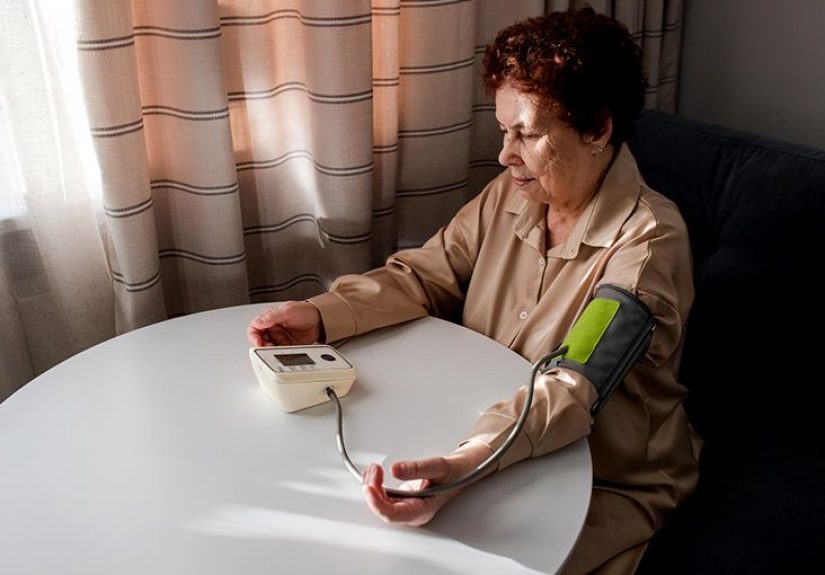
Home monitoring can be useful, but technique matters. Sit quietly for a few minutes. Keep your back supported and feet flat on the floor. Rest your arm at chest height. Place the cuff on bare skin. And, hard as it may be, do not talk during the reading. Accurate numbers help you and your clinician make better decisions.
Follow a heart-healthy eating pattern
The DASH eating plan is one of the best-known approaches for lowering blood pressure. It emphasizes fruits, vegetables, whole grains, beans, nuts, lean protein, and low-fat dairy while cutting back on sodium, saturated fat, and heavily processed foods. Translation: more foods that look like they came from a farm, fewer that look like they came from a vending machine with a grudge.
Move more
Regular physical activity helps lower blood pressure and supports overall vascular health. A common goal is at least 150 minutes of moderate-intensity aerobic activity each week, plus muscle-strengthening work on two or more days. You do not need to become a fitness influencer. Walking briskly, cycling, swimming, dancing, or doing consistent home workouts all count.
Take medications as prescribed
Some people can improve blood pressure significantly with lifestyle changes. Others need medication too. Many need both. That is normal. Blood pressure medicine is not a moral failure. It is a tool. If side effects are a problem, talk with your clinician rather than quietly abandoning the prescription and hoping your arteries will forgive you.
Address the whole risk picture
Stroke prevention is bigger than one number on a blood pressure monitor. Quitting smoking, limiting alcohol, managing diabetes, treating high cholesterol, maintaining a healthy weight, and getting sleep problems checked can all help reduce stroke risk. If you have atrial fibrillation or a history of TIA, follow-up care becomes even more important.
Who should be especially careful?
Anyone can develop hypertension, but some people need to be especially alert. Risk rises with age, family history, excess weight, inactivity, high-sodium eating patterns, chronic stress, poor sleep, and certain medical conditions. Some groups also face a heavier burden of uncontrolled hypertension and stroke because of barriers to healthcare access, medication costs, or long-standing health disparities.
If your blood pressure has been high for years, that history matters. The length of time your arteries spend under extra pressure can add up. In other words, hypertension is not just about how high the number is today. It is also about how long your body has been dealing with it.
What if you already had a stroke?
If someone has already had a stroke or TIA, blood pressure control becomes even more important. After a cerebrovascular event, preventing another one is a major goal. That often means more regular monitoring, medication adjustments, and a stronger focus on diet, movement, smoking cessation, and management of other conditions.
This is where long-term consistency matters more than heroic bursts of motivation. A perfect grocery cart one week and chaos the next is less helpful than steady, boring, reliable habits that keep blood pressure under control month after month.
Experiences related to blood pressure and stroke
For many people, the connection between blood pressure and stroke becomes real only after a frightening moment. Before that, hypertension can feel abstract, like one more item on a problem list next to “clean the garage” and “figure out why the printer hates me.” But everyday experiences show how serious this link can be.
Experience 1: “I felt fine, so I thought I was fine.”
A very common story starts with someone who has high blood pressure but no symptoms. They skip medicine now and then, assume stress is the reason for the numbers, and promise to take it seriously “once things calm down.” The problem is that things rarely calm down on schedule. Work stays busy, family life stays messy, and the blood pressure keeps climbing in the background. Then a sudden episode of arm weakness, facial drooping, or slurred speech turns a normal day into an emergency. Many stroke survivors describe this exact shock: they did not realize silent hypertension had been doing active damage.
Experience 2: The wake-up call at the pharmacy kiosk
Some people discover the issue by accident. They check their blood pressure at a pharmacy or during a routine appointment and get a reading high enough to make the nurse raise an eyebrow in a deeply concerning way. That moment can be a gift. It creates a chance to act before a stroke happens. People who follow up often describe a learning curve: buying a home cuff, figuring out how to measure correctly, cutting back on sodium, taking medicine regularly, and learning that “I feel okay” is not the same as “my arteries are okay.”
Experience 3: Stroke recovery changes the whole family
When a stroke does occur, the effects often go far beyond the hospital stay. A survivor may need speech therapy, physical therapy, occupational therapy, or help with daily tasks. A spouse or adult child may suddenly become a caregiver. Simple things like driving, cooking, writing, or climbing stairs can become difficult. Families often describe the same thought afterward: if we had understood the blood pressure-stroke link sooner, we would have treated hypertension with much more urgency.
Experience 4: Small habits, big payoff
There are also encouraging experiences. Some people never have a stroke precisely because they took high blood pressure seriously early. They start walking most days, lose some weight, take medications consistently, check readings at home, and work with their clinician to stay in range. Over time, the routine becomes normal. Not exciting, maybe, but effective. The biggest lesson from these success stories is simple: stroke prevention usually does not look dramatic. It looks like refilling prescriptions, choosing lower-sodium meals, going for a walk when the couch is making a strong sales pitch, and showing up for follow-up visits.
These experiences all point to the same truth. The link between blood pressure and stroke is not just something found in medical guidelines. It shows up in real kitchens, offices, waiting rooms, and rehab gyms. It affects independence, memory, mobility, speech, family life, and peace of mind. The earlier a person takes blood pressure seriously, the better the odds that stroke stays a risk on paper instead of becoming a life-changing event.
Final thoughts
Blood pressure and stroke are tightly linked because your brain depends on healthy blood vessels every second of every day. When blood pressure stays high, it damages those vessels and raises the chance that one will clog or rupture. That is the heart of the connection.
The encouraging part is that this risk can often be lowered. Checking blood pressure regularly, treating hypertension early, eating in a heart-healthy way, moving more, taking prescribed medication, and knowing stroke warning signs can all make a real difference. In the world of prevention, controlling blood pressure is not a minor side quest. It is one of the main missions.
![18 Best Types of Charts and Graphs for Data Visualization [+ How to Choose]](https://corkopencoffee.org/wp-content/uploads/2026/05/18-best-types-of-charts-and-graphs-for-data-visualization-how-to-choose-qKM1PBYG-thumb.jpg)