Table of Contents >> Show >> Hide
- Why This Toaster and Microwave Cheese Toast Works
- Ingredients for Easy Cheese Toast
- How to Make Cheese Toast With a Toaster and Microwave: 3 Steps
- Best Bread for Toaster and Microwave Cheese Toast
- Best Cheese for Fast Melting
- Safety Tips: What Not to Do
- Flavor Variations for Cheese Toast
- Common Mistakes and How to Fix Them
- Serving Ideas
- Experience Notes: Real-Life Lessons From Making Toaster and Microwave Cheese Toast
- Conclusion
Cheese toast is one of those heroic little meals that asks almost nothing from you and still shows up like a warm, melty miracle. No skillet? No oven? No fancy sandwich press that costs more than your grocery bill? No problem. With a toaster, a microwave, bread, and cheese, you can make a quick cheese toast that is crisp around the edges, gooey in the middle, and ready before your patience files a complaint.
This guide explains how to make cheese toast with a toaster and microwave in 3 steps, using a safe, simple method: toast the bread first, add cheese afterward, then microwave briefly to melt. The important detail is that the cheese should not go into a vertical toaster. That is not a recipe; that is a tiny kitchen emergency audition. Instead, the toaster handles the crunch, the microwave handles the melt, and you get the snack.
Whether you are making an after-school bite, a fast lunch, a late-night comfort snack, or a “my fridge has three items and one of them is hope” meal, this toaster and microwave cheese toast recipe is practical, customizable, and surprisingly satisfying.
Why This Toaster and Microwave Cheese Toast Works
Traditional grilled cheese depends on a skillet, fat, and low heat so the bread browns while the cheese melts. That method is delicious, but it takes more attention. The toaster-and-microwave version splits the job between two appliances. A toaster is excellent at crisping dry bread quickly. A microwave is excellent at warming and melting cheese quickly. Put them together in the right order, and you get a shortcut that actually makes sense.
The secret is timing. Toast the bread enough to create structure, but not so much that it turns into a roof shingle. Then add cheese and microwave in short bursts, just until the cheese softens and melts. A few seconds too long can make the bread chewy, so the goal is quick melting, not a full microwave vacation.
Ingredients for Easy Cheese Toast
Basic Ingredients
For one serving, you need:
- 2 slices sandwich bread, sourdough, wheat bread, brioche, or potato bread
- 1 to 2 slices of melting cheese, such as American, cheddar, Monterey Jack, mozzarella, provolone, Swiss, or Havarti
- Optional: butter or mayonnaise for extra richness
- Optional: garlic powder, black pepper, chili flakes, herbs, tomato slices, or a thin layer of mustard
For the best cheese toast, choose cheese that melts smoothly. American cheese is the classic champion because it melts easily. Cheddar adds sharper flavor, especially if it is mild or medium. Mozzarella brings stretch, Monterey Jack brings creaminess, and provolone gives a mellow deli-style flavor. Hard aged cheeses can taste great, but they often do better when mixed with a meltier cheese.
How to Make Cheese Toast With a Toaster and Microwave: 3 Steps
Step 1: Toast the Bread First
Place the bread slices in the toaster and toast them until they are lightly golden. Aim for medium toast rather than dark toast. The bread will spend a short time in the microwave later, and starting with very dark toast can make the final bite too dry.
When the bread pops up, move it carefully to a microwave-safe plate. Use a plate made from microwave-safe glass, ceramic, or another material clearly labeled for microwave use. Do not use metal, foil, or anything with metallic trim in the microwave.
If you want a richer flavor, spread a very thin layer of butter or mayonnaise on the outside-facing sides after toasting. Mayo may sound unusual if you have never used it on grilled cheese, but it spreads easily and can add a tangy, savory richness. Butter gives a familiar flavor and cozy aroma. Either works, but keep the layer light because the microwave will not crisp fat the way a skillet does.
Step 2: Add the Cheese and Build the Toast
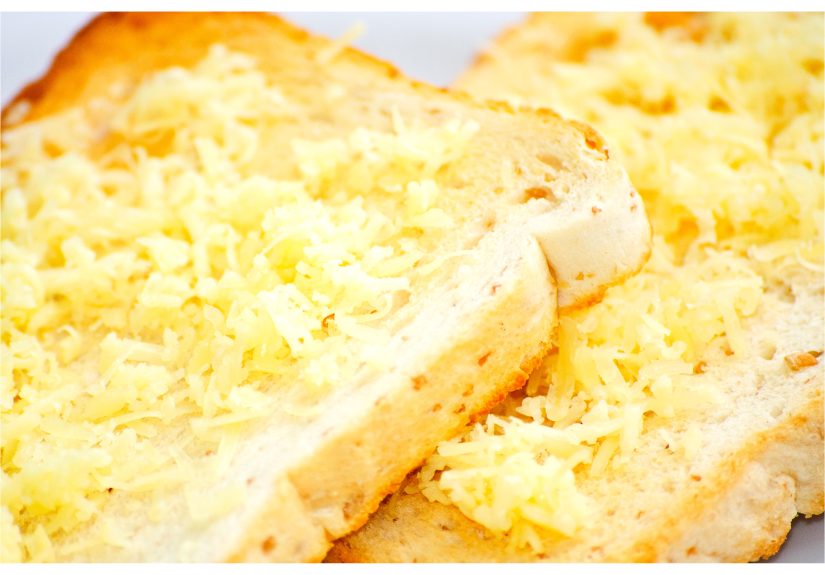
Place the cheese on one slice of toasted bread. If you are using sliced cheese, one or two slices are usually enough. If you are using shredded cheese, sprinkle a thin, even layer over the toast. Shredded cheese melts quickly because it has more surface area, which is helpful when you are relying on the microwave.
For a closed sandwich-style cheese toast, place the second slice of toast on top. For open-faced cheese toast, leave the cheese exposed. Open-faced toast melts a little faster, while the closed version feels more like a quick grilled cheese sandwich. Both are valid. The cheese police are not coming.
Add seasonings now if you like. A pinch of garlic powder makes the toast taste more savory. Black pepper gives it a little bite. Chili flakes add heat. A whisper of mustard under the cheese can make cheddar taste brighter. Keep wet ingredients minimal, though. Too much tomato, sauce, or pickle can soften the toast quickly.
Step 3: Microwave Briefly Until the Cheese Melts
Microwave the cheese toast on high for about 10 to 20 seconds. Check it. If the cheese has not melted enough, continue in 5-second bursts. Most microwaves vary in power, so the exact time depends on your appliance, the cheese, and the thickness of the bread.
Once the cheese is melted, let the toast rest briefly before eating. This helps the heat settle and keeps you from biting into cheese that is secretly hotter than the surface suggests. Cut it in half if you want the full dramatic cheese-pull moment. It is not required, but it is emotionally satisfying.
Best Bread for Toaster and Microwave Cheese Toast
The best bread depends on what texture you want. White sandwich bread gives a classic diner-style result. Sourdough adds tang and crunch. Whole wheat brings a heartier flavor. Brioche tastes slightly sweet and rich. Potato bread stays soft inside while toasting nicely on the outside.
For this method, medium-thick slices work best. Bread that is too thin can become floppy after microwaving. Bread that is too thick may stay cool in the center and make the cheese melt unevenly. If your bread is very soft, toast it a little more firmly in Step 1 so it can stand up to the microwave stage.
Best Cheese for Fast Melting
When making microwave cheese toast, meltability matters more than fancy reputation. Some cheeses look impressive on a cheese board but behave like stubborn little bricks when asked to melt quickly. For reliable results, use cheeses known for smooth melting.
Great Melting Cheeses
- American cheese: smooth, creamy, and nearly foolproof
- Monterey Jack: mild, creamy, and quick-melting
- Havarti: buttery and soft
- Mozzarella: stretchy and mild
- Provolone: smooth with a deli-style flavor
- Mild or medium cheddar: flavorful and familiar
For more flavor, combine cheeses. Try American with cheddar for a classic melt plus sharper taste. Try mozzarella with provolone for stretch and smoothness. Try Monterey Jack with pepper Jack if you want a little heat.
Safety Tips: What Not to Do
The safest way to make this recipe is simple: only plain bread goes into the toaster. Do not put cheese, buttered bread, foil, parchment, paper towels, or assembled sandwiches into a standard vertical toaster. Melted cheese can drip, burn, smoke, or create a fire risk. A toaster oven is different, but this article is specifically about using a regular toaster and a microwave.
In the microwave, use a microwave-safe plate and avoid metal. If you cover the toast, use a microwave-safe cover or a plain paper towel, but do not seal it tightly. Steam needs room to escape. Also, use short heating bursts. Cheese can go from melted to overheated quickly, and bread can become rubbery if microwaved too long.
Kitchen cleanliness still matters, even for a tiny recipe. Wash your hands, use a clean plate, and keep ready-to-eat foods away from raw meat or messy prep areas. Cheese toast may be simple, but simple food deserves clean handling too.
Flavor Variations for Cheese Toast
Garlic Cheese Toast
Sprinkle garlic powder over the cheese before microwaving. Add a tiny pinch of dried parsley or Italian seasoning if you want it to taste like the fastest garlic bread in the neighborhood.
Pizza-Style Cheese Toast
Add a thin layer of pizza sauce or marinara, then mozzarella and a little provolone. Keep the sauce light so the toast does not become soggy. Finish with oregano or chili flakes.
Tomato Cheddar Cheese Toast
Add one or two very thin tomato slices with cheddar. Pat the tomato dry first. Tomatoes are juicy, and juicy ingredients can turn crisp toast into bread pudding if you get too enthusiastic.
Spicy Cheese Toast
Use pepper Jack or add chili crisp, hot sauce, jalapeño slices, or crushed red pepper. If using hot sauce, add just a few drops after microwaving to preserve the toast’s texture.
Breakfast Cheese Toast
Add a cooked egg on top after the cheese melts. A fried egg, scrambled egg, or sliced boiled egg can turn this snack into a more filling breakfast.
Common Mistakes and How to Fix Them
The Bread Turned Chewy
You probably microwaved it too long. Next time, toast the bread a little more firmly and microwave in shorter bursts. Ten seconds, check, then five seconds more if needed.
The Cheese Did Not Melt
The cheese may be too thick or not very melt-friendly. Use thinner slices, shredded cheese, or a softer cheese. You can also microwave uncovered for a few extra seconds, checking often.
The Toast Got Soggy
Too much sauce, tomato, butter, or microwave time can soften the bread. Use drier toppings, pat wet ingredients with a paper towel, and keep the microwave stage brief.
The Flavor Was Bland
Add contrast. Cheese loves black pepper, mustard, garlic powder, herbs, pickles, chili flakes, or a tiny bit of honey. A small flavor boost can make a basic cheese toast taste intentional instead of accidental.
Serving Ideas
Cheese toast is excellent on its own, but it also plays well with others. Serve it with tomato soup for a classic comfort meal. Pair it with a simple salad for lunch. Cut it into strips and dip it into marinara. Add fruit on the side for a fast snack plate. If you are making it for kids, cut it into triangles, because triangles somehow taste better. Science has not fully explained this, but lunchboxes understand.
You can also turn cheese toast into a mini meal by adding protein or vegetables after melting. Try cooked turkey, sliced avocado, roasted peppers, spinach, or leftover grilled chicken. Keep the fillings thin so the microwave can warm the cheese without making the bread collapse.
Experience Notes: Real-Life Lessons From Making Toaster and Microwave Cheese Toast
The first thing you learn from making cheese toast this way is that confidence is not the same as wisdom. The toaster looks like it should be able to handle everything. It is hot, it has slots, it makes bread delicious. But the toaster’s job is bread, not cheese. Once you accept that boundary, the method becomes easy and much safer. Toast first, cheese later, microwave last. That order is the whole game.
In practice, the best results come from restraint. A mountain of cheese sounds wonderful until it melts unevenly and slides out like a dairy landslide. One generous slice or a thin layer of shredded cheese usually works better than a heroic pile. The microwave rewards thin, even layers. It does not reward architectural ambition.
Bread choice also changes the experience. Soft white bread gives the most nostalgic result, the kind of snack that feels like it should come with a cartoon on TV and a glass of milk. Sourdough tastes more grown-up, with a tangy crunch that makes even basic cheddar feel special. Brioche is richer and slightly sweet, which works beautifully with sharp cheddar or Swiss. Whole wheat adds nuttiness and makes the snack feel a little more substantial.
Microwave timing is where people usually go wrong. The difference between melted cheese and chewy bread can be just a few seconds. Starting with 10 seconds and checking often feels fussy the first time, but it quickly becomes second nature. Once you know your microwave, you will probably find a sweet spot. For many people, that is somewhere around 15 seconds for sliced cheese and slightly less for shredded cheese.
Seasoning turns this from “bread plus cheese” into something you might actually crave. Garlic powder is the easiest upgrade. Black pepper makes cheddar taste sharper. A little mustard adds brightness. A few chili flakes make the whole thing wake up. The trick is to use small amounts. Cheese toast is not a casserole; it is a tiny stage, and every ingredient gets a microphone.
Another useful lesson is that open-faced cheese toast and closed cheese toast are different moods. Open-faced toast feels crispier and snackier. Closed cheese toast feels more like a shortcut grilled cheese. If you want maximum crunch, go open-faced. If you want comfort food, close it up and press lightly after microwaving.
The best part is how forgiving the recipe is. Even when it is not perfect, it is still warm bread and melted cheese, which is a pretty strong safety net. You can make it in a dorm-style setup, an office kitchenette, a hotel room with basic appliances, or a small apartment kitchen. It is fast, cheap, flexible, and comforting. That is a lot of personality for something that takes three steps and almost no cleanup.
Conclusion
Learning how to make cheese toast with a toaster and microwave is less about mastering a complicated recipe and more about using simple tools wisely. Toast the bread first for crunch, add a good melting cheese, then microwave briefly until everything turns warm and gooey. Keep the cheese out of the toaster, use a microwave-safe plate, and heat in short bursts for the best texture.
This 3-step cheese toast recipe is quick enough for busy mornings, cozy enough for late-night cravings, and flexible enough to handle whatever cheese is waiting in your fridge. It may not replace a skillet-grilled masterpiece, but for speed, convenience, and low-effort comfort, it earns a permanent spot in the snack hall of fame.