Table of Contents >> Show >> Hide
- Pumpkin Purée 101: What It Is (and What It Isn’t)
- Choose the Right Pumpkin (Your Blender Will Thank You)
- Tools and Ingredients
- Method 1: Roasted Pumpkin Purée (Best Flavor + Texture)
- Method 2: Steamed or Instant Pot Pumpkin Purée (Fast + Hands-Off)
- How to Make Pumpkin Purée Extra Smooth (and Not Stringy)
- Troubleshooting: Fix Common Pumpkin Purée Problems
- How to Store Pumpkin Purée (Fridge + Freezer)
- Important Food-Safety Note: Don’t Can Pumpkin Purée
- How to Use Pumpkin Purée (Beyond Pie)
- Conclusion: Pumpkin Purée, Unlocked
- Real-World Pumpkin Purée Experiences (The Stuff People Learn After a Few Batches)
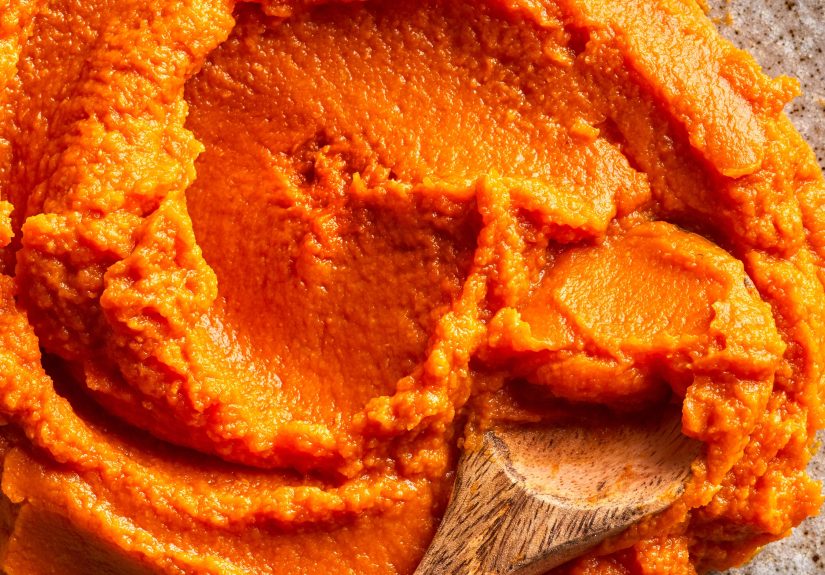
Homemade pumpkin purée is one of those kitchen skills that feels suspiciously fancy for how simple it actually is. You turn a pumpkin into a silky, spoonable orange cloud that can become pie, pancakes, soup, smoothies, or “I swear this is basically a vegetable” brownies. And the best part? You don’t need special equipmentjust a safe knife, some heat, and the willingness to look a pumpkin in the eye and say, “It’s blender time.”
This guide walks you through the two best ways to make pumpkin puréeroasting (maximum flavor) and steaming/Instant Pot (maximum convenience). You’ll also learn how to avoid watery purée, how to store it safely, and why “I’ll just can it” is a plot twist your future self doesn’t want.
Pumpkin Purée 101: What It Is (and What It Isn’t)
Pumpkin purée is simply cooked pumpkin flesh that’s been blended until smooth. That’s it. No sugar, no spices, no secret handshake. It’s a neutral base you can season for sweet recipes (think pumpkin pie spice vibes) or savory ones (think garlic + thyme + soup season).
One important distinction: pumpkin purée is not pumpkin pie filling. Pie filling is purée that’s already sweetened and spiced, and it behaves differently in recipes. If a recipe calls for “pumpkin purée,” it means plain purée. If it calls for “pumpkin pie filling,” it means the seasoned stuff.
Choose the Right Pumpkin (Your Blender Will Thank You)
For the smoothest, sweetest purée, use pie pumpkins (also called sugar pumpkins). They’re smaller, denser, and less watery than carving pumpkins. Carving pumpkins are bred to be big and dramatic for porch selfiesnot necessarily delicious. (No shade. Okay, a little shade.)
Best types to look for
- Sugar pumpkin / Pie pumpkin (the classic choice)
- Baby Pam and other baking varieties often labeled “pie” or “sugar”
- Any small pumpkin that feels heavy for its size (dense flesh = better purée)
How much do you need?
A typical 2–4 lb pie pumpkin often yields roughly 1 to 2 cups of purée, depending on the variety and moisture content. If you need a specific amount (like “3 cups for pies and muffins and my emotional support latte”), buy two small pumpkins instead of one large one. Small pumpkins usually give a smoother texture and more consistent flavor.
Tools and Ingredients
Ingredients: 1–2 pie pumpkins (or more, if you’re batch-prepping)
Tools:
- Chef’s knife + sturdy cutting board
- Spoon for scooping seeds
- Baking sheet (for roasting) or steamer/Instant Pot (for steaming)
- Food processor or blender (or potato masher for rustic purée)
- Fine-mesh strainer or cheesecloth (optional but very helpful)
Method 1: Roasted Pumpkin Purée (Best Flavor + Texture)
Roasting is the gold standard because it drives off moisture and deepens flavor. It also makes the pumpkin flesh easier to scoop and blend into a thick purée that behaves nicely in baking.
Step-by-step: Roast, scoop, blend
- Preheat the oven. Aim for 375°F to 400°F. Higher heat roasts faster; slightly lower can be gentler and still effective.
- Wash and dry the pumpkin. Even though you won’t eat the skin, your knife will cut through it and drag whatever’s on the outside into the flesh. Quick rinse = good habit.
- Cut it safely. Place the pumpkin on its side. If it wobbles, slice a thin layer off one side to create a flat “seat.” Cut around the stem rather than through it (the stem is basically nature’s hardwood).
- Scoop the seeds and strings. Use a spoon to scrape out the seeds and stringy pulp. Save the seeds if you want to roast them later.
- Roast cut-side down. Place pumpkin halves (or quarters) cut-side down on a parchment-lined baking sheet. This traps steam and helps the flesh soften evenly.
- Roast until very tender. Typical range is 30–60 minutes, depending on pumpkin size and oven temp. You want the flesh soft enough that a fork slides in easily and the skin looks like it wants to separate.
- Cool slightly, then scoop. Let it cool until you can handle it. The skin should peel off or the flesh should scoop out easily with a spoon.
- Blend until smooth. Add the cooked flesh to a food processor or blender. Blend until silky. If your blender struggles, add a tablespoon or two of waterjust enough to get it moving.
Optional (but amazing): Strain for thick, bakery-style purée
Homemade pumpkin purée can be a little more watery than canned. If you’re bakingespecially pies, cheesecake, muffins, or anything where texture mattersstraining can be the difference between “wow” and “why is this a little… damp?”
- Set a fine-mesh strainer over a bowl.
- Add purée and let it drain 30–60 minutes (or longer in the fridge).
- Stir once or twice to encourage moisture to release.
You can also line the strainer with cheesecloth for faster draining. Bonus: the drained liquid can go into smoothies or soups so nothing feels wasted.
Roasting tips that improve flavor
- Don’t rush doneness. Undercooked pumpkin blends grainy and tastes bland.
- Cut-side down matters. It softens the flesh while keeping it from drying into weird leathery patches.
- Batch roast. If you’re turning on the oven anyway, roast two pumpkins and freeze the extra purée.
Method 2: Steamed or Instant Pot Pumpkin Purée (Fast + Hands-Off)
Steaming keeps the pumpkin moist and is great when you don’t want to heat up the kitchen or babysit a baking sheet. The tradeoff is that steamed pumpkin can be wetter, so straining is especially helpful for baking recipes.
Option A: Stovetop steaming
- Cut the pumpkin in half and scoop out seeds.
- Cut into wedges that fit your steamer basket.
- Steam until fork-tender, usually 15–30 minutes depending on thickness.
- Cool, peel off skin, then blend until smooth.
- If it’s watery, strain it (your pie crust will be grateful).
Option B: Instant Pot / Pressure Cooker (the “why didn’t I do this sooner?” method)
Instant Pot pumpkin purée can be especially convenient because pressure cooking softens pumpkin quickly, and some methods minimize prep work. You can cook pumpkin in halves, quarters, or chunkswhatever fits comfortably without blocking valves.
- Add 1 to 1½ cups water to the Instant Pot insert and place the trivet.
- Put pumpkin pieces on the trivet (halves, quarters, or large chunks work well).
- Pressure cook until tender (time varies by size; smaller pieces cook faster).
- Let pressure release safely, remove pumpkin, cool slightly, then peel and blend.
- Strain if you need thick purée for baking.
How to Make Pumpkin Purée Extra Smooth (and Not Stringy)
Smoothness comes down to three things: pumpkin variety, doneness, and blending power.
- Pick pie pumpkins. They’re naturally less stringy.
- Cook until very tender. If you have to fight it with the blender, it wasn’t done enough.
- Blend longer than you think. Give it time to become silky.
- Use a fine-mesh sieve for ultra-smooth purée. If you want a pie with a custard-smooth texture, pressing purée through a sieve works like magic.
Troubleshooting: Fix Common Pumpkin Purée Problems
“My purée is watery.”
- Strain it. This is the simplest fix and the most effective.
- Prefer roasting over steaming. Roasting naturally evaporates some moisture.
- Concentrate it gently. For baking, you can simmer purée briefly on the stovetop to evaporate water (stir often so it doesn’t scorch).
“It tastes kind of bland.”
- That’s normal. Plain pumpkin is mildmost “pumpkin flavor” comes from spices, sugar, and salt.
- Roast longer next time. A deeper roast can create a richer, sweeter flavor.
- Use it strategically. In savory recipes, build flavor with aromatics (onion, garlic, sage). In sweet recipes, don’t skip salt and spices.
“It’s grainy.”
- Cook longer and blend longer. Graininess often means the pumpkin wasn’t fully tender.
- Try a higher-powered blender or pass the purée through a sieve.
How to Store Pumpkin Purée (Fridge + Freezer)
Homemade pumpkin purée is a fresh cooked food, so treat it like leftovers: cool it promptly, store it sealed, and label it.
Refrigerator
- Cool purée quickly, then store in an airtight container.
- Use within about 5–7 days for best quality.
- If it separates (water on top), stir it back together or drain briefly.
Freezer (best for batch-prep)
- Freeze in measured portions: ½ cup, 1 cup, or “one recipe’s worth.”
- Use freezer bags laid flat for quick thawing and easy stacking.
- Leave headspace in containers because purée expands when frozen.
- For convenience, freeze spoonfuls in silicone muffin cups or ice cube trays, then transfer to a freezer bag.
- Best quality is often within 3 months, though it may stay usable longer if well-sealed.
Thawing
- Thaw overnight in the fridge for the best texture.
- If it releases water after thawing, stir and/or strain before baking.
Important Food-Safety Note: Don’t Can Pumpkin Purée
This is the “please don’t learn this the hard way” section. Home canning is not recommended for pumpkin butter or any mashed/puréed pumpkin. The density of puréed pumpkin makes it difficult for heat to penetrate evenly during canning, which raises the risk of unsafe preservation.
If you want to can pumpkin at home, official guidance typically recommends canning cubed pumpkin in a pressure canner not purée. If your goal is purée for pies later, you can can cubes (following reliable guidelines), then drain and purée when you open the jar. For most people, freezing purée is the simpler and safer move.
How to Use Pumpkin Purée (Beyond Pie)
Pumpkin purée is a kitchen chameleon. Once you’ve got a container of it, you start seeing opportunities everywhere and suddenly you’re the person adding pumpkin to oatmeal like it’s a personality trait.
Sweet ideas
- Pumpkin pie, cheesecake, muffins, bread, pancakes, waffles
- Stir into oatmeal with maple syrup and cinnamon
- Blend into smoothies with banana, yogurt, and warm spices
- Swirl into brownie batter or chocolate cake (pumpkin + cocoa = cozy magic)
Savory ideas
- Stir into chili for body and subtle sweetness
- Blend into soups with garlic, onion, and broth
- Make a creamy pasta sauce with parmesan, sage, and black pepper
- Add to hummus for a seasonal twist
Conclusion: Pumpkin Purée, Unlocked
If you can cut a pumpkin and operate a blender, you can make pumpkin purée. Roasting gives you the richest flavor and thicker texture, steaming/Instant Pot gives you speed, and straining is the secret weapon when you want bakery-level results. Make a batch, freeze in portions, and you’ll have instant fall flavor ready whenever the craving hitswhether that craving is pie, soup, or just eating pumpkin off a spoon like a tiny orange victory.
Real-World Pumpkin Purée Experiences (The Stuff People Learn After a Few Batches)
If you ask a dozen home cooks about making pumpkin purée, you’ll get twelve different storiesand at least three of them will start with, “Okay, so I tried it with a carving pumpkin…” The most common experience is realizing that pumpkin variety matters more than expected. People often grab the biggest pumpkin they can find (because bigger feels like better), roast it, blend it, and then wonder why the purée is watery, stringy, or oddly bland. That moment usually ends with a gentle lesson: pie pumpkins are smaller on purpose. They’re dense, sweeter, and less fibrous, which means less draining, smoother blending, and better baking.
Another very relatable experience is the “knife negotiation.” Pumpkins are round, hard, and convinced they should be in charge. Many cooks discover that the safest move is creating a flat surface so the pumpkin can’t roll, then cutting around the stem instead of through it. Some people also learn (happily) that you don’t have to peel the pumpkin before cookingroasting or pressure cooking makes the skin practically fall off. That’s often the point when homemade purée stops feeling like a chore and starts feeling like a clever shortcut.
Texture surprises are a big theme, too. Homemade pumpkin purée can be looser than canned, especially when the pumpkin has a high water content or when it’s steamed. A lot of experienced bakers will tell you the same thing: if you’re making pie, strain your purée. The first time someone strains pumpkin purée and watches liquid drip into the bowl, it’s an “aha” moment. Suddenly the filling sets better, the flavor concentrates, and the crust is less likely to go soggy. People also notice that homemade purée can taste “less pumpkin-y” at firstnot because it’s worse, but because canned purée is famously consistent and often more concentrated. Home cooks usually fix this by roasting longer, draining more, and seasoning thoughtfully (salt helps, even in sweet recipes).
Then there’s the freezer joy. Once someone learns to freeze purée in measured portions (½-cup scoops, muffin-cup pucks, or flat freezer bags), pumpkin season becomes a year-round resource instead of a two-week panic. You’ll hear stories like, “I made pumpkin pancakes in March and felt unstoppable,” or “I tossed a frozen cube into oatmeal and breakfast got fancy for zero effort.” The practical lesson is that portioning saves you from thawing a giant block of purée when you only needed one cup. People also learn to label containers with the date and amountbecause frozen orange mystery is only fun until you’re trying to bake.
Finally, many cooks discover that homemade pumpkin purée changes how they use pumpkin in general. It’s not just for pie anymore. They start adding it to soups for creaminess without heavy cream, stirring it into chili for body, and using it to enrich sauces. The overall experience becomes less about one perfect batch and more about building a flexible ingredient: roast for flavor, steam for speed, strain for baking, and freeze for future-you. The pumpkin becomes less of a seasonal decoration and more of a pantry strategywhich is a very satisfying upgrade for a vegetable that’s already doing the most.