Table of Contents >> Show >> Hide
- What counts as an e-cigarette (and why definitions matter)
- The short version of the debate: harm reduction vs. new harm
- Pros of e-cigarettes
- 1) Potentially lower exposure to many toxic chemicals than cigarettes (for people who fully switch)
- 2) A possible tool for quitting smoking (but the evidence is mixed depending on the source)
- 3) Less lingering odor and fewer “ashtray side effects”
- 4) Potentially fewer secondhand smoke toxins than cigarettes
- 5) A stepping-stone for some adults who couldn’t quit any other way
- Cons of e-cigarettes
- 1) Nicotine addiction is still the main event
- 2) E-cigarette aerosol is not “just water vapor”
- 3) Unknown long-term health effects
- 4) Cardiovascular and respiratory risks are a serious concern
- 5) Youth vaping is a public health problem
- 6) EVALI: a cautionary tale about what can go wrong
- 7) Dual use can cancel out the “harm reduction” logic
- 8) Devices can malfunction (and yes, sometimes dramatically)
- 9) Environmental and household downsides
- Regulation in the U.S.: why “legal to buy” doesn’t always mean “authorized to sell”
- So… are e-cigarettes “better” or “worse” than cigarettes?
- If you’re trying to quit smoking: smarter options to consider first
- FAQ: quick answers people actually ask
- Real-world experiences: what people report (and what it means)
- Conclusion
E-cigarettes sit in a weird cultural spot: half “helpful off-ramp for smokers,” half “how did mango-flavored nicotine become a school problem?”
If you’ve heard that vaping is harmless, that’s marketing. If you’ve heard it’s exactly the same as smoking, that’s also not quite true.
The reality is messiermore like a kitchen drawer full of mystery chargers than a neat yes/no.
This article breaks down what e-cigarettes (also called vapes or ENDSelectronic nicotine delivery systems) are, what the strongest evidence suggests,
and where the biggest risks hide. We’ll keep it practical, honest, and lightly sarcastic, because public health topics deserve facts and a little personality.
What counts as an e-cigarette (and why definitions matter)
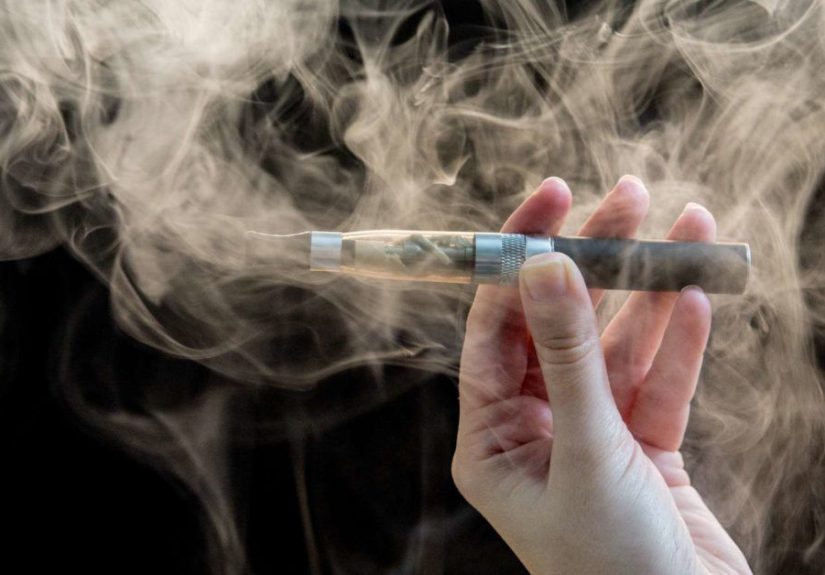
“E-cigarette” is an umbrella term covering devices that heat a liquid into an aerosol you inhale. That liquid may contain nicotine, flavorings,
and other chemicals. Some products contain no nicotine. Some contain a lot. Some deliver nicotine in a way that can feel surprisingly “fast,” which matters
because the faster nicotine hits, the easier it is to get hooked.
The biggest thing to understand: e-cigarettes do not burn tobacco like traditional cigarettes. That differencecombustion vs. heatingexplains
many of the “pros,” but it doesn’t erase the “cons.” “Not burned” isn’t the same as “safe.”
The short version of the debate: harm reduction vs. new harm
Most of the genuine “pro” arguments are about harm reduction for adults who already smoke cigarettes. Cigarette smoke contains thousands of chemicals,
including many linked to cancer and heart and lung disease. If a person who smokes fully switches to vaping, their exposure to many of those combustion-related toxins
is likely lower. That’s the thesis.
The strongest “con” arguments are about nicotine addiction, especially among young people and non-smokers, and about the unknown long-term effects of inhaling
aerosolized chemicals year after year. Also: dual use (smoking and vaping) is common, and that can blunt the harm-reduction logic.
Pros of e-cigarettes
1) Potentially lower exposure to many toxic chemicals than cigarettes (for people who fully switch)
Public health agencies have repeatedly emphasized that no tobacco product is safe, but they also note an important nuance: e-cigarette aerosol can contain fewer harmful chemicals
than smoke from burned cigarettes. That doesn’t make vaping “healthy”it means the chemical profile can be different, and in certain scenarios the risk may be lower than continued smoking.
Translation: if someone is already inhaling cigarette smoke daily, switching completely to vaping may reduce exposure to some of the worst combustion byproducts.
It’s like trading a bonfire for a hot platestill heat, still fumes, but not the same kind of inferno.
2) A possible tool for quitting smoking (but the evidence is mixed depending on the source)
If you read the research landscape, you’ll find two truths that can coexist:
Some rigorous reviews (including recent Cochrane updates) conclude that nicotine e-cigarettes can help more people quit smoking than nicotine replacement therapy in certain studies.
At the same time, major U.S. guideline bodies like the U.S. Preventive Services Task Force (USPSTF) state that evidence is still insufficient to recommend e-cigarettes broadly
for smoking cessation in adults, especially given variability in products and uncertain long-term harms.
What to do with that contradiction? It helps to ask: Quit what, with what, and for how long?
A controlled clinical setting, newer devices, coaching support, and a clear goal of fully stopping cigarettes can produce better outcomes than real-world use where
people vape sometimes, smoke sometimes, and call it “progress” for three years straight.
3) Less lingering odor and fewer “ashtray side effects”
This is the least medical-sounding pro, but it’s real. Vaping doesn’t create ash, and it typically doesn’t cling to clothes, hair, cars, and curtains in the same way cigarette smoke does.
For some adult smokers trying to distance themselves from the sensory routine of cigarettes, that can feel like stepping out of a smoky room.
Important: “less smell” is not “no risk,” and secondhand aerosol isn’t guaranteed harmless. It’s just a different kind of exposure.
4) Potentially fewer secondhand smoke toxins than cigarettes
Because there’s no combustion, bystanders may be exposed to fewer smoke-related toxins compared with traditional cigarettes. That’s part of why some researchers discuss vaping
within harm reduction frameworks. But “fewer” doesn’t mean “none,” and public health groups still warn that e-cigarette emissions can contain nicotine and other chemicals.
5) A stepping-stone for some adults who couldn’t quit any other way
Some long-term smokers report they could not tolerate or didn’t succeed with patches, gum, medications, or counseling, but were able to move away from cigarettes using vaping.
The story often goes like this: “I used vaping as an exit ramp, not a new highway.”
That’s the best-case scenarioand it’s worth acknowledging because cigarette smoking remains a major cause of preventable disease and death.
The key phrase is “exit ramp,” not “scenic loop.”
Cons of e-cigarettes
1) Nicotine addiction is still the main event
Most e-cigarettes contain nicotine, and nicotine is highly addictive. It can affect brain development in adolescents and is a concern during pregnancy.
Even among adults, nicotine dependence can keep people tethered to a product long after they planned to stop.
This is where vaping can quietly flip from “alternative” to “additional.” If you didn’t use nicotine before, starting with e-cigarettes is not a harmless experiment.
It’s a chemistry subscription your brain can auto-renew.
2) E-cigarette aerosol is not “just water vapor”
The phrase “water vapor” belongs on a humidifier box, not a vape ad. Public health agencies note that e-cigarette aerosol can contain harmful and potentially harmful substances,
including ultrafine particles, volatile organic compounds, and chemicals linked to cancer risk. The exact mix can vary by device, liquid, temperature, and user behavior.
In other words: the ingredient list is not a cute little label you can trust. It’s a moving target.
3) Unknown long-term health effects
Cigarettes have been studied for decades. Widespread vaping is newer, and that matters because many chronic diseases take years to reveal themselves.
The National Academies report highlights uncertainties and research gaps, especially regarding long-term exposure and the effects on people who never used tobacco products before.
The honest answer to “What will 25 years of vaping do?” is: we don’t fully know yet. We have signals and concerns, but not the full movie.
4) Cardiovascular and respiratory risks are a serious concern
Nicotine can raise heart rate and blood pressure and has cardiovascular effects that major heart organizations warn about. Meanwhile, inhaling heated aerosols can irritate airways.
Some scientific statements and reviews discuss potential cardiopulmonary harms, particularly with ongoing nicotine exposure.
If you have asthma, COPD, heart disease, or you’re simply trying to keep your lungs and arteries on speaking terms, vaping is not a neutral choice.
5) Youth vaping is a public health problem
Youth use is one of the biggest reasons vaping is regulated so aggressively. Recent U.S. data show that millions of students have used e-cigarettes,
and among those who currently use them, flavored products are common and frequent use occurs in a substantial portion.
The concern isn’t just “teens doing something adults dislike.” It’s that nicotine exposure during adolescence can increase the risk of addiction and may prime the brain for other substance use,
while also creating a generation that sees nicotine as normal again.
6) EVALI: a cautionary tale about what can go wrong
In 2019, the U.S. saw a major outbreak of lung injuries associated with vaping (EVALI). Investigations strongly linked many cases to THC-containing products,
especially those from informal sources, and to vitamin E acetate used as an additive in some of those products.
The takeaway isn’t “every nicotine vape causes EVALI.” The takeaway is that inhaling substances from an underregulated or illicit supply chain can go sideways fast
and when it does, lungs don’t offer refunds.
7) Dual use can cancel out the “harm reduction” logic
A common pattern is “I vape where I can’t smoke, and smoke when I really want a cigarette.” That can mean the person keeps most of the harms of smoking
while adding ongoing nicotine exposure from vaping. If the goal is lower risk, dual use can be a detour.
8) Devices can malfunction (and yes, sometimes dramatically)
Battery failures and overheating incidents have been reported with various consumer electronics, and vaping devices are no exception.
While not the most common risk, it’s a real oneand a reminder that this isn’t just “air.” It’s a powered device delivering a drug.
9) Environmental and household downsides
Disposable vapes and pods add electronic waste: batteries, plastics, and chemical residue. That’s a quieter “con,” but it’s part of the full cost.
If your nicotine habit comes with a side of e-waste, the planet would like a word.
Regulation in the U.S.: why “legal to buy” doesn’t always mean “authorized to sell”
The U.S. Food and Drug Administration regulates e-cigarettes as tobacco products (when they contain nicotine derived from tobacco, and it also has authority related to other nicotine products).
Manufacturers must go through a premarket review process for authorization to market products. In late 2025, FDA resources list a relatively small number of e-cigarette products authorized,
largely tobacco- and menthol-flavored options, while many other products on shelves may not have authorization.
Courts have also weighed in. In April 2025, the U.S. Supreme Court issued an opinion supporting the FDA’s ability to deny authorization for certain flavored e-cigarette liquids
when companies fail to show a net public health benefit, especially in the context of youth appeal.
The practical meaning for consumers: the market is not a “clean lab.” It’s a patchwork of authorized products, enforcement actions, and plenty of gray-area retail reality.
So… are e-cigarettes “better” or “worse” than cigarettes?
Here’s the most accurate answer that fits in one paragraph:
For an adult who currently smokes, completely switching from cigarettes to a regulated e-cigarette product may reduce exposure to many combustion-related toxins,
and may help some people quit cigarettesespecially with support and a clear plan. But e-cigarettes are not safe, nicotine is addictive, aerosol contains harmful substances,
long-term effects remain uncertain, and youth/non-smokers should not use them. Dual use and frequent, long-term vaping can shrink or erase the potential benefit.
If you want the “snackable” version: vaping might be less harmful than smoking for some adult smokers, but it’s still harmfuland it’s a terrible hobby for non-smokers.
If you’re trying to quit smoking: smarter options to consider first
If the goal is quitting cigarettes, U.S. clinical guidance generally prioritizes tools with established safety and effectiveness: counseling, nicotine replacement therapy
(patches, gum, lozenges), and prescription medications where appropriate. Many people need multiple attempts, and that’s normal.
If someone uses vaping as a transition, the healthiest framing is: replace cigarettes fully, avoid dual use, and treat vaping as temporarynot as a lifelong identity.
And if you don’t smoke? Don’t start vaping. Your lungs are not a beta-testing program.
FAQ: quick answers people actually ask
Are nicotine-free vapes harmless?
“No nicotine” does not automatically mean “no risk.” You may still inhale chemicals and ultrafine particles, and long-term effects are still being studied.
Nicotine-free may reduce addiction risk, but it doesn’t turn aerosol into fresh mountain air.
What about “just vaping socially”?
Occasional use can still expose you to nicotine (if present) and other substances, and it can normalize use. Social nicotine has a habit of turning into solo nicotine.
Do flavors make vaping more dangerous?
Flavors can increase appealespecially for youthwhich is a major regulatory concern. Some flavoring chemicals have also raised health questions when inhaled.
“Tastes like dessert” is not a safety certification.
Real-world experiences: what people report (and what it means)
Statistics tell you what happens in populations. Experiences tell you how it feels in a human body with a human brain that loves habits.
Below are common themes clinicians, former smokers, and families describeshared here as composite, real-life patterns rather than one person’s story.
The “I finally stopped smoking” experience. Some long-term adult smokers describe vaping as the first tool that made cigarettes feel optional.
They talk about waking up without the same chest heaviness, noticing that their clothes and car no longer smelled like smoke, and feeling less trapped by smoke breaks.
Often, the biggest win isn’t that vaping felt amazingit’s that cigarettes started to feel less necessary. In these accounts, success usually involved a clean break:
cigarettes were replaced, not “supplemented.” People who did best often treated vaping like a bridge, not a destination, and many paired it with other supports
(coaching, quitlines, or structured plans from healthcare providers).
The “I traded one dependency for another” experience. Another group reports something more complicated: they stopped smoking,
but ended up vaping constantlymore puffs, more often, sometimes with higher nicotine than they expected. They describe cravings that feel “sneakier” because vaping is easy to do
indoors, in a car, or during a quick walk. Cigarettes had built-in friction: going outside, lighting up, finishing the cigarette. Vaping can remove that friction.
These people often say the hardest part wasn’t quitting cigarettesit was quitting the constant access. Some also report that because vaping felt “less bad,”
they gave themselves permission to do it more.
The “dual use limbo” experience. Many adults get stuck in a middle lane: they vape at work or around family, but still smoke at night,
with coffee, or when stressed. They tell themselves they’ve “cut down,” but the habit never fully leaves. This pattern can come with a false sense of security:
“I’m basically quitting,” even while the body is still taking hits from combustible smoke. Clinicians often describe this as the point where a clear goal matters.
Without an end date for cigarettes, dual use can turn into a long-term routine.
The “my teen got hooked” experience. Families often describe a whiplash timeline: a teen tries vaping “because everyone does,”
then can’t concentrate without it, gets irritable when they can’t use it, and starts organizing their day around nicotine.
Parents describe mood changes that look like normal adolescenceuntil the pattern is obvious. Schools describe it as a discipline issue, but many healthcare providers frame it as
nicotine dependence in a developing brain. This is also where flavors and marketing matter: the easier it is to start, the harder it can be to stop.
The “I didn’t realize what was in it” experience. Some people assume vaping liquid is a simple, regulated product.
The EVALI outbreakand the ongoing enforcement actions against unauthorized productsshow why that assumption can fail.
People who bought products from informal sources, or who used modified/unknown cartridges, describe feeling blindsided by symptoms and by how quickly things worsened.
The common thread isn’t panic; it’s surprise: “I thought it was just vapor.”
The big lesson from these experiences is not that vaping is always one thing. It’s that outcomes depend on who is using it, why,
and how. If you already smoke, the healthiest direction is away from combustion. If you don’t smoke, the healthiest direction is not starting nicotine at all.
Conclusion
E-cigarettes are not a health product. They are a nicotine delivery technology that may reduce harm for some adult smokers who fully switchwhile creating major risks through addiction,
youth uptake, and uncertain long-term exposure for everyone else. The most “pro” interpretation of vaping is targeted and temporary: a stepping-stone away from cigarettes.
The most “con” interpretation is also real: a new pathway into nicotine dependence with enough unknowns to keep researchers busy for years.
If you want a responsible takeaway, it’s this: don’t let “less harmful than cigarettes” morph into “harmless.” Your lungs have enough to do without being drafted into a science experiment.