Table of Contents >> Show >> Hide
- What Makes a Cheese Board “Perfect” (Hint: Not Perfectionism)
- Step 1: Plan the Board Like a Pro (Without Becoming One)
- Step 2: Pick the Cheeses (This Is the Main Character Energy)
- Step 3: Choose the “Supporting Cast” (Accompaniments That Make Cheese Sing)
- Step 4: Prep Like You Love Yourself
- Step 5: Assemble the Board (The Fun Part)
- Step 6: Food Safety and Holding the Board (Keep It Cute, Keep It Safe)
- Step 7: Make-Ahead Timeline (So You’re Not Slicing at the Doorbell)
- Three Perfect Cheese Board Examples (Copy-Paste These Ideas)
- Troubleshooting: Common Cheese Board Problems (And Easy Fixes)
- Real-World Cheese Board Lessons: What Actually Happens at Parties (And How to Win Anyway)
- Conclusion
A perfect cheese board is basically a party on a plank: it looks fancy, tastes expensive, and somehow makes
everyone feel like they should be wearing lineneven if they’re in sweatpants. The best part? There’s no
cooking required. You’re not “making” dinner so much as you’re “curating a delicious museum exhibit” where
the only rule is: please don’t touch the art… unless it’s with a cracker.
This guide will walk you through building a cheese board that feels effortless but intentionalbalanced flavors,
great textures, smart portions, and a layout that says “I did this on purpose” (even if you absolutely did not).
What Makes a Cheese Board “Perfect” (Hint: Not Perfectionism)
The goal isn’t to cram every snack in your kitchen onto one surface like you’re escaping a snack tornado.
“Perfect” means your board has:
- Variety (different textures and flavors, not five cheeses that taste like “mild”).
- Balance (salty + sweet, creamy + crunchy, tangy + mellow).
- Ease (guests can grab and build bites without performing surgery).
- Visual wow (color, height, and little “clusters” that look abundant).
Step 1: Plan the Board Like a Pro (Without Becoming One)
Pick the vibe
You don’t need a strict theme, but a loose direction makes shopping easier and the final board feel cohesive.
Try one of these:
- Classic crowd-pleaser: familiar cheeses + fruit + simple crackers.
- “Farmer’s market” board: lots of fresh produce, herbs, honey, rustic bread.
- Color theme: holiday reds/greens, summer brights, or monochrome “all golden” snacks.
- Texture theme: extra crunchy (nuts, seeded crackers, crisp apples) vs. extra creamy (triple-cream, spreads).
Choose your board size (and your backup plate)
Any flat surface works: cutting board, serving platter, sheet pan, marble slab, even a clean baking tray.
If you’re hosting a crowd, have a backup plate ready in the fridge so you can “refresh” the board instead of
letting it get sad and empty like a buffet at 9:47 p.m.
Do the cheese math (so you don’t run out at the worst moment)
Portions depend on whether the board is a starter or the main event. A solid party guideline is:
about 2–3 ounces of cheese per person for a grazing-style appetizer board. If the board is basically
dinner, bump it up (and add more bread, fruit, and hearty extras).
For multiple cheeses, think of your total cheese amount as a pie you’re slicing into “types.” For example,
for 8 guests at 2.5 ounces each, you need about 20 ounces total (just over 1.25 pounds). Split that across
3–5 cheeses.
Step 2: Pick the Cheeses (This Is the Main Character Energy)
The easiest winning formula: 3 to 5 cheeses
Three cheeses is plenty for most gatherings; five feels abundant for a bigger board. More than five can work,
but it’s easier to end up with a board that tastes chaoticlike a group chat with no moderator.
Build variety with texture + milk type
Aim for contrast. A simple structure:
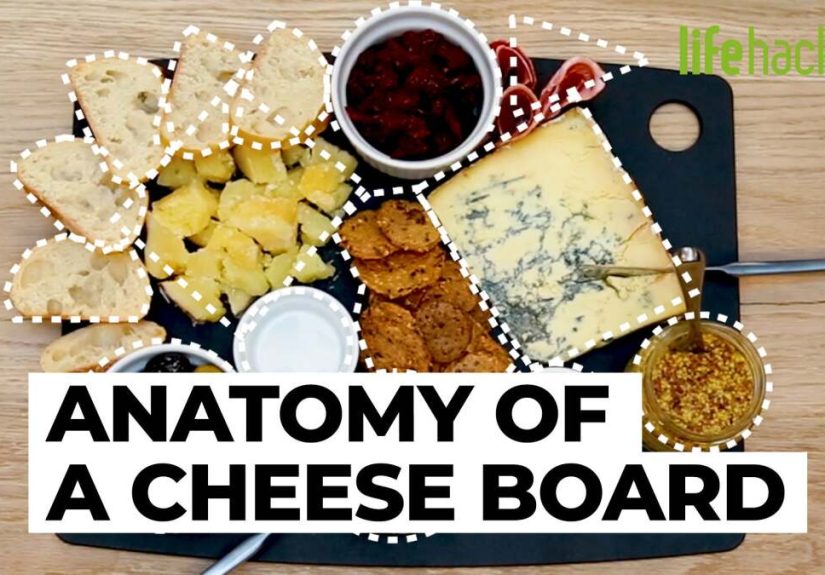
- Soft & creamy: Brie, Camembert, triple-cream, or a soft goat cheese.
- Firm or aged: aged cheddar, Gouda, Gruyère-style, Parmesan-style, or Manchego.
- Bold or funky (optional but fun): a blue cheese or a washed-rind that’s aromatic but not aggressive.
If you want a “safe but interesting” board, keep two cheeses familiar and make the third your adventurous pick.
That way, everyone has a comfort zoneand the brave among us have a quest.
Great “starter set” cheese board (easy to find in U.S. grocery stores)
- Brie (soft, creamy)
- Aged cheddar (sharp, firm)
- Manchego (nutty, sliceable)
- Optional upgrade: add blue cheese (small wedge) for a bold corner of the board
How to avoid “cheese regret”
- Skip ultra-pungent cheeses unless you’re sure your crowd loves themone strong cheese can dominate the whole board’s aroma.
- Buy what you’ll serve (don’t “save it for later” unless you truly love it). Great cheese deserves a great moment.
- Ask for help at the deli countereven basic grocery stores often have someone who can recommend a good mix.
Step 3: Choose the “Supporting Cast” (Accompaniments That Make Cheese Sing)
A cheese board gets exciting when each bite can be customized. Think in categoriesthen pick 1–2 items from each.
You’re building options, not a grocery-store scavenger hunt.
1) Crunchy vehicles (crackers & bread)
- Neutral crackers: water crackers, plain wheat crackers, or simple rounds (let cheese be the star).
- One “interesting” cracker: seeded, multigrain, or a crispbread for texture.
- Bread: sliced baguette, toasted crostini, or small breadsticks.
2) Sweet (fruit + something jammy)
- Fresh fruit: grapes, berries, orange segments, sliced pears.
- Dried fruit: apricots, figs, cherries (small amounts go a long way).
- Spread: fig jam, apricot preserves, or honey (especially good with salty or tangy cheeses).
3) Briny & tangy (to cut the richness)
- Olives, cornichons, pickles, or pickled onions
- Marinated artichokes or roasted peppers (drained well)
4) Nuts & salty crunch (optional, but label for allergies)
- Almonds, pistachios, walnuts, or candied pecans
- Pepitas or sunflower seeds as a nut-free crunch option
5) “Little bowls” that make the board feel fancy
Small bowls create structure, keep messy items contained, and make your board look styled (even if you assembled
it at the speed of panic). Great bowl items: jam, honey, olives, mustard, dips, or chocolate-covered nuts.
Step 4: Prep Like You Love Yourself
Bring cheese to serving temperature (flavor booster alert)
Cold cheese is shy. Let it warm up a bit so the texture softens and the flavor opens. A good rule:
take cheese out of the fridge about 30–60 minutes before serving. Very firm cheeses often need less time;
creamy cheeses can take a little longer. Keep it covered while it tempers so it doesn’t dry out.
Pre-cut (some of) the cheese so guests aren’t doing geometry
You don’t need to slice everything, but you should create an easy “start point” so guests understand what to do.
- Hard cheeses: pre-slice into thin pieces or small triangles; or break into rustic chunks.
- Semi-firm cheeses: cut into slices, sticks, or triangles.
- Soft wedges (Brie): slice a small wedge so it’s clear how to proceed.
- Crumbly blues: serve as a wedge with a small knife; guests can take little pieces.
Use separate knives (yes, it matters)
Different cheeses want different toolsand sharing knives can smear flavors together. A simple system:
one small knife for soft cheeses, one for firm cheeses, and one for anything blue or extra funky.
Step 5: Assemble the Board (The Fun Part)
The foolproof build order
- Place the cheeses first. Space them out like anchors.
- Add bowls. Nestle 2–4 small bowls around the board for jam, honey, olives, pickles.
- Add crackers and bread in clusters. Fan them out and tuck them near cheeses.
- Fill gaps with fruit and briny items. Grapes can spill in a casual “still life” way; pickles add punch.
- Finish with texture. Sprinkle nuts/seeds, add fresh herbs, and tuck in dried fruit.
Make it look abundant (without buying a second mortgage worth of cheese)
- Create height: stack crackers, fold napkins under the board, mound grapes.
- Make curves: fan slices, build little “rivers” of fruit, tuck items partially under others.
- Use color on purpose: berries, citrus, herbs, and pickles add contrast instantly.
- Leave tiny breathing room: crowded is good; smushed is stressful.
Label it (your guests will love you)
A tiny label turns your board from “mystery dairy” into “cheese tasting.” You can use mini flags, a small card,
or a strip of paper tucked under each cheese. Bonus: labeling helps guests avoid ingredients they can’t eat.
Step 6: Food Safety and Holding the Board (Keep It Cute, Keep It Safe)
Cheese boards are meant to linger, but not forever. Food-safety guidance for perishable foods is straightforward:
don’t leave food out more than 2 hours at room temperatureand if it’s very hot (over 90°F), keep it to
1 hour. If you’re hosting longer, “refresh” the board in smaller rounds and keep backups chilled.
Smart hosting hacks
- Build in waves: put out a smaller board, then replenish from the fridge.
- Keep soft cheeses cooler: serve creamy cheeses in smaller portions so they don’t sit out too long.
- Drain wet items: olives, marinated artichokes, and pickles should be patted dry to avoid soggy crackers.
Step 7: Make-Ahead Timeline (So You’re Not Slicing at the Doorbell)
1–2 days before
- Shop for shelf-stable items: crackers, nuts, dried fruit, jams, honey, pickles
- Pick your board, bowls, knives, and serving utensils
Day of (morning or afternoon)
- Wash and dry fruit
- Pre-cut firm cheeses; keep wrapped and chilled
- Portion messy items into bowls (cover and refrigerate)
30–60 minutes before serving
- Set cheeses out to temper (covered)
- Assemble the board: cheeses → bowls → crackers → fruit → finishing touches
- Add labels and knives
Three Perfect Cheese Board Examples (Copy-Paste These Ideas)
1) The “Everyone’s Happy” Board (8 guests)
- Cheese: Brie, aged cheddar, Gouda (about 1.25–1.5 lb total)
- Crunch: water crackers + seeded crispbread + baguette slices
- Sweet: grapes + dried apricots + honey
- Briny: olives + cornichons
- Extra: dark chocolate squares or chocolate-covered berries
2) The “Farmer’s Market” Board
- Cheese: goat cheese log, Alpine-style cheese, Parmesan-style wedge
- Produce: berries, sliced pears, cherry tomatoes, cucumber spears
- Bowls: fig jam + marinated olives
- Finish: fresh herbs (rosemary or thyme) for aroma and color
3) The “Bold Corner” Board (for adventurous eaters)
- Cheese: triple-cream, sharp cheddar, blue cheese (small wedge), Manchego
- Pairings: honey + spicy pepper jelly (separate bowls)
- Crunch: plain crackers + pretzel crisps
- Briny: pickled onions + olives
- Sweet: figs (fresh if available) or dried cherries
Troubleshooting: Common Cheese Board Problems (And Easy Fixes)
“My board looks messy.”
Add two small bowls, fan your crackers, and create one grape “cluster.” Messy becomes “rustic” when items are
grouped intentionally.
“Everything tastes the same.”
Add contrast: a briny bite (pickles/olives) and a sweet bite (jam/honey). Also, make sure at least one cheese is
aged/sharp.
“The crackers are soggy.”
Keep wet items in bowls, drain/pat dry, and don’t place juicy fruit directly on crackers. Also: add crackers last.
“Guests aren’t eating the soft cheese.”
Slice a small starter wedge and put a spreader knife right on the cheese. People love permission.
Real-World Cheese Board Lessons: What Actually Happens at Parties (And How to Win Anyway)
Here’s the honest truth about cheese boards: once guests arrive, they stop being careful, polite tasting panels
and turn into happy snack engineers. They build towering cracker sandwiches. They hover. They ask, “What’s that one?”
while already reaching for it. And if you’ve ever watched someone attempt to cut a tiny sliver off a rock-hard wedge
with the wrong knife… you know the board is not just food. It’s a live event.
One of the most common hosting experiences is the “first five minutes phenomenon.” At the start, everyone gravitates
toward what they recognize. The cheddar vanishes. The simple crackers disappear. The grapes go fast because they’re
basically the board’s refreshing intermission. Meanwhile, the interesting cheesethe one you were excited aboutsits
there like a wallflower. The fix is delightfully simple: give the fancy cheese a moment in the spotlight.
Pre-slice one piece. Put it next to honey or jam that clearly “belongs” with it. Add a tiny label. Suddenly it’s not
intimidating; it’s a featured attraction.
Another real-world lesson: guests love mix-and-match more than strict pairings. You can suggest combos,
but people will freestyleoften brilliantly. That’s why balance matters more than “perfect matches.” If you include
something briny (olives/pickles), something sweet (jam/honey), and something crunchy (nuts/seeds), guests will create
bites that feel intentional even when they’re improvising like snack jazz musicians.
Then there’s the “traffic jam” issue: if all the crackers are on one side and all the knives are on the other,
your board becomes a bottleneck. People cluster. Someone awkwardly reaches across a stranger for the honey. The board
squeaks (not literally, but socially). The easy win is to spread out the tools and vehicles. Put crackers
in two clusters. Place a knife by each soft cheese. Add a spoon in every bowl. Your board stops being a puzzle and
starts being a playground.
Hosting also teaches you the power of the “refresh.” A board sitting out too long doesn’t just raise food-safety
concernsit starts looking tired. Fruit wilts. Crackers go soft. The vibe becomes “aftermath.” The pro move is to keep
a small stash of backup crackers and fresh fruit ready to swap in. You don’t need to rebuild the whole board. You
just need to re-fluff the edges: add a fresh fan of crackers, toss in a handful of grapes, replace a bowl
that’s become a sticky spoon situation. People will think you’re effortlessly on top of things, which is exactly the
illusion we’re all here for.
Finally, one of the best experiences you can create with a cheese board is a sense of discovery without pressure.
The board should welcome picky eaters and adventurous eaters at the same time. That’s why a “two safe, one new” cheese
strategy works so well. Everyone can participate. And if someone finds a new favorite cheese? Congratulationsyou’ve
just unlocked the highest level of hosting: being asked where you bought it.
Conclusion
The perfect cheese board isn’t about rare imports or complicated rules. It’s about smart variety, good pacing,
and a layout that invites people to snack happily without needing instructions. Choose 3–5 cheeses with contrast,
add a few crunchy vehicles, bring in sweet and briny accents, and assemble with intention. Then step back, accept
the compliments, and remember: if the board disappears fast, you did it right.