Table of Contents >> Show >> Hide
- Why Great Grilled Cheese Is All About Balance
- Start With Bread That Can Handle the Job
- Choose Cheese That Melts Like It Means It
- The Chef Method for Perfect Grilled Cheese
- The Most Common Grilled Cheese Mistakes
- Easy Upgrades That Still Respect the Sandwich
- What to Serve With the Perfect Grilled Cheese
- Kitchen Experience: What Really Happens When You Make Grilled Cheese Again and Again
- Conclusion
Grilled cheese looks like the easiest lunch in the world. Two slices of bread, some cheese, a little fat, a hot pan, and boom: comfort. But anyone who has ever produced a sandwich with scorched bread and cheese that still has the emotional depth of a refrigerator brick knows the truth. Perfect grilled cheese is simple, but it is not careless.
Ask chefs and test kitchens what separates an average sandwich from a truly great one, and the answer is surprisingly consistent. It is not truffle oil. It is not a secret imported dairy product blessed by woodland spirits. It is technique. The best grilled cheese balances three things at once: a deeply golden, crisp exterior; a fully melted, stretchy center; and enough structure that the sandwich holds together instead of collapsing like a bad group project.
If you want to make the perfect grilled cheese every time, the good news is that you do not need restaurant equipment or a culinary degree. You just need the right bread, the right cheese, the right heat, and a little patience. That last ingredient is the one most of us forget, usually while standing at the stove convinced that turning the burner up will “help.” It will not help. It will create toast with trust issues.
Why Great Grilled Cheese Is All About Balance
A chef does not think about grilled cheese as “bread plus cheese.” A chef thinks about contrast. You want crunch against creaminess, toasted flavor against dairy richness, and enough salt and tang to keep the sandwich from tasting flat. That is why the best grilled cheese is rarely made by grabbing the nearest loaf and a random block of cheese and hoping for the best.
Every choice affects the final sandwich. Thick bread can protect the filling, but if it is too dense, the cheese may not melt before the crust darkens too much. Super flavorful cheese sounds exciting, but some aged cheeses separate instead of melting smoothly. High heat makes the outside brown quickly, but it also leaves the center lagging behind like it missed the bus. Once you understand that grilled cheese is really a timing game, everything gets easier.
Start With Bread That Can Handle the Job
Pick bread that is sturdy, but not brick-like
The best bread for grilled cheese has enough structure to crisp beautifully while still being tender enough to bite through cleanly. Sourdough is a favorite for a reason. It has flavor, it browns well, and it holds up under melted cheese without turning flimsy. Pullman loaf, country white, hearty sandwich bread, and thick-cut white bread also work beautifully.
What you want to avoid is bread that is too airy and flimsy or too thick and dense. Very soft sandwich bread can work for a nostalgic diner-style grilled cheese, especially with American cheese, but it can also flatten fast if overloaded. On the other end of the spectrum, a massive artisan slab may toast impressively yet leave the center under-melted. Goldilocks would have made an excellent lunch cook. The bread should be just right.
Slice thickness matters more than people think
Moderately thick slices are ideal. Too thin, and the bread can dry out before the cheese gets gooey. Too thick, and your sandwich becomes an obstacle course. A good rule is thick enough to stay crisp on the outside and tender inside, but not so thick that each bite feels like you are chewing through a kitchen sponge wrapped around cheddar.
Choose Cheese That Melts Like It Means It
Best cheeses for grilled cheese
The perfect grilled cheese is not necessarily made with the fanciest cheese in your refrigerator. It is made with cheese that melts evenly and tastes great with toasted bread. Excellent choices include cheddar, American, Monterey Jack, Gruyère, fontina, provolone, low-moisture mozzarella, Havarti, and Muenster.
American cheese deserves a little respect here. Yes, it is the cheese equivalent of a classic pop song. But it melts incredibly well, creates that creamy pull everyone wants, and blends beautifully with sharper cheeses. Many chefs prefer combining cheeses rather than relying on just one. A mix of sharp cheddar for flavor and American or Jack for melt gives you the best of both worlds.
Grate cheese for better melting
Pre-sliced cheese is convenient, but grated cheese often melts faster and more evenly because it spreads across the bread in a thinner, more consistent layer. Freshly grated cheese is even better because it is not coated with as many anti-caking agents as many bagged shredded cheeses. That means smoother melt, better texture, and fewer disappointing dry pockets in the middle of the sandwich.
If you have ever bitten into a grilled cheese and found a molten center on one side and a weird cool corner on the other, uneven cheese distribution is probably the culprit. Grating is the humble fix. It is not glamorous, but neither is chewing unmelted cheddar like it is a stress toy.
The Chef Method for Perfect Grilled Cheese
Step 1: Build the sandwich thoughtfully
Use two slices of bread and enough cheese to create a generous filling without turning the sandwich into a landslide. Spread the cheese all the way to the edges so every bite gets some love. A little seasoning can help too. A tiny pinch of salt, black pepper, or even a touch of mustard inside the sandwich can wake up the flavor.
Step 2: Decide on your browning fat
Butter gives classic flavor and beautiful richness. Mayonnaise gives incredibly even browning and spreads easily, especially when the butter in your kitchen is still cold and stubborn. Some cooks swear by mayo only; others prefer butter only. A very smart middle ground is using a thin layer of mayonnaise on the bread for consistent browning and a little butter in the pan for extra flavor.
The key is not to overdo it. You want enough fat to help the bread brown and crisp, not so much that the sandwich feels greasy. A thin, even coating is better than a heavy-handed slather that turns lunch into a nap.
Step 3: Use medium-low heat
This is the part that makes or breaks the sandwich. Medium-low heat is the chef’s move because it allows the bread to toast gradually while the cheese melts at the same pace. High heat is a trap. It gives you dramatic color fast, but the interior often stays underdone. Grilled cheese is not the place for speed-running.
Set the pan over medium-low heat, let it warm up, and then add the sandwich. Listen for a gentle sizzle, not an aggressive hiss that sounds like your pan is personally offended.
Step 4: Press lightly, don’t smash
A gentle press with a spatula helps the bread make full contact with the pan and encourages even browning. But do not crush the sandwich flat. You are making grilled cheese, not compressing a mattress for shipping. Too much pressure pushes out air, squeezes fillings, and can make the texture dense.
Step 5: Cover briefly if needed
If your bread is browning well but the cheese still needs help, cover the pan for a minute or two. That traps heat and helps the center melt without forcing you to raise the burner. This is one of the smartest little restaurant-style tricks for thicker breads or larger amounts of cheese.
Step 6: Flip once, then finish patiently
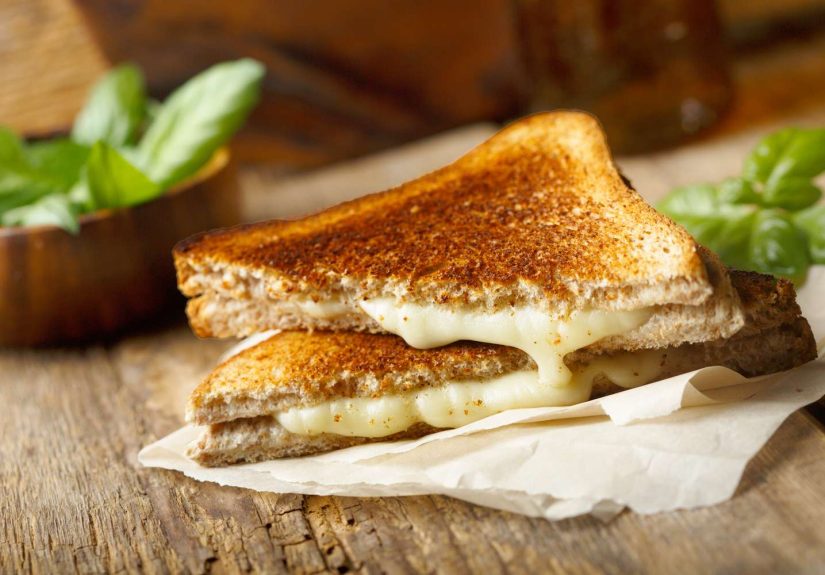
Cook the first side until golden brown, then flip carefully and cook the second side until equally crisp and the cheese is fully melted. Depending on your bread, pan, and cheese, this usually takes several minutes per side. You are not looking for “sort of toasted.” You are looking for rich golden-brown color, audible crispness, and a center that yields when pressed.
Step 7: Rest before slicing
This sounds dramatic for a sandwich, but a brief rest really helps. Let the grilled cheese sit for a minute or two before cutting. That gives the molten cheese a chance to settle slightly and keeps steam from making the bottom turn soggy. If you want to be extra careful, set it on a wire rack so air can circulate underneath.
The Most Common Grilled Cheese Mistakes
Using heat that is too high: This is the number one mistake. Fast browning is not the same as proper cooking.
Choosing cheese for personality instead of melt: A bold aged cheese can taste amazing, but it often needs a meltier partner.
Overstuffing the sandwich: More is not always better. Too much filling can keep the sandwich from heating evenly.
Using dry bread: Fresh bread toasts better and tastes better. Bread that is stale can become tough rather than crisp.
Skipping the rest: Fresh off the pan sounds romantic, but a one-minute pause improves texture and slicing.
Easy Upgrades That Still Respect the Sandwich
Once you have mastered the basic method, you can start playing. The best add-ins bring contrast without overwhelming the core grilled cheese experience.
Flavor upgrades worth trying
Dijon mustard: Adds tang and cuts richness.
Tomato: Classic, but use it sparingly and pat it dry so you do not introduce too much moisture.
Caramelized onions: Sweet, savory, and deeply satisfying.
Pickles or hot honey: A little acid or sweetness can make the cheese taste even richer.
Parmesan on the outside: A little grated Parmesan on the outer surface can create an extra crisp, lacy crust.
Herb butter or garlic butter: Great when you want the sandwich to feel slightly more dressed up without becoming fussy.
The rule is simple: if the add-in makes the sandwich wetter, use less of it. If it makes the sandwich sharper, sweeter, or more aromatic, it is probably helping. If it requires a written explanation longer than the sandwich itself, you may be wandering away from grilled cheese and into a personality crisis.
What to Serve With the Perfect Grilled Cheese
Tomato soup is the obvious classic, and honestly, classics are classics for a reason. The acidity balances the richness perfectly. But grilled cheese also pairs well with a crisp green salad, a cup of roasted red pepper soup, pickled vegetables, or even a simple bowl of fruit if you want lunch to pretend it is making healthy choices.
If you are serving a crowd, oven-baked grilled cheese can help you scale things up. But for the best single sandwich, a skillet still wins because it gives you the most control over color, crispness, and timing.
Kitchen Experience: What Really Happens When You Make Grilled Cheese Again and Again
Here is the funny thing about grilled cheese: most people think they already know how to make it until they start paying attention. That was my experience, anyway. For years, I made what I would generously call “perfectly acceptable” grilled cheese. It was edible, comforting, and usually paired with soup, so nobody complained. But once I started testing the details the way a chef would, I realized how much difference tiny changes make.
The first breakthrough was heat. I used to cook grilled cheese the way impatient people do most things in the kitchen: with optimism and a burner set slightly too high. The outside would brown quickly, which felt like success, but the cheese often lagged behind. When I finally slowed down and kept the pan at medium-low, the sandwich changed completely. The bread developed deeper color instead of random dark patches, and the cheese melted all the way to the corners. It was the first time the sandwich tasted balanced instead of rushed.
The second lesson was bread. I learned that not all bread wants to be grilled cheese bread. Some loaves sound exciting in theory but behave badly in the pan. Extra-airy breads can go flat. Ultra-dense artisan slabs can become armored vehicles with dairy inside. A good sourdough or sturdy sandwich loaf hits the sweet spot. It crisps well, supports the filling, and still lets you take a bite without feeling like you need a strategy meeting.
Then came the cheese experiments, which were, to be clear, delicious research. Sharp cheddar alone had flavor but not always the smoothest melt. American alone melted beautifully but needed backup in the flavor department. Gruyère was elegant, but it could make the sandwich feel more dinner party than lunch. The best results almost always came from blending cheeses. One cheese for stretch, one for flavor, maybe one for creaminess. Suddenly the sandwich felt less like a random craving and more like a composed dish.
I was also skeptical about mayonnaise on the outside of the bread. It sounded like one of those internet cooking debates that somehow becomes a personality test. But after trying butter, mayo, and a combination of both, I understood why cooks keep bringing it up. Mayo browns evenly and spreads beautifully. Butter adds that unmistakable flavor. Together, they make a very convincing argument for culinary diplomacy.
What surprised me most, though, was how much better grilled cheese got when I stopped treating it like a throwaway meal. The difference between a good sandwich and a great one is often just three extra minutes, a better cheese choice, and the discipline not to blast the stove. Once you get that, grilled cheese stops being merely nostalgic and starts becoming reliable. It becomes the lunch you can make without stress, the comfort food that always lands, and the sort of kitchen skill that feels small until you realize it teaches you something bigger: simple food rewards attention.
And that, honestly, is why perfect grilled cheese is worth learning. Not because it is fancy. Because it proves that even the most familiar foods can get better when you cook them with intention, patience, and just enough confidence to let the bread turn truly golden before you make your move.
Conclusion
The perfect grilled cheese every time is not a myth, and it is not reserved for restaurant kitchens. It comes down to smart choices and calm cooking: sturdy bread, melty cheese, medium-low heat, even browning, and a short rest before slicing. Once you nail those basics, you can riff all you want. Add mustard, tomatoes, onions, hot honey, or a Parmesan crust. But first, master the classic. A great grilled cheese should be crisp, gooey, rich, and deeply satisfying. In other words, it should taste like it knows exactly what it is doing.
: