Table of Contents >> Show >> Hide
- What Is a Homemade Goo Gone, Exactly?
- Why Homemade Adhesive Removers Work
- Homemade Goo Gone Recipe
- How To Use Your DIY Goo Gone
- Best Surfaces for Homemade Goo Gone
- Surfaces That Need Extra Caution
- Alternative DIY Goo Gone Variations
- Common Sticky Situations and How To Handle Them
- Mistakes To Avoid
- How To Store Homemade Goo Gone
- Is Homemade Goo Gone Better Than Store-Bought?
- Final Thoughts
- Real-Life Experiences With Homemade Goo Gone
- SEO Tags
Sticky labels, tape residue, mystery gunk on jars, and that one price tag that seems emotionally attached to your new vasewe’ve all been there. Commercial adhesive removers can work wonders, but plenty of DIY-minded homeowners would rather skip the store run and whip up a homemade version from ingredients already hanging around the kitchen. The good news? You can make your own Goo Gone-style cleaner with a few simple supplies, and it can be surprisingly effective on sticker residue, glue smudges, tape marks, and greasy grime.
This guide breaks down exactly how to make your own Goo Gone, how it works, when to use it, and when not to. We’ll also cover safer surface-by-surface cleaning tips, common mistakes to avoid, and a few real-life lessons learned from the sticky trenches. Because removing adhesive should feel satisfyingnot like you’re negotiating with a raccoon over a trash can lid.
What Is a Homemade Goo Gone, Exactly?
A homemade Goo Gone is a DIY adhesive remover made with ingredients that help soften, loosen, and lift sticky residue. Most versions rely on two types of action: an oil to break down adhesive and a mild abrasive to help scrub it away. Some recipes also include citrus essential oil for extra degreasing power and that “I clean with confidence” smell.
The most common homemade Goo Gone recipe uses baking soda and oil. That combo works because the oil helps dissolve sticky residue while the baking soda adds gentle scrubbing power. Depending on the surface, you can also use rubbing alcohol, white vinegar, or heat as part of the cleanup process.
Why Homemade Adhesive Removers Work
Adhesives used on labels, stickers, and tape are often designed to resist plain water. That is why scrubbing with a wet sponge sometimes does absolutely nothing except make you question your life choices. Oil-based ingredients can help weaken the bond, while rubbing alcohol and vinegar can help dissolve or loosen certain residues. Heat also softens glue, making it easier to peel and wipe away.
In short, homemade Goo Gone works because it attacks sticky residue from more than one angle. It is less about brute force and more about chemistry, patience, and resisting the urge to use a butter knife on every surface you own.
Homemade Goo Gone Recipe
Basic DIY Goo Gone Formula
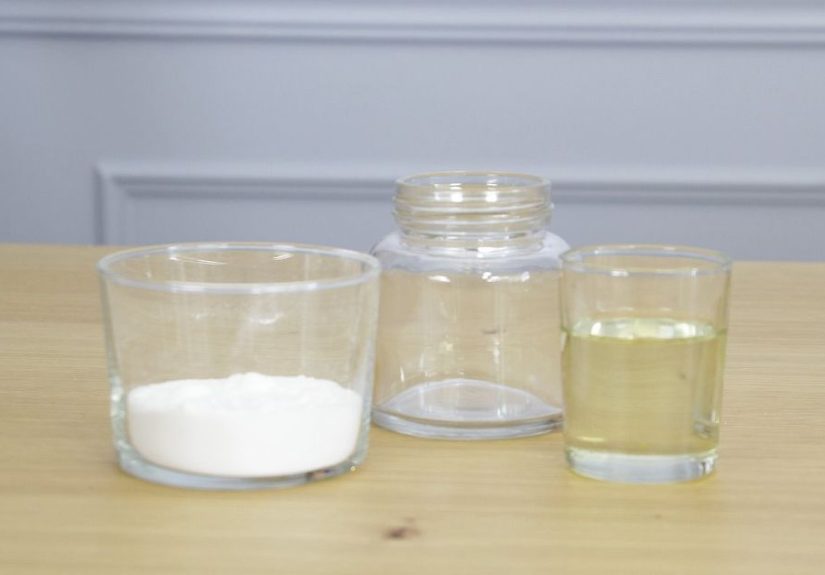
- 2 tablespoons baking soda
- 2 tablespoons coconut oil or vegetable oil
- 5–10 drops lemon or orange essential oil (optional)
How to Make It
- Add the baking soda to a small bowl.
- Mix in the oil until it forms a spreadable paste.
- Add citrus essential oil if you want extra scent and a bit more cleaning punch.
- Stir until smooth.
- Transfer to a small glass jar with a lid if you want to store it.
That’s it. No lab coat required. You now have a homemade adhesive remover that can tackle many common sticky messes around the house.
How To Use Your DIY Goo Gone
Step 1: Test a Hidden Spot
Before you smear your mixture onto a finished table, painted wall, or plastic bin, test it on an inconspicuous area. Oils, essential oils, and abrasives can affect some finishes. A quick spot test can save you from turning a tiny sticky problem into a larger decorative crisis.
Step 2: Apply the Paste
Spread a small amount directly over the sticky residue. Do not use half the jar like you are frosting a cupcake. A thin, even layer is plenty.
Step 3: Let It Sit
Wait 5 to 15 minutes. This gives the oil time to soften the adhesive. For stubborn residue, you may need a little longer.
Step 4: Wipe or Scrape Gently
Use a microfiber cloth, paper towel, or plastic scraper to lift the residue. An old gift card works well too. Avoid metal tools on delicate surfaces unless you truly enjoy accidental scratches.
Step 5: Wash the Surface
Clean the area with warm, soapy water to remove any leftover oil or baking soda. Dry thoroughly.
Best Surfaces for Homemade Goo Gone
Your DIY Goo Gone can be useful on many household surfaces, including:
- Glass jars and bottles
- Metal containers and tools
- Ceramic and tile
- Many sealed wood surfaces
- Some plastics
- Appliance exteriors
- Picture frames and storage bins
It is especially handy for removing price tags, sticker residue, tape marks, label glue, and gummy buildup left by packaging. If you regularly save jars, reuse containers, or buy home décor with labels that cling like a grudge, this mixture can earn a permanent spot under the sink.
Surfaces That Need Extra Caution
Homemade Goo Gone is useful, but it is not universal. Use caution on:
- Unfinished or raw wood
- Delicate paint finishes
- Unsealed stone
- Electronics screens
- Leather
- Fabric you cannot easily wash afterward
- Very soft or easily scratched plastic
On these surfaces, oil can stain, baking soda can dull the finish, and citrus oils or alcohol can cause damage. When in doubt, start with the gentlest method first: warm soapy water, a soft cloth, and patience.
Alternative DIY Goo Gone Variations
1. Oil-Only Version
For more delicate surfaces, skip the baking soda and use plain coconut oil, olive oil, or vegetable oil. Apply it to the residue, let it sit for 10 minutes, then wipe away and wash the surface. This version is great when you want less scrubbing.
2. Rubbing Alcohol Method
Rubbing alcohol is often effective on glass, some plastics, and metal. Soak a cloth or paper towel, lay it over the adhesive for several minutes, then wipe or scrape gently. This is a smart option for sticky residue that laughs at oil.
3. Vinegar Method
White vinegar can help break down some adhesives, especially on glass and hard surfaces. Soak a paper towel, press it over the residue, wait 10 minutes, then wipe clean. Be prepared for the smell. Vinegar works hard, but it is not subtle.
4. Heat + Wipe
Sometimes the best first move is not a paste at all. A hair dryer on low or medium heat can soften sticker glue so you can peel it away cleanly. After that, use your homemade Goo Gone for any leftover residue. This one-two combo is fantastic on jars, glass, metal, and other sturdy surfaces.
Common Sticky Situations and How To Handle Them
Removing Sticker Residue From Glass
Glass is usually the easiest surface to clean. Try warm soapy water first. If the label still clings on, use your DIY Goo Gone or rubbing alcohol. A plastic scraper works well here. Wash thoroughly afterward so the jar does not feel greasy.
Getting Adhesive Off Plastic
Plastic can be tricky because some solvents are too harsh. Start with oil or the baking soda-and-oil paste, but test first. Avoid aggressive scraping and be cautious with acetone, which can damage plastic.
Cleaning Tape Residue From Wood
On sealed wood, apply a small amount of the oil-based mixture and wipe gently. Avoid over-saturating the area. On unfinished wood, stick to very gentle methods and test first, because oil can darken the grain.
Removing Price Tags From Home Décor
Use heat first, peel slowly, then follow with your homemade Goo Gone if there is any leftover glue. This approach is especially helpful on picture frames, candle holders, ceramic planters, and decorative bins.
Mistakes To Avoid
- Skipping the spot test: Tiny test first, big regret prevention later.
- Using metal scrapers on delicate surfaces: Scratches are forever.
- Leaving oil behind: Always wash the surface after using your DIY remover.
- Using too much force too soon: Let the ingredients do the work.
- Assuming one method fits every material: Glass is not wood, and plastic is not tile.
- Using flammable ingredients near heat: If you are using alcohol, keep it away from open flames and hot appliances.
How To Store Homemade Goo Gone
If you make a small batch, store it in a sealed glass jar in a cool, dry place. Stir before using if it separates. It is best to make only what you will use within a reasonable time, especially if you add essential oils. Label the jar clearly and keep it out of reach of children and pets.
And no, even though it smells vaguely like citrus cookies, this is not a snack. Please do not let the cheerful lemon scent mislead the household.
Is Homemade Goo Gone Better Than Store-Bought?
That depends on what you need. A homemade version is budget-friendly, easy to make, and excellent for everyday sticker residue and mild adhesive messes. It is a strong option for people who prefer simple household ingredients and want more control over what they use at home.
Store-bought adhesive removers may be stronger on tough messes like tar, heavy-duty glue, sealants, or industrial residue. They can also come with more safety warnings, especially around skin contact, inhalation, flammability, and accidental swallowing. For routine household messes, though, a DIY Goo Gone recipe often gets the job done without much drama.
Final Thoughts
Making your own Goo Gone is one of those small household wins that feels weirdly satisfying. It saves money, reduces waste, and helps you deal with sticky residue using ingredients you likely already own. Better yet, it teaches a useful cleaning principle: most household messes do not need brute forcethey need the right method.
Start with a simple mix of baking soda and oil, use heat when necessary, and always match your method to the surface. With a little patience, you can rescue jars, frames, bins, tools, and décor from label glue without turning the cleanup into a full-contact sport. Sticky messes may be inevitable, but living with them is optional.
Real-Life Experiences With Homemade Goo Gone
The first time I made a homemade Goo Gone-style paste, it was out of pure stubbornness. I had bought a set of glass pantry jars, and every single one had a label that peeled off in the most insulting way possible: the paper came off neatly, but the glue stayed behind like it had signed a lease. I did what most people do firstI scrubbed with hot water and dish soap. The jars looked at me, unchanged. So I mixed coconut oil and baking soda in a little ramekin, spread it over the sticky mess, and waited. Ten minutes later, the residue rolled off in satisfying gray clumps. It was gross, effective, and honestly kind of thrilling.
Since then, I have used a homemade adhesive remover on everything from thrifted picture frames to storage bins to the bottom of a candle holder that came with a discount sticker apparently forged in Mordor. What I learned quickly is that the recipe matters less than the method. If I rush, I end up scrubbing too hard. If I let the mixture sit, the cleanup becomes much easier. Homemade Goo Gone is not magic, but it rewards patience in a way that many cleaning hacks promise and rarely deliver.
One of the most useful experiences involved old spice jars. Anyone who reuses jars knows the label is only phase one. Phase two is the ghostly adhesive haze that catches dust and somehow makes a freshly washed jar feel dirty. I started using heat firsta hair dryer for about 30 secondsthen I peeled off what I could, followed with the oil-and-baking-soda paste. That combination worked better than either method alone. It also taught me that cleaning is often a layered process, not a single perfect trick.
There were also a few humbling moments. I once used the paste on a delicate plastic container without testing first. The good news: the sticker residue came off. The bad news: the finish looked a little dull afterward. It was not ruined, but it was enough to remind me that “natural” does not automatically mean “safe for every surface.” Since then, I always spot test, especially on painted items, soft plastics, and anything with a glossy finish.
Another lesson came from dealing with tape residue on a sealed wood shelf. I assumed more scrubbing would equal faster results. Wrong. The smarter move was applying a tiny amount of oil, letting it sit, and wiping gently with a soft cloth. No dramatic scraping, no panic, no damage. That experience changed how I think about sticky residue in general: force is usually the least elegant solution.
What I appreciate most about homemade Goo Gone is not just that it works, but that it makes me more likely to fix small annoying problems right away. A jar with a sticky label gets cleaned and reused. A frame from a discount store gets put on display instead of sitting around with a half-peeled barcode. A residue-covered bin becomes usable again. It turns tiny household frustrations into quick wins. And in a home full of chores, quick wins are basically emotional support.
So yes, I still keep a little jar of the stuff around. It is cheap, useful, and weirdly empowering. Once you remove one stubborn sticker without losing your temper, you start looking around the house like a person with a mission. Labels, tape marks, mystery gooyou had your time. Now the tiny jar of citrus-scented determination lives under the sink.