Table of Contents >> Show >> Hide
- What Rheumatoid Arthritis in the Hands and Fingers Really Means
- Why the Hands Often Show Symptoms Early
- Common Symptoms of RA in Hands and Fingers
- How Doctors Diagnose Rheumatoid Arthritis in the Hands
- How RA Can Change the Shape and Function of the Hands
- Treatment: Protecting Hand Function Early and Aggressively
- When Hand Symptoms Should Not Be Ignored
- Experiences People Commonly Report With RA in Hands and Fingers
- Conclusion
- SEO Tags
Hands are supposed to help you open jars, type messages, tie shoes, wave hello, and occasionally win dramatic battles with stubborn pickle lids. When rheumatoid arthritis (RA) moves into the hands and fingers, however, even small tasks can start to feel weirdly complicated. A coffee mug may seem heavier. Buttons become tiny enemies. A handshake can turn from friendly to unforgettable for all the wrong reasons.
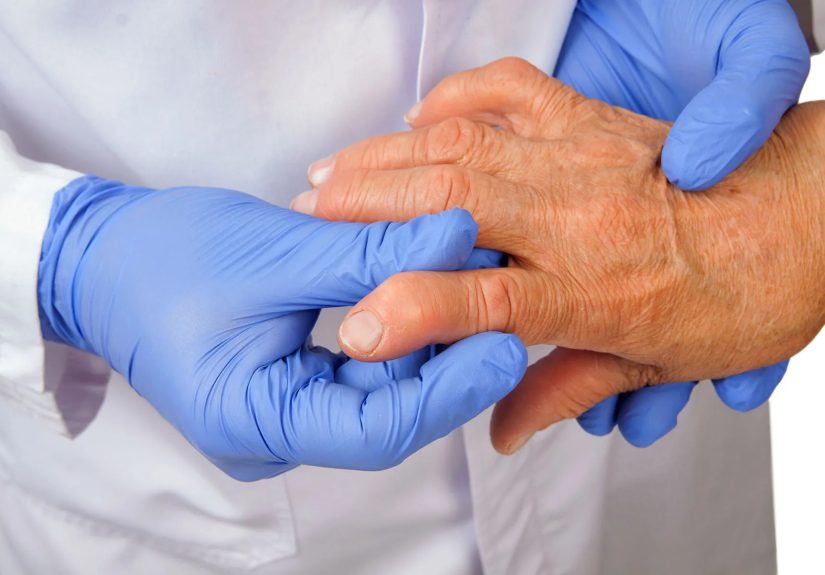
Rheumatoid arthritis in the hands and fingers is more than everyday wear and tear. It is an autoimmune disease that causes the body’s immune system to attack joint lining and surrounding tissues, leading to inflammation, pain, stiffness, and, over time, possible joint damage. Because the hands contain many small joints, tendons, and structures packed into a small space, RA can make a big mess in a surprisingly tiny area.
This guide explains how RA affects the hands and fingers, what symptoms often show up first, how doctors diagnose it, what treatments can protect hand function, and what real-life day-to-day experiences can look like for people living with it.
What Rheumatoid Arthritis in the Hands and Fingers Really Means
Rheumatoid arthritis is an inflammatory autoimmune disease that commonly targets small joints first, especially in the wrists, hands, and feet. In the hands, RA can inflame the lining of joints and tendon sheaths. That inflammation can lead to swelling, pain, warmth, and stiffness. If it continues unchecked, it may gradually damage cartilage, bone, ligaments, and tendons.
That is one of the biggest reasons hand RA matters so much. Your hands do not get a day off. They are working from the moment you silence your alarm to the moment you scroll one last time before bed. When RA affects them, the condition can interfere with cooking, dressing, texting, driving, writing, carrying groceries, turning keys, and almost every other task people usually do without thinking.
Another hallmark of RA is symmetry. If one hand is affected, the other often joins the party too, which is rude but medically useful. That both-sides pattern helps distinguish RA from some other hand problems.
Why the Hands Often Show Symptoms Early
The hands contain many small joints that are vulnerable to inflammation. RA frequently shows up in these small joints before larger joints become obvious problems. Early on, people may notice that their knuckles look puffy, their fingers feel stiff, or their grip seems weaker than usual. The change can be subtle at first. A ring suddenly feels tight. Opening a water bottle takes more effort. You may start switching hands without realizing it.
Because the disease process can also involve tendon sheaths, hand RA is not only about joints. Tendons help fingers bend and straighten smoothly. When inflammation disrupts that system, motion can become painful, awkward, or less reliable. In more advanced cases, tendon damage may contribute to deformity or even rupture.
Common Symptoms of RA in Hands and Fingers
RA symptoms vary from person to person, but several patterns show up often when the hands are involved. The classic complaint is morning stiffness that lasts a long time, not just a few minutes of feeling creaky after sleep. People often describe needing extra time before their fingers “wake up.”
Early symptoms to watch for
- Pain or aching in multiple finger or hand joints
- Swelling around the knuckles or wrists
- Warmth and tenderness in the joints
- Morning stiffness or stiffness after rest
- Difficulty making a full fist
- Reduced grip strength
- Trouble with fine motor tasks like buttoning, zipping, or writing
- Fatigue, weakness, or low-grade fever along with joint symptoms
Some people also notice that the pain is not constant. RA can flare, meaning symptoms worsen for a period of time, then calm down. During a flare, the hands may feel hot, swollen, and uncooperative. During quieter periods, function may improve, but the disease can still be active beneath the surface.
What hand pain from RA feels like in daily life
RA hand pain is not always dramatic movie-scene pain. Sometimes it is sneakier than that. It can feel like soreness, pressure, tightness, throbbing, burning, or that strange sensation where your fingers seem both stiff and weak at the same time. Many people describe a frustrating mismatch between what they want their hand to do and what it is willing to do.
For example, lifting a frying pan may feel fine one day and ridiculous the next. Holding a hairbrush may irritate the wrist. Turning a doorknob can feel like negotiating with a tiny angry octopus. That unpredictability is part of what makes RA in the hands so disruptive.
How Doctors Diagnose Rheumatoid Arthritis in the Hands
There is no single magic test that announces, “Congratulations, you have RA,” which is a terrible kind of congratulations anyway. Diagnosis usually involves a mix of medical history, physical exam, blood work, and imaging.
Medical history and physical exam
Your clinician will ask when symptoms began, whether stiffness is worse in the morning, whether both hands are involved, and how hand problems affect daily tasks. During the exam, the doctor looks for swollen or tender joints, limited motion, tendon involvement, nodules, and signs that both sides of the body are affected.
Blood tests
Common tests include rheumatoid factor (RF), anti-cyclic citrullinated peptide (anti-CCP) antibodies, erythrocyte sedimentation rate (ESR), C-reactive protein (CRP), and sometimes a complete blood count. Anti-CCP is especially useful because it is more specific for RA than rheumatoid factor. Still, normal blood tests do not completely rule RA out, especially early in the disease.
Imaging
X-rays may help establish a baseline and look for damage, although early RA may not show much on plain films. Ultrasound and MRI can sometimes detect inflammation or damage earlier. Imaging is also helpful for monitoring progression over time.
The main goal of diagnosis is not simply to name the condition. It is to start treatment early enough to protect the joints before permanent damage develops. That matters a lot in the hands, where even small structural changes can affect daily function in a big way.
How RA Can Change the Shape and Function of the Hands
One reason rheumatoid arthritis gets so much attention in the hands is that chronic inflammation can gradually alter alignment, movement, and dexterity. Not every person develops deformities, especially with modern treatment, but knowing the possibilities helps explain why early management matters.
Ulnar drift
Ulnar drift, also called ulnar deviation, happens when chronic inflammation at the knuckle joints causes the fingers to angle toward the outside of the forearm. This can make gripping objects harder and can change how the hand looks at rest.
Swan-neck deformity
In a swan-neck deformity, the middle joint of the finger bends backward while the fingertip bends downward. The result resembles the curved neck of a swan, which sounds elegant until it is your finger refusing to cooperate.
Boutonniere deformity
With boutonniere deformity, the middle joint bends inward while the fingertip angles upward. It often develops when inflammation damages the tendon system that helps the finger extend properly.
Tendon problems and hand mechanics
RA can also inflame tendon sheaths in the hands and wrists. That may cause swelling, a creaking sensation with movement, reduced dexterity, and in severe cases tendon rupture. Wrist inflammation can additionally contribute to nerve compression, including carpal tunnel symptoms such as numbness or tingling in the hand.
The good news is that these problems are less common when RA is recognized and treated early. Modern therapy has changed the long-term outlook dramatically.
Treatment: Protecting Hand Function Early and Aggressively
There is currently no cure for RA, but it can be managed. Treatment aims to reduce inflammation, relieve symptoms, prevent long-term damage, and preserve your ability to use your hands in real life, not just on a clinic checklist.
Medications
The backbone of RA treatment is usually disease-modifying antirheumatic drugs, or DMARDs. Methotrexate is often used first. Other conventional DMARDs include leflunomide, hydroxychloroquine, and sulfasalazine. If those are not enough, doctors may use biologic DMARDs or targeted synthetic DMARDs.
Short-term corticosteroids may sometimes calm inflammation quickly, while pain relievers and anti-inflammatory medicines can help symptom control. The key idea is that medication is not just about feeling better today. It is also about protecting the joints of your hands from future damage.
Hand therapy and occupational therapy
Hand therapy can be incredibly helpful. A physical or occupational therapist may teach exercises that improve mobility, support strength, and protect function. Therapists can also show joint-protection strategies, adaptive techniques, and energy-saving habits for daily tasks.
Examples of gentle hand exercises commonly recommended for arthritis include a loose fist, finger bends, an “O” shape touch with thumb and fingertips, finger lifts, and finger stretches. These should be done carefully and consistently, not aggressively. During an active flare, squeezing exercises may need to be avoided or modified.
Splints and assistive tools
Splints can support painful joints, reduce stress, improve alignment, and help manage deformities such as ulnar drift or certain finger deformities. Assistive devices can also be game changers. A built-up utensil handle, jar opener, button hook, or easier-grip kitchen tool may sound small, but these changes can save pain and frustration every single day.
Lifestyle habits that genuinely matter
- Stop smoking, because smoking increases RA risk and can make disease harder to manage
- Keep moving with joint-friendly activity
- Use rest strategically during flares
- Protect joints by using larger, stronger joints when possible
- Stay consistent with follow-up care and lab monitoring
- Do not replace prescribed RA treatment with supplements alone
When surgery enters the conversation
Surgery is usually not the first stop. It is generally considered when medication and therapy are not enough to control pain, deformity, tendon problems, or loss of function. Depending on the problem, surgery may involve synovectomy, tendon repair, joint rebalancing, fusion, or joint replacement. In the hands, surgery aims to improve function and reduce pain, but it is usually reserved for specific cases.
When Hand Symptoms Should Not Be Ignored
You should not shrug off persistent hand swelling and stiffness as “just getting older” if the pattern seems inflammatory. A few signs deserve prompt medical attention:
- Morning stiffness lasting a long time, especially over an hour
- Symptoms in both hands
- Joint swelling lasting more than a few weeks
- Difficulty making a fist or using your hands normally
- Hand pain plus fatigue, fever, or unexplained weakness
- Visible finger drifting, sudden loss of motion, or numbness
The earlier RA is diagnosed, the better the chance of protecting hand structure and function. Waiting for symptoms to become dramatic is not a smart strategy. RA is often quieter than people expect in the beginning, and that is part of what makes it tricky.
Experiences People Commonly Report With RA in Hands and Fingers
Living with rheumatoid arthritis in the hands and fingers is often described as a mix of pain, unpredictability, adaptation, and persistence. Many people say the hardest part is not one single symptom. It is the way the condition inserts itself into dozens of small moments throughout the day.
Mornings are a frequent challenge. Someone may wake up and find their fingers curled, stiff, and slow to move. Before they can brush their teeth or hold a mug, they may need warm water, a few stretches, or simply time. What used to be a five-minute routine can become a sequence of careful steps. That experience is especially frustrating because hand problems greet people before coffee, which feels deeply unfair.
Work can also change. A person who types for a living may notice that their speed drops as finger swelling increases. A hairstylist may struggle with grip endurance. A parent may find snaps, zippers, and lunch containers much harder to manage. Even hobbies that are supposed to reduce stress, like knitting, gardening, painting, or gaming, may suddenly demand more recovery time than enjoyment.
People also describe a quiet emotional side to hand RA. Hands are visible. When finger swelling or drift changes how they look, some people feel self-conscious. Others feel annoyed that they have to think so much about tasks that once felt automatic. There can be grief in that. There can also be anger. A jar lid should not feel like a villain, yet here we are.
At the same time, many people become exceptionally skilled problem-solvers. They learn which tools make life easier, which movements trigger flares, and when to pace themselves. Some keep compression gloves nearby. Some reorganize kitchens so heavy items are easier to reach. Some switch to pens with wider grips, voice-to-text tools, lighter cookware, or electric openers. These are not signs of defeat. They are signs of strategy.
Many also say the biggest turning point was getting the right treatment plan. Once inflammation was better controlled, the hands often became more reliable. The stiffness eased. The grip improved. The fear of dropping things decreased. Daily life did not become perfect, but it became more manageable and more predictable.
In other words, the experience of RA in the hands is not just about pain. It is about function, identity, adaptation, and learning how to keep doing life with tools that work for the body you have now. That may be less glamorous than a miracle cure, but it is real, and for many people, it is what progress actually looks like.
Conclusion
Rheumatoid arthritis in the hands and fingers can start quietly but has the potential to affect nearly every part of daily life. Because hands are involved in so many small tasks, even mild inflammation can create outsized frustration. The encouraging news is that RA is far more manageable today than it used to be. Early diagnosis, the right medications, hand therapy, smart joint protection, and consistent follow-up can help preserve comfort, mobility, and independence.
If your hands have been sending up red flags with swelling, stiffness, warmth, or weakness, it is worth taking those symptoms seriously. In rheumatoid arthritis, early action is not overreacting. It is one of the best ways to keep your fingers doing the ordinary, important, gloriously unexciting jobs they were made to do.