Table of Contents >> Show >> Hide
- Why Towels Stop Being Absorbent in the First Place
- How to Make Towels More Absorbent Again
- 1. Wash New Towels Before You Use Them
- 2. Use Less Detergent Than You Think
- 3. Go Easy on Fabric Softener and Dryer Sheets
- 4. Try a Residue-Reset Wash
- 5. Wash Towels in Warm or Hot Water When the Care Label Allows
- 6. Do Not Overload the Washer
- 7. Dry Smart, Not to a Crisp
- 8. Address Hard Water If It Is Part of the Problem
- 9. Clean Your Washing Machine
- 10. Know When a Towel Is Just… Done
- What Kind of Towel Is Most Absorbent?
- A Simple Rescue Routine for Stubborn Towels
- Mistakes That Secretly Ruin Towel Absorbency
- Quick FAQs
- Experience Section: What People Often Notice When They Finally Fix Their Towels
- Final Takeaway
Note: Clean HTML body only, written in standard American English and ready for web publishing.
There are few household betrayals more dramatic than stepping out of the shower, grabbing a fluffy towel, and discovering that it is mostly decorative. Instead of drying you off, it just sort of smears water around like an unmotivated intern. The good news? In many cases, towels can become more absorbent again. The even better news? You usually do not need a miracle, a moon ritual, or a luxury laundry room that looks like it belongs in a magazine.
If your towels feel soft but do a lousy job drying your skin, the problem is often buildup. Detergent residue, fabric softener, dryer-sheet coating, hard-water minerals, body oils, and over-drying can all interfere with absorbency. New towels can also underperform at first because some arrive with finishing treatments or compressed fibers that need a good initial wash. Once you understand what is getting in the way, restoring absorbency becomes much easier.
Below, you will find the smartest ways to make towels more absorbent, how to keep them that way, and when it is time to stop fighting with a tired old bath towel and let it retire with dignity.
Why Towels Stop Being Absorbent in the First Place
Most towels are made to soak up water efficiently, especially cotton towels with terry loops. Those tiny loops increase surface area and help grab moisture fast. But over time, the same loops that make towels useful also trap residue. Too much detergent leaves a film. Fabric softener can coat fibers. Hard-water minerals can stiffen the fabric. Body oils and lotions can settle in. Then the towel may still feel plush, but it no longer performs like a drying tool.
Think of it this way: a towel is not supposed to be waterproof. Yet many common laundry habits accidentally turn it into a fabric version of “water, please move along.” If your towel beads water instead of drinking it in, buildup is likely the villain.
How to Make Towels More Absorbent Again
1. Wash New Towels Before You Use Them
If your brand-new towels are strangely bad at drying, do not panic. Many new towels improve after a wash or two. Their fibers need a little room to bloom, and some products may have finishing residues from manufacturing, packaging, or the retail environment.
A smart first step is to wash new towels separately before using them. Use a moderate amount of detergent, avoid fabric softener, and follow the care label for water temperature. This first wash can reduce lint, help the loops open up, and improve absorbency right away. In other words, your towels may need a warm-up lap before game day.
2. Use Less Detergent Than You Think
One of the biggest towel-care mistakes is using too much detergent. It feels responsible. It smells productive. It is also a classic way to leave soap residue trapped in the fibers.
If your towels feel stiff, slick, or less thirsty than they used to be, cut back on detergent. Use the smallest effective amount for your load size, soil level, and washer type. High-efficiency washers especially need the right dosage, and HE detergent should be measured instead of eyeballed. Laundry is not a cooking show. You do not need to freestyle.
If you live in a hard-water area, detergent can be harder to rinse away, which makes this issue even worse. In that case, using less detergent and adding an extra rinse when needed can make a noticeable difference.
3. Go Easy on Fabric Softener and Dryer Sheets
If your goal is maximum absorbency, regular fabric softener is usually not your towel’s best friend. Many home-care and appliance experts warn that softeners and dryer sheets can leave behind coatings that make towels feel smoother while actually reducing their ability to absorb water.
That is why many laundry pros recommend skipping softener for towels altogether, or using it very sparingly if you care more about feel than performance. A towel that feels like a cloud but dries like a sandwich bag is not winning.
There is some nuance here. Some laundry-product makers say their formulas can soften towels without hurting absorbency when used as directed. Still, if your towels already seem sluggish, the most practical reset is to stop using softener and dryer sheets for a while and let the fibers breathe again.
4. Try a Residue-Reset Wash
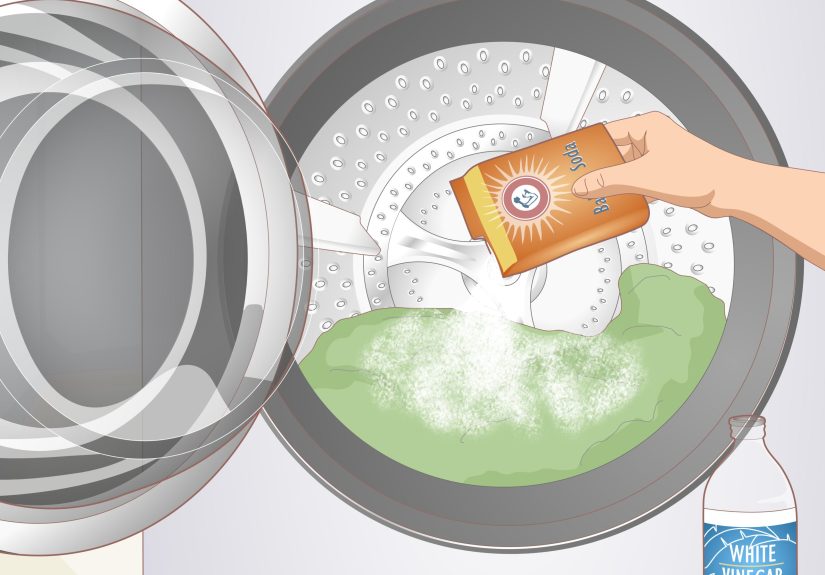
If your towels need a comeback tour, a residue-removal wash can help. A common approach is to wash the towels without detergent and use distilled white vinegar in the rinse cycle or in a separate wash, then follow with another wash if needed. This can help cut through leftover detergent, mineral film, and softener buildup.
Here is the important fine print: use vinegar occasionally, not recklessly. Some household-care experts still recommend it for towels, but some appliance experts warn against making vinegar a routine laundry habit because repeated exposure may be hard on certain machine parts over time. So think of vinegar as a targeted cleanup tool, not a permanent personality trait for your washer.
If your washer manual advises against vinegar, follow the manual. You can also look for machine-safe laundry rinse products designed to reduce odor and residue.
5. Wash Towels in Warm or Hot Water When the Care Label Allows
Towels collect body oils, skin cells, and moisture. Cold water is great for many garments, but towels often do better in warm or hot water, depending on the care label and fabric type. Warmer water can help remove oils and residue more effectively, which supports better absorbency over time.
Check the label first, especially for specialty towels, decorative trims, or delicate weaves. But for many everyday cotton bath towels, a warm or hot wash helps keep them cleaner and more functional.
6. Do Not Overload the Washer
Towels need space to move. If the drum is packed too tightly, water and detergent cannot circulate well, and the final rinse may not fully clear out the buildup. That means dirty towels, musty smells, and fibers that stay coated instead of refreshed.
Wash towels in a load size your machine can handle comfortably. They should tumble freely rather than form a soggy wall of cotton. Your washer is a machine, not a clown car.
7. Dry Smart, Not to a Crisp
Over-drying can make towel fibers feel rough and tired. On the flip side, under-drying can lead to mildew smells and a damp, swampy vibe that nobody asked for. The sweet spot is drying towels thoroughly but not scorching them.
Use low to medium heat if your dryer and care label allow it. Shake towels out before drying to help fluff the loops. Wool dryer balls can improve airflow and help towels dry more evenly without leaving the kind of coating that dryer sheets may leave behind.
If you line-dry towels, that is fine too, but some people find line-dried towels feel stiffer. A short tumble at low heat after air-drying can help soften them up. The trick is balance, not blast-furnace energy.
8. Address Hard Water If It Is Part of the Problem
Hard water can make towels feel stiff and less absorbent because minerals cling to the fibers and interfere with rinsing. If your towels come out rough no matter how careful you are with detergent, hard water may be the hidden troublemaker.
Possible solutions include using a laundry booster or water conditioner approved for your machine, installing a whole-home water softener, or doing an occasional residue-reset wash. You do not need to become a part-time chemist, but it helps to know whether your water is sabotaging your towels.
9. Clean Your Washing Machine
Sometimes the problem is not the towels. It is the washer. Residue from detergent and softener can build up inside the machine, especially in dispensers, front-load gaskets, and hidden corners that love moisture a little too much.
If your towels come out smelling off or never seem fully clean, run the washer-cleaning cycle if your machine has one, or follow the manufacturer’s cleaning instructions. A cleaner washer gives you cleaner towels, and cleaner towels are usually more absorbent towels.
10. Know When a Towel Is Just… Done
Even the best towel does not live forever. After years of washing, drying, bleaching, rubbing, and surviving whatever chaos your bathroom sees on a weekly basis, fibers can break down. When terry loops flatten, snag badly, or wear thin, absorbency may decline for good.
If a towel still feels useless after you have reduced detergent, skipped softener, washed it properly, and tried a residue reset, it may be time to demote it. Old towels make excellent cleaning rags, pet towels, gym backups, or emergency muddy-shoe responders. Retirement can still be honorable.
What Kind of Towel Is Most Absorbent?
If you are shopping for new towels, material and construction matter. Cotton is a strong choice for absorbency, especially long-staple cotton and Turkish or Egyptian cotton varieties. These fibers are often associated with softness, durability, and strong moisture absorption.
Towel weight matters too. Heavier towels with higher GSM (grams per square meter) are often plusher and more absorbent, though they can also take longer to dry. Lower- or medium-weight towels may dry faster and still perform beautifully, especially if they are woven to encourage airflow and quick drying.
The best towel for you depends on your preferences. Want spa vibes and do not mind longer drying time? Go thicker. Want something practical, fast-drying, and easier to wash often? A lighter, well-made cotton towel may be your soulmate.
A Simple Rescue Routine for Stubborn Towels
If your towels are deep in their “I used to have potential” era, try this simple routine:
Step 1: Sort the load
Wash towels separately from clothing. This reduces lint transfer, improves circulation, and helps towels get the kind of focused care they deserve.
Step 2: Use a reduced amount of detergent
Measure carefully. If you usually pour with confidence and zero math, this is the time to become precise.
Step 3: Skip softener
Do not add liquid fabric softener. Skip dryer sheets too.
Step 4: Run a warm or hot cycle if the label allows
This helps lift body oils and residue more effectively.
Step 5: Consider an occasional vinegar rinse or machine-safe residue remover
Use this only when needed and only if it aligns with your washer’s care guidance.
Step 6: Dry on lower heat with dryer balls
Shake towels first, dry thoroughly, and avoid over-baking them into crunchy rectangles.
For many households, this routine alone makes a clear difference after one or two wash cycles.
Mistakes That Secretly Ruin Towel Absorbency
- Using too much detergent because more soap feels more powerful.
- Using fabric softener every wash and wondering why water now fears your towel.
- Overstuffing the washer so towels cannot rinse properly.
- Leaving damp towels in a hamper or washer too long before drying.
- Over-drying on high heat until the fibers feel like toasted paper.
- Ignoring hard water when it is clearly part of the problem.
- Buying towels based only on how fluffy they feel in the store.
Quick FAQs
Can baking soda help make towels more absorbent?
It can help in some cases, especially when odor and residue are part of the issue. It is commonly used in home laundry routines, but it is best treated as an occasional helper rather than an every-load requirement.
Why do my towels feel soft but not absorbent?
That usually points to coating or buildup, often from softener, dryer sheets, or excess detergent. Soft does not always mean functional.
How often should I wash bath towels?
A common recommendation is every three to four uses, or more often if towels stay damp, smell musty, or are shared.
Do towels get more absorbent with washing?
New towels often do. Over time, though, poor laundry habits can reverse that progress. The goal is to wash enough to open and clean the fibers, but not in ways that coat or damage them.
Experience Section: What People Often Notice When They Finally Fix Their Towels
One of the most common experiences people describe is realizing that their “bad towels” were not actually bad towels at all. They were just over-laundered in the wrong way. A lot of households spend months blaming the brand, the cotton, or the age of the towel, only to discover that the real issue was detergent overkill. Once they cut back, skip the softener, and wash towels separately, the difference can be surprisingly fast. Towels that used to slide over wet skin suddenly start doing their job again. It is not dramatic in the Hollywood sense, but in the laundry-room sense, it is Oscar-worthy.
Another common experience shows up in homes with hard water. People notice their towels getting rougher and less useful even though they are following normal laundry habits. They may try changing brands, buying softer towels, or using more product, which usually makes the problem worse. Then they address the mineral issue, add a rinse strategy, or use less detergent, and the towels begin to feel more balanced. Not necessarily fluffy like a luxury hotel on day one, but far more absorbent and much less stiff. Sometimes the best laundry fix is not buying something prettier. It is understanding the water coming out of your wall.
There is also the classic “fabric softener betrayal” story. Someone uses it faithfully because the towels smell amazing and feel buttery in the dryer. Then one day they realize the towel looks beautiful, smells expensive, and cannot dry a spoon. Once they stop using softener for towel loads, the towels often feel a little less slick but work much better. This can take a wash or two, especially if there is heavy buildup, but the payoff is a towel that behaves like a towel instead of an actor playing one.
People who switch drying habits also notice a real change. High heat can make towels feel oddly crisp and tired, especially over time. But when they lower the heat, use dryer balls, and stop over-drying, the towels tend to come out more balanced: soft enough to feel good, dry enough to stay fresh, and absorbent enough to do the actual mission. It is a reminder that the fluffiest towel is not always the most functional one. Performance matters, especially when you are half-dressed and cold.
New-towel expectations create their own little drama too. Many people expect a fresh-from-the-package towel to perform like a five-star spa legend on first contact. Instead, it sheds lint, feels stiff, or seems weirdly non-absorbent. After a proper pre-wash, though, many new towels improve. This is one of those useful household lessons that makes you feel slightly more adult than you did yesterday.
And then there is the final experience almost everyone has eventually: accepting that one ancient towel is not coming back. Maybe it has been through hundreds of washes. Maybe it survived college, three apartments, one questionable roommate, and a period when all laundry decisions were made in a rush. At some point, even a well-loved towel deserves reassignment. When that happens, people often feel oddly relieved. The bathroom gets better, the drying experience improves, and the old towel starts a second career cleaning the car, helping with pet messes, or living quietly in the linen closet as the emergency backup nobody brags about but everyone secretly needs.
The overall lesson from these experiences is simple: towel absorbency is usually less about magic products and more about small habits. Use less detergent. Reduce residue. Wash with enough space. Dry with some restraint. Respect the care label. Keep the washer clean. Do those things consistently, and your towels have a much better chance of staying thirsty, useful, and pleasantly non-dramatic.
Final Takeaway
If you want more absorbent towels, focus less on making them smell like a perfume ad and more on keeping the fibers clean, open, and free of buildup. In most cases, the winning formula is straightforward: wash new towels first, use less detergent, skip or limit softener, avoid overloading the washer, dry gently, and troubleshoot hard water if needed. Do that, and your towels should get back to the noble work of actually drying you off. Revolutionary, I know.






