Table of Contents >> Show >> Hide
- Before You Touch the Rug, Check Amazon’s Return Method
- Step 1: Gather the Right Packing Supplies
- Step 2: Clean and Inspect the Rug Before Packing
- Step 3: Roll the Rug Carefully Instead of Folding It
- Step 4: Secure the Roll So It Does Not Unfurl Mid-Return
- Step 5: Wrap the Rug Against Dirt, Moisture, and Shipping Chaos
- Step 6: Choose the Best Outer Packaging for the Rug’s Size
- Step 7: Attach the Return Label Correctly and Drop It Off the Smart Way
- Common Mistakes to Avoid When Returning a Rug to Amazon
- What If the Rug Is Oversized or Missing the Original Packaging?
- Real-World Experiences: What People Learn the Hard Way When Returning a Rug
- Conclusion
Returning a rug to Amazon sounds simple until you are standing in your living room, staring at what is basically a decorative burrito the size of a kayak. Rugs are awkward. They curl, shed, trap dust, and somehow become twice as heavy the moment you decide to send them back. The good news? You do not need a warehouse, a forklift, or the patience of a saint. You just need a smart plan.
If you are wondering how to package a rug for return to Amazon, the goal is pretty straightforward: protect the rug, follow Amazon’s return instructions exactly, and keep the package neat enough that it does not look like it lost a fight with a tape gun. Done right, you reduce the chance of damage in transit, refund delays, or that deeply annoying “item not received in expected condition” headache.
This guide breaks the process into 7 easy steps, plus a few expert-level mistakes to avoid. Whether you are returning a small washable runner or a giant area rug that has taken over your hallway like a moody roommate, these steps will help you pack it safely and sensibly.
Before You Touch the Rug, Check Amazon’s Return Method
Here is the part many people skip: do not package anything until you read the return instructions in your Amazon account. Amazon sometimes offers box-free, label-free returns at partner drop-off locations. In those cases, the store may pack and label the item for you. If Amazon gives you a QR code and says the drop-off location will handle packaging, that is your cue to stop wrestling with cardboard and let someone else have the fun.
But if the return page tells you to print a label and mail the rug back, then yes, it is showtime. That is where the seven steps below matter most.
Step 1: Gather the Right Packing Supplies
Trying to return a rug with one grocery bag, three inches of old tape, and a positive attitude is a bold strategy. It is also not a good one. Start with the right materials:
- Heavy-duty packing tape
- Stretch wrap or thick plastic sheeting
- Twine, fabric ties, or packing straps
- A corrugated box, rug box, or sturdy shipping wrap
- Scissors or a box cutter
- The printed return label if Amazon requires one
- A copy of the return authorization, if provided
If you still have the original packaging, congratulations, you are already winning. Reusing the original rug bag, sleeve, or box can make the return much easier. If not, use a similar-sized box or protective outer wrap that keeps the rug secure without crushing it.
Step 2: Clean and Inspect the Rug Before Packing
This step is not about making the rug spa-ready. It is about returning it in a condition that makes sense.
Give the rug a quick once-over. Vacuum loose dirt, shake out crumbs, and make sure it is completely dry. Moisture is the enemy here. A damp rug sealed in plastic can turn into a science experiment by the time it reaches the return center.
Also inspect for:
- Pet hair
- Odors
- Stains or spills
- Torn edges or pulled threads
- Missing accessories, such as a rug pad or inserts
If your rug came with tags, bands, or folded inserts, include them when possible. Amazon returns generally go more smoothly when the item looks complete and cared for, not like it spent six months surviving a toddler and two Labradors.
Step 3: Roll the Rug Carefully Instead of Folding It
When it comes to rug packaging tips, this is the big one: roll the rug. Do not fold it unless the original packaging used folds and the rug’s construction clearly supports it. Folding can create hard creases, cracked backing, bent corners, or stress marks that make the rug look far worse than it really is.
How to roll it the smart way
- Lay the rug flat on a clean floor.
- Straighten the edges before you begin.
- Roll slowly and evenly from one short end to the other.
- Keep the roll snug, but do not crank it down like you are trying to compress memory foam into a sandwich bag.
For many area rugs, rolling is safer than folding because it helps preserve the shape and reduces stress on the fibers and backing. If your rug brand gave specific care instructions, follow those first. The main point is simple: avoid sharp bends and ugly creases.
Step 4: Secure the Roll So It Does Not Unfurl Mid-Return
Once the rug is rolled, keep it that way. A rug that springs open in transit becomes harder to handle, easier to damage, and much more likely to arrive looking like a failed cinnamon roll.
Use two to four ties depending on the length of the rug. Place them evenly across the roll. Fabric ties or soft straps are great because they hold the shape without biting into the pile. Tape can work too, but do not tape directly onto the rug surface unless there is a protective layer between the adhesive and the fibers.
At this stage, the rug should feel:
- Firm enough to hold its shape
- Not so tight that it bends the edges
- Easy enough to slide into outer wrapping
Step 5: Wrap the Rug Against Dirt, Moisture, and Shipping Chaos
Now it is time to create a protective barrier. Use stretch wrap, thick plastic sheeting, or a heavy plastic bag to cover the rolled rug. Wrap the middle first, then the ends. Secure the plastic with packing tape.
Your mission here is to protect the rug from:
- Dust and grime
- Water exposure
- Tears during handling
- That mysterious warehouse dirt that appears on literally everything
If the rug is delicate, expensive, or loosely woven, add a soft inner layer first, such as kraft paper or clean packing paper, before the plastic wrap. That extra layer can help reduce friction and scuffing during transit.
Pay extra attention to the ends of the roll. Those are the most likely spots to get bumped, scraped, or split open.
Step 6: Choose the Best Outer Packaging for the Rug’s Size
This is where many Amazon rug returns go wrong. People wrap the rug in plastic, slap on a label, and hope for the best. That might work for a tiny mat. It is much riskier for an area rug.
Best option: a corrugated box
If you can fit the rug into a sturdy corrugated box, do it. Carriers generally prefer rolled goods to have strong outer protection. A proper box helps prevent tearing, protects the surface, and gives you a flat place for the return label.
Good backup option: reinforced wrapped package
If the rug is too large for a standard box, use heavy plastic wrap plus an extra outer layer of corrugated cardboard around the middle and ends. Tape everything securely. The package should look deliberate and stable, not like a last-minute hostage negotiation with packing supplies.
Fill empty space if needed
If the rug shifts around inside the box, add packing paper or cushioning so it does not slide from end to end. Less movement means less friction, less edge damage, and fewer unpleasant surprises later.
Also remove or cover any old labels, barcodes, or shipping stickers on reused packaging. Confusing the scanner is not a personality trait your package needs.
Step 7: Attach the Return Label Correctly and Drop It Off the Smart Way
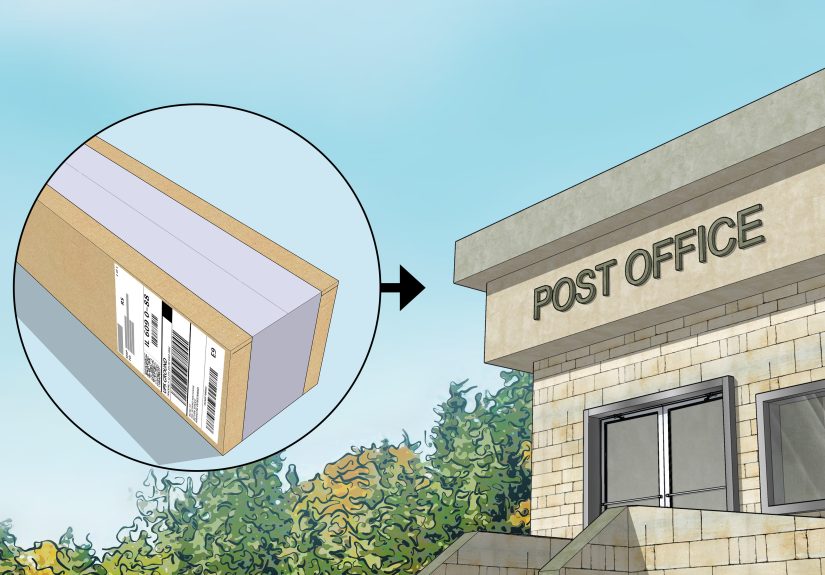
Once the rug is packed, print and attach the return label if Amazon requires one. Place it on the largest flat surface of the package. Make sure the barcode is visible, smooth, and not wrapped over an edge or seam.
Then:
- Put any return authorization paperwork inside the package if instructed.
- Keep a photo of the packed rug before drop-off.
- Save the drop-off receipt or tracking confirmation.
- Track the return until Amazon marks it received.
If you are using UPS, USPS, or another carrier listed by Amazon, follow the exact drop-off method shown in your account. If Amazon offered a QR-code drop-off at a partner location, bring the code and the rug as instructed. If Amazon told you to mail it, use the label and follow the carrier route provided.
Common Mistakes to Avoid When Returning a Rug to Amazon
Even a simple Amazon rug return can turn messy if you skip the basics. Avoid these classic mistakes:
- Folding the rug when rolling would have been safer
- Packing it while damp
- Using weak trash bags that tear during transit
- Placing the label on a curved or wrinkled area
- Leaving old barcodes visible
- Assuming every return is box-free
- Forgetting accessories like pads, bands, or inserts
If you want your refund without drama, do not improvise the parts Amazon already spelled out on the return page.
What If the Rug Is Oversized or Missing the Original Packaging?
If your rug is extra large, heavy, or no longer has its original sleeve, do not panic. You still have options.
For an oversized Amazon return, focus on two things: shape control and surface protection. A tightly rolled rug wrapped in heavy plastic and reinforced with cardboard is usually better than a loose roll covered in hope. If you cannot find a rug-sized box, check shipping stores for telescoping boxes, large moving boxes, or custom packing help.
No original packaging? That is not ideal, but it is not the end of civilization. Use a clean, similarly sized box or create strong outer protection with corrugated cardboard and tape. The goal is not to make it look brand-new. The goal is to make it look secure, organized, and return-ready.
Real-World Experiences: What People Learn the Hard Way When Returning a Rug
In real life, returning a rug to Amazon is rarely difficult because the steps are complicated. It is difficult because rugs are bulky, awkward, and way more physical than people expect. A throw pillow return feels like a coffee break. A rug return feels like a mild fitness challenge.
One common experience is that shoppers underestimate the size of the rug once it is off the floor. A 5′ x 7′ rug may look manageable when it is lying flat under a coffee table, but the moment you roll it up, it suddenly becomes a chunky cylinder that refuses to fit into your car trunk the way you imagined. People often discover this five minutes before leaving for a drop-off, which is a fun time to question every life choice that led there.
Another frequent lesson is that original packaging matters more than expected. Many customers toss the plastic sleeve or end caps the day the rug arrives because, in the moment, that feels like healthy adult behavior. Then the rug turns out to be the wrong color, the wrong texture, or about three feet too large for the room, and suddenly that packaging feels like a missed inheritance. Without it, the return is still possible, but it takes more tape, more wrapping, and more creativity than most people planned for.
People also learn that rugs can hold onto more dust, lint, and pet hair than seems scientifically reasonable. A rug may look clean while it is in place, but once you roll it, every speck of fuzz becomes visible. This is why a quick vacuum and inspection make such a difference. Returns look smoother when the rug appears cared for rather than rescued from a garage band rehearsal space.
There is also the classic QR code misunderstanding. Some customers assume every Amazon return works the same way, only to discover that one item is eligible for a no-box drop-off while another requires a printed label and full packaging. That confusion can lead to wasted trips, especially with large items like rugs. The people who have the easiest experience are usually the ones who stop first, read the exact return method, and then pack accordingly instead of guessing.
Finally, many shoppers discover that the hardest part is not the return itself, but handling the rug without damaging it on the way out. Dragging it downstairs, stuffing it into a too-small vehicle, or taping directly onto the fibers can create more wear than the original issue ever did. The best returns tend to come from a calm, boring process: inspect it, roll it evenly, protect it well, label it clearly, and keep the receipt. Glamorous? Not even slightly. Effective? Absolutely.
That is the real secret behind how to package a rug for return to Amazon: do not treat it like a random household item. Treat it like a large textile that needs shape, support, and a little respect. Your refund will thank you.
Conclusion
Packaging a rug for return to Amazon is not complicated once you stop thinking of it as “just another return.” Rugs are oversized, flexible, and easy to crease, which means they need a little more strategy than smaller items. Read Amazon’s return method first, roll the rug instead of folding it, wrap it well, use sturdy outer protection, label it clearly, and save your receipt.
That is really it. Seven steps, a bit of tape, and just enough patience to avoid turning your return into a home-improvement side quest.