Table of Contents >> Show >> Hide
- Why Container Gardening Is So Popular
- What You Need Before You Start
- Step 1: Pick the Right Spot Before You Pick the Plants
- Step 2: Choose a Container That Fits the Plant, Not Just the Aesthetic
- Step 3: Use Potting Mix, Not Garden Soil
- Step 4: Arrange the Plants Before You Plant Anything
- Step 5: Plant at the Right Depth and Water Thoroughly
- Step 6: Keep the Container Garden Alive with Smart Watering and Feeding
- Best Plants for a Beginner Container Garden
- Common Container Gardening Mistakes to Avoid
- Experience Section: What Planting a Container Garden Feels Like in Real Life
- Conclusion
- SEO Tags
If you have a patio, porch, balcony, stoop, windowsill, or one lonely sunny corner that has been silently begging for personality, a container garden is your answer. It is one of the easiest ways to start gardening without digging up the yard, borrowing a rototiller, or making lifelong enemies with tree roots. Better yet, container gardening works for flowers, herbs, vegetables, and mixed plantings, which means you can grow something beautiful, useful, or delicious in the same square footage normally occupied by a welcome mat.
The trick is knowing how to plant a container garden the right way from the start. A lot of beginner frustration comes from a few preventable mistakes: choosing a pot with poor drainage, stuffing it with backyard soil, mixing plants that want completely different conditions, and then wondering why one plant looks thrilled while the other looks like it is writing its will. The good news is that once you understand a few basics, planting a container garden becomes pleasantly simple.
Here is the straightforward version: pick the right location, choose the right container, use a quality potting mix, group plants with similar needs, plant correctly, and keep up with watering and feeding. That is it. No secret handshake. No mystical gardening fog. Just six practical steps that make your container garden look better and last longer.
Why Container Gardening Is So Popular
Container gardening is a favorite for beginners because it offers flexibility and control. You can move pots around to chase the sun, protect tender plants, or redesign your space without touching a shovel. It also works well in small spaces and makes it easier to grow herbs, flowers, and compact vegetables close to the house where you will actually remember to care for them. In other words, container gardening sets you up for success instead of expecting you to become a backyard wizard overnight.
It also lets you match plants to your lifestyle. Want a kitchen herb pot near the back door? Done. Want a dramatic front-porch planter with height, color, and trailing vines? Also done. Want tomatoes without dedicating a whole garden bed to them? Container gardening says, “Absolutely, and please pass the cage.”
What You Need Before You Start
- A container with drainage holes
- High-quality potting mix made for containers
- Healthy plants, seedlings, or seeds
- Slow-release or water-soluble fertilizer
- A watering can or hose with a gentle setting
- Optional: mulch, plant supports, saucers, and a rolling plant caddy
Now let’s get into the six steps that make the whole thing work.
Step 1: Pick the Right Spot Before You Pick the Plants
This is where a lot of container gardening dreams either bloom gloriously or turn into a crispy little cautionary tale. Start by figuring out how much sun your space gets. Most flowering annuals, herbs, tomatoes, peppers, and other fruiting vegetables want full sun, which usually means at least six hours of direct light a day. Some leafy greens and shade-loving ornamentals can tolerate less.
Do not guess based on vibes alone. Watch the area for a day or two. Morning sun, afternoon sun, deep shade, reflected heat from a wall, and strong wind all matter. A blazing south-facing balcony may be wonderful for sun-loving plants, but it can also dry out pots at record speed. Meanwhile, a covered porch may be perfect for ferns, coleus, or impatiens, but not so great for a tomato that dreams of July and marinara.
Also think about access to water. Container plants dry out faster than plants in the ground, so placing your pots somewhere you can water easily will save you time and possibly your sanity. If a pot is too far away, it somehow becomes invisible until the basil starts fainting dramatically.
Step 2: Choose a Container That Fits the Plant, Not Just the Aesthetic
Yes, the pot should look good. But the container’s job is not just to match your patio furniture and earn compliments from passing neighbors. It has to support healthy roots.
First rule: drainage holes are non-negotiable. If water cannot escape, roots sit in soggy soil, oxygen disappears, and rot moves in like it pays rent. If you fall in love with a decorative pot that has no drainage, either drill holes in it or use it as an outer cachepot with a properly draining nursery pot inside.
Second rule: size matters. A tiny container may look cute for about five minutes, but it dries out fast and limits root growth. Match the pot to the plant’s mature size, not the adorable little seedling you brought home. Herbs and lettuce can grow in smaller pots, while tomatoes, peppers, eggplant, and squash need much more room. Many popular container vegetables do best in larger pots, and tomatoes and peppers often perform well in containers around five gallons.
Material matters too. Terra-cotta looks classic, but unglazed clay dries out quickly, especially in full sun. Plastic and glazed pots hold moisture longer. Dark-colored containers can also heat up more in sunny conditions, which can stress roots. If your site is hot and sunny, a lighter-colored or less porous container may save you from watering every 11 minutes.
Step 3: Use Potting Mix, Not Garden Soil
This is the step that separates a thriving container garden from a pot full of regret. Do not scoop dirt from your yard and dump it into a planter. Garden soil compacts in containers, drains poorly, and can carry pests, diseases, or weed seeds. It is great in the ground. In a pot, it behaves more like an overpacked suitcase.
Instead, use a high-quality potting mix made for containers. Good potting mix is lightweight, airy, and designed to hold enough moisture while still draining well. Many mixes include ingredients that keep the texture loose and help roots get both water and oxygen. That balance is the sweet spot.
And while we are busting myths, do not add a layer of rocks or gravel to the bottom of the pot “for drainage.” It sounds clever, but it does not improve drainage and can actually make water problems worse. If you want to keep potting mix from washing out, use a piece of mesh, screen, or a shard over the drainage hole without blocking water flow.
When filling the container, leave a couple of inches between the soil line and the rim. That empty space is not wasted. It gives you room to water deeply without sending a muddy waterfall over the edge and onto your shoes.
Step 4: Arrange the Plants Before You Plant Anything
Think of this as the dry run that prevents you from digging the same hole three times while muttering things not fit for a gardening column. Set your plants on top of the potting mix or arrange them nearby before planting so you can experiment with spacing, color, height, and balance.
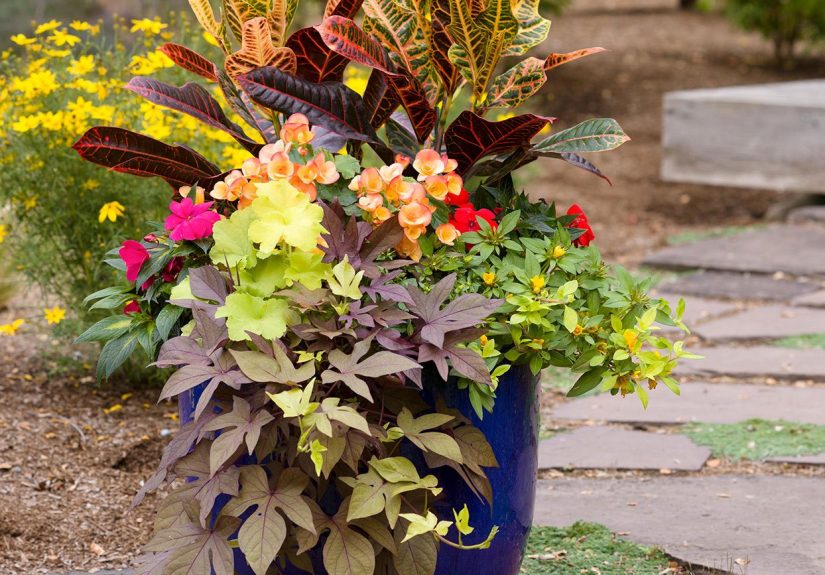
If you are designing a decorative flower container, the classic “thriller, filler, spiller” approach works beautifully. The thriller is the tall, eye-catching plant that gives height. The filler adds body in the middle. The spiller trails over the edge and softens the container. It sounds theatrical because it is theatrical, and that is part of the fun.
If you are planting edibles, focus on compatibility instead of drama. Group plants with similar light and water needs. Basil and parsley can be happy together, while basil and drought-tolerant sage may disagree about moisture like siblings on a road trip. Mint deserves its own container unless you enjoy watching it attempt world domination. For vegetables, compact tomatoes, peppers, lettuce, radishes, and parsley are great beginner choices. You can even use vertical space by placing climbing plants near a railing or trellis.
Do not overcrowd. Young plants look small, but they are not planning to stay that way. Give roots and foliage enough space to mature without turning your planter into a leafy traffic jam.
Step 5: Plant at the Right Depth and Water Thoroughly
Once your layout looks good, it is time to plant. Gently remove each plant from its nursery pot. If roots are circling tightly, loosen them a bit with your fingers. That encourages them to grow outward into the new pot instead of continuing to orbit like confused satellites.
Set each plant so the top of its root ball sits slightly below the rim of the container. In most cases, you want to plant at the same depth the plant was growing in its nursery pot. Backfill with potting mix, firm it lightly around the roots, and resist the urge to mash it down like you are compacting a driveway.
Then water thoroughly. Not a polite sprinkle. A real watering. Soak the container until water runs from the drainage holes. This settles the soil around the roots and helps eliminate dry pockets. If the soil shrinks away from the edge of the pot later in the season, water slowly and repeatedly to rehydrate it fully.
If you are using a support like a tomato cage or trellis, install it at planting time. Waiting until the plant is bigger usually means wrestling stems, stabbing roots, and apologizing to the plant while pretending it understands.
Step 6: Keep the Container Garden Alive with Smart Watering and Feeding
Planting is the easy part. The real secret to container gardening success is what happens next. Because containers hold less soil than in-ground beds, they dry out faster and lose nutrients faster. That means watering and fertilizing matter more.
Check moisture often by sticking your finger into the soil. Most container plants prefer evenly moist soil, not bone-dry and not swampy. In hot weather, some containers may need water every day, and smaller pots may need it even more often. Water deeply so moisture reaches the full root zone. Quick, shallow splashes train roots to stay near the surface, which is not especially helpful when the weather gets tough.
Fertilizer also matters because repeated watering leaches nutrients out of the pot. Some mixes include fertilizer that lasts several weeks, but eventually you will need to feed. A slow-release fertilizer is easy for beginners, and a water-soluble fertilizer can help when plants need a boost. Follow the label carefully. More fertilizer is not more love. More fertilizer is sometimes just a faster route to burned roots and disappointment.
Keep up with light maintenance too. Deadhead faded flowers, trim leggy growth, harvest herbs regularly, and watch for yellowing leaves, pests, or drooping. Small issues are easier to fix when they are caught early.
Best Plants for a Beginner Container Garden
Flowers
Petunias, calibrachoa, coleus, geraniums, marigolds, sweet potato vine, and begonias are all dependable options, depending on the light. These plants offer long color, easy maintenance, and plenty of design flexibility.
Herbs
Basil, parsley, chives, thyme, oregano, and rosemary are popular container herbs. Just remember that not all herbs want the same moisture level. Match thirsty herbs with other thirsty herbs, and keep aggressive spreaders like mint in a pot of their own.
Vegetables
Lettuce, radishes, green onions, bush beans, peppers, patio tomatoes, and compact cucumbers are excellent choices for container gardening for beginners. If space is tight, mix quick-growing greens around slower, larger plants to make the most of the container.
Common Container Gardening Mistakes to Avoid
- Using a pot without drainage holes
- Filling containers with yard soil instead of potting mix
- Adding rocks to the bottom of the pot
- Choosing a container that is too small
- Mixing sun lovers with shade lovers
- Grouping plants with very different water needs
- Letting containers dry out completely over and over
- Forgetting to fertilize after the first few weeks
Avoid those mistakes, and you are already gardening smarter than a huge percentage of beginners who learned the hard way. Which, to be fair, is how many of us learned everything from cooking rice to buying throw pillows.
Experience Section: What Planting a Container Garden Feels Like in Real Life
In real life, planting a container garden is rarely a perfect magazine moment where everyone wears spotless linen and somehow never gets potting mix under their fingernails. It usually starts with optimism, a cart full of plants, and the strange confidence that one container will be enough. It will not be enough. One pot becomes three. Three becomes a little herb collection. Then suddenly you are giving your parsley pep talks and referring to a tomato as “our tomato,” even if you live alone.
The first experience most beginners have is surprise at how much better a planter looks once the pot matches the plant’s needs. A too-small container feels manageable in the store, but once summer heat arrives, it becomes a high-maintenance diva. A larger pot, by contrast, gives roots room to stretch, holds moisture longer, and generally behaves like a more reasonable life choice. This is one of those lessons people tend to learn after trying to keep a thirsty plant alive in something the size of a cereal bowl.
Another common experience is discovering that location matters more than expected. A pot that looked adorable in one corner may fail simply because the light was wrong. Moving it six feet can completely change the outcome. Container gardening teaches you to observe. You notice how the morning sun lands, where the afternoon heat bounces off brick, and which spot stays too windy for tender stems. Over time, you start seeing your outdoor space less like a static backdrop and more like a collection of little climates.
Watering is also where the real relationship begins. New gardeners often assume a set-it-and-forget-it routine will work, but containers reward attention. You learn the feel of dry soil, the weight of a pot that needs water, and the subtle look of a plant that is asking for help before it flops like a Victorian heroine. At the same time, you learn restraint. Overwatering is just as real as underwatering, and the goal becomes consistency, not panic.
There is also something deeply satisfying about harvesting from a container garden, even when the harvest is modest. Snipping basil for dinner from a pot by the back door feels absurdly luxurious. Pulling a few radishes or spotting your first ripening patio tomato delivers the kind of excitement that makes you text people photos they did not ask for but probably should have expected. A container garden turns everyday routines into tiny victories.
Perhaps the best part of the experience is that it builds confidence quickly. You do not need a big yard or years of experience to succeed. You just need a pot, decent soil, the right plant in the right place, and a willingness to keep learning. Every container teaches you something. One shows you that mint is a menace. Another proves that full sun is not the same thing as furnace-level reflected heat. Another rewards you so generously that you start eyeing every empty corner of your home as a possible garden site. That is how container gardening gets you: one successful pot at a time.
Conclusion
If you want an easy, flexible, beginner-friendly way to grow flowers, herbs, or vegetables, container gardening is hard to beat. Start with the right location, choose a container with drainage, fill it with quality potting mix, group compatible plants, plant carefully, and stay on top of watering and feeding. Follow those six steps, and your container garden will have a much better chance of thriving instead of merely surviving. And once that first pot takes off, do not be surprised if you immediately start planning the next one. That is not a lack of self-control. That is gardening.