Table of Contents >> Show >> Hide
- What Are Ramps, Exactly?
- The Big Secret to Growing Ramps
- Where to Plant Ramps
- Seed vs. Bulbs: Which Should You Plant?
- How to Plant Ramp Seeds
- How to Plant Ramp Bulbs (or Bare-Root Plants)
- Care and Maintenance: Keeping a Ramp Bed Happy
- How Long Until You Can Harvest?
- How to Harvest Ramps Without Wrecking Your Patch
- Propagating and Expanding Your Ramp Patch
- Container Growing: Yes, It’s Possible (With a Few Caveats)
- Troubleshooting: When Your Ramps “Do Nothing”
- Quick Recipe Note: Why Grow Ramps at All?
- Experience Notes: What Ramp Growers Learn the Hard Way (About )
- Conclusion
Ramps (also called wild leeks, Allium tricoccum) are the woodland celebrities of spring: part onion, part garlic,
and 100% “wait… you grew these in your yard?” They’re also famously slow-growing, which is exactly why learning to
cultivate ramps at home mattersboth for reliable harvests and to reduce pressure on wild patches.
This guide walks you through ramp biology, site selection, planting ramps from seed vs. bulbs, and how to care for a ramp bed for the long haul.
Expect practical steps, realistic timelines, and a few friendly reminders that ramps are more “forest roommate” than “row-crop employee.”
What Are Ramps, Exactly?
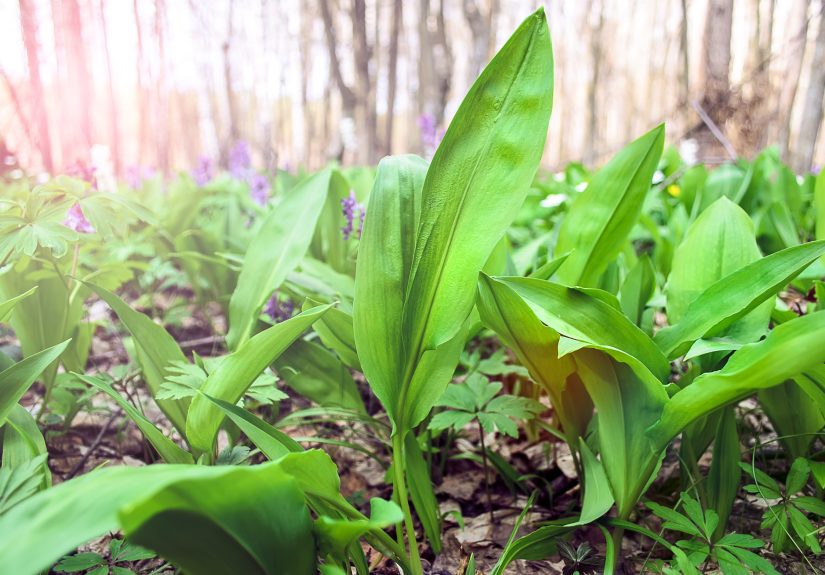
Ramps are a native woodland allium from eastern North America. They’re a spring ephemeral, meaning they leaf out early
(before the tree canopy closes), then disappear aboveground when summer heat ramps up. That “now you see me, now you don’t” habit is normal
don’t panic and start a missing-plant investigation.
In early spring, ramps send up broad, tender leaves. After the leaves die back, a flower stalk emerges in summer and develops seed later in the season.
If you’re growing ramps for the kitchen, the leaves and bulbs are both edible, and many growers choose a leaf-only harvest to keep plants alive.
The Big Secret to Growing Ramps
Here it is: ramps want you to mimic a deciduous forest floor. That means:
- Shade or dappled light (especially summer shade)
- Moist, humus-rich soil that never bakes bone-dry
- A thick, leafy mulch (the good “crumbly forest blanket” kind)
- Patience measured in years, not weekends
If you can grow hostas, ferns, or woodland wildflowers successfully, you’re already speaking ramp-language.
Where to Plant Ramps
Pick the Right Light
Ramps thrive in full to partial shade. In nature, they enjoy bright early spring light and then summer shade under deciduous trees.
In a yard, look for a north- or east-facing area, the shaded side of a house, or beneath maples, hickories, birches, beeches, or oaks.
Soil: Think “Leaf-Lasagna,” Not “Potting Mix Only”
Your goal is soil that’s rich in organic matter, loose, and consistently moist. Ramps naturally grow in soils built from years of decomposing
leavesso your best “fertilizer” is often leaf mold or composted hardwood leaves.
Aim for a pH that’s near neutral to slightly acidic (roughly the 6 to low-7 range works for many gardeners). If you’re unsure,
a simple soil test can guide you. Don’t overcorrectramps don’t need a chemistry experiment; they need a forest vibe.
Moisture: The “Goldilocks” Rule
Ramps like moisture, but they don’t want swamp conditions. Keep soil evenly moist through the year, especially in dry spells. If your site
turns dusty by midsummer, plan to mulch heavily and water occasionally even when ramps are dormant underground.
Seed vs. Bulbs: Which Should You Plant?
Growing Ramps from Seed
Seeds are usually cheaper and can build a big patch over time, but they’re slow. Ramp seed germination can take a year or more, and plants
may take 5–10 years to reach real harvest size, depending on conditions. This isn’t a flawthis is ramps being ramps.
Planting Bulbs (or Bare-Root Plants)
Bulbs cost more, but they shorten the wait. With good-sized bulbs and good care, you might be harvesting lightly in a few years instead of
explaining to your grandkids why you started a “leafy time capsule.”
How to Plant Ramp Seeds
Timing
The simplest method is to sow ramp seeds in fall. Outdoor fall sowing lets nature handle the dormancy cycle, which ramps require.
Spring sowing can work too, but typically needs careful stratification and still demands patience.
Seed Dormancy (Why Ramps Take Forever)
Ramp seeds have a dormancy pattern that generally involves a warm, moist period followed by a cold, moist period before you see a seedling.
In real-life terms: they like to “sleep” through at least one full seasonal cycle before showing you any gratitude.
Step-by-Step: Fall Sowing Outdoors
- Prep the bed: Rake aside the leaf layer, loosen the top inch or two of soil, and mix in leaf mold or compost.
- Sow shallow: Plant seeds about 1/8 to 1/4 inch deep. Think “barely tucked in,” not “buried treasure.”
- Space sensibly: If you can, drop seeds a few inches apart. (You can thin latereventually.)
- Mulch: Cover with leaf litter (or 1–2 inches of shredded hardwood leaves). This is insulation and moisture management in one.
- Water: Moisten the bed after planting and keep it from drying out during prolonged dry stretches.
Optional: Indoor Stratification for Spring Planting
Some gardeners speed up or improve germination by packing seeds in moist vermiculite in a sealed bag for a couple months at room temperature,
then refrigerating for a couple more months before sowing in spring. This tries to mimic seasonal signals indoors.
Even with careful stratification, don’t expect instant results. Mark the bed wellfuture-you will forget exactly where you planted those “invisible onions.”
How to Plant Ramp Bulbs (or Bare-Root Plants)
Timing
Plant bulbs in early spring (late winter into early spring in many regions) or in fall while soil is still workable.
Spring planting is common because bulbs arrive from suppliers around that time.
Step-by-Step: Bulb Planting
- Clear and loosen: Scrape away the leaf layer and gently loosen soil where each bulb will go.
- Plant depth: Set bulbs about 2–3 inches deep, with the tip just at or barely below the soil line (depending on bulb size).
- Spacing: Space bulbs about 4–6 inches apart. Closer spacing creates a colony look sooner, but don’t cram them like sardines.
- Re-cover and mulch: Replace leaf litter and add 2–3 inches of shredded or composted hardwood leaves.
- Water in: Water thoroughly after planting and keep soil moist as bulbs establish.
If you’re transplanting divisions from a legal, cultivated source, keep the root system intact, and plant at the same depth the bulbs were growing before.
Care and Maintenance: Keeping a Ramp Bed Happy
Mulch Like You Mean It
Hardwood leaf mulch is ramp gold. It holds moisture, slowly feeds the bed as it breaks down, and buffers temperature swings. Avoid heavy,
resinous mulches that don’t mimic a forest floor. Top up the leaf layer each fall.
Watering
A good ramp bed stays evenly moist. In dry weeks, aim for about an inch (or a bit more) of water weekly, but don’t keep soil soggy.
Drip irrigation can be a low-drama way to maintain moisture without washing away mulch.
Weeding (The Un-glamorous Truth)
Weeds can outcompete young ramps, especially before the colony thickens. Weed gentlyramps have bulbs, and bulbs hate surprise eviction notices.
Mulch helps reduce weed seed germination.
Fertilizer: Mostly Optional
If your soil is rich in decomposed organic matter, you may not need fertilizer. Some ramp habitats are associated with higher calcium soils;
gardeners sometimes add gypsum based on soil test results. The safest approach: build soil with leaves and compost first, then adjust only if needed.
Pests and Problems
Ramps aren’t usually a pest magnet, but they can face leaf diseases like leaf spot in some regions, and wildlife may browse them.
The best “treatment” is strong plant health: correct site, good airflow, and avoiding stressed (dry) conditions.
How Long Until You Can Harvest?
Ramps are not a fast food. Realistic timelines:
- From seed: germination may take 12–18+ months; meaningful harvest often takes 5–7+ years.
- From bulbs/bare-root plants: you might harvest lightly in 3–5 years, depending on bulb size and growing conditions.
If you’re growing ramps mainly for leaves, you can sometimes begin very light leaf harvesting earlier than bulb harvestbut don’t rush.
Those leaves are the plant’s solar panels.
How to Harvest Ramps Without Wrecking Your Patch
Whether your ramps are cultivated or wild, harvest gently and sparingly. A common approach is to harvest only a small portion of a patch
in a given year (think 5–15% max, depending on patch size and method), and to prioritize leaf-only harvest where possible.
Leaf-Only Harvest (A Favorite for Sustainability)
Snip one leaf from a two-leaf plant (or one to two leaves from a larger plant) early in the season, leaving enough leaf area for photosynthesis.
This method supports regrowth and keeps bulbs in the ground to strengthen the colony.
Bulb Harvest (Do This Later, Not Early)
Wait until the patch is well established and you have plenty of mature plants. When you do harvest bulbs, loosen soil with a hand tool and lift carefully
to avoid damaging neighboring bulbs. Many experienced growers use rotation: harvest one section while leaving others untouched for years.
Propagating and Expanding Your Ramp Patch
Let Them Self-Sow
If your ramps flower and set seed, you can let them self-sow right where they are. Seed often ripens in late summer into early fall.
That’s one reason it’s smart to leave some plants unharvested each year.
Collect and Replant Seed
You can collect ripe black seeds (when seed heads are ready) and sow them in prepared woodland beds in fall. Label the area and keep it moist.
This is slow, but it’s the best way to build a large patch ethically.
Divide Clumps
In fall, you can lift a clump from a cultivated bed and split it into smaller sections, then replant those sections to expand your patch.
Handle gentlyramps prefer not to be manhandled.
Container Growing: Yes, It’s Possible (With a Few Caveats)
If you don’t have woodland conditions, a deep container in full shade can work. Use a rich, well-draining soil amended heavily with leaf mold,
and keep moisture consistent. Mulch the surface with shredded leaves. The biggest challenge in pots is drying outcontainers don’t forgive neglect.
Troubleshooting: When Your Ramps “Do Nothing”
“I planted seeds last year and nothing came up.”
Totally normal. Ramp seed dormancy can push germination into the next year (or beyond). Keep the bed moist, keep the mulch, and keep the faith.
“Leaves appeared, then vanished. Did they die?”
Probably not. Ramps are spring ephemeralsleaf dieback is part of the life cycle. Don’t dig them up “to check.” That’s how you turn ramps into regret.
“My bed dries out in summer.”
Add more leaf mulch, consider drip irrigation, and look for a cooler microclimate (north-facing shade, under deciduous canopy).
Moisture stability is one of the biggest success factors.
Quick Recipe Note: Why Grow Ramps at All?
Because they’re wildly good: sautéed ramp leaves, ramp butter, ramp pesto, roasted bulbsramps bring a garlicky-onion punch that screams “spring.”
Plus, growing your own makes you the rare person who can enjoy ramps without feeling like you’re pickpocketing the forest.
Experience Notes: What Ramp Growers Learn the Hard Way (About )
If you ask a group of ramp growers what the process feels like, you’ll hear the same theme over and over: ramps train you to think in seasons,
then years. The first “lesson” is psychological. Many gardeners are used to seeds that sprout in days and perennials that show up like clockwork.
Ramp seeds, on the other hand, are masters of suspense. People often assume they failed, replant the same spot with something else, and thentwo springs later
tiny ramp seedlings appear right on schedule… under a new groundcover they now have to carefully remove. The practical takeaway: label your ramp bed like it’s a
treasure map and don’t double-book the space.
Another common experience is discovering how much ramps care about summer moisture, even when they’re not visible. New growers sometimes stop watering
because “the plants are gone,” only to weaken bulbs underground. Seasoned growers talk about ramps as a year-round soil project: keep that leaf mulch thick,
add composted leaves in fall, and protect the bed from turning into dusty concrete in July. In practice, the best ramp beds feel cool and slightly springy underfoot,
the way a forest path does. If your bed feels hot and hard, ramps are probably silently judging you.
Weed control is also a repeated “I didn’t expect this” moment. In the early yearswhen ramps are still smallfast weeds can steal light and nutrients
before ramps even get going in spring. Growers often learn to weed in short sessions right when ramps emerge, because waiting a few weeks can turn the bed
into a jungle. The trick is gentle weeding: ramps are bulbs, and tugging aggressively can lift them. Many people eventually settle into a routine of:
leaf mulch, hand-pulling small weeds early, and letting the ramp colony thicken until it naturally suppresses competition.
There’s also the “harvest temptation” problem. Ramps smell amazing, and once you have a patch, it’s easy to want to pull a bunch and celebrate.
Experienced growers tend to recommend a ritual of restraint: harvest a few leaves for cooking, then step away. The reason is simplethose leaves are the plant’s
energy factory. People who overharvest leaves too early often notice the patch stalls: fewer flowers, fewer seedlings, smaller bulbs. The growers who end up with
a thriving colony usually follow a long-game strategy: rotate harvest areas, leave many plants untouched to flower and seed, and treat bulbs like a special occasion,
not a weekly grocery.
Finally, growers often say the most satisfying part isn’t just eating rampsit’s watching a real colony establish. When ramps are happy, the patch
slowly becomes its own little ecosystem, with rich soil, consistent moisture, and companion woodland plants sharing space. It’s less like “growing an onion”
and more like building a tiny forest floor that happens to be delicious. If you’re the kind of person who enjoys slow projects that pay off for years,
ramps might be your perfect plant.
Conclusion
Learning how to plant and grow ramps is an exercise in matching nature instead of fighting it. Choose a shady, moisture-stable site, build a deep leaf-mulched soil,
and decide whether you’re starting with seed (cheaper, slower) or bulbs (faster, pricier). Then do the most important gardening task of all:
waitwhile keeping the bed mulched, moist, and gently weeded.
The reward is a resilient, low-maintenance spring perennial crop that returns year after yearand a ramp patch you can feel good about.

![18 Best Types of Charts and Graphs for Data Visualization [+ How to Choose]](https://corkopencoffee.org/wp-content/uploads/2026/05/18-best-types-of-charts-and-graphs-for-data-visualization-how-to-choose-qKM1PBYG-thumb.jpg)