Table of Contents >> Show >> Hide
- Step 1: Understand What Causes Rust
- Step 2: Keep Iron Clean and Dry
- Step 3: Remove Rust Early Instead of Waiting for a Full-Blown Metal Crisis
- Step 4: Prime Bare Iron Before Painting
- Step 5: Add a Durable Topcoat or Protective Finish
- Step 6: Repair Scratches, Chips, and Worn Areas Right Away
- Step 7: Use Oil, Wax, or Lubricant on Unpainted Iron
- Step 8: Control the Storage Environment
- Step 9: Choose Better Materials for Tough Conditions
- Step 10: Use Galvanizing or Cathodic Protection for High-Risk Situations
- Common Rust Prevention Mistakes to Avoid
- Final Thoughts
- Practical Experiences With Preventing Rust on Iron
- SEO Tags
Iron is strong, useful, affordable, and unfortunately a little dramatic. Give it oxygen, water, and enough time, and it starts dressing itself in flaky orange-brown rust like it is preparing for a role in a post-apocalyptic movie. The good news is that rust prevention is not mysterious. In most cases, it comes down to a simple idea: keep moisture and corrosive contaminants away from the metal, and protect the surface before rust gets a chance to move in like an unwanted roommate.
If you want to know how to prevent rusting of iron, you do not need a chemistry degree or a garage full of industrial equipment. You need a smart routine. Whether you are protecting garden tools, railings, outdoor furniture, machine parts, fasteners, gates, or decorative ironwork, the same principles apply. Clean the surface, keep it dry, coat it well, and fix damage fast.
This guide breaks the process into 10 practical steps, with real-world examples and straightforward advice. Some steps are perfect for DIY projects. Others are more advanced and better suited to high-risk situations like coastal properties, buried metal, or water-exposed systems. Together, they create a solid plan for keeping iron rust-free longer.
Step 1: Understand What Causes Rust
Before you fight rust, it helps to know what you are up against. Rust forms when iron reacts with oxygen and moisture. That means water is the usual troublemaker, but it is not working alone. Humidity, rain, dew, condensation, salty air, road salt, fertilizer residue, and grime can all speed things up.
Think of rust prevention like crime prevention for metal. If you remove the conditions that make rust easy, you make the surface far less likely to corrode. That is why rust prevention is never just about one miracle spray. It is a system that includes cleaning, drying, storage, coatings, and maintenance.
Step 2: Keep Iron Clean and Dry
This is the most basic step, and it is also the one people skip most often. Dirt, mud, dust, grass clippings, and salt deposits trap moisture against the metal. Even worse, they hide tiny wet spots that quietly start corrosion. If you use iron tools or have outdoor iron features, wipe them down after exposure to water, soil, or debris.
Drying matters more than many people realize. A shovel leaning in the yard after a rainy afternoon, a cast-iron table left wet overnight, or a bike stored damp in a garage can all start developing surface rust surprisingly fast. A dry rag, a few extra seconds, and a covered storage space can save you a lot of future sanding.
Practical example
If you use garden tools, brush off soil after each use, dry the metal completely, and store the tools under cover. Do not leave them resting directly on a damp garage floor. That floor may look innocent, but it is often quietly holding moisture like a grudge.
Step 3: Remove Rust Early Instead of Waiting for a Full-Blown Metal Crisis
If rust has already started, do not panic. But do not ignore it either. Light rust is much easier to deal with than deep scaling or pitting. The moment you notice orange spots, rough patches, bubbling paint, or flaky edges, clean the area and remove the corrosion before it spreads.
For small spots, a wire brush, sandpaper, or steel wool may be enough. For heavier rust, use a rust remover or rust converter designed for metal. The goal is not to make the surface glamorous. The goal is to get rid of unstable corrosion and create a solid base for protection.
Early action matters because rust tends to keep going once the protective surface is broken. Waiting usually means more labor later, more material loss, and a repair bill with a bad attitude.
Step 4: Prime Bare Iron Before Painting
If you are painting iron, do not skip primer unless you enjoy redoing work. A proper metal primer helps the coating bond to the surface and adds another protective layer between the iron and the environment. On bare or previously rusted iron, that extra layer is a big deal.
Use a rust-inhibiting primer made for ferrous metal. If the surface was rusty, choose a primer intended for rusty metal or one that pairs with a rust converter. If the iron is clean and bare, use a primer designed for clean metal. Either way, follow the product instructions for prep and drying time. Rust prevention rewards patience and punishes shortcuts.
Why primer matters
Paint gives color and surface protection, but primer improves adhesion and helps block moisture. Without it, paint is more likely to chip, peel, or fail early. And once the coating fails, rust usually makes its grand entrance.
Step 5: Add a Durable Topcoat or Protective Finish
Once the primer is down, follow with a durable topcoat. For outdoor iron, choose a coating rated for exterior exposure. For high-wear pieces, look for enamel or another tough protective finish. Thin, careless paint jobs are not much better than wishful thinking, so apply even coats and allow proper drying time between layers.
If you do not want to paint the metal, use a clear rust inhibitor, light oil, paste wax, or another moisture-resistant protective film. This approach is especially useful for tools, machine parts, hardware, and decorative items where you want to preserve the look of the metal.
The right finish depends on the object. A wrought-iron fence may need primer plus exterior paint. A hand plane may do better with oil or wax. A decorative indoor iron piece may only need a thin protective coating and dry storage. Match the protection to the job.
Step 6: Repair Scratches, Chips, and Worn Areas Right Away
Here is where many rust problems begin. The paint looked fine last year. Then a scratch happened. Then a chip. Then “I’ll fix it later.” Then rust arrived with luggage.
Any break in the coating gives water and oxygen a direct route to the iron. That is why touch-ups are such a big part of long-term corrosion prevention. Inspect outdoor iron periodically, especially after winter, storms, or heavy use. If you find chipped paint, sand the damaged area, prime it if needed, and repaint it promptly.
This step is especially important for railings, gates, patio furniture, metal doors, tools, ladders, and hardware near pools or coastal areas. Small damage never stays charming for long.
Step 7: Use Oil, Wax, or Lubricant on Unpainted Iron
Not every piece of iron should be painted. Tools, hinges, cutting edges, shop fixtures, and machine parts often perform better with a thin protective film instead. In those cases, use light machine oil, a water-displacing product, paste wax, or a rust-inhibiting spray.
These products work by creating a barrier that helps block moisture from reaching the metal. They are especially useful after cleaning, washing, or sharpening. If you clean a saw, pruner, or iron blade with a water-based product, dry it thoroughly and re-oil it before storage.
Good uses for this method
Garden tools, workshop tools, carbon steel blades, garage hardware, clamps, exposed fasteners in protected indoor spaces, and vintage iron pieces all benefit from regular light oiling or waxing. Just remember that these coatings wear off and need reapplication.
Step 8: Control the Storage Environment
If iron lives in a damp environment, rust prevention gets much harder. Basements, sheds, garages, barns, and storage units can hold a surprising amount of humidity. Condensation is another common culprit, especially when temperatures swing.
Store iron in a clean, dry, well-ventilated place. Keep items off concrete floors if possible. Use wall hooks, shelves, pegboards, or racks. In enclosed storage, consider moisture control tools such as desiccants, silica gel, or a dehumidifier. For valuable items, even small improvements in humidity control can make a noticeable difference.
If you live near the ocean or in a region with frequent rain and muggy summers, this step matters even more. Salt and moisture can speed corrosion dramatically, so storage becomes part of the protection system, not an afterthought.
Step 9: Choose Better Materials for Tough Conditions
Sometimes the smartest rust prevention strategy is not to fight the environment with the same old material. If an item will live outdoors year-round, sit near saltwater, touch wet soil, or face frequent washing, consider using galvanized steel, stainless steel, or another corrosion-resistant option instead of plain iron.
Galvanized steel is coated with zinc, which adds barrier protection and also helps protect the steel sacrificially if the surface gets scratched. Stainless steel uses chromium to form a passive surface layer that resists corrosion better than ordinary iron or carbon steel. In plain English, these materials are better at surviving tough conditions without turning orange.
This does not mean you need to replace everything in your life with stainless hardware tomorrow. It does mean that for outdoor screws, fasteners, brackets, fencing, planters, railings, and replacement parts, smarter material choices can save maintenance time later.
Step 10: Use Galvanizing or Cathodic Protection for High-Risk Situations
For ordinary household items, primer, paint, oil, and dry storage go a long way. But for severe environments, stronger protection methods may be worth it. Galvanizing is one of the best-known options. It coats steel with zinc, helping shield the surface and protect exposed spots if the coating is nicked.
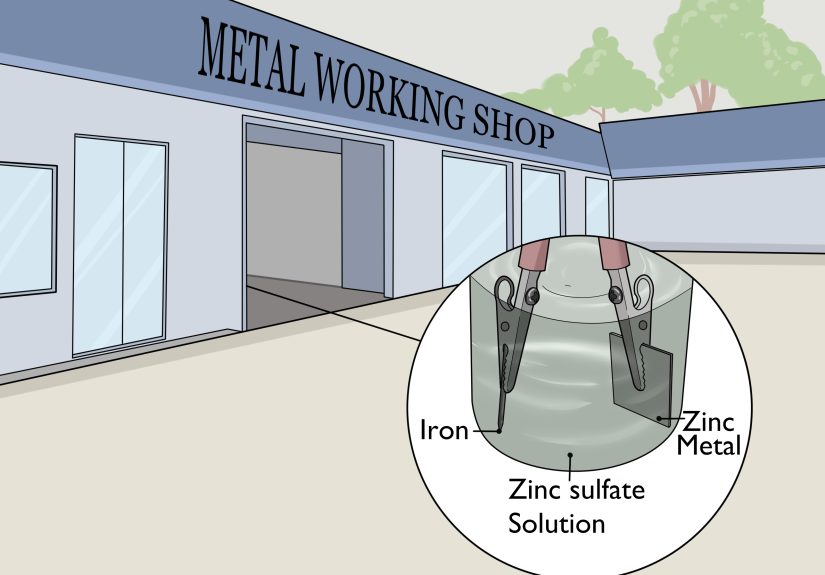
Cathodic protection is more advanced. It is commonly used for buried pipelines, tanks, marine equipment, docks, water systems, and other structures where iron or steel stays in contact with soil or water. The method uses electrical current or sacrificial anodes so another metal corrodes instead of the protected iron. This is not usually a DIY weekend project, but it is a powerful solution in the right setting.
If your iron is constantly exposed to wet conditions, salt, or underground contact, it may be time to think beyond a paint can and talk to a professional about long-term corrosion control.
Common Rust Prevention Mistakes to Avoid
Even good intentions can go sideways. One common mistake is painting over dirt, grease, or loose rust and hoping for the best. Another is using the wrong coating for the surface or environment. A third is forgetting maintenance after the initial project is done.
People also get in trouble by storing tools wet, leaving iron directly on damp concrete, ignoring tiny scratches, or assuming “indoor” automatically means “dry.” It does not. Garages and sheds can be moisture factories in disguise.
Finally, avoid overly aggressive cleaning on delicate or valuable iron pieces. Sometimes the smartest approach is gentle cleaning, drying, and protection rather than grinding the daylights out of the surface.
Final Thoughts
Learning how to prevent rusting of iron is really about building habits. Clean it. Dry it. Coat it. Store it well. Repair damage early. Upgrade materials when the environment is harsh. That is the formula.
If you follow these 10 steps, iron can last far longer and look much better while doing it. Rust may be persistent, but it is not unbeatable. You just have to be slightly more stubborn than the oxidation.
Practical Experiences With Preventing Rust on Iron
In real life, rust prevention usually becomes important the moment someone loses time or money to it. A homeowner notices the bottom of a patio chair turning rough and orange after one wet season. A gardener grabs a shovel in spring and finds the blade coated with surface rust because it spent the winter leaning against a damp shed wall. A DIYer repaints a metal gate without priming it first, only to watch small bubbles appear under the paint a few months later. These experiences all point to the same lesson: rust does not need dramatic neglect. It only needs small repeated opportunities.
One of the most common experiences is with garden tools. People often wash them, set them aside “just for today,” and forget them until next weekend. By then, trapped moisture and soil residue have already started the process. The difference between rusty tools and clean tools is often less than five minutes of care. Brushing off dirt, drying the metal, and adding a light coat of oil feels minor in the moment, but over a year it changes everything. Tools stay smoother, cut better, and do not leave rusty streaks on your hands or storage shelves.
Outdoor furniture tells a similar story. Iron benches, tables, and railings often look perfectly fine until a tiny chip opens in the paint. Then rainwater gets into that weak spot, the finish starts lifting, and rust begins spreading under the coating. Many people first notice the problem when they see discoloration around a joint or along the bottom edge of a leg. The practical takeaway is simple: touch-ups are not cosmetic fussing. They are preventive maintenance. A small repair in April can prevent a bigger restoration project in September.
Garage storage creates another real-world lesson. Many people assume that because a tool is indoors, it is protected. But garages and sheds can stay humid, especially in warm climates or during seasonal temperature swings. Metal items stored on concrete floors often rust faster because they sit near lingering moisture. Once people start hanging tools on a wall, using shelves, or adding a dehumidifier, the improvement is obvious. Rust slows down, surfaces stay cleaner, and maintenance gets easier.
There is also a noticeable difference when people switch from plain iron hardware to galvanized or stainless replacements in harsh spots. Outdoor screws, brackets, and fasteners near sprinklers, coastal air, or garden beds usually reveal the truth quickly. Better material choices may cost more upfront, but they often save repeat repairs and frustration later. In practice, that tradeoff is usually worth it.
What these experiences show is that rust prevention works best as a routine, not a rescue mission. Once rust becomes severe, every fix takes longer. But when people stay ahead of it with cleaning, drying, coating, and occasional inspection, iron stays useful and attractive for years. That is the real secret. Not magic. Not fancy chemistry. Just consistent, smart care before rust gets comfortable.
SEO Tags
Note: This is body-only HTML in standard American English, ready for copying into a web page editor. Unnecessary citation artifacts and placeholder source markers have been excluded.