Table of Contents >> Show >> Hide
- Why kidney function testing matters
- The 9 steps to test kidney function
- Step 1: Figure out whether you should be tested now
- Step 2: Start with a blood test for serum creatinine and eGFR
- Step 3: Add a urine albumin-to-creatinine ratio, or uACR
- Step 4: Do a standard urinalysis if the story is incomplete
- Step 5: Understand the role of BUN and other blood chemistry tests
- Step 6: Ask whether cystatin C could make the picture clearer
- Step 7: Consider a 24-hour urine test or creatinine clearance when needed
- Step 8: Use imaging tests if structure may be part of the problem
- Step 9: Repeat abnormal tests and ask when a kidney biopsy is necessary
- How to make sense of your kidney test results
- Common mistakes people make when testing kidney function
- What real-life kidney testing often feels like: patient experiences and practical takeaways
- Final thoughts
- SEO Tags
Your kidneys are overachievers. They filter waste, balance fluids, help regulate blood pressure, and quietly do their thing without demanding applause. The problem is that kidney disease can be sneaky. You can lose a meaningful amount of kidney function before your body sends up fireworks. That is why learning how to test kidney function matters. Not in a dramatic, doom-scroll way, but in a practical, grown-up, “let’s check the dashboard before the engine light explodes” way.
If you have diabetes, high blood pressure, heart disease, a family history of kidney disease, obesity, or you smoke, kidney testing is especially important. It also matters if you have swelling, foamy urine, blood in your urine, fatigue, or changes in urination. The good news is that kidney function testing is usually straightforward. In many cases, it begins with one blood test and one urine test. The even better news is that catching a problem early gives you more room to protect kidney health.
This guide walks you through the nine smartest steps for kidney function testing, what the results usually mean, and what often happens next.
Why kidney function testing matters
Kidney testing is not just about finding severe disease. It is also about detecting early warning signs before major damage happens. Doctors do not rely on symptoms alone because early kidney disease often causes none. Instead, they look for clues in your blood and urine, then use follow-up testing if the picture is fuzzy.
The headline idea is simple: one test helps show how well your kidneys filter blood, and another checks whether protein is leaking into urine. Those two numbers do a lot of heavy lifting. Then, depending on your situation, doctors may add urinalysis, blood urea nitrogen, cystatin C, imaging, or even a kidney biopsy.
The 9 steps to test kidney function
Step 1: Figure out whether you should be tested now
You do not need to wait for your kidneys to send a formal invitation. If you have diabetes or high blood pressure, regular kidney testing is often part of routine care. The same goes for people with cardiovascular disease, a family history of kidney disease, older age, smoking, or obesity. These factors raise the odds of kidney damage, and the kidneys are not known for writing polite warning notes.
You should also ask about testing if you notice swelling in the legs or around the eyes, frequent nighttime urination, foamy urine, blood in the urine, persistent fatigue, nausea, or hard-to-control blood pressure. None of these symptoms automatically means kidney disease, but they do make kidney testing a sensible next move.
Step 2: Start with a blood test for serum creatinine and eGFR
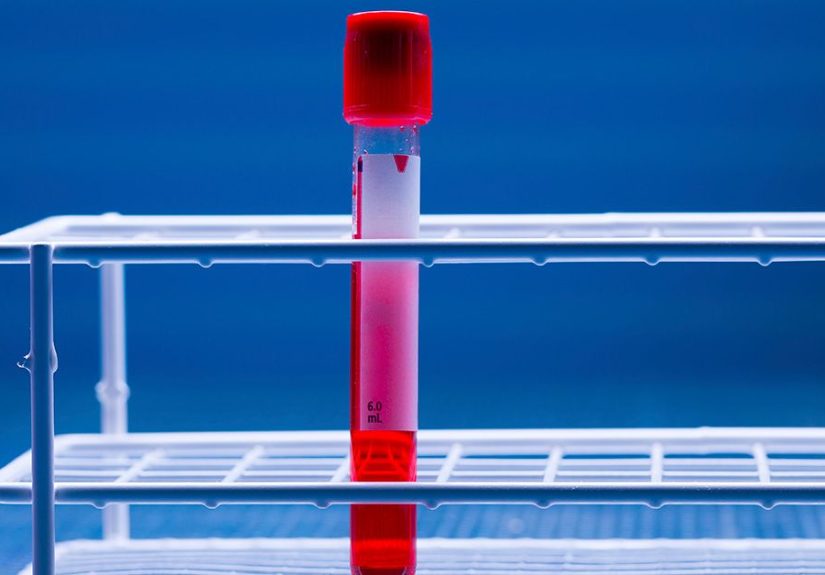
If kidney testing had a lead actor, this would be it. A blood test measures serum creatinine, a waste product your muscles make. Your lab then uses that result to estimate your eGFR, or estimated glomerular filtration rate. In plain English, eGFR estimates how well your kidneys are filtering waste from your blood.
Generally, a higher eGFR is better. An eGFR below 60 may suggest kidney disease, especially if it stays low over time. That said, one result does not tell the whole story. Age, muscle mass, diet, hydration, and temporary illness can influence creatinine-based estimates. So if you get a strange result, do not leap straight to panic. Save the dramatic music for something that deserves it, like assembling furniture with missing screws.
This is also why doctors look at trends. A result from today is useful. A pattern across several months is better.
Step 3: Add a urine albumin-to-creatinine ratio, or uACR
The second big test is the urine albumin-to-creatinine ratio, often called uACR. This checks whether albumin, a protein that should mostly stay in your blood, is leaking into your urine. When albumin shows up in urine, it can be an early sign of kidney damage, even if your eGFR still looks normal.
This test matters because kidneys can be injured before their filtering rate drops. In other words, your kidneys can look “fine-ish” on one number while quietly waving a tiny red flag on another. That is why doctors often use eGFR and uACR together rather than choosing one over the other.
One more wrinkle: albumin can rise temporarily after intense exercise, fever, infection, or other short-term issues. So an abnormal result may need to be repeated rather than treated like the final verdict from a courtroom drama.
Step 4: Do a standard urinalysis if the story is incomplete
A urinalysis is a broader urine check that can look for blood, protein, white blood cells, crystals, glucose, and other clues. Think of it as the supporting cast that sometimes steals the show. While uACR is more targeted for albumin, a urinalysis can help reveal whether something else is going on, such as infection, inflammation, kidney stones, or glomerular disease.
If your urine is visibly red, brown, cloudy, or unusually foamy, a urinalysis is especially helpful. It is not just a “nice extra.” It can point your doctor toward the underlying cause of kidney trouble rather than simply confirming that something is off.
Step 5: Understand the role of BUN and other blood chemistry tests
Doctors often order a BUN test, which stands for blood urea nitrogen, along with creatinine. Urea is another waste product the kidneys help clear. A high BUN can suggest reduced kidney function, but it is not specific. Dehydration, a high-protein diet, certain medications, and bleeding in the digestive tract can also push it up.
That is why BUN is useful, but not the star of the show. It is one piece of the puzzle, not the whole jigsaw box. Many providers also review electrolytes, bicarbonate, glucose, calcium, and other chemistry values in a metabolic panel, because kidney problems often affect more than just one lab line.
The lesson here is simple: do not obsess over a single isolated number. Kidney evaluation works best when your doctor interprets several results together.
Step 6: Ask whether cystatin C could make the picture clearer
Sometimes a creatinine-based eGFR is not the cleanest measure. Maybe you are very muscular, very thin, older, or have a body composition that makes creatinine less reliable. In those cases, a cystatin C blood test may help. Cystatin C is another marker that can be used to estimate kidney function, and in some people it gives a more accurate read.
This is not a first-line test for everyone, but it can be helpful when results are borderline or confusing. Think of it as the “let’s double-check that” option. If your doctor says your kidney numbers are not entirely clear, asking about cystatin C is a reasonable, informed follow-up question.
Step 7: Consider a 24-hour urine test or creatinine clearance when needed
Most people do not need to carry around a giant urine jug for a full day, and that is excellent news for public morale. Still, in certain cases, a 24-hour urine collection or creatinine clearance test can help. These tests may be used when a provider wants a more detailed look at kidney filtration or protein loss.
They are less convenient than a spot urine test, but they can provide useful extra data. Your doctor may order them if the regular tests do not match your symptoms, if a kidney disorder is suspected, or if more precision is needed for treatment decisions.
If you do one of these tests, follow the collection instructions carefully. Missing samples or collecting at the wrong times can turn a useful test into a science fair project gone sideways.
Step 8: Use imaging tests if structure may be part of the problem
Blood and urine tell doctors how your kidneys are performing. Imaging tests show what your kidneys look like. An ultrasound is common because it can reveal kidney size, shape, cysts, blockages, swelling, or stones. In some situations, CT or MRI may be used too.
Imaging is especially helpful when doctors suspect structural issues, obstruction, repeated infections, inherited disorders like polycystic kidney disease, or unexplained changes in kidney function. If lab tests say, “Something is not right,” imaging may answer, “And here is where the trouble lives.”
Not everyone with abnormal labs needs imaging right away, but it becomes more likely when the cause is unclear or when symptoms suggest a physical blockage or abnormal anatomy.
Step 9: Repeat abnormal tests and ask when a kidney biopsy is necessary
Here is one of the most important truths in kidney care: one abnormal test does not always equal chronic kidney disease. Doctors usually look for persistence over time. If eGFR stays low or albumin stays elevated for three months or more, that is more concerning than a one-time blip after dehydration, illness, or intense exercise.
In some cases, especially when the cause of kidney damage is unclear, protein levels are high, or kidney function is declining quickly, a kidney biopsy may be recommended. During a biopsy, a tiny sample of kidney tissue is taken and examined under a microscope. This helps identify the exact type of kidney disease and can guide treatment.
A biopsy is not routine screening. It is a targeted tool used when your doctor needs more than clues and wants an answer with a last name, a first name, and probably a middle initial.
How to make sense of your kidney test results
Kidney test results are most useful when you read them as a team, not as solo performers. A person may have a normal eGFR but abnormal urine albumin, which can still signal kidney damage. Another person may have a lowish eGFR that reflects age or body composition and needs confirmation before anyone labels it chronic disease.
In general, you want to ask your clinician four practical questions:
- What does my eGFR suggest right now?
- Do I have albumin or other abnormal findings in my urine?
- Should these tests be repeated, and when?
- What is the most likely cause if something is abnormal?
That last question matters a lot. Kidney disease is not one single illness. It can be related to diabetes, high blood pressure, autoimmune disease, medication effects, inherited conditions, blockages, or glomerular disorders. Testing kidney function is not just about finding a problem. It is about figuring out which problem you have.
Common mistakes people make when testing kidney function
The first mistake is assuming no symptoms means no problem. Early kidney disease often stays quiet.
The second is fixating on creatinine alone. Creatinine matters, but it works best when paired with eGFR and urine testing.
The third is ignoring repeat testing. Temporary changes happen. Kidney disease is often defined by what persists, not what pops up once and disappears.
The fourth is forgetting the context. Medications, dehydration, supplements, exercise, infections, and chronic conditions can all influence results. Your provider needs the full story, not just the lab printout.
What real-life kidney testing often feels like: patient experiences and practical takeaways
For many people, kidney function testing starts in an almost boring way. They go in for a routine physical, maybe because their blood pressure has been rude lately or their diabetes follow-up is due, and the doctor orders blood and urine tests. Nobody arrives expecting their kidneys to become the topic of the day. Then a portal message appears: “Please repeat labs.” Suddenly, the kidneys have entered the group chat.
One common experience is confusion over numbers. People see creatinine flagged high or eGFR flagged low and assume catastrophe. In reality, the next conversation often sounds more measured. The clinician asks whether the person was dehydrated, recently sick, exercising heavily, or taking certain medications. A repeat test gets ordered. The emotional lesson is that abnormal does not always mean permanent. The medical lesson is that trends matter more than one weird Tuesday.
Another very real experience involves urine testing, which sounds simple until someone has to produce a sample on command in a medical office with fluorescent lighting and exactly zero inspiring decor. A urine albumin test may come back elevated, and then the provider explains that exercise, infection, fever, or other short-term issues can affect it. So the patient repeats the test. Sometimes the second result is normal and everyone exhales. Sometimes it stays abnormal, and that becomes the clue that pushes the workup forward.
People with diabetes often describe kidney testing as part of the regular maintenance schedule of life. It becomes one of those “check the tires, change the oil, do not ignore the dashboard” routines. At first that can feel annoying, but many patients later say the repetition is reassuring. It means kidney damage can be caught earlier, while there is still time to protect function through blood pressure control, blood sugar management, medication review, and lifestyle changes.
Then there are the patients who get imaging. They may have blood in the urine, recurrent kidney stones, or a sudden drop in kidney function. An ultrasound can feel like a relief because it adds a visual answer to a pile of abstract lab values. Instead of hearing “something is off,” they hear, “Here is the stone,” or “Here is the swelling,” or “Your kidneys look normal structurally, so let’s focus elsewhere.” That kind of clarity matters.
For a smaller group, the journey gets more intense. Kidney biopsy enters the conversation when the cause is unclear or the disease seems to be progressing quickly. People often feel anxious about the procedure, which is understandable. But many also report that having a more precise diagnosis was worth the stress because treatment finally became specific rather than guess-based.
The biggest shared experience, though, is this: kidney testing is usually less dramatic than people fear and more useful than they expect. It is a process, not a single magic answer. The people who do best are often the ones who keep asking smart questions, repeat tests when advised, and treat kidney numbers as useful information rather than a personality test from the universe.
Final thoughts
If you want the simplest version of how to test kidney function, here it is: start with a blood test for serum creatinine and eGFR, add a urine albumin-to-creatinine ratio, and follow up with additional urine tests, blood chemistry, cystatin C, imaging, or biopsy only when the situation calls for it. That combination helps catch kidney problems earlier, clarify causes, and separate temporary noise from real disease.
Your kidneys do a lot of quiet work. The least we can do is occasionally return the favor and check in on them.