Table of Contents >> Show >> Hide
- Why Lips Get Sunburned So Easily
- Common Symptoms of Sunburned Lips
- How To Treat Sunburned Lips at Home
- What Not To Put on Sunburned Lips
- How Long Do Sunburned Lips Take To Heal?
- When To See a Doctor for Sunburned Lips
- How To Prevent Sunburned Lips Next Time
- Best Foods and Drinks While Lips Heal
- Can Sunburned Lips Trigger Cold Sores?
- Simple Sunburned Lips Care Routine
- Real-Life Experiences: What Sunburned Lips Teach You the Hard Way
- Conclusion
Sunburned lips are proof that the sun has a sneaky sense of humor. You remembered sunscreen on your nose, shoulders, arms, maybe even the tops of your ears like a responsible beach-going citizen. Then, hours later, your lips feel tight, swollen, tender, and dramatic enough to audition for a soap opera. The truth is simple: lips burn easily, and when they do, they can be painfully annoying.
The good news? Most cases of sunburned lips can be treated at home with cool compresses, gentle moisture, hydration, and a little patience. The less fun news? Lips are also a common place for sun damage, especially the lower lip, so treating the burn is only half the mission. The other half is making sure your lips do not become repeat customers at the UV damage department.
This guide explains how to treat sunburned lips safely, what to avoid, when to call a healthcare provider, and how to prevent another crispy-lip episode in the future.
Why Lips Get Sunburned So Easily
Your lips are not built like the rest of your skin. They are thinner, more delicate, and have less natural pigment protection. They also do not have oil glands the way many other areas of skin do, which means they dry out faster. Add sunlight, wind, salt water, chlorine, sweat, and the occasional “I forgot SPF lip balm again” moment, and your lips can go from soft to scorched surprisingly quickly.
The lower lip is especially vulnerable because it sticks out more and catches more sunlight. That is why many sun-related lip problems, including chronic dryness and precancerous changes, often show up there first. In simple terms: your lower lip is standing in the sun wearing no hat.
Common Symptoms of Sunburned Lips
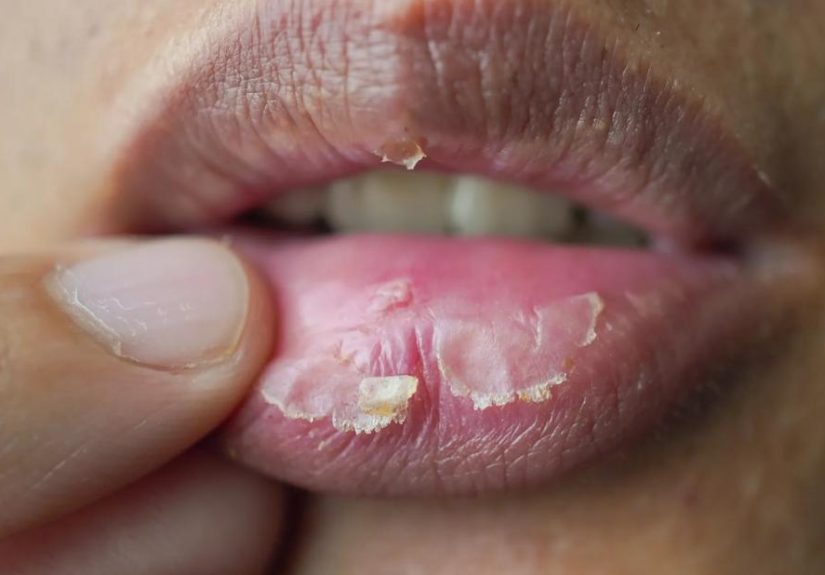
Sunburned lips can feel different from regular chapped lips. Chapped lips are usually dry, cracked, and irritated. Sunburned lips may feel hot, swollen, tender, or tight. They can also peel after a few days as damaged skin sheds.
Signs Your Lips May Be Sunburned
- Redness or a darker-than-usual color on the lips
- Tenderness, burning, stinging, or throbbing
- Swelling, especially on the lower lip
- Dryness, tightness, cracking, or peeling
- Small blisters in more serious cases
- Pain when eating spicy, salty, acidic, or hot foods
Symptoms often appear within a few hours after sun exposure and may peak within the first day. Peeling usually arrives later, like an unwanted guest who brings confetti made of your own skin.
How To Treat Sunburned Lips at Home
The goal is to cool the burn, calm inflammation, protect the damaged skin, and avoid anything that slows healing. Your lips do not need a complicated 12-step beauty routine. They need gentle care and fewer experiments.
1. Get Out of the Sun Immediately
The first treatment for sunburned lips is shade. If your lips feel burned, stop the exposure as soon as possible. Move indoors, sit under shade, or wear a wide-brimmed hat. Continuing to stay in direct sun can make the burn worse and increase swelling, pain, and peeling.
If you must go outside while your lips are healing, protect them with an SPF 30 or higher lip balm and physical shade. A hat is not glamorous medical technology, but it works.
2. Use a Cool Compress
A cool compress is one of the fastest ways to soothe sunburned lips. Wet a clean washcloth with cool water, wring it out, and hold it gently against your lips for 10 to 15 minutes. Repeat several times a day as needed.
Do not use ice directly on your lips. Ice can irritate already damaged skin and may make tenderness worse. Cool is helpful. Frozen-lizard-level cold is not.
3. Apply a Gentle Moisturizing Balm
After cooling your lips, apply a simple, non-irritating moisturizer. Plain petroleum jelly or a bland fragrance-free lip balm can help create a protective barrier and reduce dryness. Aloe vera gel may also feel soothing, as long as it is pure and does not contain alcohol, fragrance, or menthol.
Look for lip products with simple ingredients. Your lips are injured, so this is not the time for cinnamon plumping gloss, peppermint tingle balm, or anything that promises “extreme cooling.” If a product burns when you apply it, your lips are politely asking you to stop.
4. Drink Extra Water
Sunburn can pull fluid toward the skin’s surface, and outdoor heat often comes with sweating. Drinking extra water helps support healing and reduces dehydration risk. You do not need to turn yourself into a walking water tank, but you should sip regularly throughout the day.
Water-rich foods can help too. Think watermelon, oranges, cucumbers, soups, smoothies, or anything gentle that does not sting your lips. Avoid very salty snacks if they make your lips burn. Chips may be delicious, but sunburned lips hear “salt” and file a complaint.
5. Take an Over-the-Counter Pain Reliever If Needed
If your lips are painful or swollen, an over-the-counter pain reliever such as ibuprofen or acetaminophen may help. Always follow the label directions and avoid taking medicines that are not safe for you because of allergies, medical conditions, age, or other medications.
For teens and children, a parent or caregiver should help check the correct medicine and dose. When in doubt, ask a pharmacist or healthcare professional.
6. Leave Blisters Alone
If your lips blister, do not pop the blisters. Blisters act like tiny natural bandages. They protect the injured skin underneath and reduce infection risk. Popping them can delay healing and create an opening for bacteria.
If a blister breaks on its own, keep the area clean and avoid picking at loose skin. Apply a thin layer of plain petroleum jelly to protect the area. If you notice pus, spreading redness, increasing warmth, worsening swelling, or fever, contact a healthcare provider.
7. Be Gentle With Peeling Skin
Peeling is part of the healing process. It is tempting to tug at flaky skin, especially when it looks like your lips are trying to molt. Resist. Picking can cause cracks, bleeding, and slower healing.
Instead, keep your lips moisturized and let the damaged skin shed naturally. If flakes are hanging loose, soften them with a damp cloth and balm rather than scraping. Your lips are not a DIY sanding project.
What Not To Put on Sunburned Lips
When lips hurt, people often reach for anything that seems soothing. Unfortunately, some products can make sunburned lips worse. The safest plan is simple: cool water, gentle balm, hydration, and sun protection.
Avoid These Irritants
- Alcohol-based gels or sprays
- Fragranced lip balms
- Menthol, camphor, eucalyptus, or peppermint products
- Cinnamon-flavored or “plumping” lip products
- Harsh exfoliating scrubs
- Shiny gloss without SPF before going outdoors
- Toothpaste residue left on the lips
- Very spicy, acidic, or salty foods while lips are raw
Also avoid applying body sunscreen directly to your lips unless the product label says it is suitable for that area. A dedicated SPF lip balm is easier to use and less likely to taste like regret.
How Long Do Sunburned Lips Take To Heal?
Mild sunburned lips often improve within three to five days. More uncomfortable burns, especially those with swelling or peeling, may take about a week. Blistering burns can take longer and should be watched carefully for signs of infection.
Healing time depends on how severe the burn is, how much you protect your lips afterward, and whether you keep irritating them. If you keep licking, picking, eating spicy foods, and going back into direct sun, your lips may take longer to recover. Lips are forgiving, but they are not magicians.
When To See a Doctor for Sunburned Lips
Most mild lip sunburns can be managed at home. However, some symptoms deserve medical attention. Call a healthcare provider if your lips are severely swollen, very painful, blistered over a large area, or not improving after several days of home care.
Get Medical Help If You Notice:
- Fever, chills, dizziness, confusion, or feeling very unwell
- Severe blistering or swelling
- Pus, red streaking, worsening warmth, or signs of infection
- Difficulty drinking fluids
- Burns inside the mouth
- A sore, rough patch, white patch, or scaly area that does not heal
- Repeated lip burns or chronic lower-lip dryness
Persistent roughness, scaling, color change, or a non-healing spot on the lip should be checked. Long-term UV exposure can contribute to actinic cheilitis, a sun-damaged condition that commonly affects the lower lip and may need treatment from a dermatologist.
How To Prevent Sunburned Lips Next Time
The best treatment for sunburned lips is not getting them in the first place. Prevention is simple, but it requires consistency. Lips lose product quickly because you talk, eat, drink, wipe your mouth, and unconsciously press your lips together like you are in a skincare commercial nobody asked for.
Use SPF 30 or Higher Lip Balm
Choose a broad-spectrum lip balm with SPF 30 or higher. Broad-spectrum means it helps protect against both UVA and UVB rays. UVB is strongly linked to sunburn, while UVA contributes to long-term skin damage and aging. For lips, mineral sunscreen ingredients such as zinc oxide or titanium dioxide are often recommended for sensitive skin.
Reapply Often
Reapply SPF lip balm at least every two hours when outdoors. Reapply sooner after swimming, sweating, eating, drinking, or wiping your mouth. For a long beach day, one morning swipe is not protection; it is wishful thinking in stick form.
Wear a Wide-Brimmed Hat
A hat gives your lips shade and helps protect your face, ears, and neck. Baseball caps are better than nothing, but they do not cover as much as a wide-brimmed hat. If your goal is fewer burns, go wide.
Avoid Peak Sun When Possible
Sun intensity is often strongest around midday. Planning outdoor activities for morning or late afternoon can reduce exposure. Shade, umbrellas, trees, and covered patios all count. Your lips do not care whether the shade is fashionable. They only care that it exists.
Do Not Trust Clouds Completely
Cloudy days can still expose you to UV rays. Many people skip lip SPF when the sky looks gray, then wonder why their mouth feels roasted later. If you will be outdoors for a while, apply SPF lip balm even when the weather looks harmless.
Best Foods and Drinks While Lips Heal
When your lips are sunburned, eating can feel like a negotiation. Choose soft, mild foods that do not sting. Yogurt, oatmeal, smoothies, scrambled eggs, soups that are warm but not hot, mashed potatoes, rice, bananas, and soft pasta are usually easier on tender lips.
Temporarily avoid citrus, vinegar-heavy foods, hot sauce, salty chips, crunchy snacks, and very hot drinks. If coffee burns your lips, let it cool first. Your morning personality may depend on caffeine, but your lips would appreciate a peace treaty.
Can Sunburned Lips Trigger Cold Sores?
Sun exposure can trigger cold sores in some people who are prone to them. A sunburned lip and a cold sore are not the same thing, but they can look confusing if blisters appear. Cold sores often start with tingling, itching, or burning in one spot before a cluster of blisters forms.
If you frequently get cold sores after sun exposure, talk with a healthcare provider. Using SPF lip balm consistently may help reduce sun-related triggers. Do not share lip balm, utensils, or drinks if you suspect a cold sore is present.
Simple Sunburned Lips Care Routine
Here is a practical routine you can follow when your lips are burned:
Morning
- Apply a cool compress for 10 minutes if lips feel hot or swollen.
- Gently pat dry.
- Apply a bland moisturizing balm.
- If going outside, apply SPF 30+ lip balm and wear a hat.
During the Day
- Sip water regularly.
- Reapply balm whenever lips feel dry.
- Use SPF lip balm every two hours outdoors.
- Avoid licking, picking, or peeling skin.
Night
- Use a cool compress again if needed.
- Apply a thicker layer of plain petroleum jelly or gentle balm.
- Skip irritating lip products until fully healed.
Real-Life Experiences: What Sunburned Lips Teach You the Hard Way
Experience has a funny way of turning small mistakes into unforgettable lessons. Sunburned lips are one of those lessons. Most people do not realize how vulnerable their lips are until they spend one long afternoon outside and wake up feeling like their mouth has been replaced by a dry, swollen, overcooked raisin.
One common experience happens at the beach. You pack towels, snacks, sunglasses, sunscreen, and maybe enough water to hydrate a small village. You apply sunscreen to your shoulders and face. You even remember the back of your neck, which is a personal growth moment. But the lips? Forgotten. By evening, smiling feels suspicious, eating chips feels like betrayal, and every sip of lemonade feels like your mouth is sending a strongly worded email.
The first lesson is that prevention has to be convenient. Keeping one SPF lip balm in a bag sounds smart until that bag is in the car, the car is far away, and you are already on the sand. A better system is to keep lip balm in several places: backpack, bathroom, desk, beach bag, sports bag, and jacket pocket. The more visible it is, the more likely you are to use it. Lip SPF should not be treated like emergency equipment hidden in a secret compartment.
The second lesson is that reapplication matters. Lips are high-traffic territory. Food, drinks, napkins, talking, swimming, sweating, and lip licking all remove balm. Many people apply SPF lip balm once and assume the job is done. Unfortunately, lips do not hold sunscreen like a locked safe. They behave more like a busy sidewalk. Product wears off quickly, so reapplying every couple of hours outdoors is not being dramatic; it is being practical.
The third lesson is that shiny lip gloss without SPF can be a bad outdoor choice. It may look great in photos, but if it offers no sun protection, it does not help your lips. On a high-UV day, choose protection first and sparkle later. Your future self, the one trying to eat tacos without pain, will thank you.
The fourth lesson is to stop touching the peeling skin. This is difficult because peeling lips are distracting. You feel one tiny flake and suddenly your fingers want to become professional archaeologists. But picking makes healing slower and can create cracks. A better approach is to soften the lips with balm, drink water, and let the peeling happen naturally.
The final lesson is that sunburned lips are not just a comfort issue. Repeated burns can contribute to long-term sun damage. That does not mean you need to panic after one beach day, but it does mean your lips deserve the same attention as your face. SPF lip balm, shade, hats, and smart timing are small habits that make a real difference.
In short, sunburned lips teach humility. They remind you that the smallest forgotten area can become the loudest complaint. Treat them gently, protect them consistently, and never underestimate the power of a tiny tube of SPF lip balm.
Conclusion
Sunburned lips are painful, inconvenient, and surprisingly common, but most mild cases heal with simple care. Start by getting out of the sun, cooling the area with a damp cloth, applying a gentle moisturizer, drinking extra water, and avoiding picking or irritating products. If blisters appear, leave them alone and watch for signs of infection. If symptoms are severe or do not improve, get medical advice.
For prevention, use a broad-spectrum SPF 30 or higher lip balm, reapply often, wear a wide-brimmed hat, and take shade seriously. Your lips may be small, but they are not optional. Give them protection, and they will repay you by not turning every snack into a spicy survival challenge.
Note: This article is for general educational purposes and is not a substitute for medical advice. If symptoms are severe, unusual, infected-looking, or persistent, contact a healthcare professional or dermatologist.