Table of Contents >> Show >> Hide
- Why Old Windows Make Such Good DIY Art
- Safety First: Don’t Let “Vintage Charm” Become a Problem
- Where to Find Old Windows (Without Paying “Antique Store Tax”)
- Tools and Materials You’ll Actually Use
- Step-by-Step: Turning a Window Into Art (The Reliable Method)
- Project Ideas: 9 Ways to Make an Old Window Into Art
- 1) Multi-pane photo gallery (classic, always works)
- 2) Seasonal wreath + greenery backdrop
- 3) Rustic card or kids’ art display
- 4) Windowpane quote art (simple, bold, and very giftable)
- 5) Dry-erase calendar + message center
- 6) Faux stained glass (colorful without the glass-cutter lifestyle)
- 7) Pressed botanical window (nature museum vibes)
- 8) Faux mercury glass “antique mirror” look
- 9) Shadowbox memory window
- Design Tips So It Looks Like Art, Not Like “Random Stuff Behind Glass”
- Troubleshooting: Common Problems and Easy Fixes
- of Real-World Experience: What DIYers Learn After Upcycling an Old Window
- Conclusion
Old windows have a weird superpower: the moment you drag one into your house, it instantly becomes “vintage,” “architectural salvage,” and “absolutely not going back to the garage.” In other words, it’s the perfect blank canvas for DIY art. Whether your style is farmhouse cozy, modern-minimal, or “I collect random treasures and call it curated,” an old window can turn into wall art that looks expensive… while secretly being made from something you rescued for the price of a fancy coffee.
This guide walks you through safe prep, smart design choices, and several project ideas (from photo grids to faux stained glass), plus real-world tips so your masterpiece doesn’t end with “and then the glass exploded” or “why is the paint bubbling like pizza cheese?” Let’s upcycle that window into art you’ll actually want to hang.
Why Old Windows Make Such Good DIY Art
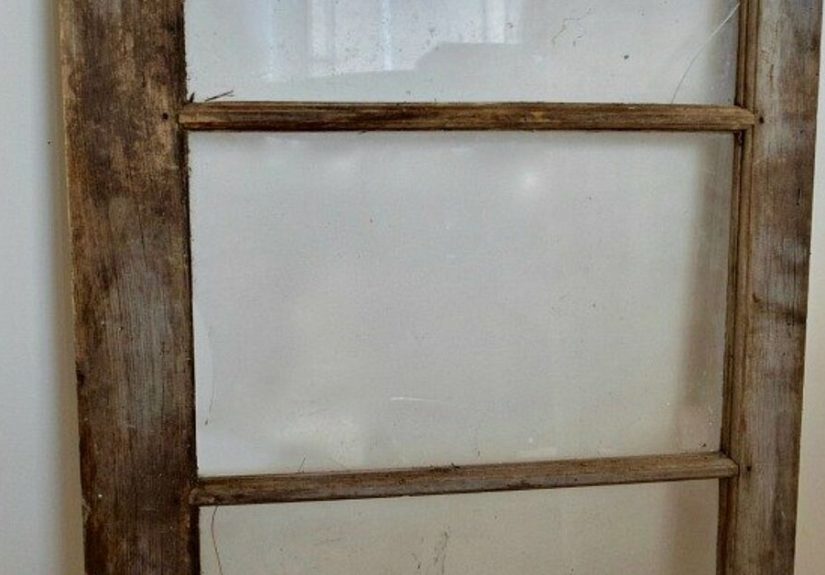
A window frame is basically a ready-made “gallery” with built-in sections (muntins) that naturally organize your design. Multiple panes let you tell a storyphotos in one row, pressed botanicals in another, a quote in the centerwithout needing advanced composition skills. The weathered wood (or chipped paint) adds texture that new frames can’t fake convincingly.
Even better: you can go functional-art (calendar, memo board, mirror) or purely decorative (seasonal display, collage, suncatcher). Either way, it’s a sustainable winless waste, more personality, and a solid excuse to stop throwing away “perfectly good old things.”
Safety First: Don’t Let “Vintage Charm” Become a Problem
Before we get artsy, we get sensible. Old windows can come with two common hazards: lead-based paint and fragile glass. If you handle both with care, this is a safe, satisfying project. If you ignore them, your DIY story gets dramatic for the wrong reasons.
Lead paint basics (especially pre-1978 pieces)
- Assume older painted windows may contain lead unless you know otherwise.
- Avoid dry sanding or power sanding and don’t use high-heat methods that can create hazardous dust/fumes.
- If paint is chipping or chalky, consider encapsulation (sealing it under an appropriate primer/paint system) instead of aggressive removal.
- Work outside or in a well-ventilated area, use gloves, and clean up carefully (think: damp wiping, not sweeping dust around like confetti).
Glass and frame safety
- Wear eye protection and cut-resistant gloves when handling old panes.
- If the glass is cracked or loose, decide early: keep it and stabilize, or remove it and replace with acrylic (plexiglass) for a safer finish.
- Check for rot, loose joints, and rusty hardware. A window that can’t hold itself together also can’t hold your art together.
If your window is heavily deteriorated, you have small children who touch everything, or you’re unsure about lead-safe work practices, choose a “minimal disturbance” plan: gentle cleaning, sealing, and decorative additions that don’t require scraping paint into dust.
Where to Find Old Windows (Without Paying “Antique Store Tax”)
You can source old windows from architectural salvage stores, Habitat ReStore locations, estate sales, yard sales, and online marketplaces. The best finds usually look a little roughbecause everyone else scrolls past them. Your job is to see “potential” where others see “future landfill.”
- Architectural salvage/Habitat ReStore: best variety; prices vary but selection is steady.
- Local listings: great deals; inspect closely before buying.
- Family/friends remodeling: the classic “please take this away” opportunity.
Tools and Materials You’ll Actually Use
You don’t need a workshop the size of an aircraft hangar. Most projects use a handful of basics:
Core supplies
- Dish soap, water, scrub brush, microfiber cloths
- Painter’s tape, drop cloth, disposable gloves
- Sandpaper (fine grit) or sanding sponge (light smoothing only)
- Wood glue and clamps (for loose joints), or corner braces for quick reinforcement
- Primer/paint (or clear sealer) appropriate for your frame material
- Hanging hardware: D-rings, picture wire, or a French cleat for heavier frames
Optional “make it fancy” supplies
- Glass-safe paint pens or faux leading strips (for stained-glass vibes)
- Chalkboard paint or dry-erase film
- Mirror-effect spray paint (for faux mercury glass looks)
- LED fairy lights, twine, mini clothespins
- Acrylic sheet (plexiglass) if you remove old glass
Step-by-Step: Turning a Window Into Art (The Reliable Method)
Step 1: Inspect and choose your “keep or remove glass” plan
Put the window on a flat surface. Gently wiggle the frame corners and tap the glass lightly (with a gloved finger). If panes are stable and you love the aged look, keep them. If panes are cracked, rattling, or missing, it’s often easier to remove and replace with acrylicespecially if the finished piece will hang in a high-traffic area.
Step 2: Clean like you mean it
Clean off dust, grime, and mystery residue using mild soap and water. Dry thoroughly. If you’re trying to keep a distressed look, don’t over-scrub the “character”just remove anything greasy, flaky, or loose.
Step 3: Stabilize the frame
Tighten loose hardware. Reglue wobbly joints with wood glue and clamps, or add small corner braces on the back for an invisible “seatbelt.” If the window has sharp splinters, lightly smooth them with fine-grit sandpaper. The goal is safe-to-handle, not “brand-new furniture finish.”
Step 4: Prep the surface (minimal dust strategy)
If the paint is in decent shape, you can often skip heavy sanding. Wipe it down, let it dry, then prime/seal as needed. If stains bleed through (common with old wood), use a stain-blocking primer before your topcoat.
Step 5: Paint, stain, or seal
Choose one:
- Painted farmhouse: chalky/matte finishes look great and hide minor flaws.
- Natural wood: clean, lightly smooth, and seal with a clear coat.
- Moody modern: black or deep charcoal turns a window into a graphic frame for bright art behind it.
Step 6: Add your art element
This is where your window stops being “a thing you found” and becomes “a piece you made.” Pick one of the project ideas below, or mix two together (yes, you can combine pressed flowers with a quote paneyour window, your rules).
Step 7: Hang it safely
Old windows can be surprisingly heavy. For smaller, lightweight frames, D-rings and picture wire work. For larger pieces, a French cleat is a sturdy, wall-friendly option that helps distribute weight and keeps the piece level. When possible, anchor into studs or use appropriate wall anchors rated for the load.
Project Ideas: 9 Ways to Make an Old Window Into Art
1) Multi-pane photo gallery (classic, always works)
Treat each pane like a mini frame. Print photos slightly smaller than the pane openings and mount them behind the window using cardstock backing. You can secure the backing with turn buttons, small clips, or thin wood strips on the rear. For extra polish, unify your photos (all black-and-white, or all warm-toned) so the frame’s “busy” texture doesn’t fight your images.
2) Seasonal wreath + greenery backdrop
Keep the window as a backdrop and attach a wreath to the center using removable hooks or ribbon tied through the muntins. Swap the wreath seasonally: eucalyptus in spring, sunflowers in summer, dried leaves in fall, pine in winter. It’s basically a year-round decorating cheat code.
3) Rustic card or kids’ art display
String twine across the back of the frame in horizontal lines and clip cards or drawings with mini clothespins. This is perfect for holiday cards, kids’ rotating masterpieces, or your impressive collection of “thank you” notes you swear you’ll respond to.
4) Windowpane quote art (simple, bold, and very giftable)
Add a quote directly onto the glass using vinyl lettering or paint pens. Keep it short and punchy so it reads from across the room. The frame does enough talkingyour words just need good timing. Example themes: family name + established date, a favorite lyric, or a seasonal welcome.
5) Dry-erase calendar + message center
Turn the glass into a functional art surface. Apply thin striping tape to create a grid, label days with a paint pen, and write with dry-erase markers. Add a small shelf at the bottom edge (attached from the back) to hold markers and an eraser. It’s charming, useful, and it will absolutely expose how many appointments you forgot to put on your phone.
6) Faux stained glass (colorful without the glass-cutter lifestyle)
Clean the glass well. On the glass surface, sketch a simple pattern (geometric shapes are forgiving). Use faux leading strips or a black paint pen to outline “segments,” then fill areas with translucent glass paint. Hang it near a window and enjoy the light showlike stained glass, but with far less cathedral maintenance.
7) Pressed botanical window (nature museum vibes)
Press flowers or leaves between heavy books for a couple of weeks (or use a flower press), then arrange them behind the glass panes. Mount them on light paper for contrast. This looks stunning in kitchens, sunrooms, and anywhere you want “soft and artsy” without buying another canvas print.
8) Faux mercury glass “antique mirror” look
If you love vintage sparkle, you can create a speckled, aged-mirror feel on the glass using mirror-effect spray paint techniques (the “mottled” look is the pointimperfections become the aesthetic). Use this for an accent pane or two rather than all panes if you want it to feel intentional and not like a disco ball moved in uninvited.
9) Shadowbox memory window
Remove the old glass (if needed), attach a shallow box frame to the back, and create compartments behind each pane area. Fill them with small keepsakes: ticket stubs, shells, postcards, baby shoes (tiny but emotionally powerful), or travel mementos. It becomes a memory display that’s way more interesting than a drawer full of “I’ll sort this later.”
Design Tips So It Looks Like Art, Not Like “Random Stuff Behind Glass”
Pick one unifying theme
- Color: black-and-white photos, all botanical greens, or a single accent color repeated across panes.
- Texture: paper collage in every pane, or fabric swatches with a consistent weave.
- Story: one trip, one season, one family timeline.
Balance “busy” with “blank”
If your frame is heavily distressed, let some panes stay simple (solid backing, minimal text, or empty glass) so the eye can rest. A little negative space makes everything look more curated.
Troubleshooting: Common Problems and Easy Fixes
“My paint is bleeding through / turning yellow.”
Old wood can leach tannins, and older finishes can stain. Use a stain-blocking primer before your paint coat, especially if you’re going light-colored.
“The glass looks cloudy.”
Old glass often has age-related haze or micro-scratches. If the look bugs you, swap panes for clear acrylic (which is also safer for kid-friendly spaces). If you love the vintage vibe, keep the patinasoft focus can be a design feature.
“It won’t hang level.”
Old frames aren’t always perfectly square. A French cleat helps, and so does placing hardware carefully so weight is distributed evenly. Always test-hang close to the floor first (your toes will thank you).
“The frame is too fragile.”
Reinforce from the back with corner braces, thin plywood backing, or a perimeter frame. You can also convert it into leaning decor on a shelf or mantel instead of a wall-hung piece.
of Real-World Experience: What DIYers Learn After Upcycling an Old Window
Here’s the part most tutorials don’t say out loud: the first time you upcycle an old window, you’ll spend 20 minutes feeling like a DIY genius and then one minute wondering why you didn’t choose a nice, predictable canvas from the craft store. Old windows are charming precisely because they’re a little unpredictable. The good news is that the “surprises” tend to be consistent, and once you know what to expect, the project becomes relaxing instead of chaotic.
The biggest lesson is that prep is the project. People often get excited about the art partphotos, lettering, botanicalsand rush past cleaning and stabilization. But a window that’s still dusty, slightly sticky, or shedding paint flakes will make every step harder. A quick wash and a thorough dry time change everything: paint sticks better, tape lines look sharper, and you won’t accidentally embed “garage grit” into your final finish like a weird rustic seasoning.
Next: old hardware has opinions. Hinges might be decorative, or they might be actively trying to scratch your wall. Latches might be charming, or they might snag your sweater like it’s their job. Many DIYers learn to decide early whether the hardware is part of the design. If yes, clean it and protect it. If no, remove itand save it in a jar for “future projects,” aka your home’s unofficial museum of good intentions.
Another common discovery is that not every window wants to be painted. Some look best with a clear seal that preserves their worn wood and faded layers. In fact, a window with gorgeous patina can look weirdly “flat” once it’s coated in a perfect modern color. A practical approach is to test: choose one small back corner and try your intended finish. If it kills the character, pivot to a clear coat and let the age do the talking.
When it comes to the “art” portion, the real-world trick is restraint. A multi-pane window tempts you to fill every square inchbecause it’s there. But DIYers who end up with the most polished results usually leave a few panes quieter: a solid backing, a light texture, or even plain glass. That breathing room makes the filled panes look more intentional, like a gallery wall rather than a bulletin board.
Finally, the most practical lesson is about hanging: heavy + old + gravity = negotiate carefully. DIYers who skip sturdy hardware often find themselves re-hanging the piece… or patching drywall… or both. Taking the time to anchor properly (or using a cleat system for larger windows) turns your art into something you can enjoy without constantly checking if it’s still on the wall. And that’s the whole point: upcycling should feel satisfying, not suspenseful.
Conclusion
Upcycling an old window into DIY art is equal parts creativity and clever problem-solving. Start with safety and stability, pick a design direction that fits your space, and don’t be afraid to let the frame’s age be part of the beauty. Whether you go photo gallery, botanical display, faux stained glass, or a functional calendar, you’ll end up with a one-of-a-kind piece that looks like it has a storybecause it does.