Table of Contents >> Show >> Hide
- Start With the Basics: Sleep, Food, and Movement
- Upgrade Your Mindset Without Becoming Fake Positive
- Improve Your School Life Without Studying 24/7
- Build Skills That Make You Future-Ready
- Upgrade Your Friendships and Social Life
- Use Technology Like a Tool, Not a Trap
- Learn Money Skills Before Money Gets Serious
- Create a Personal Upgrade Plan
- Real-Life Experiences: What Upgrading Your Life Can Look Like
- Conclusion: Your Life Upgrade Starts Small
- SEO Tags
Being a teenager is basically like downloading a massive life update while your Wi-Fi keeps cutting out. Your body is changing, school gets more serious, friendships become more complicated, and suddenly people expect you to “think about your future” when you may still be thinking about lunch. The good news? You do not need to become perfect, wake up at 4:30 a.m., drink mysterious green liquids, or have your entire career planned before your next math quiz. Upgrading your life as a teenager is about building small, smart habits that make you healthier, more confident, more focused, and more prepared for whatever comes next.
This guide breaks down realistic ways to improve your teenage life without turning into a productivity robot. You will learn how to take care of your body, sharpen your mind, build stronger relationships, manage money, use technology wisely, and create a future that feels exciting instead of terrifying. Think of this as a practical life upgradenot a lecture, not a motivational poster, and definitely not another adult telling you to “just try harder.”
Start With the Basics: Sleep, Food, and Movement
Before you try to reinvent your entire personality, check the simple stuff. Your brain and body need fuel, rest, and movement. It sounds obvious, but many teenagers try to run their lives on five hours of sleep, spicy chips, iced coffee, and pure academic panic. That is not a lifestyle; that is a warning light.
Get serious about sleep
Teenagers generally need more sleep than adults, and sleep affects attention, memory, mood, decision-making, and school performance. A sleep upgrade does not mean you must be asleep before the evening news. It means creating a routine that makes sleep easier. Try setting a regular bedtime, dimming lights at night, keeping your phone away from your pillow, and avoiding dramatic group chats right before bed. Nothing says “restful evening” like reading thirteen messages that start with “don’t be mad but…”
If your schedule is packed, protect your sleep like it is a VIP guest. Better sleep can make almost every other goal easier: studying, sports, friendships, emotional control, and even motivation.
Eat for energy, not punishment
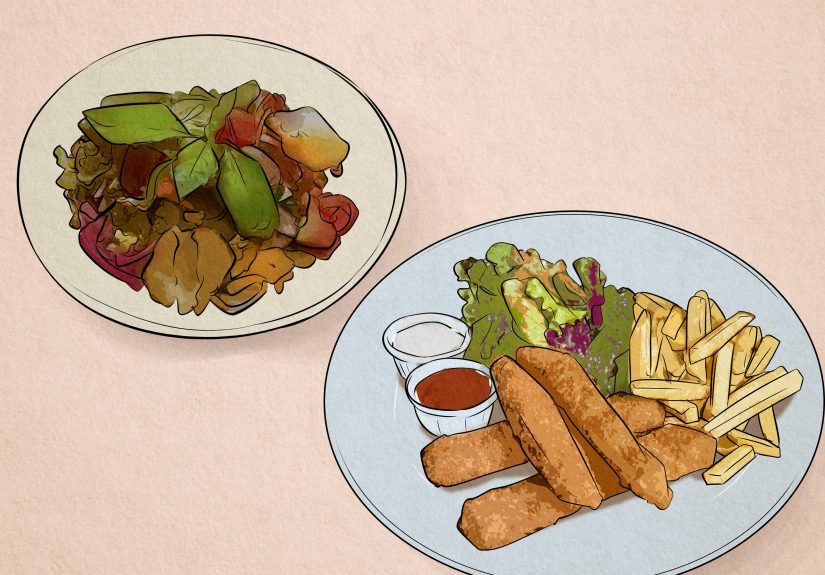
Healthy eating for teenagers should not be about chasing a certain look. It should be about feeling better, thinking clearly, and having enough energy to survive school, homework, hobbies, and the occasional family event where someone asks about your grades. Focus on simple improvements: drink more water, eat breakfast when you can, add fruit or vegetables to meals, choose protein-rich foods, and avoid making sugary drinks your main source of hydration.
You do not need a perfect diet. You need a useful one. A good rule: add good things before you obsess over removing things. Add water. Add fiber. Add protein. Add regular meals. Your body is not a project to criticize; it is your home base.
Move your body in a way you actually like
Exercise does not have to mean pretending to enjoy burpees. Walking, dancing, basketball, swimming, cycling, martial arts, gym workouts, yoga, active games, or sports all count. The best exercise is the one you will actually repeat. Movement helps your body, but it also supports mood, focus, confidence, and stress relief.
Try the “ten-minute rule.” When you feel stuck, stressed, or sleepy, move for ten minutes. Take a walk, stretch, clean your room at high speed, or shoot hoops. You may not solve every problem, but you will usually feel less trapped inside your own head.
Upgrade Your Mindset Without Becoming Fake Positive
Upgrading your life as a teenager is not about smiling through every bad day. Real growth means learning how to handle stress, mistakes, embarrassment, and uncertainty without letting them control your whole identity.
Use the “not yet” mindset
Instead of saying “I am bad at math,” try “I am not good at this yet.” Instead of “I am awkward,” try “I am still learning how to talk to people.” The words may sound small, but they change the way your brain approaches problems. “I can’t” closes the door. “Not yet” leaves it cracked open.
Build confidence through evidence
Confidence is not just looking in the mirror and declaring yourself unstoppable. Confidence grows when you collect proof that you can do hard things. Finish a project. Keep a promise to yourself. Practice a skill for two weeks. Ask a question in class. Apply for something. Apologize when you mess up. Every completed action becomes evidence.
If your confidence feels low, do not wait to magically feel ready. Take small actions first. The feeling often arrives after the effort, not before it.
Learn how to handle stress early
Teen stress is real. School pressure, family expectations, friendships, social media, future planning, and personal changes can pile up fast. A healthier approach is to notice your stress signals before they become overwhelming. Maybe you get headaches, snap at people, procrastinate, sleep badly, or scroll endlessly. These are clues, not character flaws.
Create a stress toolkit: breathing exercises, journaling, music, walking, talking to a trusted person, organizing your tasks, or taking a screen break. If stress, sadness, anxiety, or anger sticks around and starts affecting your daily life, talk to a trusted adult, school counselor, doctor, or mental health professional. Asking for help is not dramatic. It is maintenance.
Improve Your School Life Without Studying 24/7
School matters, but your life should not become one long homework receipt. The goal is to study smarter, manage time better, and build skills that make learning less painful.
Use active studying
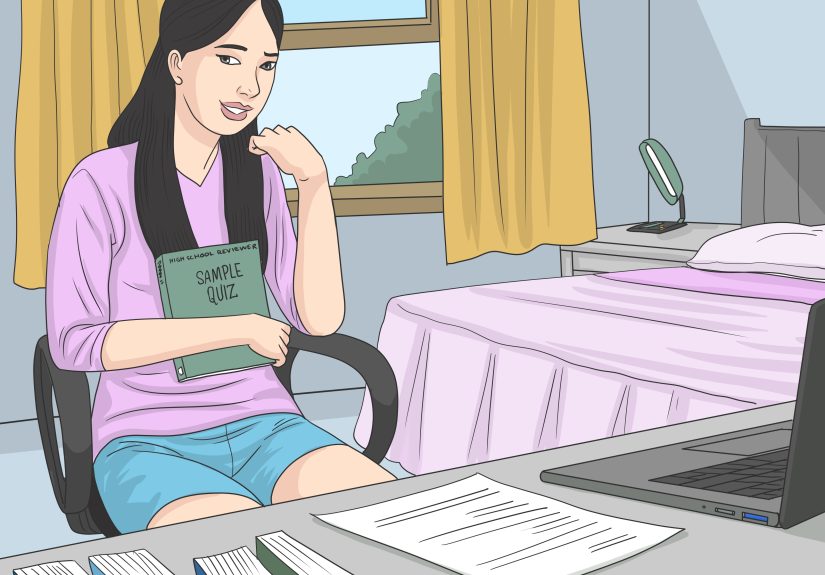
Rereading notes for three hours while your brain quietly leaves the building is not always effective. Active studying works better for many students. Try practice questions, flashcards, teaching the topic to someone else, making summary sheets, or writing what you remember before checking your notes. Your brain learns more when it has to retrieve information, not just stare at it.
Make a weekly reset routine
Once a week, take 20 minutes to reset your school life. Check assignments, test dates, projects, sports, work shifts, and personal plans. Then pick your top three priorities. This prevents the classic Sunday-night discovery: “Oh no, I had a project due tomorrow and I have only created the title slide.”
Ask for help before disaster mode
Smart students ask questions. Struggling in silence does not make you independent; it often just makes the problem bigger. Ask teachers for clarification, join study groups, message a classmate, visit tutoring sessions, or search for reliable explanations. The earlier you ask, the easier the fix.
Build Skills That Make You Future-Ready
Your teenage years are a great time to collect useful skills. You do not need to know your exact career. You do need to start learning how to learn, communicate, organize, lead, and solve problems.
Try activities outside class
Clubs, sports, part-time jobs, volunteering, internships, creative projects, coding groups, debate, student government, music, theater, and community programs can help you discover what you enjoy. They also teach teamwork, leadership, responsibility, and problem-solving. Do not join ten activities just to look impressive. Choose a few that actually matter to you and show up consistently.
Create a “skill stack”
A skill stack is a mix of abilities that become powerful together. For example, writing plus public speaking plus basic design can help you create presentations, content, campaigns, or school projects. Coding plus communication plus curiosity can open doors in tech, science, business, or entrepreneurship. Cooking plus budgeting plus planning can make you more independent. Pick two or three skills and practice them over time.
Start a small project
Projects turn ideas into proof. Start a blog, build a simple website, create a short film, design a fitness tracker, sell handmade crafts, organize a school club event, tutor a younger student, or launch a community cleanup. A project teaches planning, patience, creativity, and resilience. It also gives you something real to talk about in applications, interviews, and conversations.
Upgrade Your Friendships and Social Life
Your social life can lift you up or drain your battery faster than a phone at 2%. Upgrading your life includes choosing better relationships, becoming a better friend, and learning how to handle conflict without turning every disagreement into a courtroom drama.
Choose friends who make growth easier
Good friends do not have to be perfect, but they should generally respect you, celebrate your wins, tell you the truth kindly, and avoid pressuring you into choices that could hurt you. Pay attention to how you feel after spending time with someone. Energized? Safe? Respected? Or anxious, small, and exhausted?
Practice honest communication
Say what you mean without being cruel. If something bothers you, try “I felt left out when…” instead of “You always ruin everything.” If you made a mistake, apologize clearly. If someone sets a boundary, respect it. Communication is a life skill, and teenagers who learn it early have a serious advantage.
Do not confuse popularity with connection
Being known by everyone is not the same as being supported by someone. A few reliable friendships are more valuable than a giant contact list full of people who disappear when life gets hard. Upgrade your social life by investing in people who are kind, honest, funny, and real.
Use Technology Like a Tool, Not a Trap
Technology can help you learn, create, connect, and relax. It can also steal three hours while you watch videos you did not even choose on purpose. The goal is not to hate your phone. The goal is to stop letting apps drive the car.
Focus on quality, not just screen time
Not all screen time is the same. Watching tutorials, learning design, messaging supportive friends, or creating music is different from doom-scrolling until your brain feels like mashed potatoes. Ask: Is this helping me learn, rest, connect, or create? Or is it just making me compare, procrastinate, and feel worse?
Set friction against bad habits
Make distractions slightly harder. Turn off unnecessary notifications. Move addictive apps off your home screen. Use do-not-disturb mode while studying or sleeping. Charge your phone away from your bed. Create a “no phone for the first 20 minutes after waking” rule. You do not need superhero discipline if your environment helps you.
Create more than you consume
One of the best digital upgrades is shifting from endless consumption to creation. Write posts, edit videos, design graphics, learn coding, make music, practice photography, or build a portfolio. The internet becomes more useful when you use it as a workshop, not just a couch.
Learn Money Skills Before Money Gets Serious
Money skills are not only for adults wearing serious shoes. Teenagers can start with simple habits that make life easier later: saving, budgeting, comparing prices, avoiding impulse spending, and understanding needs versus wants.
Use the simple three-bucket method
Whenever you receive money from allowance, gifts, part-time work, or small gigs, divide it into three buckets: spend, save, and give or invest in growth. Your “growth” bucket might pay for books, courses, equipment, transportation, or supplies for a project. The exact percentages can change, but the habit matters.
Track your spending for one week
You do not need a complicated spreadsheet unless you enjoy spreadsheets, in which case congratulations on your rare superpower. Just write down what you spend for seven days. Snacks, games, subscriptions, rides, drinks, little purchasestrack everything. You may discover that your money is not disappearing mysteriously. It is leaving through tiny doors.
Save for freedom, not just stuff
Saving money gives you options. It can help pay for a school trip, a laptop, college applications, transportation, emergency needs, or a meaningful project. Even small savings build self-trust. You are teaching yourself, “I can plan ahead.” That skill matters far beyond your teenage years.
Create a Personal Upgrade Plan
Big life changes fail when they are too vague. “I will become better” sounds nice, but what does that mean? Better at sleeping? Studying? Communicating? Saving? Running? Drawing? Being less messy? Pick a clear target.
Step 1: Choose one area
Start with one life area: health, school, friendships, money, skills, confidence, or digital habits. Choosing everything at once usually leads to choosing nothing by Thursday.
Step 2: Make it tiny
Turn the goal into a tiny daily action. Instead of “get fit,” try “walk for ten minutes after school.” Instead of “be productive,” try “study for 25 minutes before opening social media.” Instead of “save money,” try “save 20% of anything I receive.” Tiny actions are not silly. They are how habits sneak past your brain’s resistance.
Step 3: Track progress simply
Use a calendar, notes app, habit tracker, or paper checklist. Mark each day you complete the action. Do not aim for perfection. Aim for return speed. Missing one day is normal. Missing one day and quitting forever is the real villain.
Step 4: Review every month
At the end of each month, ask three questions: What improved? What got in the way? What should I adjust? This turns your life into a learning system. You are not failing; you are collecting data.
Real-Life Experiences: What Upgrading Your Life Can Look Like
Imagine a teenager named Maya. She is not failing at life, but she feels scattered. Her room looks like a clothing tornado passed through. She goes to bed late because she tells herself she is “just checking one thing,” which somehow becomes forty-seven minutes of videos. She wants better grades, but every assignment feels like it arrives with backup dancers. She also wants to feel more confident, but confidence seems like something other people downloaded from a secret app.
Maya decides not to fix everything at once. Her first upgrade is sleep. She starts charging her phone across the room and sets a boring but effective rule: no social media after 10:30 p.m. The first few nights are annoying. Her brain keeps asking, “But what if something happens?” Nothing happens, except she wakes up slightly less like a haunted sandwich. After two weeks, she notices she is less irritated in the morning and can focus better in first period.
Next, she upgrades school. Instead of waiting until she “feels motivated,” she creates a 25-minute homework sprint after dinner. She puts her phone in another room and works on the most annoying assignment first. This is not magical. She still complains. But she finishes more work before bedtime, which means less panic. Her grades improve slowly, not because she became a genius overnight, but because she stopped letting assignments hide until the last second.
Then Maya tries a social upgrade. She notices one friend constantly makes jokes at her expense and calls it “just being honest.” Maya practices saying, “I know you may not mean it badly, but I do not like being talked to that way.” The conversation is awkward. Her voice shakes a little. But afterward, she feels proud because she respected herself without starting a war. That is an upgrade too.
Now think about another teenager, Jordan. He wants to be more independent but has no idea where to start. He begins with money. For one week, he tracks every purchase. He discovers that random snacks and game add-ons are eating most of his cash. Instead of banning fun, he creates a simple plan: some money for spending, some for saving, and some for a used camera he wants for a video project. Three months later, he buys the camera and starts filming short videos for school events. That project gives him creative confidence and even helps him meet people who like editing and storytelling.
These examples are not about becoming perfect. Maya still has messy days. Jordan still wastes money sometimes. Both still procrastinate occasionally, because they are human beings, not motivational robots with sneakers. The difference is that they build systems that help them recover. They learn that a better life is not one giant transformation scene with dramatic music. It is a series of small choices repeated often enough to matter.
Your own upgrade might look different. Maybe you start by walking daily, joining one club, apologizing to someone, learning to cook three meals, reading ten pages a night, practicing a language, organizing your backpack, or asking for help in a class. The point is to choose actions that make future-you say, “Thanks. That actually helped.” Teenage life can feel chaotic, but you have more influence than you think. You can shape your habits, your environment, your friendships, your skills, and your directionone realistic upgrade at a time.
Conclusion: Your Life Upgrade Starts Small
Learning how to upgrade your life as a teenager is not about becoming flawless, famous, rich, or constantly productive. It is about becoming more aware of your choices and building habits that support the person you want to become. Start with your foundation: sleep, food, movement, and stress management. Then improve your school systems, friendships, digital habits, money skills, and personal goals.
The most powerful teenage life upgrades are often boring at first. Going to bed earlier is not glamorous. Tracking spending is not thrilling. Asking for help is not cinematic. Practicing a skill every day does not always feel exciting. But these small actions compound. Over time, they build confidence, independence, discipline, and self-respect.
You do not need to have your whole life figured out. You only need to take the next useful step. Pick one area, make one tiny change, repeat it, and adjust as you grow. That is how real upgrades happennot overnight, but over time.