Table of Contents >> Show >> Hide
- What is a Peak Flow Meter?
- Why Use a Peak Flow Meter?
- How to Use a Peak Flow Meter
- How Often Should You Use a Peak Flow Meter?
- Understanding Your Peak Flow Readings
- Tips for Accurate Peak Flow Meter Readings
- What to Do If Your Peak Flow is Low
- Peak Flow Meter: A Valuable Tool for Asthma Management
- Personal Experiences with Peak Flow Meters
Managing asthma or other respiratory conditions involves tracking lung function. One of the most useful tools in monitoring your breathing is the peak flow meter. In this guide, we’ll break down everything you need to know about how to use a peak flow meter effectively to keep track of your respiratory health.
What is a Peak Flow Meter?
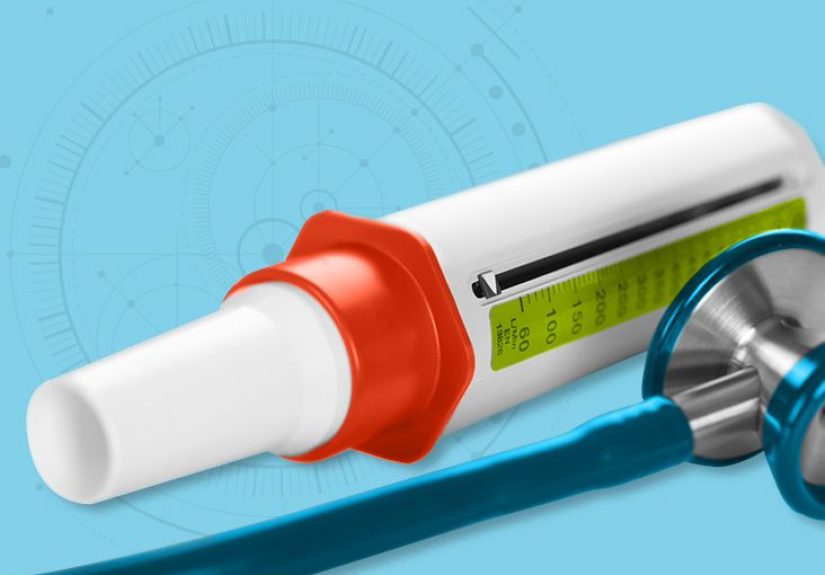
A peak flow meter is a simple, handheld device used to measure how fast air can be exhaled from the lungs. The reading is called the “peak expiratory flow” (PEF) and provides valuable information about the condition of your airways. For people with asthma or chronic obstructive pulmonary disease (COPD), tracking PEF readings is an essential part of managing their condition.
Why Use a Peak Flow Meter?
Monitoring your peak flow is important because it helps you identify early warning signs of worsening asthma or lung conditions. If your peak flow drops below a certain level, it could mean that your airways are narrowing, and you may need to adjust your medication or take other steps to prevent an asthma attack. It’s an easy and effective way to track your lung function and stay in control of your respiratory health.
How to Use a Peak Flow Meter
Using a peak flow meter is simple. Here’s a step-by-step guide to help you get started:
Step 1: Set Up the Meter
Before you begin, make sure the peak flow meter is clean and ready to use. If you have a disposable mouthpiece, attach it to the meter. If your peak flow meter uses a reusable mouthpiece, ensure it’s been cleaned properly. Place the meter on a flat surface.
Step 2: Stand Up Straight
Stand up straight to ensure your lungs are fully expanded. You can sit down if standing is difficult, but make sure you are not hunched over. A proper posture will ensure the most accurate reading.
Step 3: Take a Deep Breath
Inhale as deeply as possible, filling your lungs with air. This will help you exhale with maximum force, which is crucial for an accurate reading.
Step 4: Exhale Forcefully into the Meter
Place the mouthpiece of the peak flow meter in your mouth. Ensure your lips are tightly sealed around the mouthpiece. Now, blow out as hard and fast as you can. The faster you blow, the more accurate the reading will be. Your effort should be as forceful as you can manage to get a strong reading.
Step 5: Record the Reading
Once you’ve exhaled, the needle or digital screen on the peak flow meter will give a reading. This number represents your peak flow. Record this number in your asthma action plan, if you have one, or in a notebook or app. If you use a manual meter, be sure to reset it before taking another reading.
Step 6: Repeat the Test
To get an accurate peak flow reading, perform the test three times. Take a short break between tests, and record the highest of the three readings. This gives you a more reliable measurement and helps smooth out any errors from the first attempt.
How Often Should You Use a Peak Flow Meter?
The frequency of using a peak flow meter depends on your asthma or lung disease plan. Typically, people with asthma should measure their peak flow once or twice a day. Some people may need to use it more often, especially if their asthma symptoms are not under control or if they are experiencing a flare-up.
Doctors often recommend using a peak flow meter at the same time each day for consistency. The morning is usually a good time to take your reading, as lung function can vary throughout the day.
Understanding Your Peak Flow Readings
Once you have your peak flow readings, it’s important to understand what they mean. There are three zones of peak flow that help you monitor your asthma or lung condition:
Green Zone: 80-100% of Your Best
If your peak flow reading falls within 80-100% of your personal best, you’re doing well. This means your airways are open and your asthma is under control. Continue with your regular medication and management plan.
Yellow Zone: 50-79% of Your Best
A peak flow reading in the yellow zone indicates that your airways may be narrowing, and asthma symptoms could worsen. You might need to use your rescue inhaler or adjust your treatment plan. Consult with your healthcare provider for next steps.
Red Zone: Below 50% of Your Best
If your peak flow reading drops below 50% of your personal best, this is an emergency. Your airways are severely narrowed, and you may be at risk for an asthma attack. Seek medical attention immediately or follow the instructions in your asthma action plan.
Tips for Accurate Peak Flow Meter Readings
To ensure your readings are as accurate as possible, keep these tips in mind:
- Use the same peak flow meter consistently to ensure uniform measurements.
- Take your peak flow reading at the same time every day.
- Ensure you are standing or sitting up straight for each measurement.
- Clean your peak flow meter regularly to avoid dust or debris interfering with the readings.
- Record your readings consistently, so you can track any trends or changes in your lung function.
What to Do If Your Peak Flow is Low
If your peak flow is lower than normal, it may indicate that your asthma is not well controlled or that you’re experiencing a flare-up. If this happens, try the following:
- Follow your asthma action plan, which may involve using a rescue inhaler or adjusting your medication.
- Rest and avoid strenuous activities that could make your symptoms worse.
- If your peak flow remains low, or if you experience additional symptoms such as wheezing, shortness of breath, or chest tightness, contact your healthcare provider.
Peak Flow Meter: A Valuable Tool for Asthma Management
Using a peak flow meter can help you stay ahead of asthma attacks and better manage your condition. It’s a simple but powerful tool for monitoring your lung health. By regularly measuring your peak flow and understanding the numbers, you can work with your doctor to adjust your treatment plan and stay in control of your asthma.
Personal Experiences with Peak Flow Meters
Many asthma patients and caregivers find that using a peak flow meter empowers them to manage the condition more effectively. For instance, Sarah, a mother of a young asthmatic child, shares her experience, “Using the peak flow meter has given me confidence that I can spot early warning signs. I feel more in control and less anxious when my child’s asthma acts up.”
John, an adult living with asthma, says, “I take my peak flow readings every morning. It’s a part of my routine. I can tell if I need to take a different medication or if I’m about to have a flare-up, which helps me avoid an emergency situation.”
Peak flow meters are not just tools but companions that help individuals manage their respiratory health with peace of mind. Regular monitoring of lung function through a peak flow meter has proven to be a life-saver for many, ensuring that patients stay prepared for whatever may come their way.
Conclusion
Using a peak flow meter is a crucial part of managing asthma and other respiratory conditions. With regular monitoring, you can stay on top of your lung health and prevent emergencies before they happen. By following the steps above and understanding your peak flow numbers, you can manage your asthma or COPD more effectively and live a more active, healthier life.