Table of Contents >> Show >> Hide
- Where to Watch Flow Right Now
- What Is Flow About?
- Why Everyone Is Talking About Flow
- Should You Stream It or Rent It?
- What Makes Flow Different From Other Animated Movies?
- Is Flow Family Friendly?
- How to Get the Best Viewing Experience at Home
- Frequently Asked Questions About Watching Flow
- Why Flow Is Worth Your Time
- The Experience of Watching Flow: Why This Movie Hits So Differently
- Final Thoughts
If you missed Flow during awards season, first of all, welcome back to civilization. Second, good news: you do not need to charter a mysterious wooden boat, befriend a capybara, or decode an art-house screening schedule to watch it. This visually stunning animated film has become one of the most talked-about winners in recent Oscar history, and for good reason. It is moving, unusual, gorgeous to look at, and somehow manages to say a lot without saying much at all. Literally. There is no traditional dialogue.
So if you are wondering how to watch Flow, where to stream it, whether it is worth renting, and why the internet has collectively decided that a silent animated cat adventure is peak cinema, you are in the right place. This guide breaks down the easiest ways to watch the movie, what kind of experience to expect, and why this Best Animated Feature winner deserves a slot in your next movie night.
Where to Watch Flow Right Now
At the time of writing, the easiest way to watch Flow in the United States is through Max. If you already subscribe, congratulations: you are one login away from one of the most distinctive animated films of the last few years.
If you do not have Max, the movie is also commonly available as a digital rental or purchase through major platforms like Apple TV, Amazon Video, and Fandango at Home. That means you can either stream it as part of a subscription or go the à la carte route and pay only for this title. For viewers who prefer ownership over monthly commitment, that second option can be the smarter move.
The short version is simple:
- Best subscription option: Max
- Best pay-as-you-go options: Apple TV, Amazon Video, and Fandango at Home
- Best option for collectors: Digital purchase or physical media if available in your market
One small reality check: streaming rights are allergic to stability. A movie can wake up one morning and decide it lives somewhere else. So if you are reading this later, double-check your preferred platform before promising the family a profound cat movie and ending up with a rental error message instead.
What Is Flow About?
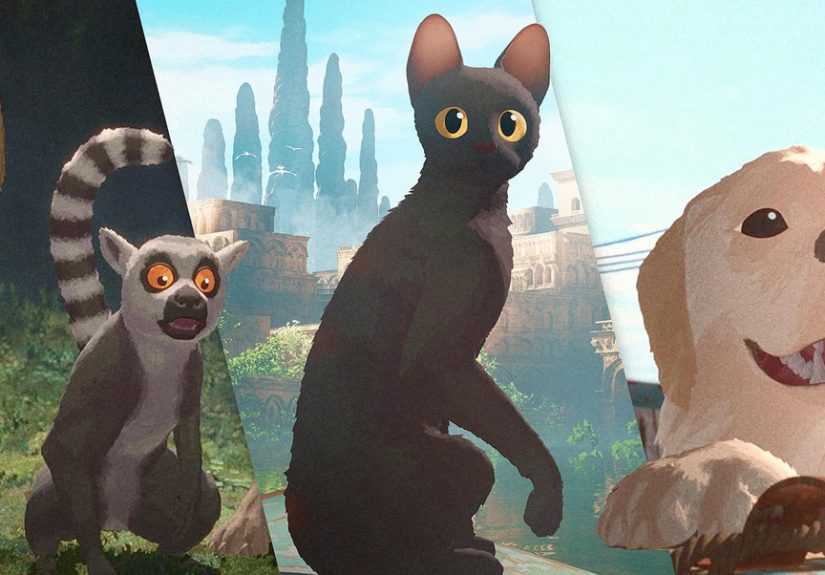
Flow follows a cat whose home is destroyed by a massive flood. The cat ends up traveling by boat with an unlikely group of animals, including a capybara, a dog, a bird, and a lemur, as they search for safety in a flooded, almost dreamlike world. That is the plot in plain terms. But saying only that is a little like saying the ocean is “some water.” Technically true. Emotionally inadequate.
The film is less interested in explaining every detail than it is in immersing you in a feeling. It tells its story through movement, music, sound, atmosphere, and the shifting relationships among the animals. There are no quippy sidekicks, no expository speeches, and no “You guys, we need to believe in ourselves!” monologue at minute 73. Flow trusts you to watch, listen, and feel your way through it.
That makes the movie stand out immediately. It feels intimate without being tiny, adventurous without being noisy, and emotional without yanking tears out of you like a magician pulling scarves from a sleeve. It is the kind of film that sneaks up on viewers who think they are just putting on “that animated cat movie from the Oscars.”
Why Everyone Is Talking About Flow
Oscar wins can sometimes feel predictable. A giant studio title rolls in with franchise recognition, massive marketing, and enough merchandise to fill a small airport. Flow did the opposite. It built momentum through critical acclaim, audience curiosity, and genuine admiration for its artistic ambition. Then it won Best Animated Feature, which turned a lot of casual “maybe later” viewers into “Okay, I need to see this tonight” viewers.
Part of the buzz comes from how different it feels from mainstream animation. This is not a sugar-rush comedy with hyperactive editing and ten pop-culture references per minute. It is quieter, more meditative, and more emotionally observant. That makes it a refreshing recommendation for adults who love animation but sometimes want something less formulaic.
The other reason people keep talking about it is simple: the movie is good. Not “good for a small film.” Not “good if you like foreign animation.” Just plain good. Its reputation has been powered by strong reviews, enthusiastic audience reactions, and a growing sense that it is one of those films that lingers in your head after the credits roll.
Should You Stream It or Rent It?
Choose Max if You Already Subscribe
This is the easiest answer. If you have Max, stream it there. No extra charge, no fuss, no debating whether a single rental is “worth it” while accidentally spending 20 minutes reading reviews of seven other movies. Open the app, press play, and let the cat lead the way.
Rent It if You Want a One-Time Watch
If you do not subscribe to Max and just want one movie for the evening, renting is the most budget-friendly choice. This works especially well if you are curious about Flow because of the Oscar win but are not planning a full-on Max era in your life. A rental lets you watch the film without taking on another monthly bill. Your future self, who is already paying for too many subscriptions, may send a thank-you note.
Buy It if You Love Rewatching Visual Storytelling
Flow is the kind of movie that benefits from repeat viewing. The first watch pulls you through the emotional journey. The second lets you notice details in the animation, the environmental design, the animal behavior, and the soundscape. If you are a collector, an animation fan, or someone who likes having a personal library of “movies I will definitely recommend to annoying people at dinner,” buying it makes sense.
What Makes Flow Different From Other Animated Movies?
The biggest difference is that Flow does not behave like a conventional family blockbuster. It is dialogue-free, which means every glance, hesitation, sound cue, and camera movement matters more. The story unfolds through behavior instead of speech. That creates a more universal kind of viewing experience, one that does not depend on clever lines or constant explanation.
It also gives the movie an unusual emotional honesty. The animals are expressive, but they are not turned into stand-up comics in furry bodies. They still feel like animals. Their alliances, fears, instincts, and trust issues develop in a way that feels organic. That grounded quality makes the film more immersive and, honestly, a lot more touching.
Visually, Flow has a dreamlike, sometimes haunting style that separates it from glossy studio animation. It is beautiful without feeling polished into blandness. You can sense the personality of the filmmaking in every frame. The result is a movie that feels handcrafted rather than factory assembled.
Is Flow Family Friendly?
Mostly yes, but with a few caveats. The movie is approachable for older kids and families because it is animated and easy to follow emotionally, even without dialogue. It also avoids the kind of verbal content that usually makes parents reach for the remote like it is an emergency brake.
That said, Flow is not a loud, joke-heavy comfort watch for every child. The flood imagery, moments of danger, and more reflective pace may be intense or restless-making for very young viewers. If your household is used to bright, fast, heavily verbal animation, this may feel more like a calm artful journey than a cartoon carnival.
For many families, though, that difference is exactly the appeal. It can be a great choice for kids who love animals, for parents who want something a little more thoughtful, or for movie nights when the adults do not want to feel like their brains have been replaced by confetti.
How to Get the Best Viewing Experience at Home
1. Watch It on the Biggest Screen You Can
Flow is not background content. This is not the movie to throw on while folding laundry, answering texts, and occasionally glancing up to ask, “Wait, who’s the bird?” The imagery matters. The scale matters. If you can watch it on a TV instead of a phone, do that.
2. Use Good Speakers or Headphones
Because the film relies so much on sound design and music, audio is a big part of the experience. You do not need a home theater that rattles your windows, but decent sound will make the movie feel richer and more immersive.
3. Watch When You Can Actually Pay Attention
This is a focused movie. It rewards viewers who settle in and let it work on them. Watching it when you are exhausted, multitasking, or three-quarters of the way into a doom-scroll session is like bringing a kazoo to a string quartet. Technically possible. Spiritually wrong.
4. Go In Without Expecting a Typical Kids’ Movie
The best way to enjoy Flow is to meet it where it is. Think of it as a poetic adventure rather than a gag machine. Once you stop waiting for punchlines and start noticing mood, rhythm, and visual storytelling, the film opens up beautifully.
Frequently Asked Questions About Watching Flow
Is Flow on Netflix?
No, it is not generally associated with Netflix in the U.S. The main subscription home for the movie is Max, with rental and purchase options on other digital platforms.
Can you watch Flow for free?
Usually not through a legal free streaming option at the time of writing. If you already subscribe to Max, then it is included with that subscription. Otherwise, expect to rent, buy, or subscribe.
Is Flow worth watching if you are not usually into animated movies?
Yes, especially if your hesitation comes from thinking animation is only for kids or only for franchise superfans. Flow plays more like an emotionally intelligent survival fable than a conventional cartoon.
Do adults like Flow?
Absolutely. In fact, part of its success comes from how strongly it connects with adult viewers who appreciate visual storytelling, atmosphere, and emotionally mature themes.
Why Flow Is Worth Your Time
Plenty of Oscar winners are respected more than they are loved. Flow does not have that problem. It is respected because it is loved. The movie feels inventive, sincere, and emotionally direct in a way that many larger productions spend millions trying to imitate. It proves that animation can still surprise us, even in an era when audiences think they have seen every possible variation of “adorable creature goes on journey.”
If you want a movie that is visually striking, emotionally resonant, and refreshingly free of noise for noise’s sake, Flow is an easy recommendation. And if you just want to understand why so many people emerged from watching it ready to defend a fictional animated cat with their entire personality, well, this is your moment.
The Experience of Watching Flow: Why This Movie Hits So Differently
Watching Flow is less like consuming content and more like stepping into a mood. That may sound dramatic, but this movie earns the drama. The first few minutes tell you exactly what kind of night you are having. This is not a movie that begs for your attention with fast jokes, loud music cues, or a celebrity voice cast doing somersaults. It invites you in quietly, then slowly rearranges your emotional furniture while you sit there pretending you are just watching a cat survive a flood.
One of the most unusual experiences of watching Flow is realizing how quickly you stop missing dialogue. At first, your brain waits for someone to speak. Then it starts reading behavior instead. A pause feels important. A glance becomes a conversation. A shift in body language lands harder than a page of exposition ever could. It is a strange little miracle of film language. By the halfway point, you are not thinking, “This movie has no dialogue.” You are thinking, “Why is this somehow saying more than half the movies I watched this year?”
The movie also creates a specific kind of tension that feels different from ordinary animated adventure films. Because the world is flooded and unstable, every movement matters. A jump, a stumble, a wave, a moment of hesitation on the boat, all of it feels loaded. But the tension never becomes exhausting. It moves like weather. Sometimes urgent, sometimes calm, sometimes almost meditative. You are not being pounded by the film. You are being carried by it. Yes, that is a water metaphor. The movie made me do it.
There is also something deeply satisfying about watching a film that trusts its audience. Flow does not flatten every emotion into a lesson. It does not explain itself to death. It gives you room to feel uncertain, sad, hopeful, and amazed all at once. That openness is part of what makes the movie linger. You do not just remember scenes; you remember how they felt in your body while you were watching them.
At home, the experience can be surprisingly intimate. This is a fantastic rainy-day movie, a late-evening movie, a “let’s watch something beautiful instead of something loud” movie. It works alone if you want a thoughtful solo viewing session. It works with a partner if you both enjoy films that leave a little interpretive space. It can even work with kids who are patient and animal-loving, especially if you frame it as an adventure rather than a comedy.
And then there is the post-movie effect. Flow tends to leave people quiet for a minute. Not bored quiet. Processing quiet. The kind of quiet that means the film actually reached you. Maybe you start talking about the animation. Maybe you start talking about survival, trust, loneliness, or climate anxiety. Maybe you just say, “Wow, that was beautiful,” and stare at the credits like you need a small emotional snack. Whatever form it takes, Flow is not usually a one-and-done shrug. It lands.
That is ultimately why figuring out how to watch Flow matters. This is not just another awards-season title to check off your list so you can sound informed online. It is a genuine experience movie. The kind that reminds you animation can be elegant, eerie, playful, moving, and fully cinematic all at once. So whether you stream it on Max, rent it for one evening, or buy it because you already know you will revisit it, make sure you watch it with intention. Flow rewards that kind of attention, and then some.
Final Thoughts
If your main question is how to watch Flow, the answer is refreshingly straightforward: stream it on Max if you have access, or rent or buy it through a major digital retailer if you do not. But the bigger answer is this: watch it in a way that lets you really experience it. Give it a decent screen, decent sound, and your full attention. This is one of those rare animated movies that feels both immediately accessible and quietly profound.
Oscar winners sometimes come with a lot of hype and very little soul. Flow has soul for days. It is strange, graceful, moving, and memorable in exactly the way great animation should be. So yes, absolutely watch it. Just maybe do not start it while half-looking at your phone. The cat deserves better.