Table of Contents >> Show >> Hide
- Why walnuts matter more than their size suggests
- How walnuts help your gut bacteria
- What this means for overall health
- How many walnuts should you eat?
- Who should be cautious?
- Common mistakes that reduce the benefits
- Real-life experiences with walnuts, gut health, and everyday wellness
- Final takeaway
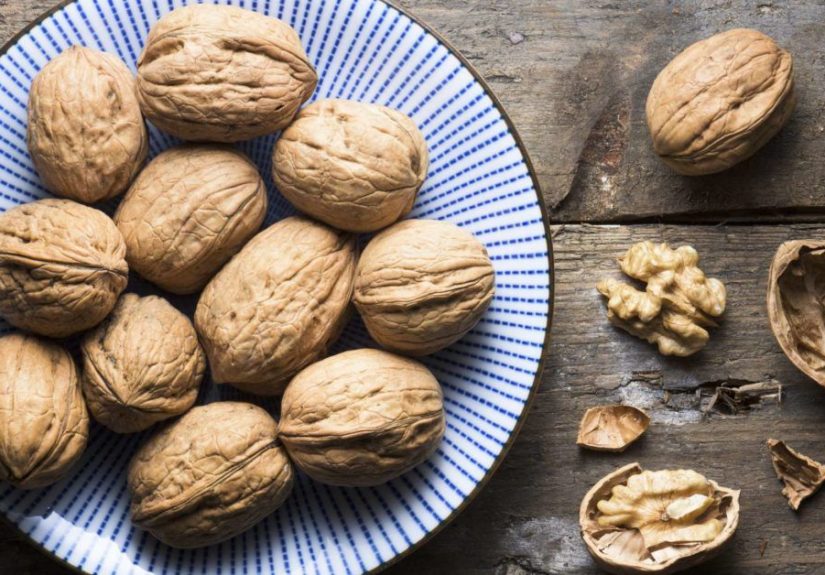
Walnuts do not exactly look like a glamorous superfood. They look more like tiny brains that lost a bar fight. But beneath that wrinkly exterior is a surprisingly impressive nutrition package that can support your gut bacteria, heart, brain, and day-to-day health in ways that are actually backed by science.
That is the real magic of walnuts: they are not trendy because they are photogenic. They are useful because they bring several health-supporting compounds to the table at the same time. You get fiber, plant compounds called polyphenols, healthy unsaturated fats, minerals, and a standout plant omega-3 fat known as ALA. Together, that mix creates a friendly environment for beneficial gut microbes and supports systems far beyond digestion.
So yes, walnuts are crunchy. Yes, they are snackable. Yes, they can make oatmeal feel suspiciously sophisticated. But more importantly, they may help your gut ecosystem work better, which can influence cholesterol, inflammation, fullness, regularity, and overall well-being.
Why walnuts matter more than their size suggests
One ounce of walnuts, which is about a small handful or 12 to 14 walnut halves, delivers healthy fats, a little protein, fiber, and valuable micronutrients in a compact serving. That matters because gut health is not built by one miracle nutrient. It is shaped by patterns. Foods that offer several useful compounds at once tend to pull more than one lever in the body.
Walnuts are especially notable because they contain alpha-linolenic acid, or ALA, a plant-based omega-3 fat. They also provide fiber and polyphenols, which your body does not fully digest before they reach the colon. Once there, gut microbes go to work. Think of walnuts as part snack, part microbial dinner reservation.
How walnuts help your gut bacteria
1. They feed beneficial microbes
Your gut contains trillions of microorganisms that help break down food, produce useful compounds, train parts of the immune system, and communicate with the rest of your body. A healthier gut microbiome is usually supported by a varied, fiber-rich diet with plenty of minimally processed plant foods. Walnuts fit that pattern beautifully.
The fiber in walnuts is not huge compared with beans or bran cereal, but it still counts. More importantly, the fiber in walnuts comes bundled with polyphenols and fats that appear to influence the gut environment in ways researchers find meaningful. In studies on walnut-rich diets, scientists have observed changes in the composition of gut bacteria, including increases in species associated with beneficial fermentation and butyrate production.
Butyrate is one of the short-chain fatty acids your gut bacteria make when they ferment certain fibers and plant compounds. It helps nourish cells in the colon and is often linked with better gut barrier function and a healthier intestinal environment. That does not mean walnuts are a probiotic pill in disguise. It means they may act like part of a microbiome-friendly eating pattern that helps the right bacteria flourish.
2. They may reduce less-helpful microbial byproducts
Walnut research has also pointed to changes in bile acid metabolism. That sounds extremely unromantic, but stay with me. Some microbial breakdown products from bile acids may be linked to poorer gut and metabolic health when present in higher amounts. In controlled feeding studies, walnut intake has been associated with lower levels of certain secondary bile acids, which suggests a shift toward a healthier microbial profile.
In plain English, walnuts do not just add nutrients to your plate. They may also encourage the gut to produce a better chemical neighborhood.
3. They support regularity as part of a high-fiber routine
Let us talk about the least glamorous but most appreciated sign of a happy gut: regular bowel movements. Fiber helps keep stool moving through the digestive tract, supports stool bulk, and can help people feel more consistent. Walnuts are not the single best fiber food in the grocery store, but they are an easy contributor. Add them to oatmeal, yogurt, salads, or fruit and suddenly your breakfast or snack is doing more for your gut than a plain cracker ever dreamed of.
This also helps explain why nuts and seeds no longer deserve their old bad reputation in routine gut-health conversations. For many people, they can be a helpful part of a fiber-rich diet rather than something to fear.
What this means for overall health
Heart health gets a big boost
Here is where walnuts start showing off. Because they are rich in unsaturated fats and ALA omega-3s, they are often recommended as part of heart-healthy eating patterns. Research on regular walnut intake has found modest improvements in LDL cholesterol, often called “bad” cholesterol. That is not a tiny footnote. Lower LDL is one of the classic signs that your daily food choices are nudging cardiovascular risk in a better direction.
Walnuts may also help because they are usually replacing less helpful foods. Swap out chips, pastries, or processed snack bars for a handful of walnuts and you are not only adding nutrients, you are often reducing refined carbs, excess sodium, or saturated fat at the same time. Nutrition loves a good trade.
They may help calm oxidative stress and inflammation
Walnuts contain polyphenols, vitamin E, and healthy fats that may help the body manage oxidative stress. Oxidative stress is basically wear-and-tear chemistry gone overboard. Over time, too much of it can contribute to chronic disease. The compounds in walnuts do not turn you into a superhero, but they may help your diet lean in a more anti-inflammatory direction.
This is one reason walnuts fit so naturally into Mediterranean-style eating patterns. They complement fruits, vegetables, legumes, olive oil, and whole grains instead of fighting for attention like some dramatic wellness product with a seven-syllable ingredient list.
They can support fullness and better snacking habits
Walnuts are energy-dense, but that does not make them the villain of the pantry. In fact, many people find that nuts improve satisfaction and reduce random snacking because they combine fat, fiber, and texture. A snack that actually fills you up is often easier to live with than one that spikes your hunger and vanishes emotionally after three bites.
That said, portion size still matters. Walnuts are nutritious, not magical. Eating a sensible serving regularly is very different from mindlessly demolishing half a bag while streaming a show and insisting it was “for heart health.”
They may support healthy aging
There is also interest in walnuts and brain health, especially because they provide ALA, antioxidants, and polyphenols. While the strongest evidence for walnuts is still in areas like dietary quality, cholesterol support, and microbiome effects, they also fit well into eating patterns associated with healthy aging. That makes them a practical long-game food, not just a trendy topping.
How many walnuts should you eat?
For most people, a practical target is about 1 ounce a day, or a small handful. Some studies have used larger amounts, but you do not need to treat walnuts like a full-time job to enjoy their benefits. A steady daily habit matters more than dramatic bursts of “clean eating” followed by three days of forgetting the bag exists.
Easy ways to eat more walnuts
- Stir chopped walnuts into oatmeal with berries and cinnamon.
- Add them to plain yogurt with fruit for a snack that actually has staying power.
- Sprinkle them over salads for crunch instead of croutons.
- Blend them into pesto or sauces for richness.
- Pair them with apples or pears for a fiber-friendly snack.
- Use crushed walnuts on roasted vegetables for texture and flavor.
Raw and dry-roasted walnuts are both solid choices. The main thing is to watch added sugar, heavy coatings, or too much salt if your goal is overall health.
Who should be cautious?
Walnuts are not for everyone. Anyone with a tree nut allergy should obviously avoid them. People with sensitive digestion may also notice gas or bloating if they suddenly increase fiber-rich foods too quickly. That does not mean walnuts are “bad for your gut.” It usually means your gut likes a gentler introduction.
If you have a history of digestive symptoms, gallbladder issues, or a medically restricted diet, it is smart to talk with a healthcare professional or registered dietitian about portion size and tolerance. Whole foods are helpful, but your body still gets a vote.
Common mistakes that reduce the benefits
Using walnuts to decorate a poor diet
A few walnuts on top of a routine built on soda, ultra-processed snacks, and fast food are not a nutritional loophole. Walnuts work best as part of a broader pattern rich in plants, whole foods, and healthy fats.
Going from zero fiber to full speed
If your usual diet is low in fiber, diving headfirst into giant portions of nuts, beans, and bran cereal can make your stomach file a complaint. Increase fiber gradually and drink enough water.
Treating flavored walnuts like health food by default
Honey-glazed, chocolate-coated, or heavily salted walnuts can still be enjoyable, but they are not the same thing as a basic serving of plain walnuts. Read the room. And the label.
Real-life experiences with walnuts, gut health, and everyday wellness
Now for the part people actually care about after the science slides off the plate: what does it feel like to eat walnuts regularly? Not in a laboratory, not in a perfect wellness routine, but in normal life where breakfast happens during emails and snacks compete with convenience.
One common experience is that walnuts make healthy eating feel easier instead of stricter. Someone who used to grab a pastry mid-morning may switch to Greek yogurt, fruit, and walnuts and notice they stay full longer. That is not a miracle cure. It is just what often happens when a snack includes fat, fiber, and texture instead of mostly refined flour and sugar. Hunger feels less dramatic, energy feels steadier, and the afternoon “I need something crunchy or I will become a problem” moment becomes more manageable.
Another realistic experience is improved regularity over time. Not overnight. Not with cinematic background music. Just a gradual sense that digestion becomes more predictable when walnuts are added to an overall pattern that includes more fruits, oats, beans, vegetables, and water. People often describe this as feeling “less backed up,” “less random,” or simply “more normal,” which may be the least glamorous wellness win and one of the most valuable.
Some people also notice that walnuts help them replace less-helpful snack habits without feeling deprived. A bag of chips is easy to overeat because it is engineered to disappear. Walnuts, by contrast, are rich and satisfying enough that a measured handful can actually feel like a real snack. Over a few weeks, that swap can make the entire day feel more balanced. The person may not say, “My microbiome is thriving.” They may just say, “I’m not raiding the kitchen at 4 p.m. anymore,” which is basically the same victory in casual clothes.
There are also experiences on the not-so-perfect side. Some people add too many walnuts too fast and wonder why their stomach suddenly feels dramatic. That can happen, especially if fiber intake was low before. A smaller portion usually works better at first. Think of it as introducing your gut bacteria to a new houseguest instead of throwing them a surprise festival.
For busy adults, walnuts often become the “default healthy add-on” that quietly improves diet quality. A handful in oatmeal. A sprinkle on salad. A few pieces with fruit before a meeting. Over time, those little moments matter. They increase intake of healthy fats and plant foods without requiring a complete life makeover or a fridge full of ingredients no one can pronounce.
Then there is the psychological side: walnuts feel practical. They do not need refrigeration. They travel well. They are versatile enough for sweet or savory meals. That convenience matters because the healthiest food is often the one you will consistently eat. A wellness habit that survives real life beats a perfect plan that disappears by Thursday.
In the end, most real experiences with walnuts are not dramatic. They are steady. Better snack choices. More staying power between meals. A nudge toward more fiber. A simple way to support gut bacteria while also doing something nice for your heart. That may not sound flashy, but in nutrition, steady usually wins.
Final takeaway
Walnuts benefit your gut bacteria and overall health because they do several useful things at once. They provide fiber that helps support digestion, polyphenols that interact with gut microbes, and ALA omega-3s that support heart health. Research suggests they may help shift the microbiome in a healthier direction, improve cholesterol numbers modestly, and make it easier to build a more satisfying, plant-forward eating pattern.
That does not mean walnuts are a cure-all. It means they are one of those rare foods that are both convenient and genuinely worth eating on purpose. A small handful a day will not solve every nutrition problem in your life, but it is a smart, evidence-based habit that can support your gut and the rest of you at the same time.