Table of Contents >> Show >> Hide
- Why Funny Comics About Friendship Feel So Relatable
- What Makes This 20-Comic Collection Work
- The Everyday Struggles Of Growing Up, But Make Them Funny
- Why Slice-of-Life Comics Keep Winning Online
- The Humor Style Matters More Than People Think
- More Than Jokes: The Emotional Core Behind The Laughs
- A Final Take On Why These 20 Comics Stick With Readers
- Extra Reflections: Personal Experiences That Make This Topic Hit Even Harder
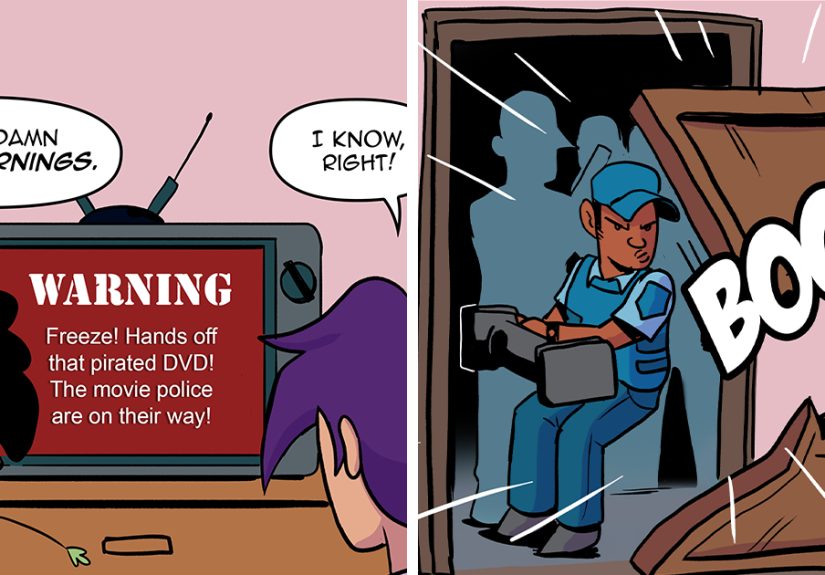
Some comics try to save the universe. Others try to explain quantum physics, heartbreak, or why your cat looks personally offended by your existence. And then there are the comics that do something sneakily brilliant: they make you laugh at the weird little mess of ordinary life. That is exactly why a collection like I Create Funny Comics About Friendship And The Everyday Struggles Of Growing Up (20 Pics) hits so well. It is not aiming for laser beams, apocalypses, or a villain monologue that takes three business days to finish. It is aiming for something more powerful: recognition.
These comics live in the space between childhood chaos and adulthood confusion, where friendships are intense, embarrassment arrives uninvited, and every tiny problem somehow feels like a federal emergency. One awkward misunderstanding can ruin your afternoon. One loyal friend can save your whole week. One ridiculous moment can become a story you tell for years. That is the sweet spot this kind of funny comic series captures so well.
At first glance, a 20-pic comic roundup may look like light entertainment. And sure, it is entertaining. But the best friendship comics also work as emotional time machines. They bring readers back to the years when fitting in felt important, messing up felt catastrophic, and laughing with your best friend could fix almost anything. That mix of humor, nostalgia, and emotional honesty is what makes these comics more than just scroll-and-forget content.
Why Funny Comics About Friendship Feel So Relatable
Friendship is one of the easiest subjects to recognize and one of the hardest to fake. Readers know immediately when a comic duo feels real. You can tell when the banter has lived-in rhythm. You can tell when the teasing comes from affection, not laziness. You can tell when the characters have survived enough shared nonsense together that even their silence says something.
That is why comics about friendship work best when they are built from everyday details. Not giant speeches. Not forced life lessons. Just familiar moments: saying something dumb and then pretending you meant it, trying to impress people and instantly regretting it, getting pulled into a bad idea because your friend said, “Trust me,” which historically has never ended well for anyone.
The magic is in the small stuff. A weird expression in one panel. A pause before the punchline. A look between two friends that says, “You are absolutely making this worse, but I am still on your side.” Those details turn a comic from funny into memorable.
In stories like this, humor is not just decoration. It is the delivery system. It lets the comic talk about insecurity, growing pains, social awkwardness, and identity without sounding like a lecture from a school assembly. Nobody wants to be hit over the head with a motivational poster wearing pants. Readers want honesty, rhythm, and a joke that lands before the truth sneaks in through the side door.
What Makes This 20-Comic Collection Work
The strongest thing about a comic collection centered on friendship and growing up is that it understands a basic truth: growing up is rarely one giant dramatic event. It is usually a thousand tiny moments of confusion stitched together with snacks, bad decisions, and surprisingly good friends.
That is what gives these comics their charm. They do not rely on complicated plots to keep the reader engaged. Instead, they lean into a series of recognizable situations that feel pulled from real life: getting into trouble over something silly, misunderstanding a basic social cue, trying to act mature while behaving like a raccoon in a trench coat, or learning the hard way that confidence and competence are not the same thing.
The “20 pics” format also helps. Each comic can act like a quick emotional snapshot. One strip delivers a joke. Another captures a friendship dynamic. Another reveals something about the awkward business of becoming a person. The result is a gallery that feels fast, snackable, and easy to share, but still cohesive enough to leave a real impression.
That balance matters for web audiences. Readers online want content that moves. They want something they can enjoy in short bursts, yet remember later. Funny coming-of-age comics do exactly that because they combine visual speed with emotional familiarity. You can read one in seconds and still think, “Wow, that was painfully accurate.”
The Everyday Struggles Of Growing Up, But Make Them Funny
Awkwardness Is Universal
One reason these comics land is because awkwardness is basically the unofficial mascot of growing up. Nobody glides through youth like a perfectly edited movie montage. Real life is full of bad timing, overthinking, misread signals, and attempts at self-expression that collapse on impact. Funny comics turn that mess into something lovable.
Instead of pretending the awkward phase is temporary and neat, these stories understand that awkwardness comes in waves. You outgrow one embarrassing habit and immediately unlock a new one. That cycle is comic gold. It gives artists endless material and readers endless opportunities to say, “Unfortunately, this is me.”
Friendship Makes Failure Easier To Survive
Growing up is a little less brutal when someone is there to laugh with you instead of at you. Friendship comics understand that being seen by another person can turn humiliation into a memory and panic into a punchline. A failed plan is still a failure, but it becomes bearable when someone else was there for the disaster and agrees never to let you live it down.
That is part of what makes two-character or ensemble comics so satisfying. The contrast between personalities creates momentum. One friend is impulsive. One is cautious. One is overconfident. One is the human version of a seatbelt. Put them together and you have instant comedy, but also emotional structure. Opposite personalities do not just make jokes; they create care.
Growing Up Is Basically Learning Through Bad Timing
The best comics about youth understand that maturity rarely arrives like a wise old wizard. It usually stumbles in after a misunderstanding. You say the wrong thing, trust the wrong plan, wear the wrong outfit, misjudge the room, then slowly gain wisdom the hard way. Funny comics do not erase that discomfort. They shape it into something readable, recognizable, and surprisingly comforting.
That is why these stories resonate across age groups. Younger readers see themselves in the chaos. Older readers see their former selves and laugh with a mix of sympathy and relief. Nobody escapes the clumsy process of becoming who they are. Some people just survive it with better stories.
Why Slice-of-Life Comics Keep Winning Online
There is a reason slice-of-life comics continue to perform so well online. They are flexible, emotionally accessible, and perfect for modern attention spans. A reader does not need a giant lore document, a map of seven kingdoms, or a timeline built by a sleep-deprived historian. They just need a funny setup, expressive characters, and a payoff that feels true.
That makes friendship comics especially strong for digital audiences. They are easy to jump into, easy to share, and easy to revisit. A good strip can work as a joke, a character beat, and a tiny personal revelation all at once. It can be wholesome without being bland, silly without being empty, and nostalgic without turning into a sugar-coated memory sponge.
Visual storytelling also helps these themes travel faster than text alone. A single facial expression can carry the panic of being caught, the pride of a terrible idea, or the exact moment someone realizes they have made a deeply avoidable mistake. In friendship comics, those expressions matter almost as much as the words. Sometimes more. A blank stare from your best friend can be funnier than a whole paragraph.
The Humor Style Matters More Than People Think
Not all humor works the same way. The most lovable comics about friendship do not depend on cruelty. They do not need to humiliate characters beyond repair or confuse “mean” with “sharp.” Their humor usually comes from contrast, timing, exaggeration, and the strange logic people use when they are trying to impress each other, avoid embarrassment, or solve a simple problem in the most complicated way possible.
That tone is a big reason readers keep returning. Warm humor has replay value. It gives the audience permission to laugh without feeling grimy afterward. Even when the characters are being ridiculous, there is affection in the frame. The comic is not mocking the experience of growing up. It is saying, “Yes, this was chaotic. Yes, you looked silly. Yes, that is exactly why it is worth remembering.”
And honestly, that is a refreshing approach online, where so much humor is built on being louder, harsher, or more cynical than necessary. A comic that can be genuinely funny while still being generous to its characters stands out. It feels human. It feels rerunnable. It feels like something you send to a friend with the message, “This is painfully us.”
More Than Jokes: The Emotional Core Behind The Laughs
The strongest part of a comic like this is that underneath the jokes, it understands loyalty. It knows that friendship during the messy years of growing up is not polished. It is weird, inconsistent, dramatic, and occasionally powered by nonsense. But it is also formative. It teaches you how to apologize, how to be patient, how to share your weirdness, how to survive embarrassment, and how to keep showing up even when your friend is being deeply, gloriously impossible.
That emotional core is what keeps a funny comic from feeling disposable. You laugh at the setup, but you remember the relationship. You enjoy the gag, but you stay for the chemistry. The jokes open the door, and the warmth keeps you in the room.
So when a comic collection promises friendship, humor, and the everyday struggles of growing up, it is tapping into something bigger than nostalgia bait. It is speaking to a universal stage of life where everything feels a little too dramatic, a little too funny, and a lot more meaningful in retrospect. That is why this kind of comic series works. It does not pretend growing up is elegant. It just proves it can be hilarious.
A Final Take On Why These 20 Comics Stick With Readers
I Create Funny Comics About Friendship And The Everyday Struggles Of Growing Up (20 Pics) succeeds because it understands a simple formula that many creators overcomplicate: recognizable people, relatable problems, expressive art, and jokes with heart. That combination gives readers something rare on the internet. Not just content, but connection.
These comics remind us that growing up is not only about milestones. It is also about tiny humiliations, accidental victories, inside jokes, and the friend who somehow witnesses all of it and still sticks around. That is what makes the laughs feel earned. That is what makes the characters feel familiar. And that is why funny friendship comics continue to charm readers long after the scroll ends.
In a web crowded with noise, polished branding, and hot takes dressed like wisdom, a comic that says, “Here are some odd little moments from life, and yes, they were ridiculous,” feels wonderfully honest. It is funny, yes. But it is also kind. And that combination never goes out of style.
Extra Reflections: Personal Experiences That Make This Topic Hit Even Harder
What makes comics like this especially effective is that almost everyone has lived some version of them. Maybe not the exact scene, maybe not the exact outfit, and hopefully not the exact disaster, but the emotional shape is familiar. Most people can remember a friend who made ordinary days feel louder, funnier, and slightly less survivable in the best possible way. The friend who convinced you that a bad plan was actually a legendary plan. The friend who watched you embarrass yourself and, instead of abandoning ship, laughed so hard they nearly fell over.
That is why reading funny comics about growing up often feels strangely personal. They are not just jokes on a page. They are reminders of cafeteria conversations, after-school walks, awkward sleepovers, weird neighborhood adventures, and those long afternoons where absolutely nothing important happened, yet somehow everything did. You learned how to read people. You learned how to recover from saying something dumb. You learned that some friendships are built less on profound speeches and more on surviving absurd moments together.
A lot of us also remember how dramatic growing up could feel from the inside. A tiny misunderstanding could seem like the end of civilization. A crush could rearrange your entire personality for three business days. One awkward comment could haunt your brain forever at 2 a.m. Comics like this turn those oversized emotions into something manageable. They let readers revisit that phase with more humor and less panic. It is like emotional recycling, but with better punchlines.
There is also something comforting about seeing ordinary struggles treated with kindness. Not every story about youth needs to be intense, tragic, or packed with life lessons wearing serious eyebrows. Sometimes the most honest version of growing up is simply this: you are confused, your friend is also confused, both of you think you know what you are doing, and neither of you should be trusted with a plan. That truth is funny because it is accurate.
Even adulthood does not erase the appeal. In fact, it may strengthen it. Older readers often connect with these comics because they recognize the emotional blueprint. The settings may change from school hallways to office kitchens or apartment group chats, but the pattern survives. People are still awkward. Friends still drag each other into nonsense. We still overreact, miscommunicate, recover, and retell the story later as if it were always hilarious. That is the beauty of relatable humor: it ages with you.
So yes, a comic collection about friendship and the everyday struggles of growing up may look simple on the surface. But beneath the jokes is a shared memory bank. It reminds readers what it felt like to become themselves in front of other people, often badly, sometimes bravely, and usually with at least one witness laughing beside them. That is not just funny. That is the kind of emotional honesty that keeps a comic alive long after the final panel.