Table of Contents >> Show >> Hide
- Why Drawing Ex-Girlfriends Feels So Strangeand So Human
- The Comedy of Being a “Bad Drawer”
- Love, Memory, and the Unreliable Pencil
- Why Art Helps People Process Breakups
- The Ethics of Turning Exes Into Art
- Why Readers Love Projects Like This
- What 16 Portraits Can Reveal About One Person
- How to Create Your Own Breakup Portrait Project
- 500-Word Experience Section: What Drawing 16 Ex-Girlfriends Taught Me
- Conclusion: A Funny Portrait Series With a Real Heart
There are many ways to process a breakup. Some people delete photos. Some people write dramatic journal entries at 2:13 a.m. Some people suddenly become “very into running,” which is usually code for “I am sprinting away from my feelings.” And then there is the delightfully odd, surprisingly honest option: drawing portraits of your ex-girlfriends.
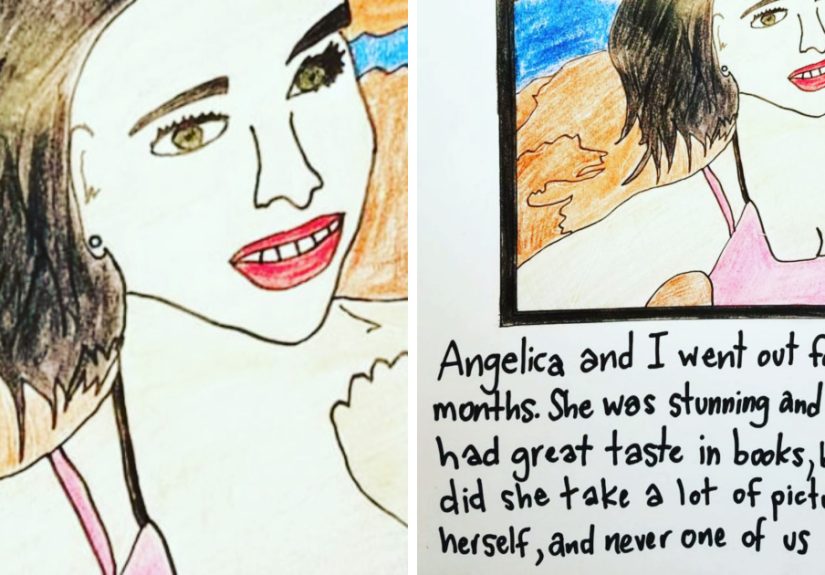
The idea behind “I Drew 16 Portraits Of My Ex-Girlfriends” is simple, funny, and sneakily emotional. Instead of turning old relationships into a bitter rant or a tragic acoustic song, the artist turns memory into a series of portraits. The original project, shared online by Alan Wieder under the playful name Bad Drawer, leaned into imperfection. Names and likenesses were changed, the drawings were intentionally unpolished, and the stories mixed love, lust, embarrassment, heartbreak, and humor.
That combination is exactly why the concept works. A portrait is never just a face. It is a record of attention. When the subject is an ex-girlfriend, it becomes something even more complicated: a sketch of who she was, who the artist was at the time, and what remains after the relationship has packed its emotional suitcase and left the building.
Why Drawing Ex-Girlfriends Feels So Strangeand So Human
Drawing an ex is not the same as drawing a bowl of fruit. A banana rarely texts you “we need to talk.” A pear does not haunt your playlists. A portrait of an ex-girlfriend carries emotional weight because relationships leave behind images: the way someone laughed, the jacket they always wore, the look they gave when they knew you were wrong but wanted you to arrive at that conclusion by yourself.
Portraiture has always been tied to identity, memory, and interpretation. Museums often describe portraits as more than physical likenesses; they reveal personality, social context, emotion, power, vulnerability, and the relationship between artist and subject. In a breakup portrait series, that relationship is the whole engine. The drawing may show a face, but the real subject is memory.
A Portrait Is Also a Confession
When someone draws 16 ex-girlfriends, they are not simply creating 16 images. They are building a visual diary. Each portrait says, “This person mattered enough to remain in my mind.” It also says, “My memory may be unreliable, slightly ridiculous, and possibly wearing clown shoes.” That is part of the charm.
Unlike a photograph, a drawing admits its bias immediately. A pencil line can exaggerate, soften, simplify, or accidentally turn someone’s nose into a weather event. The imperfect hand reminds readers that this is not objective history. It is emotional archaeology with eraser crumbs.
The Comedy of Being a “Bad Drawer”
The funniest part of the project is not only that the artist drew his exes. It is that he embraced being a “bad drawer.” That detail changes everything. If the portraits were technically perfect, the series might feel polished, distant, or even a little too serious. Because the drawings are rough, the project becomes warmer and more self-aware.
Bad drawing can be oddly honest. It says, “I am not here to impress the Louvre. I am here to survive my dating history with a pen.” In a world obsessed with filtered photos, flawless selfies, and romantic branding, a messy drawing feels refreshing. It lowers the emotional temperature. The reader can laugh first, then notice the sadness underneath.
Humor Makes Heartbreak Easier to Look At
Humor is not the opposite of pain. Often, it is the handle that lets us carry pain without dropping it on our foot. The project uses comedy as a doorway into more serious themes: regret, affection, confusion, nostalgia, and the strange way people become characters in each other’s life stories.
That does not mean every ex will find the joke funny. The original post even acknowledged that some women were flattered while others were not thrilled. That tension matters. Personal storytelling can be meaningful, but it also comes with responsibility. When real people inspire public art, privacy and kindness should stay in the room, preferably sitting near the snacks.
Love, Memory, and the Unreliable Pencil
Memory is not a security camera. It is more like a dramatic film editor with a taste for emotional lighting. After a breakup, we remember certain scenes vividly and lose others completely. One conversation becomes legendary. One tiny habit becomes symbolic. One facial expression becomes the entire thesis statement of the relationship.
That is why drawing ex-girlfriends can be powerful. The act of drawing forces memory to slow down. You have to choose the curve of a jaw, the shape of an eyebrow, the mood of the eyes. Even if the portrait is intentionally silly, the process asks: What do I really remember? What did I project? What am I still carrying?
The Difference Between Remembering and Rewriting
After relationships end, people often rewrite the story. Sometimes the ex becomes a villain. Sometimes they become a flawless lost angel who definitely never left dishes in the sink. Usually, the truth lives somewhere in the messy middle. A portrait series can help place each relationship back into human proportions.
Instead of saying, “She ruined everything,” a drawing might say, “She was a person, and I was a person, and we were both improvising without a user manual.” That shift is small but important. It turns heartbreak from a courtroom into a sketchbook.
Why Art Helps People Process Breakups
Creative expression has long been connected to emotional processing. Art therapy, expressive writing, journaling, music, and visual storytelling all give people ways to explore feelings that may be difficult to explain directly. Drawing does not replace therapy, and a portrait series is not automatically art therapy in the clinical sense. Still, making art can help people organize emotions, notice patterns, and create distance from overwhelming experiences.
Breakups can trigger grief, anger, confusion, relief, loneliness, and a sudden irrational urge to get bangs. Making something with those emotions gives them a place to go. The result may be beautiful, funny, chaotic, or all three. The key is that the feeling becomes visible rather than trapped inside the mind, where it can run in circles wearing tap shoes.
From Rumination to Reflection
Rumination repeats the same painful thoughts. Reflection asks what those thoughts mean. Drawing can move a person from one to the other. When you sketch an ex, you may begin by thinking, “Why did this happen?” But as the image takes shape, the question may become, “What did I learn about attraction, timing, honesty, boundaries, or my own spectacular ability to ignore red flags when someone has nice hair?”
That is where the project becomes more than a gag. The portraits are funny, yes, but they also suggest emotional inventory. Sixteen ex-girlfriends means 16 chapters, 16 mirrors, and probably 16 very different versions of the artist.
The Ethics of Turning Exes Into Art
Personal art becomes tricky when other real people appear in it. The most respectful version of a project like this changes identifying details, avoids humiliation, and focuses as much on the artist’s own flaws as on the subject’s quirks. That balance keeps the work from becoming revenge content.
Good breakup art does not need to punish anyone. It can be honest without being cruel. It can be funny without using someone else as a punching bag. In fact, the most interesting ex portraits are usually not the ones that say, “Look how terrible she was.” They are the ones that say, “Look how strange love made me. Look how memory works. Look how funny humans are when we try to be cool and fail immediately.”
Changing Names and Likenesses Matters
The original concept included changed names and likenesses, which is a smart choice. It protects privacy while keeping the emotional truth intact. The reader does not need to know exactly who each woman was. The point is not identification. The point is recognition. Anyone who has dated, loved, lost, or embarrassed themselves in the name of romance can understand the feeling.
Why Readers Love Projects Like This
Online audiences respond to personal art because it feels immediate. It does not arrive wearing a tuxedo and asking to be admired from a safe distance. It sits next to you and says, “So, dating was weird for you too?” That casual intimacy is powerful.
Projects like “I Drew 16 Portraits Of My Ex-Girlfriends” also work because they combine a list format with emotional curiosity. Readers naturally want to know: Who were these women? What happened? Which portrait is the funniest? Which one still hurts? The format invites scrolling, but the theme invites reflection.
The Internet Loves Vulnerability With a Punchline
Pure sadness can be hard to read. Pure comedy can feel disposable. But vulnerability with a punchline is sticky. It gives readers permission to feel something without becoming trapped in gloom. The artist is not saying, “Behold my grand suffering.” He is saying, “Here is my romantic history, drawn with questionable skill and suspicious confidence.” That is much more fun.
What 16 Portraits Can Reveal About One Person
Although the ex-girlfriends appear to be the subjects, the series also reveals the artist. Every portrait asks silent questions about taste, timing, longing, and growth. Why did these relationships begin? Why did they end? What patterns repeat? Was the artist drawn to chaos, kindness, mystery, unavailable people, or anyone who laughed at his jokes?
When viewed together, the portraits become a map of emotional evolution. The early relationships may show innocence or confusion. Later ones may show sharper self-awareness. Some might feel affectionate. Others might carry discomfort. Together, they form a gallery of becoming.
The Ex as a Mirror
An ex is often remembered as “the other person,” but relationships are co-authored. Each former partner reflects a time, a choice, a need, or a lesson. Drawing them may reveal less about their faces than about the artist’s own development. That is why the series can feel both funny and brave. It risks embarrassment in exchange for honesty.
How to Create Your Own Breakup Portrait Project
If this idea inspires you, proceed with humor, care, and a strong privacy policy. You do not need to be a trained artist. In fact, technical perfection may be less important than emotional clarity. A simple sketch can carry plenty of meaning if it is specific, thoughtful, and honest.
Step 1: Decide Your Intention
Are you trying to heal, entertain, understand yourself, or make a public art piece? Your intention should shape everything. A private sketchbook can be raw. A public post should be kinder, safer, and more careful with identifying details.
Step 2: Change Identifying Details
Use fictional names. Alter appearances. Avoid private information. If the story involves someone else’s pain, think twice before sharing it. Art gives you freedom, but freedom is not a coupon for being reckless.
Step 3: Draw the Feeling, Not Just the Face
Maybe one ex feels like a bright yellow summer. Another feels like a rainy Tuesday in a parking lot. Another feels like jazz, bad decisions, and excellent shoes. Use line, color, expression, and background to capture the emotional weather of each relationship.
Step 4: Include Yourself in the Story
The strongest breakup stories are not one-sided. Ask what you did, missed, learned, avoided, or misunderstood. A portrait series becomes deeper when the artist admits, “I was part of this too.”
500-Word Experience Section: What Drawing 16 Ex-Girlfriends Taught Me
Imagine sitting at a desk with 16 blank pages and realizing each page has a history. The first page feels harmless. You tell yourself it is just a drawing. Then the pencil touches paper, and suddenly you remember a restaurant, a joke, a fight, a train ride, a birthday, a silence that lasted too long. Memory does not politely knock. It enters like it still pays rent.
The first portrait might be awkward because the hand wants to draw a face, but the mind wants to draw a feeling. Maybe the eyes come out too large because that person always seemed to see through every excuse. Maybe the mouth becomes a tiny line because the relationship ended with things unsaid. Maybe the hair takes forever because, years later, you still remember it better than your own Wi-Fi password.
By the fifth portrait, a pattern begins to appear. Not in themin you. You notice the type of person you chased when you were lonely. You notice the version of yourself who confused intensity with intimacy. You remember being charming when you should have been honest, quiet when you should have apologized, dramatic when you should have eaten lunch first. Hunger has caused many emotional crimes.
By the ninth portrait, the project becomes less about ex-girlfriends and more about emotional bookkeeping. Some memories are sweet. Some are embarrassing. Some make you want to text an apology, then wisely place your phone under a couch cushion and go drink water. Drawing gives you a pause between impulse and action. It lets you revisit the past without moving back into it.
By the twelfth portrait, humor becomes necessary. Not because the stories are fake, but because they are too human to survive without comedy. You see how seriously you once took situations that now look like sitcom plots. You remember jealousy over people whose names you have forgotten. You remember trying to look mysterious while wearing shoes that squeaked. The ego takes a beating, but a useful one.
By the sixteenth portrait, something softens. The project no longer feels like a lineup of lost loves. It feels like a thank-you note written in crooked lines. Not every relationship was healthy. Not every ending was graceful. But each person taught something: how to listen, how to leave, how to choose better, how to stop mistaking chaos for chemistry, and how to laugh at yourself without becoming cruel.
The biggest lesson is that drawing an ex does not bring the relationship back. It brings perspective back. It turns memory into an object you can look at from across the table. You can say, “That happened. She mattered. I mattered. It ended. I am still here.” And if the portrait looks terrible? Even better. Healing does not always arrive as a masterpiece. Sometimes it arrives as a wobbly sketch with one eye slightly higher than the other.
Conclusion: A Funny Portrait Series With a Real Heart
“I Drew 16 Portraits Of My Ex-Girlfriends” sounds like a joke, and it is funny. But underneath the comedy is a smart idea about memory, art, and emotional growth. The project works because it does not pretend love is tidy. It accepts that relationships can be beautiful, ridiculous, painful, and educationalsometimes before breakfast.
By turning former relationships into portraits, the artist transforms private history into visual storytelling. The drawings may be imperfect, but that imperfection is the point. Breakups are not clean museum pieces. They are smudged, awkward, unfinished, and strangely revealing. A bad drawing can tell the truth in a way a perfect photograph cannot.
In the end, the portraits are not just about ex-girlfriends. They are about the person holding the pencil. They show how love changes us, how memory edits us, and how humor can help us revisit the past without being swallowed by it. That may be the real masterpiece: not the drawings themselves, but the courage to look back, laugh gently, and keep creating.