Table of Contents >> Show >> Hide
- A Small Broom With a Surprisingly Big Personality
- What Is the Hand Broom No.3 – Horse Hair?
- Why Horsehair Works So Well for Sweeping
- Best Uses for the Hand Broom No.3 – Horse Hair
- Design: Why This Broom Looks So Good Hanging on a Wall
- Horsehair vs. Synthetic Bristles
- How to Use a Horsehair Hand Broom Properly
- Care and Maintenance
- Who Should Buy the Hand Broom No.3 – Horse Hair?
- Buying Tips: What to Look For
- Real-Life Experience: Living With a Horsehair Hand Broom
- Conclusion
- SEO Tags
Editorial note: This article synthesizes real product details, natural-bristle cleaning guidance, hardwood floor care advice, and traditional brush-making information from reputable home, cleaning, design, and specialty tool sources. Source links are intentionally not inserted so the copy remains clean for web publishing.
A Small Broom With a Surprisingly Big Personality
The Hand Broom No.3 – Horse Hair sounds like the kind of humble household tool that might sit quietly by the dustpan and never ask for applause. But anyone who has used a well-made horsehair hand broom knows the truth: this little brush is not just a cleaning accessory. It is the difference between chasing crumbs around the floor like a frustrated detective and actually sweeping them up in one calm, satisfying motion.
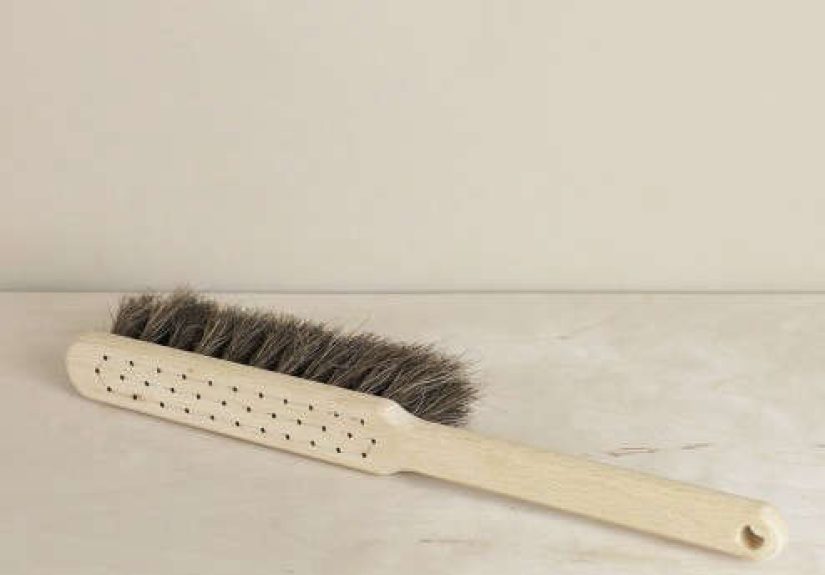
At its core, the Hand Broom No.3 – Horse Hair is a simple, traditional hand broom made for everyday sweeping. It is commonly associated with Swedish brush-making traditions and is often described as being made from beechwood, soft gray-brown horsehair, and steel wire. The design is straightforward: a slim wooden handle, a compact brush head, and dense natural bristles that can gather fine dust, crumbs, sand, lint, coffee grounds, and the mysterious tiny bits that appear under kitchen tables even when nobody admits to eating toast there.
What makes this hand broom special is not a flashy feature or a battery-powered gimmick. It does not beep, blink, connect to Wi-Fi, or ask for a firmware update. Instead, it offers something better: dependable, quiet performance. The horsehair bristles are soft enough for delicate surfaces yet dense enough to move debris efficiently. The wooden body feels warm in the hand. The whole object looks good enough to leave out, which is helpful because cleaning tools that are easy to reach tend to be used more often.
What Is the Hand Broom No.3 – Horse Hair?
The Hand Broom No.3 – Horse Hair is a compact sweeping brush designed to be used with a dustpan on floors, benches, counters, entryways, worktables, and small mess zones around the home. Depending on the retailer, similar versions measure around 30 centimeters long, or about 12 inches, with a brush head that is wide enough to move dust quickly but small enough to control with precision.
Typical Product Features
- Material: Beechwood handle or body with natural horsehair bristles
- Bristle feel: Medium-soft to soft, ideal for fine dust and light debris
- Use: Sweeping floors, counters, benches, tables, workshops, and entryways
- Construction style: Traditional stitched or wired brush-making design
- Best pairing: A metal or wooden dustpan with a flat lip
- Storage: Hanging, bristle-down drying, or display near a cleaning station
This is not a scrub brush. That distinction matters. A horsehair hand broom is best for dry sweeping, not for attacking dried pasta sauce like it owes you money. For sticky spills, hardened mud, or heavy outdoor debris, a stiffer brush is more appropriate. But for indoor dust, crumbs, pet hair, sawdust, flour, fireplace ash after it has fully cooled, or sand near the door, horsehair is beautifully suited.
Why Horsehair Works So Well for Sweeping
Horsehair has been used in brushes for generations because it offers a rare balance of softness, flexibility, and durability. The fibers bend as they move across a surface, helping them reach into tiny grooves and collect fine particles rather than simply pushing them away. On smooth floors, tables, shelves, and benches, that flexibility makes a real difference.
Unlike very stiff synthetic bristles, horsehair is gentle on finished wood, painted surfaces, tile, laminate, leather, upholstery, and delicate work surfaces. It is not magic, but it does feel close when you sweep a line of flour or sawdust and the broom gathers it instead of creating a dusty little weather system.
Soft Bristles, Serious Results
The main keyword here is horse hair hand broom, but the real value is in the bristle behavior. Fine horsehair bristles can pick up dust, sand, crumbs, and lightweight debris without scratching most surfaces. That makes the Hand Broom No.3 useful in homes with hardwood floors, natural stone, sealed concrete, tile, or carefully finished furniture.
It also helps that horsehair does not feel harsh. Many people prefer natural-bristle brooms because they glide smoothly. A plastic broom can sometimes scatter crumbs, especially on a hard floor. A good horsehair broom feels more controlled. It gathers, guides, and finishes the job with less drama. In the world of household cleaning, less drama is a luxury feature.
Best Uses for the Hand Broom No.3 – Horse Hair
The beauty of this broom is that it fits into the small cleaning moments that happen all day. You do not always need a full-size broom, vacuum, mop, or heroic Saturday cleaning session. Sometimes you just need to erase the evidence of a snack.
Kitchen Crumbs and Coffee Grounds
The kitchen is where the Hand Broom No.3 earns its keep. It is excellent for sweeping crumbs from under the breakfast table, brushing coffee grounds off the counter, cleaning flour from a baking area, or collecting rice grains that escaped the measuring cup. Its soft bristles make it especially helpful around cabinets, baseboards, and corners where lightweight debris hides.
Hardwood Floors and Delicate Surfaces
Hardwood floor care experts often recommend removing dust and grit regularly because tiny particles can behave like sandpaper under shoes and furniture. A soft horsehair hand broom supports that habit. It is gentle enough for quick daily sweeping in high-traffic spots such as entryways, hallways, kitchens, and dining areas.
For polished wood furniture, shelves, and benches, the Hand Broom No.3 can also work as a dry dusting brush. It should not replace a microfiber cloth for every job, but it is very useful when you need to move visible dust or crumbs without pressing hard on the surface.
Workshop Benches and Craft Tables
Woodworkers, model makers, artists, and crafters often need a brush that can clear fine dust without scratching projects. The Hand Broom No.3 fits that role nicely. It can sweep sawdust, pencil shavings, dried clay crumbs, paper scraps, thread bits, and other small debris from a bench or table. Because the bristles are soft, they are less likely to disturb delicate workpieces than a stiff shop brush.
Entryways, Mudrooms, and Pet Zones
Sand near the door, dry soil from plant pots, pet kibble around the bowl, and fur tumbleweeds in the corner are all good candidates for this broom. For wet mud or heavy gravel, use a tougher outdoor brush. But for dry indoor dirt, a horsehair broom keeps the cleanup quick and controlled.
Design: Why This Broom Looks So Good Hanging on a Wall
One reason people search for the Hand Broom No.3 – Horse Hair is its appearance. It belongs to the category of household tools that designers love: practical, natural, minimal, and quietly beautiful. The beechwood handle gives it a warm, Scandinavian look. The horsehair bristles add texture. The overall shape is simple enough to fit a farmhouse kitchen, modern apartment, rustic workshop, or carefully curated utility closet.
This matters more than it may seem. A cleaning tool that looks pleasant is less likely to be buried in a closet behind a mop bucket, three mystery cords, and a reusable shopping bag full of other reusable shopping bags. When a broom is attractive enough to hang by the door or beside the counter, it becomes part of the room. That means it is ready when mess happens.
Horsehair vs. Synthetic Bristles
Both horsehair and synthetic bristles have their place. A synthetic broom can be excellent for rough surfaces, outdoor patios, garage floors, and heavier debris. Many synthetic brooms are inexpensive, washable, and durable. However, they can sometimes be too stiff for delicate surfaces or too springy for fine dust.
Horsehair is different. It is softer, smoother, and often better at collecting fine indoor particles. It is especially appealing for people who prefer natural materials, traditional craftsmanship, and low-tech cleaning tools that age gracefully.
Choose Horsehair When You Need:
- Gentle sweeping on hardwood, tile, laminate, or furniture
- Fine dust collection from benches, counters, and shelves
- A quiet, lightweight brush for daily touch-ups
- A natural-bristle cleaning tool with a classic look
- A broom you can leave visible without offending your interior design standards
Choose Synthetic or Stiff Natural Fiber When You Need:
- Outdoor sweeping on rough concrete or brick
- Scrubbing dried mud, sticky residue, or stubborn grime
- Heavy-duty garage cleanup
- Wet cleaning or aggressive surface agitation
How to Use a Horsehair Hand Broom Properly
Using the Hand Broom No.3 is simple, but a few small techniques make it perform better. First, use light pressure. Horsehair bristles do not need to be mashed into the floor. Pressing too hard can flatten the bristles and reduce their ability to gather dust. Let the tips of the bristles do the work.
Second, sweep in short, controlled strokes toward the dustpan. This keeps fine particles from scattering. For very light dust, angle the broom slightly and use overlapping strokes. For crumbs or sand, sweep in a crescent motion and guide the debris into a compact pile.
Third, pair it with a dustpan that has a thin, flat edge. A beautiful broom deserves a dustpan that does not leave a tragic little line of dust behind. Metal dustpans often work well because their lips can sit close to the floor.
Care and Maintenance
A quality horsehair hand broom can last a long time if treated with basic care. The main rule is simple: avoid soaking the wooden body. Wood and water have a complicated relationship, like two neighbors who smile politely but should not share a fence.
Daily Care
After use, tap the broom gently outdoors or over a trash can to release trapped dust. You can also run your fingers lightly through the bristles to remove hair or threads. If the broom becomes dusty, shake it out and let it air.
Deeper Cleaning
If the bristles need cleaning, dip only the bristle tips in warm water with a small amount of mild soap. Do not submerge the wooden handle. Rinse the bristles lightly, shake out excess water, and let the broom dry with the bristles facing downward or hanging so moisture drains away from the wood.
Storage Tips
- Hang the broom when possible to protect the bristle shape.
- Keep it away from prolonged dampness.
- Avoid storing it crushed under other tools.
- Occasionally condition the wooden handle with a suitable natural oil if it looks dry.
Who Should Buy the Hand Broom No.3 – Horse Hair?
This broom is ideal for people who value well-made household tools, natural materials, and easy everyday cleaning. It is especially useful for apartment dwellers, homeowners with hardwood floors, bakers, woodworkers, pet owners, and anyone who prefers a small broom that feels pleasant to use.
It is also a thoughtful gift for people who enjoy practical design. A hand broom may not sound glamorous at first, but a beautifully made one can feel surprisingly special. It says, “I respect your home, your floors, and your right to sweep crumbs without using a neon plastic broom that looks like it came from a gas station.”
Buying Tips: What to Look For
When shopping for a horsehair hand broom, look for dense bristles, a smooth wooden handle, secure binding, and a comfortable shape. Beechwood is a common and reliable choice because it is durable and attractive. Split horsehair or soft horsehair is best for fine dust, while mixed bristles may add stiffness for heavier debris.
Check the size before buying. A smaller brush is great for countertops and tables, while a longer hand broom works better with a floor dustpan. If you want one broom for general use, a medium size around 12 inches is practical and easy to store.
Real-Life Experience: Living With a Horsehair Hand Broom
The first thing you notice about a good horsehair hand broom is that it makes tiny messes feel less annoying. That may sound dramatic for a broom, but it is true. With a bulky vacuum, every small spill feels like a decision. Do you drag it out? Is it charged? Where is the attachment? Why does the cord always catch on the chair leg like it has personal issues? With the Hand Broom No.3 – Horse Hair, the answer is easier: grab, sweep, done.
In a kitchen, this kind of broom becomes a daily helper. After toast, it catches crumbs. After coffee, it gathers grounds. After baking, it handles flour without sending a white cloud into the next room. It is especially satisfying with a well-fitting dustpan because the bristles are soft enough to guide fine particles over the lip instead of flicking them backward. That small detail makes the whole process feel cleaner and calmer.
On hardwood floors, the experience is gentle. The broom does not scrape or chatter across the surface. It glides. In high-traffic spots, such as the area near the front door, it is useful for quick maintenance between deeper cleanings. Sand and grit are easier to remove before they get walked across the floor, and that matters because grit can dull finishes over time. Keeping the broom close to the entryway turns sweeping into a ten-second habit rather than a weekend project.
On a desk or workbench, the broom feels almost luxurious. It can clear pencil shavings, paper scraps, sawdust, dried leaves from houseplants, and little craft leftovers without disturbing the whole workspace. A stiff brush can feel too aggressive around delicate projects, but horsehair has a softer touch. It is the kind of tool that makes you clean as you go, not because you have become a new person with perfect habits, but because the tool is pleasant enough that using it does not feel like punishment.
There is also an emotional side to using a natural hand broom. It slows the task down just enough to make it satisfying. The wooden handle feels better than plastic. The bristles have movement and texture. The object itself has character. In a home filled with disposable cleaning products, a traditional horsehair broom feels refreshingly permanent. It reminds you that a household tool can be useful, beautiful, and simple at the same time.
The main lesson from living with one is this: the best cleaning tool is often the one you can reach quickly. The Hand Broom No.3 – Horse Hair does not replace a vacuum, mop, or heavy-duty broom. It does something more specific. It handles the small mess before it becomes part of the scenery. It makes daily cleaning easier, quieter, and oddly enjoyable. That is a lot of personality for a little broom.
Conclusion
The Hand Broom No.3 – Horse Hair is a practical, attractive, and durable cleaning tool for people who appreciate simple things that work well. Its soft horsehair bristles are ideal for fine dust, crumbs, sand, and light debris, while the wooden handle gives it a timeless look that feels right at home in kitchens, workshops, mudrooms, and living spaces.
It is not the broom for every job. It will not scrub concrete, conquer wet mud, or replace a full cleaning kit. But for daily sweeping, delicate surfaces, and quick cleanup, it is exactly the kind of tool that proves good design does not need to shout. Sometimes it just needs a wooden handle, natural bristles, and a quiet place by the dustpan.