Table of Contents >> Show >> Hide
- What Happened in Sag Harbor?
- The Plea Deal That Lit the Match
- Why People Accused Timberlake of Getting Special Treatment
- DWI vs. DWAI: The Legal Difference Behind the Anger
- Timberlake’s Apology and Public Safety Message
- The Role of Celebrity in Public Outrage
- Was the Backlash Fair?
- What This Case Says About Modern Accountability
- How the Case Affected Timberlake’s Public Image
- Why the “One Drink” Message Is Risky
- What Ordinary Drivers Can Learn From the Timberlake Case
- Experience-Based Reflections: Why This Story Feels So Personal
- Conclusion
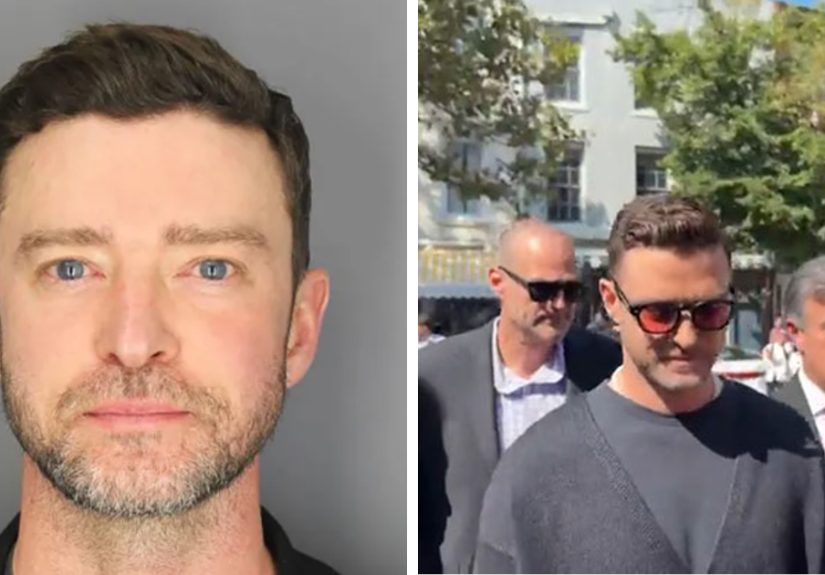
Justin Timberlake has spent decades performing under bright lights, but in 2024, the spotlight shifted from the stage to a small courthouse in Sag Harbor, New York. The pop star’s driving while intoxicated case ended with a reduced plea, a relatively modest fine, community service, a license suspension, and a court-ordered public safety message. Legally, the case followed a familiar path: an arrest, a defense challenge, negotiation, and a plea to a lesser offense. Publicly, however, it exploded into a debate about celebrity justice, accountability, and whether famous people glide through systems that ordinary drivers experience as brick walls.
The phrase “Shame on you” captured the tone of the backlash. For some readers, the plea looked like another example of wealth and fame softening the landing after a serious allegation. For others, the sentence reflected how many first-time impaired driving cases are resolved, especially when prosecutors and defense attorneys weigh the available evidence. Either way, the controversy became bigger than Timberlake. It turned into a cultural argument about drunk driving, public apologies, and the uneasy feeling that America has one justice system for regular people and another velvet-roped version for celebrities.
What Happened in Sag Harbor?
Timberlake was arrested in the early morning hours of June 18, 2024, in Sag Harbor, a wealthy Hamptons village known for quiet streets, summer crowds, and the occasional A-list sighting. Police said he failed to stop at a stop sign and did not stay in his lane. According to reports based on court documents, an officer observed signs often associated with impairment, including bloodshot eyes, the smell of alcohol, and difficulty with field sobriety tests.
Timberlake reportedly told officers he had consumed one martini and was following friends home. He was charged with driving while intoxicated, commonly called DWI in New York. He later pleaded not guilty, and his attorney maintained that he was not intoxicated. That defense posture mattered because the case did not begin and end with a celebrity saying sorry. There were legal questions, including what the prosecution could prove and how strongly the evidence supported the original charge.
Still, the basics were simple enough for the public to understand: famous singer, late-night stop, alleged impaired driving, refused chemical test, court appearance. In the internet age, that is not a legal timeline. That is rocket fuel.
The Plea Deal That Lit the Match
On September 13, 2024, Timberlake pleaded guilty to driving while ability impaired, often shortened to DWAI. In New York, DWAI is generally a lesser violation than misdemeanor DWI. The final sentence included a $500 fine, a $260 surcharge, 25 hours of community service at a nonprofit of his choice, a 90-day suspension of his New York driving privileges, and a requirement that he make a public safety announcement warning against impaired driving.
For the court, the plea brought the case to a close. For critics, it opened a new chapter. Many people saw the outcome and wondered whether an ordinary defendant would have walked away with the same deal. The frustration was not just about Timberlake. It was about the long-running suspicion that celebrity status can become a legal airbag: not a total escape, but a softer crash.
Why the Judge’s Response Mattered
Sag Harbor Village Justice Carl Irace reportedly scrutinized the terms of the plea and pushed for consequences that better reflected the seriousness of impaired driving. The final punishment included community service and a public safety announcement, which helped turn the sentence into a public-facing lesson rather than a quiet paperwork exercise.
That detail is important. The judge did not simply wave the matter through like a VIP host at a nightclub. The court added conditions meant to increase accountability. Yet the public reaction shows how difficult it is for celebrity defendants to satisfy public expectations. If the punishment is harsh, people call it performative. If it is light, people call it privilege. If it is somewhere in the middle, everyone opens a comment section and grabs a tiny pitchfork.
Why People Accused Timberlake of Getting Special Treatment
The backlash came from several places. First, impaired driving is not a harmless celebrity mishap. It is a public safety issue that can kill people. National road safety data consistently shows that alcohol-impaired driving remains a major cause of traffic deaths in the United States. So when a famous person receives what looks like a manageable penalty, people naturally compare it with the life-altering consequences impaired driving can have for victims and families.
Second, the final charge was reduced. Even though plea deals are common in American courts, the phrase “reduced charge” tends to sound suspicious to the public when the defendant is rich, famous, and represented by a high-powered attorney. Legal professionals may view the outcome as routine case resolution. Regular readers may view it as a discount coupon for celebrity behavior.
Third, the money involved seemed small compared with Timberlake’s wealth. A $500 fine is serious for many Americans. For a global pop star, critics argued, it sounds less like punishment and more like paying for premium parking at a stadium. That does not mean the court ignored the law. It means the same dollar amount can feel wildly different depending on who pays it.
DWI vs. DWAI: The Legal Difference Behind the Anger
New York law distinguishes between different alcohol-related driving violations. DWI is generally the more serious charge and can carry criminal penalties. DWAI, the charge Timberlake pleaded guilty to, is typically a traffic violation for a first offense. It can still bring fines, a license suspension, and other consequences, but it does not carry the same weight as a misdemeanor DWI conviction.
That distinction explains much of the controversy. To lawyers, the difference between DWI and DWAI is meaningful. It reflects levels of proof, evidence, negotiation, and statutory categories. To many members of the public, however, the distinction feels like legal hair-splitting. Their reaction is closer to: “You drank, you drove, and now we are debating acronyms?”
Both perspectives matter. Courts must follow law and evidence, not vibes. At the same time, public trust depends on whether outcomes appear fair. When the defendant is Justin Timberlake, the public does not just read the sentence. It reads the symbol.
Timberlake’s Apology and Public Safety Message
After the plea, Timberlake addressed the mistake publicly and urged people not to drive after drinking. He told people to use alternatives such as rideshare apps, taxis, or calling a friend. The message was straightforward and practical: if alcohol is involved, do not get behind the wheel.
That apology may have helped some observers see remorse. It also gave critics more material. Public apologies by celebrities often land awkwardly because they are part sincerity, part legal strategy, part brand repair, and part crisis communication. Even when the words are right, the setting can make them feel polished to a showroom shine.
Still, the message itself is worth repeating. One drink can become two. A short drive can become a disaster. A person can feel “fine” while their reaction time, judgment, and coordination are not fine at all. The safest plan is boring, and boring is beautiful: designate a driver, book a ride, walk if it is safe, or stay put. Nobody ever woke up regretting the cab ride that prevented a tragedy.
The Role of Celebrity in Public Outrage
Timberlake’s case struck a nerve because celebrity culture is built on contradiction. Fans elevate stars, follow their tours, stream their music, quote their interviews, and then expect them to behave better than ordinary people. When they do not, the disappointment feels personal, even though most fans have never shared a sandwich with them, let alone a moral contract.
But celebrity also changes the stakes. A person with a massive platform can influence behavior, normalize choices, or make bad decisions seem less serious. That is why a court-ordered public safety announcement was more than a symbolic slap on the wrist. Timberlake can reach people who might ignore a government campaign. The same fame that fueled the backlash can also be used to reinforce a useful message.
Of course, that does not erase the criticism. People were not merely upset that Timberlake made a mistake. They were upset because the case seemed to fit a familiar pattern: a high-profile figure gets accused of dangerous behavior, hires strong legal representation, receives a reduced charge, apologizes, and moves forward. Meanwhile, people without fame may face harsher employment, financial, and social consequences for similar allegations.
Was the Backlash Fair?
The fairest answer is: partly. It is fair to be angry about impaired driving. It is fair to demand accountability from public figures. It is fair to ask whether wealth and fame influence how cases are charged, negotiated, and perceived. Public skepticism did not appear out of nowhere. It grew from years of watching famous defendants receive outcomes that seem surprisingly gentle compared with the moral outrage surrounding their actions.
However, it is also fair to recognize that plea deals happen every day for non-famous defendants. Prosecutors often reduce charges based on evidence, prior record, legal risk, and practical court considerations. A reduced plea does not automatically prove corruption, favoritism, or a secret celebrity handshake performed under a mahogany desk.
The problem is not that every plea deal is suspicious. The problem is that public trust is fragile. When the defendant is famous, the public watches more closely. When the penalty appears light, people connect it to a broader belief that status matters. In that sense, Timberlake’s case became a mirror. People were not only reacting to him; they were reacting to what they believe the justice system often rewards.
What This Case Says About Modern Accountability
Accountability used to mean a court sentence, a fine, or a public apology. Now it means all of that plus viral commentary, memes, headlines, social media arguments, and long-tail search results that follow a person like glitter after a craft project. Timberlake’s DUI plea became a legal story, a celebrity story, and a search-engine story all at once.
That modern accountability can be messy. Online outrage can flatten nuance and treat accusation, plea, conviction, and moral judgment as the same thing. But it can also keep attention on issues that deserve it. Impaired driving should not be minimized just because the person involved has hit records, good hair, or a tour schedule.
The most useful takeaway is not that Timberlake is uniquely bad or uniquely protected. It is that impaired driving remains a serious risk, and public figures have a responsibility to treat it that way. The court imposed consequences. Timberlake acknowledged poor judgment. The public pushed back because it wanted the punishment to feel proportionate. All three things can be true at once.
How the Case Affected Timberlake’s Public Image
Before the arrest, Timberlake was already navigating a complicated public moment. His legacy includes enormous pop success, from NSYNC fame to a solo career packed with hits, tours, awards, and Super Bowl-level visibility. But fame does not freeze a person in their best era. Public opinion changes, and celebrity goodwill can shrink quickly when personal controversies stack up.
The DUI plea did not erase his career, but it added a new layer to how people discuss him. For loyal fans, it was a mistake and a lesson. For critics, it reinforced a narrative of privilege. For casual observers, it was another reminder that celebrity lives are not as polished as the promotional photos suggest.
That matters because reputation is not built only by success. It is built by how a person responds when success cannot protect them from scrutiny. Timberlake’s public safety message was necessary, but the deeper repair depends on time, consistency, and whether people believe he learned from the incident. Audiences can forgive, but they usually prefer not to feel managed.
Why the “One Drink” Message Is Risky
One detail that drew attention was the claim that Timberlake had one martini. Whether someone consumes one drink or several, the public safety message should not get stuck in math. Alcohol affects people differently depending on body size, food intake, medication, fatigue, drink strength, and time. A martini is also not exactly a thimble of lemonade. Depending on how it is poured, one cocktail can contain more alcohol than people assume.
That is why “I only had one” is such a dangerous phrase. It sounds responsible while still leaving room for risky behavior. A better rule is simpler: if you plan to drink, plan not to drive. Make the transportation decision before the first sip, not after the last call when your brain is suddenly auditioning for the role of Bad Decision Manager.
What Ordinary Drivers Can Learn From the Timberlake Case
The first lesson is practical: do not rely on confidence as a sobriety test. People are often terrible judges of their own impairment. Feeling normal does not mean driving safely. The second lesson is legal: refusing a chemical test can carry consequences, and it does not necessarily make a case disappear. The third lesson is social: one bad decision can become public, expensive, humiliating, and permanent in search results.
The fourth lesson is about planning. If you are going out, decide how you will get home before you leave. Put a rideshare app on your phone. Save a local taxi number. Choose a designated driver. Ask the host whether you can stay over. Build the safety net before you need it. Future you will be grateful, and future you is already dealing with enough emails.
Experience-Based Reflections: Why This Story Feels So Personal
Cases like “Shame On You”: Justin Timberlake’s DUI plea sparks backlash over alleged special treatment feel personal because nearly everyone has seen the danger of impaired driving up close. Maybe it was a friend who insisted they were “totally fine” after a night out. Maybe it was a family member who called for a ride and became everyone’s favorite responsible human. Maybe it was a local news story about a crash that turned an ordinary road into a memorial site with flowers, candles, and a photo taped to a signpost.
The experience many people bring to this topic is not abstract. It is emotional. People know that impaired driving is one of those mistakes that can go from “bad idea” to “life-changing tragedy” in seconds. That is why a celebrity plea deal can make strangers angry. They are not just thinking about a pop star in a courthouse. They are thinking about the teenager driving home from work, the parent crossing an intersection, the cyclist on the shoulder, or the passenger who trusted the wrong person with the keys.
There is also the everyday experience of unequal consequences. Many people have watched ordinary workers lose jobs over legal trouble, missed court dates, suspended licenses, or transportation problems. A 90-day suspension can be devastating for someone who drives to work, cares for children, or lives somewhere without reliable public transportation. When a wealthy celebrity receives the same formal penalty, it may not carry the same practical weight. That difference fuels the “special treatment” conversation, even when the written sentence matches what the law allows.
Another relatable experience is the awkwardness of public apology. Most people have had to apologize after poor judgment, though usually not with cameras waiting outside a courthouse. A good apology requires more than regret; it requires clarity. People want to hear: I did it, it was wrong, I understand the risk, and I will act differently. When celebrities apologize, audiences listen for sincerity but also for branding. That skepticism may be harsh, but it is understandable in a world where image repair can look like a choreographed dance routine.
Parents may view the Timberlake case through yet another lens. Many grew up with his music or watched him evolve from boy-band star to household name. When a famous figure connected to people’s youth gets tied to a DUI case, it creates a strange clash between nostalgia and disappointment. The soundtrack of someone’s teenage years suddenly has a court date attached to it. That does not mean fans must abandon the music, but it does remind everyone that admiration should not erase accountability.
For people who work in nightlife, hospitality, event planning, or transportation, the case also reinforces a practical truth: safe rides should be part of the plan, not an afterthought. Bars, restaurants, hotels, party hosts, and friend groups all play a role in normalizing sober transportation. The best nights out end with everyone getting home safely. The worst ones begin with someone saying, “It’s only a short drive.” Famous or not, that sentence has caused far too much damage.
Ultimately, the experience connected to this story is about trust. We trust drivers to share the road responsibly. We trust courts to apply consequences fairly. We trust public figures to use their influence wisely. When any part of that trust feels shaky, backlash follows. Timberlake’s plea may be legally resolved, but the public conversation continues because it touches something larger than one celebrity case: the belief that safety should matter more than status.
Conclusion
Justin Timberlake’s DUI plea sparked backlash because it sat at the intersection of celebrity, law, public safety, and public trust. The court case ended with a reduced DWAI plea, financial penalties, community service, a license suspension, and a public safety announcement. The public debate did not end as neatly. Critics saw a famous man receiving a soft landing. Supporters saw a common legal outcome and a public acknowledgment of poor judgment.
The strongest conclusion is also the simplest: impaired driving is serious, no matter who is behind the wheel. Fame may magnify the headlines, but it should not shrink responsibility. Timberlake’s case is a reminder that one decision can travel much farther than a car ride. It can reach a courtroom, a news cycle, a fan base, and a national conversation about fairness. If the backlash leads even a few people to choose a ride instead of driving after drinking, then the story may leave behind something more useful than outrage.
Note: This article is based on publicly reported case details, court outcomes, and impaired driving safety information available from reputable U.S. news and official safety sources. It is written for editorial and SEO publication purposes, not as legal advice.