Table of Contents >> Show >> Hide
- When Dogs “Travel” Better Than Humans
- The Real Heart Behind the Funny Edits
- Why Silly Dog Photos Make Us Feel Better
- Photo Manipulation as Storytelling
- Why the “Dog Travel” Concept Works So Well for SEO and Social Media
- What Creators Can Learn From This Series
- How Humor Helps Rescue Dogs Be Seen Differently
- The Joy of Imaginary Travel
- 500-Word Experience Section: What This Topic Feels Like in Real Life
- Conclusion
Note: This article is written for web publication and synthesizes real public information about the original dog photo manipulation series, pet photography, digital compositing, dog rescue awareness, and the human-animal bond. Source links are not included by request.
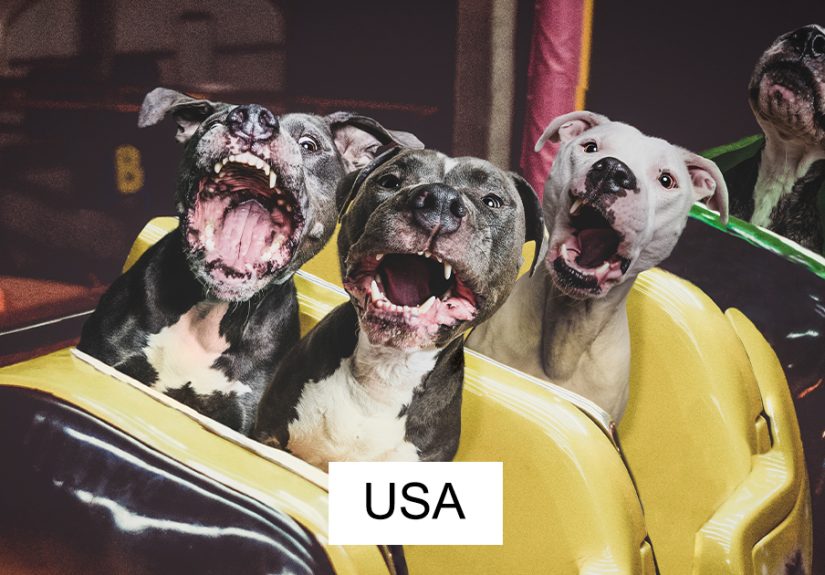
Some people collect postcards when they travel. Others collect fridge magnets, tiny Eiffel Towers, or sand that mysteriously escapes into every suitcase pocket. Melissa, the owner of Bella-Reed Photography, created something much funnier during the COVID-19 stay-at-home period: a world tour starring her four pit bull-type dogs, Bella Blue, Hershey, Pesto, and Nova Layne. The result was a cheerful series of silly photo manipulations showing her dogs “traveling” to famous landmarks without leaving home.
The title says it all: I Hope To Put A Smile On Your Face With These Silly Photo Manipulations Of My Dogs ‘Traveling’ (59 Pics). It is not just a cute dog gallery. It is a reminder that creativity can still pack a suitcase when the rest of us are stuck on the couch in sweatpants. The dogs visit places like Australia, New York City, Paris, India, Venice, Alaska, Mount Rushmore, and Joshua Tree. In real life, they were safely at home. In Photoshop life, they were international icons with more passport stamps than most humans.
That playful contrast is what makes the series work. The humor comes from seeing familiar dog expressions placed in dramatic, postcard-worthy settings. A dog standing proudly in front of Mount Rushmore suddenly feels like an official monument inspector. A pup in Venice looks like the only tourist who truly understands the assignment: relax, look adorable, and let everyone else worry about directions.
When Dogs “Travel” Better Than Humans
The magic of these dog photo manipulations is not technical perfection alone. It is personality. Anyone can paste a dog into a travel background, but not every image makes you feel like the dog belongs there. These pictures succeed because the dogs’ expressions tell tiny stories. A tilted head becomes curiosity. A wide grin becomes vacation joy. A tongue-out moment becomes, naturally, elite international diplomacy.
Melissa explained that she was staying home in the Philadelphia area during the pandemic and could not continue regular photography sessions. Instead of letting the situation flatten her creativity, she decided to “bring the world” to her dogs. That idea turned into a globe-trotting comedy project with a warm purpose behind it: spreading laughter and showing pit bulls in a positive, lovable light.
That last point matters. Pit bulls and pit bull-type dogs are often unfairly judged by stereotypes. A silly travel edit cannot solve every misconception, but it can soften the conversation. When people see Bella Blue, Hershey, Pesto, and Nova Layne looking goofy, gentle, curious, and full of character, the story shifts from fear to familiarity. Suddenly, the dogs are not headlines or labels. They are personalities.
The Real Heart Behind the Funny Edits
Comedy works best when it has heart, and this series has plenty. Melissa is also associated with Bella-Reed Pit Bull Rescue in Southeastern Pennsylvania, an organization she said had helped save more than 450 pit bulls since it began in 2013. That context gives the photos extra meaning. They are not only “dogs in funny places.” They are cheerful ambassadors for rescue dogs that deserve homes, patience, and fair treatment.
Pet rescue awareness often relies on emotional stories, urgent appeals, and before-and-after transformations. Those can be powerful, but humor can reach people differently. A person who might scroll past a serious post may stop for a dog pretending to visit the Eiffel Tower. A laugh can become a click, a click can become curiosity, and curiosity can become compassion.
That is one reason lighthearted animal content remains so popular online. Cute dog photos, funny pet videos, and creative pet portraits offer an instant emotional reset. They are easy to understand, easy to share, and almost impossible to look at without making at least one ridiculous sound. Even the most professional adult may suddenly whisper, “Who’s a world traveler?” at a screen. That is not weakness. That is science wearing a fluffy hat.
Why Silly Dog Photos Make Us Feel Better
Dogs have a special way of cutting through mental clutter. Their faces are expressive, their body language is honest, and their reactions can be wonderfully dramatic. Put a dog in front of a famous landmark, even digitally, and the human brain immediately starts writing a story. Is the dog impressed by the Taj Mahal? Is the dog judging Times Square? Did the dog bring snacks to Alaska? These are important cultural questions.
The human-animal bond is widely recognized as meaningful for emotional well-being. Many people experience comfort, companionship, and stress relief from interacting with pets or even viewing uplifting pet content. A funny dog image is not a replacement for real support, of course, but it can be a small bright spot in an ordinary day. During isolation, uncertainty, or boredom, that small bright spot can feel surprisingly big.
The timing of Melissa’s project made it especially relatable. When many people could not travel, gather, or continue their usual routines, these edited dog adventures created a fantasy vacation that required no airport lines, no hotel fees, and absolutely no panic over whether shampoo counts as a liquid. The dogs became stand-ins for everyone’s cabin fever. If humans could not go to Paris, perhaps Hershey could bravely handle the mission.
Photo Manipulation as Storytelling
At its best, photo manipulation is not just editing; it is visual storytelling. A believable composite usually depends on several details working together: lighting, scale, shadows, perspective, color, and emotion. In pet composites, personality is the secret ingredient. The dog’s expression must match the scene, or the image feels flat. A sleepy dog in a high-energy amusement park might be funny, but only if the mismatch feels intentional.
Melissa’s travel edits use familiar settings that viewers recognize instantly. That helps the joke land quickly. Mount Rushmore, Venice, the Eiffel Tower, Times Square, and the Northern Lights do not need lengthy explanations. They already carry visual meaning. Add a dog, and the image becomes a mini comedy sketch.
Famous Places, Familiar Faces
One of the strongest elements of the series is how it turns global landmarks into dog-friendly stages. The dogs are not simply placed in random backgrounds; they appear to “experience” the locations. Nova Layne in a Venice gondola feels like a tiny vacation scene. Bella Blue in Australia gives the impression of a first big adventure. Hershey enjoying snowy Alaska under the Northern Lights becomes a winter postcard with paws.
That familiarity makes the series accessible. A viewer does not need to understand advanced photo editing to enjoy it. The joke is immediate: these dogs are traveling the world, and they are somehow doing it with more confidence than anyone trying to read a train map in another language.
The Importance of Dog Personality
Good pet photography starts with character. Whether the image is natural or digitally manipulated, the animal should still feel like itself. A dog who loves toys, treats, attention, or dramatic posing will bring those traits into the frame. The best dog photos often come from patience, comfort, and play rather than stiff posing.
That is why the series feels charming instead of forced. The dogs’ natural expressions remain the center of the joke. The background may be spectacular, but the real star is still the dog. A landmark becomes funnier when a pup looks mildly confused by it. A glamorous destination becomes more lovable when a dog appears ready to sniff every historic corner.
Why the “Dog Travel” Concept Works So Well for SEO and Social Media
From a web content perspective, this topic has almost everything readers love: dogs, humor, travel, creativity, rescue awareness, and visual storytelling. Search engines favor helpful, original, readable content, but human readers still decide whether an article feels worth finishing. A story about silly photo manipulations of dogs traveling has a strong built-in hook because it promises instant joy.
The title is long, but it works because it is specific. It tells readers exactly what they will get: silly photo manipulations, dogs, travel, and 59 pictures. Specificity often performs well because it reduces uncertainty. A reader knows this is not a vague article about “cute pets.” It is a playful gallery-style story with a clear emotional goal: to put a smile on your face.
Related keywords also fit naturally. Phrases like dog photo manipulations, funny dog pictures, dogs traveling, pet photography, Photoshop pets, rescue dogs, pit bull awareness, and cute animal photos can appear without sounding stuffed. The topic is broad enough to attract pet lovers and narrow enough to feel unique.
What Creators Can Learn From This Series
Anyone who wants to create a similar project can learn a lot from the success of these images. First, start with a simple idea. “My dogs travel the world from home” is easy to explain in one sentence. That matters. Viral-friendly creative projects usually have a concept people can understand instantly.
Second, use repetition with variation. Each image follows the same basic formula: dog plus destination. But the destination, pose, expression, and caption change. This creates consistency without boredom. Readers know what type of content they are getting, but they still want to see the next image because each location creates a new joke.
Third, connect humor to a deeper message. The series is funny on the surface, but it also promotes positive views of pit bulls and rescue dogs. That gives the project emotional depth. People may arrive for the comedy and leave with a warmer view of misunderstood dogs.
Practical Tips for Making Funny Dog Travel Edits
If you want to try your own pet travel photo manipulation project, begin with photos of your dog in good light. Natural light near a window or outdoors in gentle shade usually works well. Clear, sharp images make editing easier. Try photographing your dog from angles that can match travel backgrounds: sitting, standing, looking upward, facing sideways, or gazing into the distance like a tiny philosopher considering hotel breakfast.
Next, choose backgrounds with similar lighting and perspective. If your dog is lit from the left, a background with sunlight from the right may look odd. Shadows matter, too. Even a simple soft shadow under the paws can help the dog feel grounded in the scene rather than floating like a furry weather balloon.
Finally, write captions that add humor without overexplaining. A good caption should make the viewer feel like the dog has a plan, a problem, or a vacation opinion. For example: “Pesto brought water to the desert” works because it gives the image a playful story. Dogs do not need long speeches. Their faces already do half the writing.
How Humor Helps Rescue Dogs Be Seen Differently
One of the most valuable parts of this project is its positive framing of pit bull-type dogs. Breed stereotypes can be stubborn, especially when people only see negative stories. Lighthearted, affectionate content gives viewers another perspective. It shows dogs as individuals with quirks, sweetness, and expressive faces.
Rescue organizations often work hard to help the public see beyond labels. Photos can play a major role in that effort. A well-made portrait can make a dog look approachable and adoptable. A funny themed image can make people pause long enough to learn more. In that sense, creative photography becomes more than art; it becomes advocacy.
This does not mean every rescue dog needs a comedy photoshoot in front of the pyramids, although frankly, the internet would not object. It means storytelling matters. When animals are presented with warmth, dignity, and humor, audiences are more likely to connect with them emotionally.
The Joy of Imaginary Travel
Travel is partly about place, but it is also about imagination. People love the idea of discovering new scenes, collecting memories, and stepping outside the ordinary. During times when real travel is impossible or inconvenient, imaginary travel can still give people a sense of escape.
That is exactly what these dog edits provide. They do not pretend to be real travel photography. Their charm comes from the obvious silliness. We know the dogs are not actually touring Venice or posing in India, but our brains happily play along because the fantasy is harmless, funny, and adorable.
In a way, the series captures the spirit of armchair travel. Viewers can visit iconic places in seconds, guided by four dogs who have no interest in currency exchange rates, museum hours, or whether the hotel has decent Wi-Fi. They are simply there to look cute and improve the emotional climate.
500-Word Experience Section: What This Topic Feels Like in Real Life
Anyone who has ever tried to photograph a dog knows the process is both delightful and mildly chaotic. You begin with a vision: your dog sitting beautifully, eyes bright, ears perfect, looking like the cover model for a luxury pet magazine. Five seconds later, your dog is licking the floor, walking away, or staring at something behind you that may or may not be a ghost. That is the true art of dog photography: accepting that your subject has opinions.
Creating silly dog travel photo manipulations would make that experience even more entertaining. Imagine setting up a simple home photoshoot with treats, toys, and a clean background. You ask your dog to sit. The dog hears “perform interpretive dance.” You ask for one serious pose. The dog gives you a face that says, “I have never paid taxes and I never will.” Somehow, those imperfect moments often become the best material for funny edits.
The beauty of a project like this is that it turns everyday pet behavior into adventure. A dog looking confused can become a tourist lost in Times Square. A dog with a big grin can become a beach vacation expert. A dog staring intensely at the camera can become a royal guard outside Buckingham Palace, even if the original photo was taken beside a laundry basket. Creativity gives ordinary moments a second life.
There is also something emotionally grounding about working on pet-centered art. Editing photos of dogs forces you to notice details: the shape of an ear, the softness of the eyes, the goofy timing of a tongue-out expression. Those details remind us why pets become family. They are not perfect models, but they are perfectly themselves. That authenticity is what makes viewers smile.
For pet owners, a silly project like this can become a memory album. Years later, the images are not only jokes; they are snapshots of personality. You remember which dog loved treats, which one refused to sit still, which one accidentally created the funniest pose, and which one looked like a professional travel influencer despite having absolutely no idea what Paris is.
For viewers, the experience is simpler but still meaningful. You scroll, you laugh, you send the photo to a friend, and suddenly the day feels a little lighter. That is the quiet power of wholesome internet creativity. It does not need to be loud, expensive, or complicated. Sometimes all it takes is a rescue dog, a famous landmark, a clever caption, and a creator who wants to make people smile.
That is why this series remains so easy to appreciate. It captures a universal feeling: we all want a little escape, a little laughter, and a reminder that joy can be made from whatever is nearby. Even when the world feels heavy, a dog can still “travel” the globe from the living room. And honestly, if the dog avoids airport security lines, maybe the dog is the smartest traveler of all.
Conclusion
I Hope To Put A Smile On Your Face With These Silly Photo Manipulations Of My Dogs ‘Traveling’ (59 Pics) is more than a funny pet gallery. It is a creative response to isolation, a love letter to dogs, and a playful act of rescue advocacy. Melissa’s project turned four beloved pitties into globe-trotting stars, proving that imagination can make a living room feel like a departure gate.
The series works because it combines humor with heart. The edits are silly, but the message is sincere: dogs can bring comfort, creativity can lift people up, and misunderstood rescue pets deserve to be seen with warmth. Whether Bella Blue, Hershey, Pesto, and Nova Layne are “visiting” Australia, Venice, Paris, Alaska, or New York City, the real destination is simple. They are traveling straight toward the reader’s smile.