Table of Contents >> Show >> Hide
- Why Old Banat Houses Matter More Than They First Appear
- What Makes Old Banat Houses So Photogenic?
- The Charm And Tranquility Of The Old Banat
- How I Photograph Old Houses In The Countryside
- Why These Photographs Matter Beyond Beauty
- Practical Lessons From Photographing Old Banat Houses
- Conclusion
- My Experiences Photographing Old Houses In The Old Banat
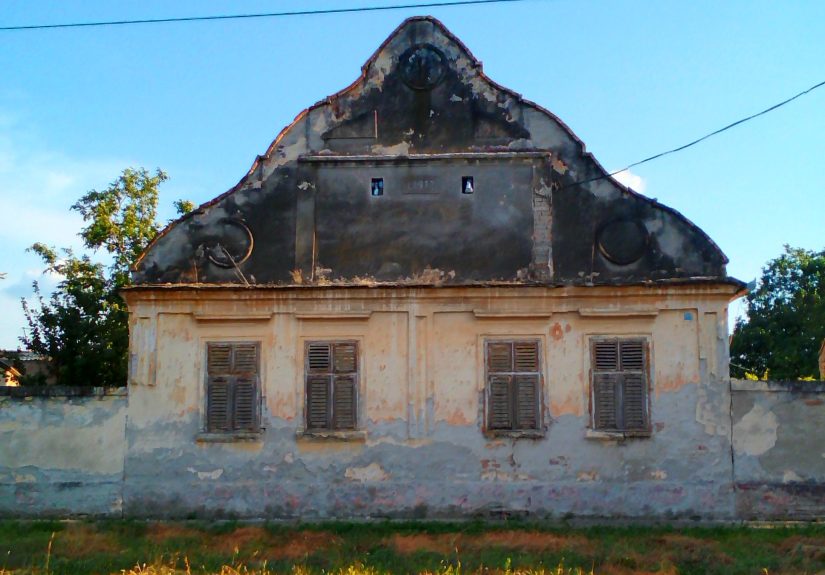
There are places that ask for fireworks, drone shots, dramatic music, and a suspicious amount of lens flare. Old Banat is not one of them. The countryside of the historic Banat region whispers instead of shouts, and that is exactly why I keep photographing its old houses. They do not beg for attention. They simply stand there with peeling plaster, sagging gates, clay roofs, vegetable gardens, and the kind of calm that makes modern life look like an overcaffeinated group chat.
When I walk through villages in the old Banat, I am not chasing “ruins” in the gloomy, postcard-for-people-who-love-fog sense. I am looking for lived-in history. These homes belong to a region shaped by rivers, plains, farming, migration, empire, and everyday labor. Banat has long been a crossroads, and that layered history still shows up in its villages: in the rhythm of the streets, the practical layouts of the homes, the depth of courtyards, and the quiet logic of houses designed to work hard before they ever tried to look pretty.
And yet, pretty they are. Or maybe “beautifully honest” is the better phrase. Old houses in the Banat countryside often reveal something newer homes work very hard to fake: character. Not the staged kind with a distressed table bought at a lifestyle store, but the real kind built by weather, repairs, memory, and use. That is what my camera keeps returning to. I am not just photographing walls. I am photographing patience.
Why Old Banat Houses Matter More Than They First Appear
One of the biggest mistakes people make when looking at rural houses is assuming that only grand architecture counts. Mansions get the coffee-table books, sure, but common houses carry a different kind of authority. They show how ordinary people actually lived, built, adapted, stored food, sheltered animals, welcomed guests, and survived changing times. In other words, these homes are social history wearing roof tiles.
That is what makes old Banat houses so compelling. Their value is not just decorative. It is cultural. They belong to a long tradition of vernacular architecture, the kind shaped by local materials, climate, craft, and necessity. They were made to function first. That practical beauty is part of their magic. A straight wall, a deep eave, a shaded porch, a sturdy gate, a long lot stretching behind the house toward barns, gardens, and orchardsnone of it was accidental. It all made sense before it became photogenic.
Banat’s history gives those houses even more depth. The region was shaped by multiple communities over centuries, including Romanian, Serbian, Hungarian, and German-speaking settlers, especially after Habsburg colonization in the eighteenth century. That layered past left visible traces in village life and building culture. Even when the exact story of a specific house is partly lost, the street still remembers. The proportions remember. The gates remember. The rhythm of one house beside another remembers.
What Makes Old Banat Houses So Photogenic?
1. They were built for real life, and reality photographs well
Some buildings are camera-friendly because they are flashy. Old Banat houses are camera-friendly because they are true. Their forms are usually practical and grounded: long facades facing the street, modest ornament, useful outbuildings, garden walls, textured plaster, weathered wood, and the occasional brilliant detail that shows up like a wink from the past. A blue window frame. A hand-painted number. A carved beam. A gate that has seen more gossip than the internet.
That practical elegance matters. Across cultures, vernacular buildings often become visually powerful precisely because they were designed to serve daily needs. Functional beauty ages well. A barn, farmhouse, or rural house may never have been conceived as “art,” but time has a funny habit of rewarding honest design. It strips away fashion and leaves proportion, material, and craftsmanship in plain sight.
2. Their surfaces are full of stories
New houses are often smooth, sealed, polished, and emotionally unavailable. Old houses, on the other hand, overshare beautifully. The cracked limewash, patched stucco, uneven brick, faded paint, and softened corners all become visual evidence of years lived on-site. Every repair tells you somebody cared enough to keep going. Every worn threshold says people passed here again and again. Every crooked shutter says perfection was never the point.
That texture is gold for photography. Texture catches light. Texture creates mood. Texture makes a quiet image feel alive. I can spend ten minutes photographing one door because the paint has split into a map of tiny islands, and suddenly the whole frame feels like a memoir written in wood grain.
3. The landscape and the house complete each other
Old Banat houses rarely sit alone as isolated objects. They belong to a wider rural setting: fields, unpaved lanes, fences, barns, fruit trees, wells, vines, and skies that seem in no hurry whatsoever. This relationship between house and landscape is a huge part of the charm. The house is not merely on the land; it is of the land.
That is why these images feel so peaceful. The tranquility does not come from emptiness. It comes from coherence. House, yard, path, gate, and field all belong to the same sentence. When I compose a shot, I try not to crop that sentence in half.
The Charm And Tranquility Of The Old Banat
People often use the word “tranquil” too casually, as if it means nothing more than a pretty scene with no traffic. But the tranquility of old Banat is richer than that. It is the calm of continuity. It is the feeling that daily life once moved in a rhythm shaped by seasons instead of notifications. The houses contribute to that feeling because they carry the scale of ordinary human life. They are not built to intimidate. They are built to shelter, store, host, and endure.
There is also a visual modesty to them that I love. These homes are rarely trying to impress strangers. Their beauty is local, grounded, and untheatrical. A house with sun-faded plaster and grapevines may not scream “masterpiece,” but photograph it in late afternoon light, and suddenly it says more about grace than a dozen luxury villas ever could. Sometimes the best architecture is the kind that forgot to brag.
And yes, silence plays a role. In many villages, you hear wind, birds, distant dogs, maybe the creak of a gate. That quiet changes how you see. It slows your eye. You start noticing roof pitches, masonry repairs, laundry lines, shadows under eaves, and the way a small bench near a doorway suggests the entire social life of summer evenings. Photography becomes less about hunting spectacle and more about receiving atmosphere.
How I Photograph Old Houses In The Countryside
Work with light, not against it
Architectural photography is a humbling art because the building, the weather, and the sun are all stronger personalities than you are. Morning and late afternoon are usually my favorite times, because light rakes across textured surfaces and brings out depth. Midday can flatten everything into a hot, judgmental pancake. Sometimes I still shoot then, but only if the shadows are doing something interesting or the clouds are kind enough to intervene.
I also move slowly. A good house photograph is not always the first obvious front-facing shot. Often the better image is at the side, near the gate, across the road, from behind a tree, or from the angle where the wall, roofline, and lane suddenly fall into balance. Leading lines help, especially with fences, paths, and facades, but I do not force geometry so hard that the house starts looking like it is auditioning for a math textbook.
Include evidence of life
One of the best ways to photograph old rural homes is to avoid turning them into sterile museum objects. I love the little details people usually edit out: a broom by the door, jars in the window, stacked wood, laundry, a bicycle, a cat pretending to own the property. Those details matter because they remind us that heritage is not only about preservation. It is also about use.
Even abandoned houses should be photographed with respect. I do not approach them as aesthetic trophies or ready-made sadness machines. I try to show them as parts of a broader cultural landscape, not as props for melancholy. There is a big difference between documenting loss and romanticizing neglect.
Use technique in service of feeling
A tripod helps. So does patience. Wide shots establish context, but closer details often carry the emotional weight: a latch, a window frame, a rain mark, a hand-built brick pattern, a patched wall. If the light is difficult, I would rather take several careful frames than rush one mediocre shot and later blame the sun like it personally insulted me.
Most importantly, I ask what the place feels like before I decide what it should look like. A calm village lane does not need aggressive editing. A soft afternoon does not need cinematic apocalypse colors. The old Banat already has a mood. My job is not to invent it. My job is to notice it properly.
Why These Photographs Matter Beyond Beauty
Photographing old houses is not only an aesthetic hobby. It can also be an act of cultural memory. Documentation matters. Historic buildings all over the world disappear through neglect, redevelopment, bad renovation, depopulation, weather damage, and plain old indifference. Once a house is gone, its details are gone with it unless someone recorded them carefully.
That is one reason heritage documentation has long been so important in preservation work. The record of a buildingits plan, surfaces, materials, site, and settingcan help future researchers understand how people lived and how places evolved. In some cases, documentation even helps restoration after damage. In everyday terms: today’s “just one old house” can become tomorrow’s missing chapter.
This is especially relevant in rural areas. Across many parts of Europe, old villages have faced depopulation, disrepair, or pressure to modernize in ways that erase local character. At the same time, there is a growing appreciation for traditional buildings, local materials, and rural heritage. That tension is visible everywhere: between repair and replacement, memory and convenience, continuity and neglect. My photographs live inside that tension.
I know a camera cannot save every house. It cannot fix a roof or stop a bad renovation or convince a municipality to care. But it can make people look. And sometimes looking carefully is where caring begins.
Practical Lessons From Photographing Old Banat Houses
- Photograph the whole setting, not just the facade. A village house without its gate, garden, lane, or outbuildings loses part of its meaning.
- Return in different seasons. Spring blossoms, summer shade, autumn vines, and winter bare branches each reveal a different personality.
- Pay attention to local materials. Plaster, tile, timber, brick, and stone all respond differently to light and weather.
- Look for useful details. Wells, benches, shutters, porches, storage spaces, and boundary walls reveal how the house functioned.
- Do not over-edit the image. Rural heritage usually speaks best in a natural visual language.
- Respect owners and communities. These are homes and histories, not collectible backdrops.
Conclusion
I photograph old houses in my countryside because they hold together things modern life keeps splitting apart: beauty and utility, memory and routine, architecture and landscape, stillness and presence. The old Banat is charming not because it is frozen in time, but because time is visible there. You can see it in repaired walls, sunken thresholds, fading paint, and gardens still stubbornly producing life beside aging structures.
That is the tranquility I want to capture. Not silence as emptiness, but silence as depth. Not nostalgia as fantasy, but affection sharpened by observation. Every old Banat house I photograph feels like a small argument against forgetting. And honestly, in an age where everything wants to be louder, faster, shinier, and somehow also beige, that feels like reason enough to keep pressing the shutter.
My Experiences Photographing Old Houses In The Old Banat
The most memorable days are rarely the dramatic ones. They are the slow days when I leave home thinking I will “just take a short walk” and return hours later with dusty shoes, a full memory card, and absolutely no clue what happened to the afternoon. The countryside has a way of doing that. You start with one house at the end of a lane, then notice another behind an apricot tree, then a gate with peeling green paint, then a barn roof glowing in the sun, and suddenly you are in a full relationship with a village street.
I remember one summer evening when the light was so soft it looked as if the whole road had been dusted with flour. I found a long whitewashed house with a low roof, two front windows, and a wooden bench near the entrance. Nothing about it was grand. No elaborate ornament. No heroic symmetry. But a climbing vine had reached across the wall, and the shadow of the leaves moved gently over the plaster like water. I took wide shots first, then closer details: the latch, the chipped blue trim, the cracks near the sill, the worn doorstep. The photos turned out well, but what stayed with me most was the feeling that the house was still participating in the evening. It was not a relic. It was present.
Another time, I got caught in a light rain while photographing a row of older homes along a quiet road. At first I thought the weather had ruined the outing. Then the colors deepened, the dust settled, and every surface suddenly became richer. Roof tiles darkened. Wood grain sharpened. The road reflected the facades just enough to create a second, trembling version of the village. I laughed out loud because the sky had done what editing software always promises and rarely delivers.
Sometimes the experience is less poetic and more human. An older resident steps outside and asks what I am doing. I explain that I am photographing the old houses because they are beautiful and important. Usually the conversation changes everything. The house is no longer just a composition. It becomes a family story. Someone points to a rebuilt wall, a removed stable, a fig tree planted by a grandfather, a room that used to be for weaving, a gate repaired after a storm. Those moments remind me that photography is not only visual. It is relational.
I have also learned that tranquility is not the absence of life. In the old Banat, tranquility often includes chickens making terrible decisions, dogs issuing official statements at every passerby, and a tractor appearing exactly when you thought the frame was perfect. But even that becomes part of the truth of the place. Rural peace is not silence in a glass box. It is rhythm, familiarity, and a sense that everything has its hour.
That is why I keep returning. Every old house teaches me to slow down, notice more, and expect less spectacle. It reminds me that beauty can be modest, that history can survive in ordinary forms, and that calm is sometimes found not in untouched perfection but in things that have endured. When I photograph these houses, I feel like I am collecting small proofs that the world does not need to be loud to be unforgettable.