Table of Contents >> Show >> Hide
- Why Popular Things Can Feel So Cringeworthy
- 25 Popular Things That People Say Are No Good
- 1. Hustle Culture
- 2. Influencer “Must-Haves”
- 3. Fake Online Reviews
- 4. Multi-Level Marketing “Business Opportunities”
- 5. Social Media Flexing
- 6. Overpriced Minimalism
- 7. Fast Fashion Hauls
- 8. Detox Cleanses
- 9. Extreme Productivity Apps
- 10. Dating App Small Talk
- 11. Celebrity Worship
- 12. Viral Water Bottles
- 13. Overhyped Streaming Shows
- 14. Subscription Everything
- 15. “Main Character Energy”
- 16. Performative Wellness
- 17. Expensive “Clean” Beauty Claims
- 18. Over-the-Top Gender Reveal Parties
- 19. True Crime as Casual Entertainment
- 20. Crypto Hype and Get-Rich-Quick Talk
- 21. AI Everything
- 22. Luxury Logo Obsession
- 23. Energy Drink Culture
- 24. News Outrage Cycles
- 25. The Phrase “No Offense, But…”
- What These Overrated Things Have in Common
- Why People Keep Defending Popular Things Anyway
- How to Enjoy Trends Without Becoming the Cringe
- Personal Experiences and Everyday Observations About Popular Things That Disappoint
- Conclusion: Popular Does Not Always Mean Worth It
Some things become popular because they are genuinely useful, fun, or delicious. Others become popular because the internet collectively looked at them, shrugged, and said, “Sure, let’s make this everyone’s personality for six months.” That is where the quiet cringe begins.
We all know the feeling. Someone at brunch brings up the “life-changing” supplement, the “must-watch” show, the “hustle mindset,” or the viral product they bought in three colors, and your face politely smiles while your soul quietly exits through the nearest window. Popular does not always mean good. Sometimes popular means loud, expensive, over-marketed, or simply unavoidable.
This article is not here to cancel joy. If you love a trend, enjoy it. Life is short, and nobody should be emotionally interrogated for liking iced coffee, reality TV, or a cup with a handle big enough to qualify as architecture. But it is fair to ask why so many hyped-up things leave people feeling disappointed, exhausted, or mildly embarrassed on behalf of civilization.
Below are 25 popular things that many people say are no goodor at least not nearly as amazing as the hype machine claims.
Why Popular Things Can Feel So Cringeworthy
Popularity has always been a little suspicious. When something becomes trendy, it often stops being about the thing itself and starts being about identity. People do not just buy the cup; they join the cup movement. They do not just watch the show; they announce that anyone who has not watched it is failing culturally. They do not just use an app; they build a whole vocabulary around it.
That is when harmless enthusiasm can turn into social pressure. A product, habit, or opinion becomes so overexposed that even people who might have enjoyed it start backing away like it is a raccoon guarding a trash can.
25 Popular Things That People Say Are No Good
1. Hustle Culture
Hustle culture sells exhaustion with better lighting. The idea sounds productive: work harder, wake earlier, monetize your hobby, and treat sleep like a suspicious character flaw. In reality, many people find it draining and unrealistic. Ambition is healthy. Turning every peaceful minute into a side quest for income? That is how your houseplants become worried about you.
2. Influencer “Must-Haves”
Influencer recommendations can be useful, especially when they are transparent and honest. The cringe begins when every product is “obsessed-worthy,” “life-changing,” or “literally the best thing ever.” If a facial mist, planner, protein cookie, and beige throw blanket all changed someone’s life in the same week, maybe the word “changed” needs a vacation.
3. Fake Online Reviews
Online reviews are supposed to help consumers. Unfortunately, fake testimonials and paid praise have made many shoppers suspicious. When every five-star review sounds like it was written by a robot who just discovered adjectives, people start wondering whether the product worksor whether the marketing department simply had a very busy Tuesday.
4. Multi-Level Marketing “Business Opportunities”
MLM pitches often arrive wearing the costume of empowerment. They promise freedom, community, and income from home. But many people earn little or nothing, and some lose money after buying starter kits, inventory, or training materials. The awkward part is not entrepreneurship. It is being invited to a “coffee chat” and realizing halfway through that the coffee was bait.
5. Social Media Flexing
There is nothing wrong with sharing wins. But constant flexingluxury bags, fake candid airport photos, “casual” watch shots, and motivational captions posted from a rented sports carcan become exhausting. The internet has made it easy to perform success. Sadly, performing success often looks more stressful than simply being okay.
6. Overpriced Minimalism
Minimalism began as a way to simplify life. Then someone discovered you could sell a plain white bowl for $86 if you described it as “intentional.” Minimalist design can be beautiful, but overpriced emptiness has become its own comedy genre. Sometimes a room is not serene; it is just missing chairs.
7. Fast Fashion Hauls
Fast fashion hauls can be fun to watch, but the cycle of buying, wearing once, and discarding has real downsides. Many shoppers now feel conflicted when “affordable style” becomes piles of barely worn clothing. The trend can make closets look full while leaving people feeling strangely unsatisfied, like eating cotton candy for dinner.
8. Detox Cleanses
Detox products promise to “reset” the body, usually with juices, powders, teas, or suspiciously dramatic bathroom experiences. The body already has detox systems, including the liver and kidneys, and many commercial cleanse claims are poorly supported. If a drink says it will remove “toxins” but never names the toxins, that is not science. That is a smoothie with a publicist.
9. Extreme Productivity Apps
Productivity tools can help people organize tasks. But some apps become another job. Users spend more time color-coding goals, tagging projects, and building dashboards than doing the actual work. At a certain point, your productivity system needs its own productivity system, and everyone involved should take a walk.
10. Dating App Small Talk
Dating apps are popular because they offer access and convenience. They are also famous for burnout, ghosting, vague bios, and conversations that begin and end with “hey.” Many users say the apps feel less like romance and more like scrolling through human resumes where everyone claims to love travel, tacos, and “good vibes.”
11. Celebrity Worship
Enjoying an actor, musician, or athlete is normal. Treating famous strangers like moral philosophers, lifestyle coaches, and emergency contacts is where things get strange. Celebrities can be talented without being qualified to guide every aspect of public life. Sometimes they are just people with stylists, contracts, and unusually shiny cheekbones.
12. Viral Water Bottles
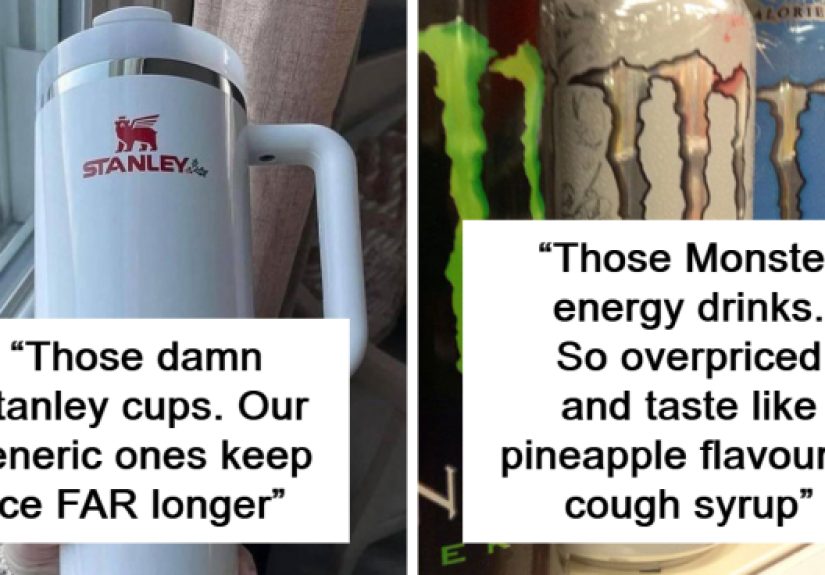
Reusable bottles are practical. Hydration is good. But viral bottle culture can get weird fast. When one person owns seven giant cups because each one represents a different “era,” the planet may quietly ask whether we understood the reusable part. A water bottle should help you drink water, not require a display cabinet.
13. Overhyped Streaming Shows
Some shows deserve the buzz. Others become mandatory cultural homework. People are told, “You have to watch it,” only to discover six episodes of dim lighting, whispering, and a plot twist that appears to have wandered in from another building. Streaming fatigue is real, and not every limited series needs eight hours to say, “rich people are sad.”
14. Subscription Everything
Subscriptions can be convenient, but the modern economy has turned small monthly charges into financial glitter: impossible to fully clean up. Music, movies, fitness, cloud storage, meal kits, meditation apps, newsletters, software, and toothbrush heads all want recurring access to your bank account. The cringe begins when canceling takes longer than a dental appointment.
15. “Main Character Energy”
Confidence is wonderful. Self-absorption is less charming. “Main character energy” started as a fun phrase about romanticizing your life, but it can become an excuse to act like everyone else is background furniture. You can be the main character in your own life without blocking a sidewalk to film your coffee.
16. Performative Wellness
Wellness should help people feel better. Performative wellness often makes them feel behind. It turns normal life into a checklist: perfect morning routine, supplements arranged like tiny soldiers, sauna blanket, cold plunge, gratitude journal, mushroom coffee, and a sleep score that judges you harder than a middle school gym teacher.
17. Expensive “Clean” Beauty Claims
Many people like simple ingredients and gentle skincare. The problem is that “clean” can be vague, emotional, and inconsistent. A product is not automatically safer because the label uses leaves, beige packaging, or the word “pure.” Good skincare depends on evidence, formulation, and individual needsnot whether the bottle looks like it meditates.
18. Over-the-Top Gender Reveal Parties
A small celebration can be sweet. But some gender reveals have become theatrical events involving smoke cannons, explosives, aircraft, or cakes with more secrecy than a spy agency. The cringe comes from scale. When announcing a baby requires a municipal cleanup crew, maybe a group text would have done the job.
19. True Crime as Casual Entertainment
True crime can raise awareness and explore justice issues. But the genre gets uncomfortable when real victims become bingeable content, merch jokes, or background noise for folding laundry. People are increasingly noticing the ethical line between thoughtful storytelling and treating tragedy like a spooky snack.
20. Crypto Hype and Get-Rich-Quick Talk
Blockchain technology has serious uses, and some investors understand the risks. But crypto hype often attracts loud certainty, vague explanations, and financial advice from people whose main credential is a cartoon profile picture. Whenever someone says, “It can only go up,” history quietly puts on a helmet.
21. AI Everything
Artificial intelligence is powerful and useful in many areas. Still, not everything needs AI. A toaster does not need to “leverage machine learning” to brown bread. A notebook does not need predictive intelligence. Sometimes the best smart device is a regular device that works and does not ask for a firmware update before breakfast.
22. Luxury Logo Obsession
Luxury can reflect craftsmanship, design, or heritage. But logo obsession turns clothing into a billboard people pay to wear. The issue is not liking nice things; it is mistaking visible branding for personal taste. A giant logo can say “expensive,” but it does not always say “interesting.”
23. Energy Drink Culture
Energy drinks are popular because people are tired. Very tired. Historically tired. But relying on canned lightning can backfire, especially when high caffeine levels collide with poor sleep, stress, and dehydration. The temporary buzz can become a cycle: drink energy, sleep badly, wake tired, repeat until your left eye develops its own personality.
24. News Outrage Cycles
Staying informed matters. Living inside a permanent outrage blender does not. Cable panels, algorithmic feeds, and hot-take culture can make every issue feel like a five-alarm fire. Many people now cringe when conversations become less about understanding and more about proving who is angriest the fastest.
25. The Phrase “No Offense, But…”
This one is popular in everyday conversation, and it is almost never followed by anything harmless. “No offense, but” is basically a verbal seatbelt before impact. People say it before delivering an opinion that has put on boots and is ready to stomp through the room. A better option is honesty with mannersradical, yes, but worth trying.
What These Overrated Things Have in Common
The most cringeworthy popular things usually share a few traits. First, they are over-marketed. The product or idea may have started out useful, but then it got inflated until nobody could talk about it normally. Second, they create social pressure. People feel pushed to buy, join, watch, post, upgrade, or agree. Third, they promise identity, not just utility. You are not just purchasing a cup; you are becoming the kind of person who owns the cup.
That identity layer is powerful. Brands and trends succeed when they make people feel seen, stylish, disciplined, adventurous, successful, or ahead of the curve. The problem appears when the promise is bigger than the payoff. A trendy purchase may not improve your life. A viral routine may not fix your stress. A hyped show may not deserve your weekend. A luxury logo may not make an outfit better. And a productivity app may not make Monday less Monday.
Why People Keep Defending Popular Things Anyway
People often defend trends because they have invested money, time, or ego into them. Once someone buys the expensive bottle, joins the program, subscribes to the platform, or builds a personality around a lifestyle, criticism can feel personal. Nobody wants to hear that their “investment piece” is actually a tote bag with better lighting.
There is also community. Trends bring people together. Shared enthusiasm can be fun, and sometimes the joy is real even when the object is silly. That is why the goal is not to shame people for liking popular things. The better goal is to separate genuine enjoyment from social pressure. Do you actually love it, or did the algorithm follow you around for three weeks until resistance became emotionally expensive?
How to Enjoy Trends Without Becoming the Cringe
Ask Whether It Solves a Real Problem
Before buying or joining anything hyped, ask what problem it solves. If the answer is “I saw it twelve times on TikTok,” pause. That does not mean the thing is bad, but it means the desire may have been professionally installed.
Watch for Big Promises and Tiny Details
Be careful with vague claims like “detox,” “clean,” “high vibration,” “financial freedom,” or “secret formula.” Strong claims should come with clear evidence, not just dramatic testimonials and a discount code.
Let People Like Things Quietly
Not every preference needs a manifesto. You can love a popular thing without turning into its unpaid ambassador. The world will survive if you enjoy your favorite show without assigning homework to everyone you meet.
Personal Experiences and Everyday Observations About Popular Things That Disappoint
Most people have had at least one moment when a wildly popular thing finally reached them and the reaction was not excitement but a small, private “Oh. That’s it?” Maybe it was a restaurant with a line around the block where the food tasted like waiting. Maybe it was a viral skincare product that did nothing except make the bathroom counter look more expensive. Maybe it was a bestselling book that everyone called profound, but the main lesson seemed to be “wake up early and own fewer spoons.”
One common experience is buying something because everyone else seems thrilled by it. The package arrives, the unboxing feels exciting for nine seconds, and then reality enters the room wearing sensible shoes. The product is fine. Not terrible. Not magical. Just fine. But because the hype was so enormous, “fine” feels like betrayal. This is the emotional math of modern consumer culture: when marketing promises fireworks, a candle looks disappointing.
Another familiar situation is being trapped in a conversation about a trend you do not enjoy. Someone brings up a celebrity scandal, a viral show, a new diet, or a productivity method with the intensity of a courtroom lawyer. You nod, smile, and search your mind for a polite escape route. You do not want to be rude. You also do not want to spend twenty minutes discussing whether a billionaire’s morning routine is the missing key to human achievement. In these moments, silent cringe becomes a social survival skill.
Workplaces can also become trend laboratories. One month everyone is obsessed with a project management tool. The next month there is a new communication platform, a new meeting style, or a new “culture initiative” with a cheerful name and mysterious purpose. The promise is always efficiency. The result is often three dashboards, four reminders, and a meeting to discuss why nobody updated the dashboard. Popular tools can help, but they can also create the illusion of progress while everyone quietly misses email.
Food trends are another classic source of disappointment. A dessert becomes famous because it is enormous, colorful, or shaped like something that should not be edible. People photograph it from seven angles, post it, and then admit privately that it tastes mostly like sugar and regret. The same happens with drinks that look stunning but require the consumer to chew through layers of foam, glitter, syrup, and architectural garnish. Sometimes the best meal is not viral. Sometimes it is just hot, affordable, and served without a ring light.
There is also the fatigue of being told that every new thing is essential. Essential app. Essential supplement. Essential travel destination. Essential kitchen gadget. Essential mindset. Eventually, people begin to crave non-essential living. A walk without tracking it. A meal without optimizing it. A hobby without monetizing it. A purchase that does not require a personal brand alignment statement.
The healthiest response to overrated trends is not bitterness. It is discernment with a sense of humor. Like what you like. Skip what feels forced. Let other people enjoy their harmless obsessions, but do not confuse popularity with quality. The crowd can be right, but it can also be very loud near a limited-edition tumbler display.
Conclusion: Popular Does Not Always Mean Worth It
Popular things become popular for many reasons: convenience, clever marketing, social identity, genuine usefulness, or pure algorithmic chaos. Some trends deserve their success. Others are merely shiny distractions wearing a confident hat.
The next time someone brings up a hyped product, habit, show, or lifestyle, you do not have to cringe out loud. You can simply ask better questions. Does it help? Does it last? Does it make life better, easier, kinder, healthier, or more fun? Or is it just another popular thing that people say is no good once the noise fades?
In a culture that constantly tells us what to love, the underrated skill is knowing when to smile politely, keep your wallet closed, and let the trend pass by like a parade you did not agree to attend.