Table of Contents >> Show >> Hide
- Why Christmas Decorations Make Cats Act So Dramatic
- The Christmas Tree: Beautiful Centerpiece or Feline Skyscraper?
- Decorations Cats Love Too Much
- Holiday Plants: Pretty, Festive, and Sometimes Not Cat-Friendly
- How to Decorate When Your Cats Are Already Shook
- A Cat-Proof Christmas Decorating Plan
- What “Shook” Looks Like in Cats
- Hosting Guests When Cats and Decorations Are Involved
- Funny Things Cats Do When Decorations Come Out
- My Experience: The Great Decoration Unboxing Incident
- Conclusion: A Merry Christmas for You and Your Shook Cats
There are two kinds of people in December: the ones who carefully unwrap Christmas decorations while sipping cocoa, and the ones who open one storage bin and immediately become stage crew for a feline disaster movie. I am, unfortunately, the second kind. The moment the Christmas decorations came out, my cats went from sleepy couch potatoes to tiny suspicious inspectors wearing invisible hard hats.
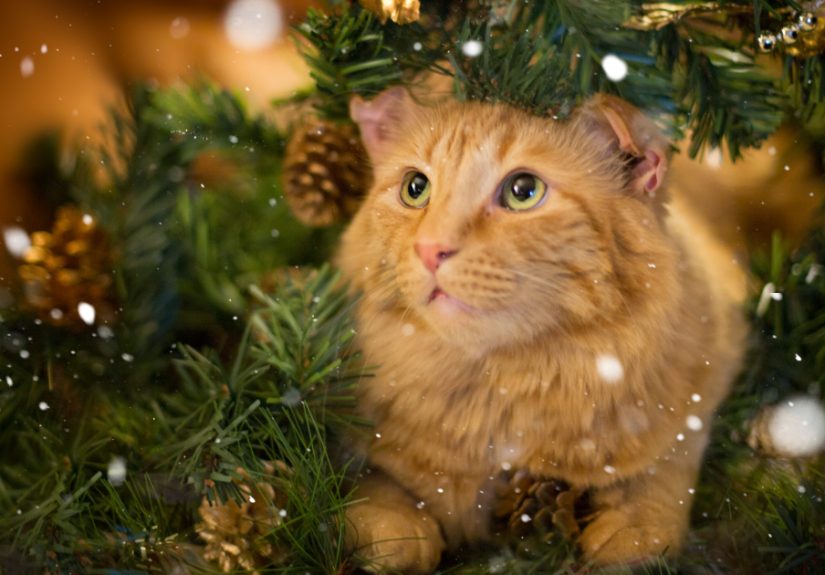
One cat stared at the garland like it owed him money. Another crouched behind the sofa, eyes wide, as if the nutcracker had whispered state secrets. The youngest one climbed inside an empty ornament box and declared it a holiday condo. In short: I unboxed Christmas decorations, and the cats were shook.
But beneath the comedy is a very real truth for cat owners: holiday decorating changes a cat’s environment fast. New smells, shiny objects, rustling tissue paper, dangling ornaments, blinking lights, guests, music, boxes, ribbons, and one giant indoor tree can turn a calm home into a feline theme park. Christmas decorations and cats can absolutely coexist, but the secret is planning the setup like your cats are charming little chaos consultants.
Why Christmas Decorations Make Cats Act So Dramatic
Cats are not being “bad” when they investigate holiday décor. They are being cats, which is basically a full-time job involving surveillance, climbing, pouncing, sniffing, and judging your taste in throw pillows. When you bring out Christmas decorations, you introduce a pile of brand-new sensory information into their territory.
To a cat, a storage bin is not a storage bin. It is a mysterious cave with crunchy paper. Garland is not garland. It is a suspicious silver snake. A Christmas tree is not a Christmas tree. It is a vertical adventure tower that smells interesting and has toys hanging from every branch. From their perspective, you did not decorate the house. You installed a seasonal amusement park and then acted shocked when they bought tickets.
New smells equal breaking news
Decorations spend most of the year packed away in basements, closets, attics, garages, or storage rooms. By December, they carry scents from cardboard, plastic, dust, pine, cinnamon, fabric, and whatever mystery aroma lives in holiday bins for eleven months. Cats gather information through scent, so when the boxes open, they often sniff every item like tiny detectives solving “The Case of the Suspicious Reindeer Pillow.”
Dangling objects trigger hunting instincts
Ornaments, ribbons, string lights, and hanging stockings move when touched. That little swing can look like prey movement to a curious cat. A shiny ornament does not have to do much to become irresistible. It only needs to dangle slightly and sparkle under the lights. Suddenly your tasteful gold bauble is no longer décor; it is a challenge.
Boxes are basically cat magnets
Before you even get to the decorations, the boxes themselves are an event. Cats love enclosed spaces because they can feel safe, hidden, and in control. A half-empty decoration bin becomes a bunker. Tissue paper becomes a rustly mattress. The lid becomes a stage. If your cat sits in the box and refuses to move, congratulations: you now own a Christmas-themed cat throne.
The Christmas Tree: Beautiful Centerpiece or Feline Skyscraper?
The Christmas tree is often the main attraction, and cats know it. Whether real or artificial, tall or tabletop, classic green or aggressively flocked, a tree brings height, texture, scent, movement, and forbidden ornaments into one dazzling structure. No wonder cats are fascinated.
The safest approach is to treat the tree like a piece of furniture that needs cat-proofing. Choose a sturdy stand, place the tree away from launch pads such as bookshelves and side tables, and consider anchoring it if your cat is a climber. Some people tie the tree discreetly to a wall hook, ceiling hook, or nearby stable surface. The goal is not to ruin the aesthetic; it is to prevent your living room from experiencing a pine-scented avalanche.
Real tree considerations
Real trees smell amazing, but curious cats may chew needles or drink from the water reservoir. Pine needles can irritate the mouth or stomach, and standing tree water is not meant to be a feline beverage bar. A covered tree stand helps limit access. Sweeping dropped needles regularly also keeps the floor less tempting.
Artificial tree considerations
Artificial trees avoid some real-tree issues, but they are still climbable and chewable. Watch for loose plastic needles, exposed wires, and lightweight branches that bend easily under the weight of a confident cat. If your cat is young, bold, or built like a furry cannonball, start with minimal decorations and increase slowly.
Decorations Cats Love Too Much
Some Christmas decorations are cat-safe with supervision. Others are basically trouble wearing glitter. You do not have to turn your home into a blank white room, but it helps to know which items deserve extra caution.
Tinsel, ribbons, and stringy decorations
Tinsel may look magical, but for cats it can look like the world’s fanciest toy. The problem is that string-like items can be dangerous if swallowed. Ribbons, yarn garlands, loose bows, curling ribbon, and thin decorative strands can all become tempting chew targets. For cat households, it is usually best to skip tinsel entirely and use safer alternatives such as wide fabric garlands placed out of reach.
Glass ornaments and breakables
Glass ornaments are gorgeous until one hits the floor and becomes a tiny holiday crime scene. Keep fragile ornaments high on the tree, ideally toward the inner branches where they are harder to bat down. Put shatterproof ornaments on lower branches, or leave the bottom section undecorated if your cat treats the tree like a punching bag.
Metal hooks
Traditional metal ornament hooks can fall, poke paws, or become chew hazards. Consider using fabric loops, twist ties hidden securely, or ribbon alternatives that are too wide and well-attached to swallow. The easier an ornament is to knock off, the more likely your cat will conduct a full scientific study on gravity.
Electric lights and cords
Lights are beautiful, but cords can attract chewers. Keep cords tucked away, covered, or routed where cats cannot easily reach them. Unplug lights when you are not supervising, especially if your cat is known for chewing. Battery-operated décor should also be checked because batteries are not cat toys, no matter how confidently your cat disagrees.
Candles and open flames
A candlelit room feels cozy. A cat tail passing through a flame is a holiday emergency. Flameless LED candles are a much better choice for homes with curious pets. If you do use real candles, keep them high, stable, attended, and away from jumping zones. Cats can teleport to countertops when motivated by curiosity, so “they never go up there” is not a fire-safety strategy.
Holiday Plants: Pretty, Festive, and Sometimes Not Cat-Friendly
Seasonal greenery can make a room feel lush and festive, but some holiday plants are risky for cats. Lilies are especially dangerous to cats and should not be kept in cat households. Holly and mistletoe can also cause problems if chewed. Poinsettias have a dramatic reputation, but they are generally more irritating than deadly; still, they can upset a pet’s stomach and should be kept out of reach.
For a cat-friendly Christmas setup, faux greenery is often the easiest choice. Choose sturdy artificial wreaths and garlands without loose berries, glitter, small detachable parts, or stringy pieces. You get the look without turning the living room into a botanical guessing game.
How to Decorate When Your Cats Are Already Shook
The biggest mistake many cat owners make is decorating everything at once. From your point of view, you are being efficient. From your cat’s point of view, the entire territory changed in one afternoon and now there is a glowing tree where the sunbeam used to be. That is a lot.
Decorate in stages
Set up the tree first and leave it undecorated for a day if your cats are especially intense. Let them sniff it, circle it, and decide whether it is a threat, a toy, or a new roommate. Once the novelty fades, add lights. Later, add ornaments. This staged approach gives cats time to adjust and gives you time to learn which parts of the setup attract trouble.
Create a cat-approved distraction zone
Before opening the decoration bins, prepare a “yes zone” for your cats. Add a cardboard box, a cozy blanket, a few safe toys, and maybe a puzzle feeder. When the forbidden shiny things appear, your cats already have something legal to investigate. This is not bribery. This is diplomacy.
Use play before decorating
A cat with unused energy is more likely to launch an investigation into your ornaments. Try a short play session before decorating. Wand toys, toy mice, or treat puzzles can help burn off the “I must attack the garland” energy. After play and a snack, many cats shift into nap mode, which is the ideal emotional state for holiday setup.
Reward calm behavior
If your cat sits near the tree without attacking it, reward that peaceful choice. Use praise, treats, or gentle attention. Cats learn patterns, and if calm behavior near the decorations leads to good things, they may be less determined to personally remove every ornament from branch level three.
A Cat-Proof Christmas Decorating Plan
If you want a festive home without spending December yelling “Drop the elf!” across the room, try this simple plan.
Step 1: Choose the safest location
Place the tree away from furniture your cat can use as a launch platform. A tree beside a couch, console table, or bookshelf is basically an invitation. Corners are often better because they reduce access from multiple sides and make anchoring easier.
Step 2: Build a boring bottom layer
Decorate the lower branches with soft, shatterproof, boring ornaments. Think felt, wood, fabric, or large plastic pieces. Avoid bells, feathers, dangling strings, and anything that screams “hunt me.” The lower third of the tree should be charming but emotionally unavailable to cats.
Step 3: Save the fragile treasures for the top
Sentimental ornaments, glass keepsakes, and heirloom decorations belong higher up. Even then, secure them well. If an ornament would make you gasp if it broke, do not hang it where a cat can reach it with one casual paw swipe.
Step 4: Skip the edible decorations
Popcorn garlands, candy canes, gingerbread ornaments, and chocolate decorations may be nostalgic, but cats and other pets can become curious. Edible décor also attracts insects and creates mess. Keep food on plates, in tins, or in human hands where it belongs.
Step 5: Supervise the grand reveal
Once the tree is decorated, observe your cats. Which ornaments do they target? Which branches do they sniff? Which cord looks suspiciously chewable? The first evening tells you a lot. Make adjustments before your cat writes a strongly worded review with their paws.
What “Shook” Looks Like in Cats
Some cats respond to Christmas decorations with excitement. Others act like the wreath has committed a felony. Watch their body language. Wide eyes, low crouching, hiding, tail flicking, flattened ears, or sudden swatting may mean your cat is overstimulated or unsure. Give them space and a quiet room where decorations are minimal.
For multi-cat homes, remember that one cat’s curiosity can become another cat’s stress. The brave cat may be inside the tree stand conducting field research, while the shy cat is under the bed wondering why the humans brought a forest indoors. Keep routines steady, feed meals on schedule, and make sure each cat has access to familiar resting places.
Hosting Guests When Cats and Decorations Are Involved
Holiday guests add another layer of excitement. More shoes at the door. More coats on chairs. More voices. More plates of food. More doors opening and closing. If your cats are already suspicious of the decorations, guests can make the whole scene feel like a corporate merger they did not approve.
Set up a quiet room with food, water, litter, and cozy bedding. Tell guests not to feed the cats table scraps and not to encourage them to play with ribbons, bows, or ornaments. This sounds obvious, but there is always one relative who thinks it is hilarious to wiggle curling ribbon in front of a cat. That relative needs a cookie and a firm boundary.
Funny Things Cats Do When Decorations Come Out
Every cat owner has a holiday story. Some cats sit inside wreaths. Some steal bows from wrapped gifts. Some slap ornaments once and then look offended when the ornament moves. Others become emotionally attached to one specific decoration, such as a plush snowman, and guard it like a dragon protecting treasure.
The key is to laugh while staying practical. Cats are curious, not malicious. They are not trying to ruin Christmas. They are trying to understand why their home suddenly contains bells, lights, fake berries, cinnamon-scented objects, and a tree wearing jewelry.
My Experience: The Great Decoration Unboxing Incident
The real comedy began the second I dragged the Christmas bins into the living room. The cats heard the plastic lids click and arrived like tiny emergency responders. One jumped on top of the first bin before I even opened it. Another sat beside me with the serious expression of a building inspector who had already found several code violations. The third watched from the hallway, deeply concerned, as if I had invited a marching band into the house.
I opened the first box and pulled out a garland. The brave cat immediately stretched one paw toward it, not touching it at first, just hovering dramatically. He looked at me, looked at the garland, and then tapped it once. When it moved, he jumped backward like the garland had barked. Five seconds later, he returned to tap it again. This is the scientific method, feline edition.
The ornament box caused even more drama. Each ornament was wrapped in tissue paper, which meant the cats believed I had prepared a luxury crinkle buffet. One cat climbed into the empty side of the box and refused to leave. I tried to remove him gently, but he turned into a soft loaf with no handles. Another cat stole a fabric ornament shaped like a mitten and carried it under the coffee table. Not a glass ornament. Not a fancy ornament. A mitten. Apparently, that was the chosen treasure of the season.
Then came the tree. I set it up without decorations first because I have learned from previous Decembers, also known as “the years of falling baubles.” The cats circled it. They sniffed the base. One looked up through the branches with the expression of a mountaineer seeing Everest for the first time. I calmly explained that climbing was not allowed. He calmly ignored the entire presentation.
Instead of decorating right away, I gave them a cardboard box, a few safe toys, and a treat puzzle on the other side of the room. This worked better than expected. The cats investigated their approved holiday station while I added lights and a few soft ornaments. The bottom branches stayed mostly bare, which looked odd for about ten minutes. Then I remembered that an undecorated lower tree is much prettier than sweeping ornament pieces off the floor at midnight.
The funniest moment happened later that evening. I turned on the lights, and all three cats froze. Their faces said, “The tree has awakened.” The shy cat slowly backed away. The bold cat sat directly in front of it, mesmerized. The mitten thief returned to the scene of the crime and placed his stolen ornament near the tree, as if contributing to the decorating effort. Honestly, it was tasteful.
By the next day, the cats were less shook. The tree became part of the room. The garland stopped being breaking news. The boxes, however, remained premium real estate. I left one empty box out with a blanket inside, and it became the official Christmas observation lounge. From there, the cats could supervise gift wrapping, judge my ribbon choices, and nap through most of the holiday music.
That experience taught me the best holiday decorating rule for cat owners: do not fight the chaos; redirect it. Give cats something safe to explore. Keep dangerous items out of reach. Decorate slowly. Laugh often. Accept that your perfect Christmas setup may include one cardboard box in the corner occupied by a cat who believes he is the mayor of December.
Conclusion: A Merry Christmas for You and Your Shook Cats
Unboxing Christmas decorations with cats in the house is never just decorating. It is theater. It is suspense. It is a home-safety audit performed by animals who lick plastic and fear the vacuum. Still, with a little planning, you can have a festive, beautiful, cat-friendly holiday home.
Anchor the tree, skip tinsel, protect cords, choose shatterproof ornaments for lower branches, avoid risky plants, and give your cats safe alternatives for play and exploration. Most importantly, decorate with patience. Your cats are not trying to destroy Christmas. They are simply shook because, from their point of view, the house just grew a glowing tree covered in forbidden toys.
And honestly? That is a pretty fair reaction.

![18 Best Types of Charts and Graphs for Data Visualization [+ How to Choose]](https://corkopencoffee.org/wp-content/uploads/2026/05/18-best-types-of-charts-and-graphs-for-data-visualization-how-to-choose-qKM1PBYG-thumb.jpg)