Table of Contents >> Show >> Hide
- What is the ICE regimen?
- Who might receive ICE chemotherapy?
- ICE chemotherapy regimen: what a typical cycle looks like
- Side effects of ICE chemotherapy
- Managing ICE side effects: practical, patient-friendly strategies
- Outlook after ICE chemotherapy
- Not the ICE regimen? The “ice” supportive-care tools people ask about
- Real-world experiences with ICE chemotherapy (what patients often describe)
- Experience #1: “The first week is a roller coaster, then I slowly come back online.”
- Experience #2: “Low counts made me anxiousuntil I had a plan.”
- Experience #3: “I didn’t expect the mental load.”
- Experience #4: “Side effects were manageable once I reported them early.”
- Experience #5: “The outlook talk gave me hopeand also realism.”
- Bottom line
“Ice chemotherapy” is one of those phrases that sounds like a futuristic superhero power (“I freeze tumors with my mind!”),
but in real life it usually points to one of two things:
-
ICE chemotherapy (the ICE regimen): a salvage chemotherapy combination made of
ifosfamide, carboplatin, and etoposidecommonly used for certain
relapsed or refractory lymphomas. -
“Icing” during chemotherapy (also called cryotherapy): using cold (like ice chips, cold caps,
or cooling gloves) to help reduce specific side effects such as mouth sores or hair loss.
This article focuses on the ICE regimen (because that’s the “regimen” people are typically searching for),
while also clearing up the “ice = cold” confusion so you can walk into your next appointment speaking fluent oncology.
What is the ICE regimen?
ICE is a combination chemotherapy regimen built from three drugs that attack cancer cells in different ways:
ifosfamide (an alkylating agent), carboplatin (a platinum chemotherapy), and etoposide (a topoisomerase inhibitor).
Using them together can increase the chance of shrinking cancer that didn’t respond to first-line therapyor that came back.
In the U.S., ICE is most often discussed as a second-line (salvage) regimen for
Hodgkin lymphoma and aggressive non-Hodgkin lymphoma, especially in people who may go on to
autologous stem cell transplant (using their own stem cells) if the cancer responds.
R-ICE: a common variation
If the lymphoma is CD20-positive (often certain B-cell lymphomas), doctors may add rituximab,
and you’ll hear it called R-ICE. Same basic ideaone extra teammate on the roster.
Who might receive ICE chemotherapy?
ICE isn’t a one-size-fits-all regimen. Your oncology team chooses it based on the cancer type, what you’ve already received,
how your body handled prior treatments, and your overall health. ICE is commonly considered when:
- The lymphoma has returned after initial therapy (relapsed).
- The lymphoma didn’t respond well enough to initial therapy (refractory).
- A strong response is needed to move toward stem cell collection and possible transplant.
Occasionally, ICE-style combinations (or closely related regimens) may appear in specific clinical situations outside lymphoma.
If you’re seeing “ICE” on your plan, your team can explain exactly why it fits your case.
ICE chemotherapy regimen: what a typical cycle looks like
ICE is usually given in cycles, commonly about every 2 to 3 weeks (timing depends on blood count recovery,
kidney function, and how you’re doing overall). Some centers give ICE inpatient; others can do parts outpatient with careful monitoring.
What happens during the infusion days?
While schedules vary by institution, ICE is often delivered over a few consecutive days. Expect a rhythm that looks like:
- Pre-meds: anti-nausea meds and other supportive medications to prevent predictable side effects.
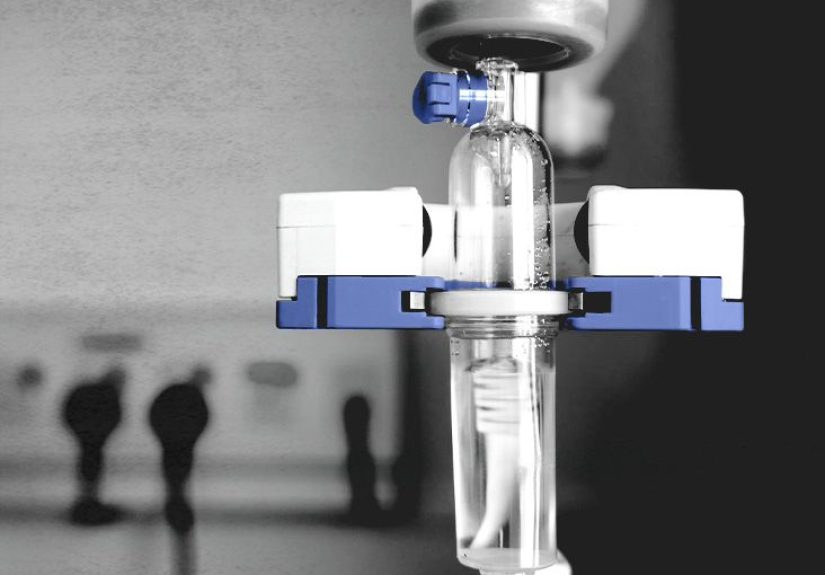
- Hydration: extra IV fluids are common, especially with ifosfamide, to protect the bladder and kidneys.
- Mesna: a protective medication frequently paired with ifosfamide to reduce bladder irritation/bleeding risk.
- Growth factor support: you may receive a medication (often called G-CSF) after chemo to help white blood cells recover faster.
Testing and monitoring: the “safety dashboard”
ICE is effective, but it’s not shy. Your team will typically monitor:
- Blood counts (white cells, hemoglobin, platelets)
- Kidney function (because carboplatin dosing and ifosfamide safety depend on it)
- Liver function
- Neurologic status (ifosfamide can affect the brain in some people)
- Signs of infection during low-count periods
Side effects of ICE chemotherapy
Side effects vary widely. Some people feel rough for a few days and bounce back; others need more time and more support.
Your prior treatments, age, kidney function, and overall health can influence what you experience.
Common side effects
- Low blood cell counts (myelosuppression): can raise infection risk, cause anemia-related fatigue, and increase bruising/bleeding risk.
- Nausea/vomiting: usually preventable or reduced with modern antiemetics, but it may still show up uninvited.
- Fatigue: can be from chemo itself, anemia, poor sleep, stress, or all of the above.
- Hair loss: varies, but it’s common with many chemotherapy regimens.
- Mouth soreness: not everyone gets it, but mouth irritation can happen with chemotherapy in general.
- Appetite changes and taste changes: food may taste “off,” or you may get full quickly.
Side effects that deserve fast attention
Some side effects are urgent because they can become serious quickly. Call your oncology team right away if you notice:
- Fever or chills, or feeling suddenly unwell during low white blood cell periods
- Unusual bleeding (nosebleeds that won’t stop, black/tarry stools, blood in urine)
- Shortness of breath, chest pain, or severe dizziness
- Confusion, extreme sleepiness, hallucinations, or trouble walking (possible ifosfamide-related neurotoxicity)
- Severe vomiting or inability to keep fluids down (dehydration can snowball fast)
Drug-by-drug: what each medication is known for
Ifosfamide: bladder, kidneys, and the brain
Ifosfamide can irritate the bladder lining and, in some cases, cause bleeding (hemorrhagic cystitis). That’s why teams often use
mesna and hydration. Ifosfamide can also affect the kidneys and, less commonly, the nervous systemleading to confusion or other changes.
The good news: teams are very used to watching for these issues.
Carboplatin: blood counts and sometimes nerves/hearing
Carboplatin commonly contributes to low blood counts. It can also cause nausea, fatigue, anddepending on cumulative exposure and individual riskmay
contribute to nerve symptoms (tingling or numbness) or hearing changes. Compared with some other platinums, it’s often considered easier on the kidneys,
but monitoring still matters.
Etoposide: low counts, GI upset, and fatigue
Etoposide is well known for lowering blood counts and contributing to nausea, appetite changes, and fatigue. Teams usually plan proactively with anti-nausea
medications and close lab monitoring.
Managing ICE side effects: practical, patient-friendly strategies
You can’t “positive-think” your way out of neutropenia (trust me, people have tried), but there are many evidence-based ways to reduce risk and improve comfort.
Always follow your oncology team’s instructionsespecially because your situation may differ from the typical playbook.
Infection protection during low white blood cell counts
- Know your emergency instructions: ask what temperature counts as a fever for you and where to call after-hours.
- Hand hygiene is surprisingly powerful (and annoyingly simple).
- Avoid sick contacts when possible, especially in crowded indoor spaces during your nadir (lowest counts).
- Report symptoms early: sore throat, burning with urination, new coughdon’t “wait it out” without checking in.
Nausea and appetite: aim for “good enough” eating
- Take anti-nausea meds as prescribedmany work better at prevention than rescue.
- Small, frequent snacks often beat big meals.
- Protein plus carbs (even if it’s crackers + a smoothie) can help keep energy up.
- Hydration counts: if plain water tastes weird, try flavored water, popsicles, broth, or electrolyte drinks (if approved by your team).
Mouth care: keep it gentle
- Use a soft toothbrush and mild toothpaste.
- Avoid alcohol-based mouthwashes that can sting.
- Ask your team if they recommend a salt-and-baking-soda rinse or a prescription rinse for comfort.
Fatigue: pace like it’s a marathon, not a sprint
Fatigue from chemo can feel like your phone battery is stuck at 12%and the charger is across the room. Light movement (short walks),
consistent sleep routines, and treating anemia or pain when present can all help. Let your team know if fatigue is severe or suddenly worse.
Outlook after ICE chemotherapy
The outlook depends on the diagnosis, how the cancer responds, and what comes next. In many lymphoma pathways, ICE is used to:
- Reduce tumor burden (shrink disease) after relapse/refractory disease
- Test chemosensitivity (how responsive the lymphoma is)
- Support stem cell collection for people moving toward autologous transplant
What “success” can mean
Success may look like a complete response, partial response, or enough disease control to proceed to transplant or another consolidative strategy.
Your team may use imaging (like PET/CT), symptoms, and lab trends to evaluate response.
Factors that can influence prognosis
- Cancer subtype and biology
- How quickly the cancer returned after first-line therapy
- Overall health and organ function (especially kidneys)
- Depth of response to ICE (and whether a transplant or other therapy follows)
Not the ICE regimen? The “ice” supportive-care tools people ask about
If you meant “ice” literallylike cold therapy during chemohere are the common approaches people call “ice chemo,” and what they’re used for:
Oral cryotherapy (ice chips) for mouth sores
Sucking on ice chips during certain chemotherapy infusions can reduce blood flow to the mouth temporarily, limiting how much drug reaches mouth tissues.
This approach is best supported for specific chemo types and schedules (your team will tell you if it fits your treatment).
Scalp cooling (cold caps) to reduce hair loss
Automated scalp cooling systems are FDA-cleared in the U.S. for reducing chemotherapy-related hair loss in many people treated for solid tumors.
It doesn’t work for everyone, and it’s not recommended for every cancer type, but it can be an option depending on your situation.
Cooling gloves/socks for nerve symptoms
Some clinics use cooling strategies to try to reduce peripheral neuropathy risk with certain drugs. Evidence is evolving,
and comfort/tolerance varies (some people love it, some people are like “no thank you, my fingers deserve warmth”).
Real-world experiences with ICE chemotherapy (what patients often describe)
Everyone’s experience is uniqueand nobody earns bonus points for “toughing it out.” Still, people going through ICE often report patterns that can help
you feel less blindsided. Think of these as common storylines, not guarantees.
Experience #1: “The first week is a roller coaster, then I slowly come back online.”
Many patients describe the days right after infusion as the most intense. Nausea may show up in waves, and fatigue can feel heavylike your body is insisting
on a nap meeting you didn’t schedule. Even with great anti-nausea medications, appetite can dip. A common strategy is to lower the bar:
aim for small bites every few hours, keep “safe foods” around (toast, soup, yogurt, smoothies), and focus on hydration. Some people find that setting phone reminders
to sip and snack helps, because chemo brain is real and will absolutely forget that humans require fuel.
Experience #2: “Low counts made me anxiousuntil I had a plan.”
The period when blood counts drop (often called the nadir) can be emotionally tough. People frequently say they felt better once they had a clear action plan:
which symptoms require a call, where to go after-hours, and what to do if a fever appears. Patients also report that it helps to treat infection prevention like
a temporary lifestyle season, not a permanent personality: wash hands, avoid sick contacts, and skip crowded indoor events when counts are low. Some people keep a
simple checklist on the fridgebecause when you’re tired, even remembering “what should I watch for?” can feel like a pop quiz.
Experience #3: “I didn’t expect the mental load.”
ICE isn’t just physical. Between appointments, labs, logistics, and waiting for scan results, the mental bandwidth can get tight. Patients often say that choosing
a “captain of communications” (a friend or family member who updates others) helped reduce the constant texting pressure. Others found it helpful to keep a single
notebook (or phone note) with questions, symptoms, and medication timesbecause it’s hard to remember whether the headache started Tuesday or “two Tuesdays ago
but also yesterday.”
Experience #4: “Side effects were manageable once I reported them early.”
A very consistent theme: people who reported symptoms early often got relief faster. That includes nausea that’s starting to break through, mouth soreness,
constipation, tingling in hands/feet, pain, or changes in urination. Patients sometimes worry they’re “bothering” the clinic, but oncology teams would rather
adjust medications early than treat a preventable complication later. In real life, “Let’s tweak your antiemetic plan today” can mean fewer miserable days this cycle.
Experience #5: “The outlook talk gave me hopeand also realism.”
When ICE is used as salvage therapy, many patients describe a strange emotional combo: hope that this regimen will shrink the cancer, and fear of what “salvage”
even means. People often say it helped to ask direct, practical questions such as: “What’s the goal of ICE in my case?” “How will we measure response?”
“If it works, what’s the next step?” and “If it doesn’t, what are our options?” Having those answers can turn the unknown into a planstill hard, but less hazy.
Bottom line
ICE chemotherapy (ifosfamide, carboplatin, etoposide) is a well-known salvage regimenespecially in relapsed or refractory lymphomaoften used to reduce disease
and potentially bridge to stem cell transplant in eligible patients. Side effects can be significant, but they’re also predictable and treatable when addressed early.
The most powerful tool you have is a strong feedback loop with your oncology team: report symptoms promptly, follow monitoring schedules, and ask questions until the plan
makes sense to you. You deserve clarity, not confusionand definitely not surprise side effects.