Table of Contents >> Show >> Hide
- What Makes a Pancake Great?
- The Best Classic Pancakes Recipe (Fluffy, Not Fussy)
- Why This Recipe Works (A Tiny Bit of Breakfast Science)
- Pro Tips for Diner-Style Pancakes at Home
- Easy Variations (So You Don’t Get Pancake Bored)
- Mix-Ins and Toppings That Actually Work
- Make-Ahead, Storage, and Reheating
- Troubleshooting: Pancake Problems and Fixes
- of Pancake Experiences (Because Pancakes Are Never Just Food)
- Conclusion
Pancakes are the breakfast equivalent of a comfy hoodie: reliable, flattering, and somehow always the right decision.
They’re also one of the quickest ways to turn “just a normal morning” into “brunch energy,” even if you’re eating in pajama pants
and your “dining room” is a desk with three chargers on it.
This guide gives you a classic, fluffy homemade pancakes recipe (no boxed mix required), plus the small technique
tweaks that separate good pancakes from the kind that make people ask, “Wait… how did you make these?”
(You may answer modestly. Or you may not. It’s your kitchen.)
What Makes a Pancake Great?
The best pancakes hit a sweet spot: tender inside, lightly crisp at the edges, and thick enough to feel satisfying without turning
into a chewy bread disk. Great pancakes also brown evenly, flip without drama, and taste buttery even before the butter arrives.
The tricky part is that pancakes are a “quick bread,” meaning the rise happens fast and the batter doesn’t have time to develop
structure like yeast breads do. That’s why the little detailsnot overmixing, a short batter rest,
and steady heatmatter more here than in recipes that can “fix themselves” in the oven.
The Best Classic Pancakes Recipe (Fluffy, Not Fussy)
This is a flexible base that works as classic buttermilk pancakes (the fluffiest, most flavorful version), with an easy
swap if you only have regular milk. The ingredient list is intentionally normal: pantry staples that behave themselves.
Ingredients (Makes about 10–12 pancakes)
- 2 cups all-purpose flour (about 240g)
- 2 tablespoons sugar
- 2 teaspoons baking powder
- 1/2 teaspoon baking soda (use only if using buttermilk or a sour milk substitute)
- 1 teaspoon kosher salt (or 1/2 teaspoon fine salt)
- 2 cups buttermilk (preferred) or regular milk
- 2 large eggs
- 4 tablespoons unsalted butter, melted and cooled slightly (or neutral oil)
- 1 teaspoon vanilla extract (optional, but delightful)
- Butter or neutral oil for the pan
If You Don’t Have Buttermilk
Use 2 cups milk plus 2 tablespoons lemon juice or white vinegar. Stir and let it sit 5 minutes.
It won’t be identical to cultured buttermilk, but it gets you the tang and acidity that helps with lift and tenderness.
(Greek yogurt thinned with milk also works well when you want more body.)
Equipment
- Large bowl + whisk
- Measuring cups/spoons
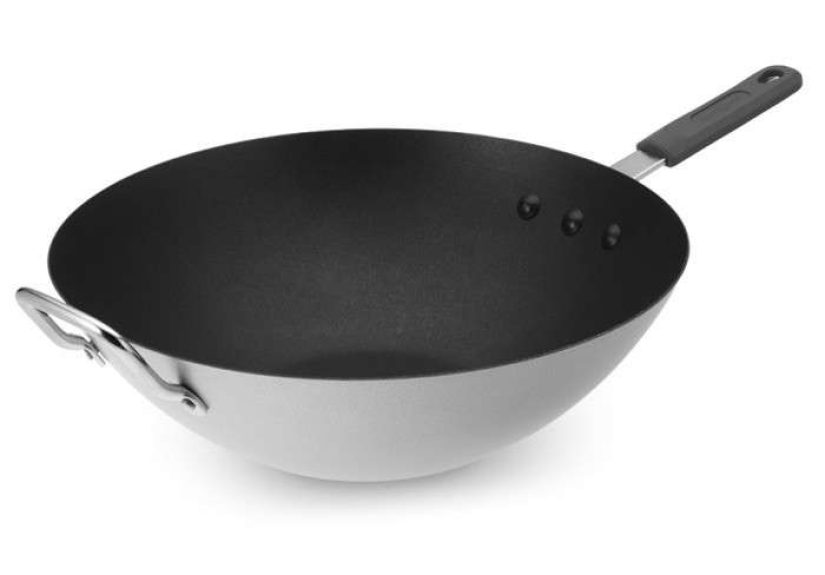
- Nonstick skillet or griddle
- Thin spatula (the true pancake MVP)
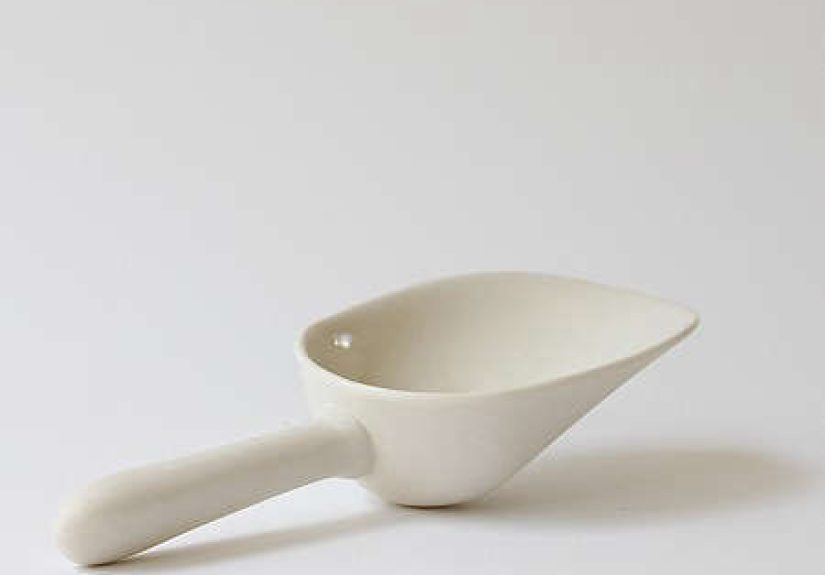
- 1/4 cup measure or cookie scoop for consistent pancakes
Step-by-Step Instructions
-
Mix the dry ingredients.
In a large bowl, whisk flour, sugar, baking powder, baking soda (if using), and salt until evenly combined. -
Mix the wet ingredients.
In a second bowl (or a large measuring jug), whisk buttermilk (or milk), eggs, melted butter, and vanilla. -
Combine gently.
Pour wet into dry and whisk just until you no longer see dry flour. A few lumps are not just okaythey’re encouraged.
(Overmixing is how you accidentally make “pancake jerky.”) -
Rest the batter.
Let the batter sit 10–15 minutes while your pan heats. This helps the flour hydrate and the batter thicken into a
scoopable, fluffy-friendly consistency. -
Preheat the pan.
Heat a griddle or skillet over medium heat. Lightly butter or oil it, then wipe excess so you don’t fry the pancakes. -
Cook.
Scoop about 1/4 cup batter per pancake. Cook until bubbles rise and the edges look set, about 2–3 minutes.
Flip and cook the second side until golden, about 1–2 minutes. -
Keep warm (optional but smart).
If cooking a big batch, hold pancakes in a 200°F oven on a baking sheet while you finish.
Why This Recipe Works (A Tiny Bit of Breakfast Science)
1) The batter rest is short on purpose
A brief rest (think 10–15 minutes) lets flour fully hydrate and turns a thin batter into one that cooks up thicker and fluffier.
Resting also reduces the odds of biting into a sad pocket of dry flour. The key is brief, not “see you tomorrow.”
Too long of a rest can over-thicken the batter and weaken the riseespecially once your leavening has already started doing its job.
If your batter sits longer and becomes too thick, loosen it with a tablespoon or two of milk.
2) Overmixing = tough pancakes
When you stir flour aggressively, gluten develops. Gluten is great for chewy breads and terrible for fluffy pancakes.
Mix until the batter is combined and lumpy, then stop. Your pancakes will be tender, not rubbery.
3) Leavening is a “use it before you lose it” situation
Baking powder and baking soda create bubbles that give pancakes their lift. But pancake batter doesn’t hold bubbles like yeast dough can.
That’s why you don’t want the batter sitting around for ages: the gas forms, escapes, and your pancakes lose their “puff potential.”
Rest briefly, then cook.
4) Medium heat beats high heat
Pancakes need time to rise and set in the middle before the outside gets too dark. Medium heat is your friend.
If the first pancake browns too fast, lower the heat a touch. If it looks pale and takes forever, nudge the heat up slightly.
Think of the first pancake as your free test run (a delicious calibration tool).
Pro Tips for Diner-Style Pancakes at Home
Use the “bubble + set edge” rule for flipping
Don’t flip because you’re bored. Flip when the top has bubbles that pop and leave little holes, and the edges look set.
That’s your sign the bottom has browned and the pancake has structure.
Don’t press the pancake
Pressing with a spatula squeezes out the air you worked for and can make pancakes dense. Let them rise in peace.
They’re doing important pancake business.
Lightly grease, then wipe
A thin film of fat helps even browning and easy release. Too much butter can burn and create patchy color.
Add a little, wipe the excess, repeat between batches as needed.
Consistency check: what should the batter look like?
You want a batter that pours slowly and holds soft mounds for a second before smoothing outlike slightly thick yogurt.
If it’s runny, pancakes spread thin. If it’s too thick, pancakes won’t cook through easily.
Easy Variations (So You Don’t Get Pancake Bored)
Extra-fluffy “weekend” pancakes
Separate the eggs. Stir yolks into the wet ingredients. Whip the whites to soft peaks and fold them in at the end.
This adds air without changing the flavor muchjust a lighter, taller stack.
Whole-wheat pancakes (tender, not heavy)
Swap in 1 cup whole-wheat flour for 1 cup all-purpose flour. Add an extra tablespoon of milk if needed.
Whole wheat is thirstier and benefits from the batter rest.
Gluten-free pancakes
Use a trusted 1:1 gluten-free baking blend. Let the batter rest 10–15 minutes so the starches hydrate fully.
Cook a bit lower and slower to avoid a browned outside with a gummy middle.
Vegan pancakes
Replace eggs with a flax “egg” (1 tablespoon ground flax + 3 tablespoons water per egg) and use plant milk.
Use oil instead of butter. For extra tenderness, add 1 tablespoon of neutral oil plus 1 tablespoon applesauce.
Sheet-pan pancakes (feeds a crowd)
When flipping a dozen pancakes sounds like a personal attack, bake the batter in a parchment-lined sheet pan.
The texture is softer than griddle pancakes, but the convenience is unbeatable for brunch parties.
Cut into squares and let people top their own.
Mix-Ins and Toppings That Actually Work
Mix-ins (add after pouring batter)
- Blueberries: scatter on top after you pour each pancake to prevent purple streak batter
- Chocolate chips: sprinkle lightly so they don’t burn on the pan
- Banana slices: add thin slices to help them soften quickly
- Toasted nuts: pecans or walnuts add crunch without sogginess
- Cinnamon sugar: for “French toast energy” with pancake effort
Toppings (the fun part)
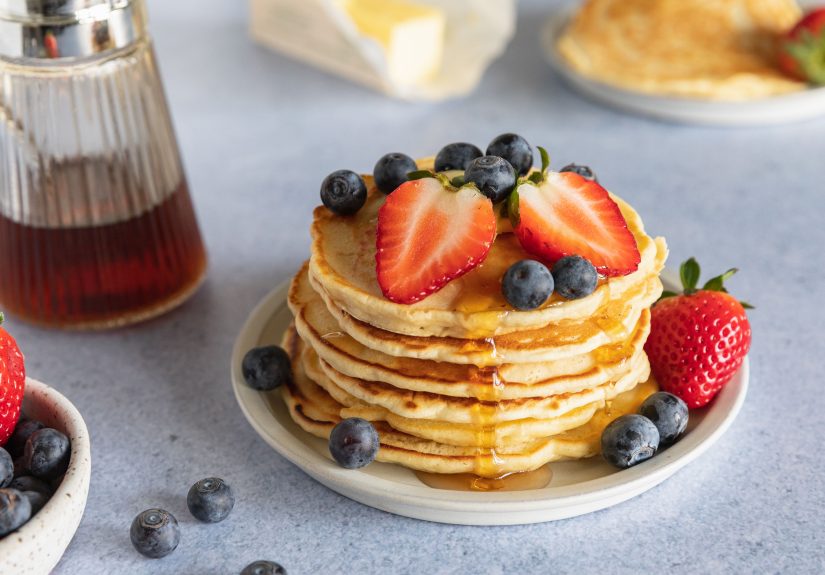
- Warm maple syrup + salted butter (the classic for a reason)
- Greek yogurt + honey + berries (tangy, bright, not too sweet)
- Peanut butter + sliced banana (a reliable power breakfast)
- Whipped cream + strawberries (brunch flex)
- Fried egg + hot sauce (savory pancake believers, unite)
Make-Ahead, Storage, and Reheating
Best make-ahead strategy: cook the pancakes, not the batter
Pancake batter doesn’t love hanging out for long. Leavening starts working immediately, and once that lift is spent,
you can end up with flatter pancakes later. If you want “future you” to be happy, cook the whole batch and store the pancakes.
Refrigerator
Cool pancakes completely, then store in an airtight container with parchment between layers. They keep well for about 3 days.
Freezer
Freeze pancakes in a single layer first, then transfer to a freezer bag. They’ll keep for about 2 months and reheat beautifully.
This is also a lifesaver for weekday mornings when you want pancakes but don’t want to wash a whisk.
Reheating
- Toaster: best for edges that stay lightly crisp
- Oven (350°F): wrap in foil for soft pancakes, or heat uncovered for a drier edge
- Microwave: fastest, but softercover with a damp paper towel to prevent dryness
Troubleshooting: Pancake Problems and Fixes
My pancakes are flat
- Check baking powder freshness (it loses power over time).
- Don’t let batter sit too long; cook after a brief rest.
- Make sure the pan is hot enough before the first pour.
My pancakes are tough
- You likely overmixed. Next time, stir gently until just combined.
- Let the batter rest briefly so hydration happens without extra mixing.
They’re browning too fast but still raw inside
- Lower the heat. Pancakes need medium heat to cook through.
- Use slightly smaller scoops so the center sets more easily.
They stick to the pan
- Preheat longersticking often happens when the pan isn’t ready.
- Use a thin film of fat and wipe excess between batches.
- Make sure your spatula slides fully under the pancake before flipping.
of Pancake Experiences (Because Pancakes Are Never Just Food)
Ask a group of people about pancakes and you’ll get stories, not just opinions. Someone will swear that pancakes taste better on
weekendslike the calendar itself adds extra butter. Someone else will confess they can’t make pancakes without sacrificing the first
one to the Breakfast Gods. And honestly? That’s part of the charm.
Pancakes are one of the first “real” cooking wins many home cooks remember. The ingredients are familiar, the steps are forgiving,
and the feedback is immediate. You pour, you watch bubbles form, you flip, and suddenly you’ve made something warm and golden
that looks like it belongs in a diner window display. It’s hard not to feel a little proudeven if your first pancake comes out shaped
like a weird map of a country nobody recognizes.
There’s also a very specific pancake rhythm that shows up once you’ve made them a few times. The first pancake is the scout:
it tells you if the pan is too hot, too cool, or needs a little more fat. The second pancake is the “okay, I’ve got this” pancake.
The third pancake is the “I should open a brunch spot” pancake. And the fourth pancake is where you remember you still have laundry
to fold, but you choose peace instead and make another batch anyway.
Pancakes also teach patience in a sneaky way. If you flip too early, the batter smears and the pancake collapses like it got bad news.
If you flip too late, it gets dark and tastes a little bitter. The bubbles and set edges become a tiny lesson in timing: wait until the
pancake gives you a sign, then act. It’s basically a breakfast-sized life metaphorwith syrup.
And let’s talk toppings. Pancakes are a blank canvas, sure, but they’re also a mood. Some mornings call for classic maple syrup and
butterclean, simple, impossible to argue with. Other mornings demand chaos: chocolate chips, berries, whipped cream, and enough
powdered sugar to make the kitchen look like it hosted a tiny snowstorm. Pancakes don’t judge. Pancakes understand.
The best pancake experiences often happen in the in-between moments: the smell of butter hitting a hot pan, the sound of batter
sizzling, the first warm bite before you’ve even sat down. Pancakes are not just breakfast; they’re a small celebration you can make
with a bowl, a whisk, and about twenty minutes of commitment. If that’s not a great return on investment, what is?
Conclusion
A great pancakes recipe isn’t complicatedit’s just intentional. Mix gently, rest briefly, cook over steady medium heat, and let
the bubbles tell you when to flip. Start with the classic base, then play with add-ins and toppings until you’ve got your signature stack.
Your future weekends will thank you (and so will anyone you feed).