Table of Contents >> Show >> Hide
- What Is an Icebreaker Questions Generator?
- Why Icebreaker Questions Work
- What Makes a Great Icebreaker Question?
- How to Use an Icebreaker Questions Generator Without Making It Awkward
- Categories Every Good Icebreaker Questions Generator Should Include
- 40 Ready-to-Use Icebreaker Questions
- A Simple Formula for Generating Endless Icebreaker Questions
- Mistakes to Avoid
- Experiences With an Icebreaker Questions Generator in Real Life
- Final Thoughts
Note: Clean HTML body content only, ready for web publishing.
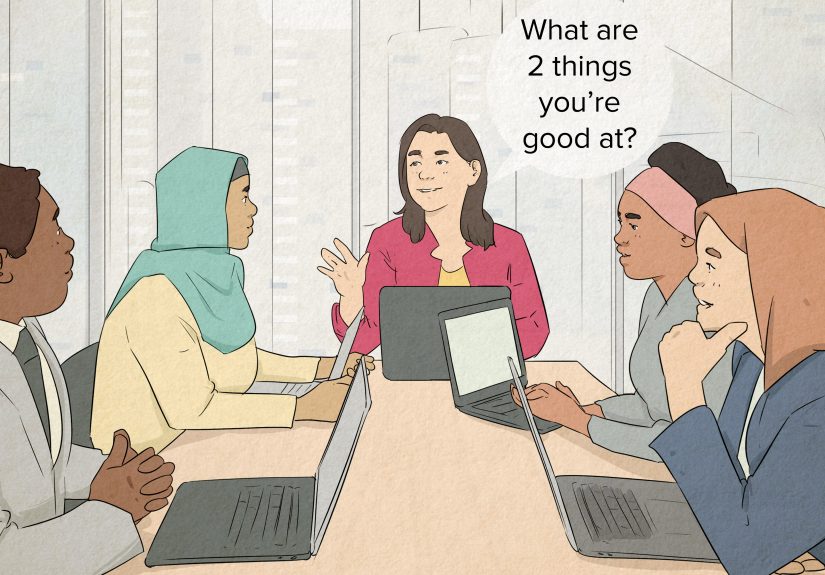
Some meetings begin with momentum. Others begin with the emotional energy of a waiting room at the DMV. That is exactly why an icebreaker questions generator can be so useful. It removes the awkward guesswork, gives facilitators a fast starting point, and helps groups move from polite silence to actual human conversation without forcing anyone to perform like they are auditioning for a sitcom.
Whether you are leading a team call, teaching a class, hosting a networking event, onboarding new hires, or trying to warm up a workshop without making the room groan in unison, the right opening question matters. A good one is light enough to feel safe, interesting enough to spark a real response, and flexible enough to fit the mood of the group. A bad one, on the other hand, can make people suddenly fascinated by the ceiling tiles.
This guide explains how an icebreaker questions generator works, what makes certain prompts more effective than others, how to choose questions for different settings, and how to build an endless stream of fresh prompts without sounding repetitive, robotic, or weirdly intense before 9 a.m. It also includes examples you can use for work, school, virtual meetings, networking events, and casual group settings.
What Is an Icebreaker Questions Generator?
An icebreaker questions generator is a tool, method, or curated system that produces conversation prompts designed to help people relax, introduce themselves, and connect quickly. In its simplest form, it can be a list of categorized questions. In a more advanced form, it might randomly generate prompts by tone, setting, group size, or goal.
The best generators do not just spit out random questions for the sake of randomness. They organize prompts by context. A question that works beautifully for a college orientation may flop in a job interview. A playful question for a remote team happy hour may feel wildly out of place in a leadership workshop. Good generators solve that by sorting questions into useful buckets such as fun, professional, reflective, virtual, student-friendly, and low-pressure.
Think of it like a playlist instead of a jukebox. You do not want just any song. You want the right song for the room. The same logic applies here. The best icebreaker question is not the funniest or deepest question ever written. It is the one that fits the people, the purpose, and the moment.
Why Icebreaker Questions Work
Icebreakers work because they lower the cost of joining the conversation. Instead of asking people to “just introduce yourselves,” which sounds simple but often feels vague and uncomfortable, you give everyone the same small, specific runway. That structure makes participation easier.
They also create quick common ground. A question about a favorite snack, dream travel destination, first job, or go-to productivity ritual invites answers that are personal enough to feel human, but not so personal that people start mentally drafting an excuse to “step off for another call.” That balance is where the magic lives.
In professional settings, good icebreaker questions can also reveal useful information. You learn how people think, what energizes them, what work style they prefer, what they notice, and what they value. In classrooms, they help reduce anxiety and build early trust. In virtual meetings, they replace the casual pre-meeting chatter that often disappears online. In networking settings, they turn stiff introductions into more natural exchanges.
What Makes a Great Icebreaker Question?
It is easy to answer
The best prompts are clear, quick, and low-friction. If someone needs three minutes, a diary, and a therapist to answer it, that is not an icebreaker. That is a memoir chapter.
It feels safe
Strong icebreaker questions avoid sensitive territory unless the group has already built trust. Topics like health, politics, religion, salary, family planning, grief, and anything that sounds suspiciously like a trick question are usually poor choices at the start.
It invites personality
A good prompt reveals a little spark of individuality. “What is your role?” is functional. “What part of your job would you happily outsource to a robot?” is functional and memorable.
It matches the room
Context matters. Work meetings often benefit from questions tied loosely to goals, habits, or experience. Student groups usually respond better to accessible, light prompts. Networking events work best with questions that create overlap and follow-up conversation.
It respects time
An icebreaker should warm up the room, not consume the whole oven. In most cases, the sweet spot is one question, one short answer per person, and a clear time boundary.
How to Use an Icebreaker Questions Generator Without Making It Awkward
First, choose the tone. Are you aiming for funny, thoughtful, professional, creative, or just painless? That decision shapes everything. Second, match the question to group familiarity. New groups need lighter prompts. Established teams can handle more reflective or imaginative ones.
Third, give people a way to pass or answer in chat if needed. This matters a lot for introverts, neurodivergent participants, and anyone who simply does not enjoy public improvisation before caffeine has fully loaded. Fourth, go first as the facilitator. When you model the length and tone of an answer, the group relaxes immediately.
Finally, do not over-explain. Ask the question, give a time frame, keep the pace moving, and transition smoothly into the main activity. The goal is to open the door, not redecorate the entire hallway.
Categories Every Good Icebreaker Questions Generator Should Include
1. Funny and Light Questions
These work well for team meetings, social events, and groups that need a quick energy lift.
Examples include: What food could you eat every week without getting tired of it? What fictional world would you visit for one day? What is your most-used emoji? What is a tiny hill you are willing to die on? What song would play if you walked into a room like a movie character?
2. Work-Friendly Questions
These are ideal for onboarding, meetings, workshops, and team bonding that still needs to sound like it belongs on a calendar invite.
Examples include: What was your first job? What part of your current work gives you the most energy? What is one productivity habit you actually stick to? What career advice has stayed with you? If you could automate one part of your day, what would it be?
3. Virtual Meeting Questions
Remote and hybrid meetings benefit from prompts that are fast, visual, or easy to answer from home.
Examples include: What is something on your desk that says a lot about you? What is your ideal work-from-home snack? If your week had a weather report, what would it be? What is one small win from today? Show a mug, notebook, or random object near you and tell the story behind it.
4. Student and Classroom Questions
These should be simple, inclusive, and easy for people who may not know one another well.
Examples include: What class topic are you most curious about this term? What is your favorite way to study? What is one skill you want to improve this year? What is a book, movie, or show you would recommend? What is something small that always makes your day better?
5. Networking Questions
These should open a path to real conversation rather than dead-end small talk.
Examples include: What brought you to this event? What kind of work are you hoping to do more of this year? What project has your attention lately? What trend in your field are you watching? What is one conversation you hope to have before the event ends?
6. Reflective but Safe Questions
These work best with groups that already have some trust or in sessions where thoughtful discussion is welcome.
Examples include: What recent accomplishment are you proud of? What habit are you trying to build? What is something you wish more people appreciated about your work? What is one lesson you learned the hard way? What helps you reset after a stressful day?
40 Ready-to-Use Icebreaker Questions
Fun Questions
1. What is your go-to comfort food?
2. If you could instantly master one hobby, what would it be?
3. What is the weirdest thing you have ever Googled that was completely innocent?
4. Which season matches your personality best?
5. What is a movie you can rewatch without complaint?
6. What is your most irrationally strong opinion about food?
7. If your life had a slogan, what would it be?
8. What is one thing people always assume about you that is wrong?
Work Questions
9. What was your first real job?
10. What part of your role do people understand least?
11. What work habit saves you the most time?
12. What is your favorite kind of project to work on?
13. What is one skill you would love to improve this year?
14. What does a good workday feel like to you?
15. What is the best professional advice you have received?
16. If you could redesign one part of your workflow, what would it be?
Virtual Questions
17. What is your current desktop wallpaper, and why?
18. What is your favorite place to work when you need to focus?
19. What is one home-office item you genuinely love?
20. If today had a soundtrack, what song would be on it?
21. What is one tiny win you had this week?
22. Coffee, tea, water, or chaos?
23. What is one app you use more than you probably should?
24. What is a small routine that helps you feel ready for the day?
Student Questions
25. What topic are you most excited to learn about?
26. What is your favorite way to take a break when studying?
27. What is one class you ended up liking more than expected?
28. What helps you stay motivated during a busy week?
29. What is one thing you are naturally curious about?
30. What is your ideal group-project role?
31. What is a song that helps you focus?
32. What is something you want your classmates to know about how you learn best?
Networking Questions
33. What brought you here today?
34. What kind of conversations are you hoping to have?
35. What challenge is taking up most of your attention right now?
36. What work are you most excited about this season?
37. What trend in your field are you paying attention to?
38. What is one problem you enjoy solving?
39. Who do you usually learn the most from in your industry?
40. What is one question you wish people asked you more often?
A Simple Formula for Generating Endless Icebreaker Questions
If you want to build your own icebreaker questions generator, use this formula:
Prompt type + safe topic + light constraint = better question.
For example:
Preference + daily life + one sentence: What is your ideal breakfast in one sentence?
Hypothetical + work + playful twist: If your inbox could speak, what would it say about this week?
Reflection + achievement + low pressure: What is one small win you have had recently?
Story + memory + time limit: Tell us about a tiny moment you still laugh about.
Choice + personality + comparison: Which animal, weather pattern, or snack best represents your work style?
Once you have five or six prompt types, you can mix and match endlessly. That is the real power of a generator. It gives you variety without forcing you to reinvent the wheel every time a meeting begins.
Mistakes to Avoid
The biggest mistake is choosing a question that is too personal too soon. Another is picking something so generic that people answer in autopilot mode. “Tell us about yourself” is not evil, but it is often too broad to be helpful.
Another common mistake is using the same prompt forever. If your team has answered “What is your favorite weekend activity?” twelve times, that question is no longer breaking ice. It is preserving it.
Also be careful in interviews and formal professional settings. Questions should stay relevant, respectful, and free from topics that could cross legal or ethical lines. Good facilitation creates comfort without wandering into private territory.
Experiences With an Icebreaker Questions Generator in Real Life
The easiest way to understand the value of an icebreaker questions generator is to look at what actually happens in real group settings. Not in theory. Not in a glossy productivity fantasy where everyone smiles on cue. In real life.
Picture a Monday morning team meeting. Cameras come on slowly. A few people are still muting background noise. Someone is definitely finishing breakfast off-screen. If the manager jumps straight into metrics, the room often stays flat for the first ten minutes. But when the meeting starts with, “What is one small win from last week?” the energy changes. The answers are short, but they create movement. One person mentions solving a bug. Another finally cleaned their inbox. Someone else says they made it through a chaotic week with humor intact. Suddenly the room sounds human again, not just operational.
Now switch to a classroom. On the first day, students often look like they have been assigned to sit in a jury box. They do not know one another, they are not sure how much to say, and nobody wants to be the first person to sound overly enthusiastic. A thoughtful opening prompt such as, “What is one topic you are genuinely curious about this semester?” does more than fill silence. It helps students signal interest, personality, and readiness without oversharing. That small moment can make later participation easier because the first step has already happened.
Networking events are another perfect example. Without a useful prompt, people fall back on the same three lines: What do you do, where are you from, and have you tried the mini sandwiches? An icebreaker questions generator gives hosts a better option. Something like, “What kind of conversation are you hoping to have tonight?” changes the tone immediately. It invites purpose, not just polite biography. It also leads to follow-up questions that feel more natural and less scripted.
Remote workshops may benefit the most. Virtual rooms are efficient, but they often erase casual moments that would normally happen while people settle in. That is why prompts like, “If your day had a weather forecast, what would it be?” or “Show one object near you that says something about your personality” work so well online. They replace missing hallway chatter with structured spontaneity. That sounds like an oxymoron, but it works. People respond because the question is specific, visual, and easy to answer quickly.
There is also a quieter benefit that good facilitators notice right away: icebreakers help them read the room. If answers are clipped and tired, maybe the group needs a simple agenda and less forced interaction. If answers are playful and energetic, maybe there is room for more discussion. A generator is not just a conversation starter. It is also a temperature check.
Of course, not every experience is perfect. Plenty of people have survived painful icebreakers that were too personal, too cheesy, too long, or somehow all three at once. That is why design matters. The best generators do not chase maximum randomness. They prioritize usefulness. They help hosts choose prompts that are inclusive, brief, and appropriate for the setting.
When used well, an icebreaker questions generator does not feel like a gimmick. It feels like good hosting. It tells people, “You do not have to invent a perfect introduction. Just start here.” And in a world full of awkward starts, that is more valuable than it sounds.
Final Thoughts
A great icebreaker questions generator does one thing extremely well: it helps people begin. That may sound small, but beginnings are where most awkwardness lives. When you choose the right prompt, you reduce pressure, increase participation, and make the room feel more connected in just a few minutes.
The smartest approach is simple. Keep questions light at first. Match the tone to the group. Avoid intrusive topics. Give people options. And remember that the goal is not to impress everyone with the cleverest prompt ever written. The goal is to make conversation easier.
In other words, a good icebreaker is less about being hilarious, deep, or wildly original. It is about making people feel comfortable enough to speak. Once that happens, the real conversation can begin.