Table of Contents >> Show >> Hide
- Why Plasma TVs Still Inspire So Much Loyalty
- The Picture Quality Case for Plasma
- Why Plasma Lost the Market Anyway
- The Drawbacks Plasma Fans Freely Admit
- Plasma TVs and the Pioneer Kuro Mythology
- What Plasma Got Right That Still Matters Today
- Should Anyone Still Love a Plasma TV in 2026?
- Conclusion: In Praise Of Plasma TVs, and the Era They Represented
- A Longer Reflection: Living With Plasma TVs and Why They’re Still Missed
There was a time when buying a great television felt a little like joining a secret society. You could walk into a big-box store, stare at an army of blindingly bright screens, and still miss the set that movie lovers actually wanted. The best picture was often not the loudest one. It was the one quietly sitting there with richer blacks, smoother motion, and a strangely cinematic image that made everything else look a bit too eager to impress. That was the plasma TV.
Plasma TVs are gone from new-product lineups, but they are not gone from the hearts of home theater nerds, collectors, and anyone who has ever watched a dark movie scene without feeling like the night sky had been replaced by a gray T-shirt. In Praise Of Plasma TVs is not an argument that plasma was flawless. It absolutely was not. It ran hotter, weighed more, drank more electricity, and occasionally inspired ominous burn-in conversations at parties that should have been more fun. But plasma had a magic trick modern buyers sometimes forget: it made movies look like movies.
Why Plasma TVs Still Inspire So Much Loyalty
The easiest way to understand the plasma TV love affair is to remember what most LCD TVs used to look like. They were bright, sharp, and perfectly capable of selling themselves under fluorescent store lighting. But once you brought one home, dimmed the room, and played a good Blu-ray, the cracks often showed. Blacks looked gray. Motion could look smeared or artificial. Colors shifted when you moved off-center on the couch. Plasma, by contrast, often felt natural. Not “natural” in a marketing-brochure way. Natural in the sense that shadow detail, contrast, and movement all looked less electronic and more believable.
That is why plasma TVs became a darling of home theater enthusiasts. They were especially beloved by people who watched a lot of films, prestige TV, sports, and concert discs. If you cared about image depth instead of showroom sparkle, plasma often looked more refined than the LCD competition of its era. Watching a great plasma panel in a dark room was like being reminded that subtlety is, in fact, a superpower.
The Picture Quality Case for Plasma
1. Black Levels That Made Movie Nights Feel Serious
Plasma’s reputation begins with black levels. Great plasma TVs could render dark scenes with convincing depth, which made contrast feel richer and images more dimensional. This mattered enormously for movies and prestige dramas, where shadow detail is not decoration; it is the mood, the texture, and half the storytelling. A noir film, a space movie, or a dimly lit thriller simply had more atmosphere on a strong plasma display.
This is also why plasma TVs aged so gracefully in enthusiasts’ memories. They did not just make bright content pop. They gave dark content dignity. In the pre-OLED era, that was a big deal. When people talk nostalgically about Pioneer Kuro sets or Panasonic’s later high-end plasmas, they are usually talking about that deep, convincing black floor that made everything else on screen look more expensive.
2. Motion Handling That Did Not Need a Pep Talk
Another reason plasma earned respect was motion. Sports looked smooth. Pans across city skylines looked stable. Action scenes felt less smeared. Perhaps most importantly, plasma often avoided the weird, over-processed look that gave some LCD motion settings the visual personality of a haunted soap opera. Plasma motion had a fluidity that felt closer to what film fans wanted and less like the TV was trying to win an argument with physics.
That mattered in daily use. You did not need to become a remote-control philosopher just to make hockey look watchable. Fast movement generally looked clean without a pile of menu gymnastics. For many owners, plasma was a “set it, calibrate it, love it” technology.
3. Wide Viewing Angles for Real Living Rooms
Plasma also excelled at something people tend to underestimate until Thanksgiving arrives: off-angle viewing. In a real living room, not everyone sits perfectly centered like a king awaiting grapes. Some people are on the loveseat. Some are on the floor. Someone is half-watching from the kitchen while pretending not to care about the game. Plasma kept its contrast and color more consistently across those angles, which made it a genuinely social TV technology.
That may sound mundane, but it is one reason plasma felt premium in daily life. A display that still looks good from the side is a display that behaves like it respects your furniture arrangement.
4. A More Film-Like Image
Plasma fans often describe the picture as “organic,” “cinematic,” or “natural.” Those words can sound annoyingly mystical, but they point to something real. Plasma images often had a less clinical quality than many LCDs of the same period. Skin tones looked less harsh. Gradations in shadow felt smoother. Overall contrast had weight without turning every scene into an overcaffeinated demo reel.
That film-like quality is why many older plasma sets still get affectionate praise from videophiles. They may not be as razor-thin or as HDR-bright as modern OLED and mini-LED TVs, but they often nailed the basic visual pleasures of movies better than the mainstream competition of their day.
Why Plasma Lost the Market Anyway
If plasma looked so good, why did it lose? Because the best technology does not always win the store aisle. Retail floors reward brightness, thinness, and eye-catching specs. LCD and LED-backlit LCD sets got cheaper, brighter, and easier to market. They looked impressive in brightly lit stores, were often more energy-efficient, and became the path of least resistance for mainstream consumers.
Plasma had the opposite problem. Its strengths showed up most clearly in the kind of conditions that make a movie buff happy: dim lighting, careful viewing, and content with real contrast demands. In other words, plasma did its best work exactly where warehouse-style TV shopping does its worst. It was the classic case of a technology built for living rooms having to survive in a showroom.
There were business realities, too. Plasma panels were harder to keep competitive as the industry shifted toward ever-thinner designs, lower power consumption, and eventually 4K-era economics. Once major manufacturers stopped investing in the category, its future narrowed fast. By the mid-2010s, plasma had effectively become a legend instead of a product line.
The Drawbacks Plasma Fans Freely Admit
No honest tribute to plasma TVs should pretend the technology was perfect. It was not. Plasma sets tended to be heavier and thicker than LCD rivals. They consumed more power. They ran warmer. In bright rooms, they could look less punchy than LED-lit competitors. Earlier fears about burn-in were sometimes exaggerated, especially as later models improved, but image retention was still part of the conversation and enough to scare cautious buyers.
That is the thing about plasma fans: the credible ones are not cultists. They know the flaws. They just think the strengths were worth them. If you mainly watched daytime TV in a sun-soaked room, plasma was probably not your soulmate. If you wanted the absolute thinnest panel with the lowest electricity bill, plasma was not going to send you a Valentine. But if you cared most about movie performance, especially in controlled lighting, the tradeoff often made perfect sense.
Plasma TVs and the Pioneer Kuro Mythology
No celebration of plasma TVs is complete without mentioning Pioneer Kuro. Among enthusiasts, “Kuro” is less a product line than a sacred text. These sets became famous for astonishing black levels and reference-grade image quality. They were expensive, aspirational, and not exactly subtle about it. But they helped define what flat-panel excellence could look like before OLED arrived to claim the modern throne.
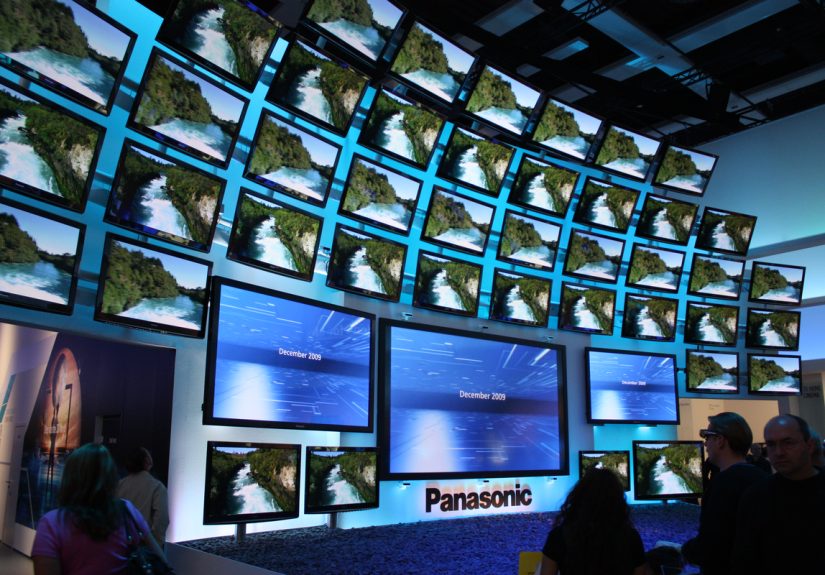
Panasonic also deserves enormous credit for carrying the plasma torch after Pioneer stepped back. Many Panasonic plasma models delivered stunning performance at prices that, while hardly cheap, felt more attainable than pure fantasy. For years, plasma buyers were basically choosing between “excellent” and “possibly life-changing.” Those were good years for people who cared deeply about picture quality and only moderately about practical concerns like lifting the TV without summoning three cousins.
What Plasma Got Right That Still Matters Today
Plasma’s legacy lives on in what serious TV buyers still chase now: deep blacks, strong contrast, wide viewing angles, natural motion, and an image that does not turn every movie into a fever dream of sharpened edges and showroom gimmicks. In many ways, plasma taught a generation of enthusiasts how to judge a display properly. Not by the loudest sticker. Not by the brightest looped demo. By the image itself.
That legacy also explains why OLED is so often described as plasma’s spiritual successor. OLED finally delivered self-emissive pixels with even better black control, along with thinner designs and modern efficiency gains. But before OLED became the cinephile darling, plasma was the format showing people what a truly satisfying flat-panel image could look like.
Should Anyone Still Love a Plasma TV in 2026?
Absolutely. Loving plasma in 2026 does not mean pretending technology stopped evolving in 2013. Modern OLED and premium mini-LED sets can outperform old plasma TVs in many areas, especially brightness, HDR, gaming features, and overall convenience. But admiration is not the same as denial. You can appreciate modern progress and still give plasma its flowers.
If anything, the continued affection for plasma says something useful about display quality. People remember how a screen made them feel. They remember whether movies felt immersive, whether faces looked believable, whether darkness looked truly dark, and whether motion looked smooth without turning weird. Plasma got those emotional fundamentals right. That is why it remains admired long after the assembly lines fell silent.
Conclusion: In Praise Of Plasma TVs, and the Era They Represented
Plasma TVs deserve praise not because they were perfect, but because they were principled. They prioritized the image in ways that still resonate with serious viewers. They asked you to accept a few practical compromises in exchange for a more cinematic experience, and for many people that bargain was worth every extra pound, watt, and cautious logo-related decision.
In the history of television, plasma was the beautiful overachiever with a slightly messy apartment. It could not charm everyone. It was not always the easiest technology to own. But when the room went dark and the movie started, plasma reminded you why picture quality matters in the first place. That is not a small legacy. That is the kind of legacy people build forums around.
A Longer Reflection: Living With Plasma TVs and Why They’re Still Missed
Ask someone who really loved plasma TVs what they miss, and the answer usually starts with picture quality but rarely ends there. What they are often describing is an experience. It is the ritual of dimming the lights, loading a Blu-ray, and seeing a screen that did not look like it was trying to impress a fluorescent showroom. Plasma felt like it belonged to people who watched on purpose. It rewarded attention. It rewarded patience. It was a format for viewers who thought “Let’s compare black levels” was a completely reasonable sentence to say out loud.
I still remember the first time I saw a genuinely good plasma TV set up properly in a home instead of a retail store. The difference was immediate. Dark scenes had actual depth instead of that familiar washed-out glow that made night look like early dawn. Faces looked textured instead of waxy. Motion in films looked smooth without the weird hyper-real sheen that can make a historical drama look like it was shot yesterday for daytime cable. It was one of those moments where you realize that plenty of people had been shopping for televisions while almost accidentally buying light fixtures.
Sports were another revelation. Plasma handled movement in a way that felt effortless. A football spiraling across the screen, a basketball fast break, a camera panning across a packed stadium crowd: everything felt more stable and believable. It did not scream for credit. It just quietly looked right. The best technology often does that. It does not yank your sleeve every two seconds. It lets the content win.
There was also something oddly reassuring about the physical presence of plasma TVs. Yes, they were heavier. Yes, mounting one could feel like a low-budget team-building exercise. But they had gravitas. A plasma TV did not feel disposable. It felt like equipment. It sat in a room like it had shown up to do a job and expected the furniture to take it seriously. Today’s ultra-thin sets are impressive, elegant, and often objectively better in several categories, but some of them also feel so delicate that you half expect a stern breeze to void the warranty.
Of course, plasma ownership came with quirks. Owners learned to talk about image retention with the grave tone of people discussing a distant cousin’s legal trouble. They learned that bright rooms were not always plasma’s favorite environment. They learned that power consumption was not exactly a point of pride. But these tradeoffs became part of the culture. Plasma owners were not just customers; they were advocates, explainers, and occasionally unpaid public defenders for a technology that deserved a better sales pitch than it usually got.
That is why plasma still inspires such affection. It represented a period when display quality discussions were not entirely swallowed by spec-sheet theater. People obsessed over the actual image. They argued about calibration, screen filters, black floors, and viewing angles because those things changed the experience of watching. Plasma became a symbol of caring enough to notice. And in a world full of bright, flashy, instantly replaced gadgets, there is something deeply charming about a technology people miss because it made movies feel a little more human.