Table of Contents >> Show >> Hide
- First, a Quick Reality Check: What Indoor Herbs Actually Need
- Indoor Herb Garden Ideas That Actually Work in Real Homes
- 1) The Classic Windowsill Herb Lineup (with a smart twist)
- 2) The Countertop “Chef’s Caddy” Herb Cart
- 3) The Grow-Light Shelf That Looks Like Décor
- 4) Under-Cabinet Herb Garden (a.k.a. the “Secret Ingredient” Zone)
- 5) Hanging Herb Rail (small kitchen, big energy)
- 6) A Vertical Wall Pocket Herb Garden
- 7) The Hydroponic Countertop Garden (clean, consistent, beginner-friendly)
- 8) The “Propagation Station” for Always-On-Hand Cuttings
- 9) A Mini Indoor Greenhouse (for serious herb energy)
- 10) The “Mixed Planter” Herb Bowl (centerpiece you can cook with)
- Best Herbs to Grow Indoors (and Who Plays Nice Together)
- Indoor Herb Care Tips That Make a Huge Difference
- Common Indoor Herb Problems (and How to Fix Them Without Panic-Googling)
- Design Inspiration: Make Your Indoor Herb Garden Look Intentional
- A Neat, Honest Conclusion
- Experiences: What Indoor Herb Gardening Feels Like (The Good, the Weird, and the Delicious)
An indoor herb garden is basically a tiny flavor factory that doubles as home décor and occasionally makes your kitchen smell like you know what you’re doing. Whether you’re a “one brave basil” beginner or the kind of person who labels jars with a label maker (we see you), growing herbs indoors can be surprisingly easy if you set up the basics and choose ideas that fit your space and your attention span.
This guide is packed with indoor herb garden ideas, practical inspiration, and the real-life “why is my parsley doing that?” troubleshooting you’ll want once the honeymoon phase ends. You’ll find creative setups (from windowsills to wall gardens to grow-light shelves), smart plant pairings, and care tips that keep herbs productive instead of sad and stringy.
First, a Quick Reality Check: What Indoor Herbs Actually Need
Indoor herb gardens don’t fail because people lack “a green thumb.” They fail because herbs are tiny solar panels, and indoors is basically a dim cave compared with outdoors. So if you get the light, drainage, and watering rhythm right, you’re already ahead of most herb-related tragedies.
Light: the #1 make-or-break factor
Many culinary herbs prefer strong lightthink a bright south- or west-facing window if you’ve got one. If not, grow lights aren’t cheating; they’re just modern photosynthesis insurance. The goal is sturdy growth and good flavor, not tall, pale stems reaching toward the nearest lamp like they’re begging for help.
Drainage + the right container
Herbs generally dislike sitting in wet soil. Containers with drainage holes (and a saucer underneath) help prevent root rot. Clay or terracotta can be especially forgiving because it “breathes” and dries a bit faster than plastic.
Watering: less drama, more consistency
Water deeply, then let the plant settle before watering again. Constantly soggy soil is the fast lane to yellow leaves and fungus gnat parties. On the flip side, letting herbs wilt regularly can slow growth and make them taste bitter. The sweet spot is “evenly moist,” not swampy.
Indoor Herb Garden Ideas That Actually Work in Real Homes
Below are indoor herb garden setups that range from low-effort to “this is my new personality.” Pick one that matches your light situation, your space, and how often you want to play plant parent.
1) The Classic Windowsill Herb Lineup (with a smart twist)
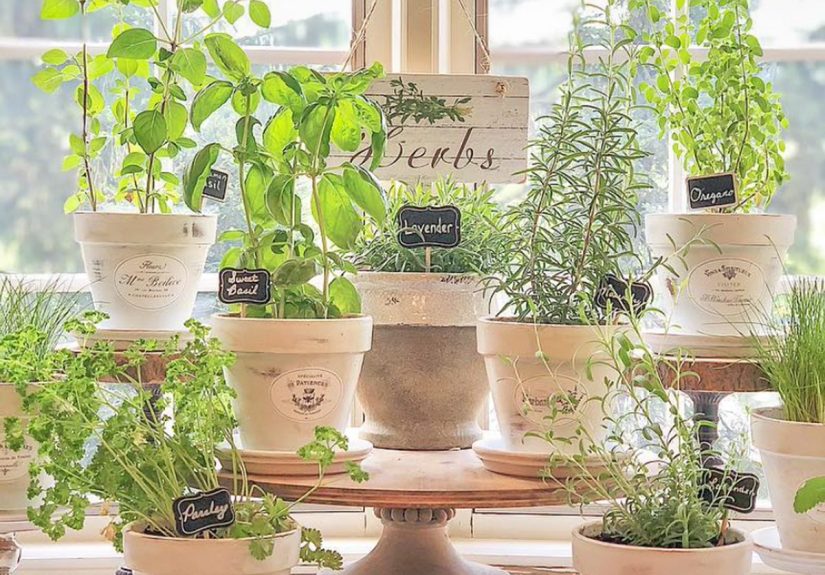
The windowsill herb garden is popular for a reason: it’s convenient, cute, and your basil is basically within arm’s reach of the pasta pot. The twist is to treat your windowsill like prime real estate: give the sunniest spot to sun lovers (basil, rosemary, thyme) and the slightly less intense spots to herbs that tolerate lower light (mint, chives).
- Pro styling tip: Use matching pots in different heights, then add simple plant markers (wood stakes or a tiny chalkboard label).
- Pro plant tip: Rotate pots every few days so plants don’t lean like they’re trying to eavesdrop on your neighbors.
2) The Countertop “Chef’s Caddy” Herb Cart
If your kitchen is short on window space, a small rolling cart can hold herbs, gardening tools, and a grow light above the top shelf. It’s mobile, adjustable, and keeps everything together which is great for people who have a history of losing the watering can in their own home.
- Top shelf: 3–6 small pots (basil, parsley, cilantro, chives, thyme, oregano)
- Middle shelf: potting mix, scissors, spare saucers, plant food
- Bottom shelf: extra pots, seed packets, sticky traps (for gnats), towel for watering days
3) The Grow-Light Shelf That Looks Like Décor
A simple wire shelf or bookcase + LED grow lights can turn a dim corner into a lush herb station. This setup is ideal if you want consistent results year-round. It also looks oddly impressive on video calls, should you need to flex.
- Design idea: Use warm wood shelves and matte ceramic pots to keep it from looking like a science experiment.
- Function idea: Put a timer on the lights so your herbs get consistent “daytime,” even when you forget what day it is.
4) Under-Cabinet Herb Garden (a.k.a. the “Secret Ingredient” Zone)
Mount a slim LED grow strip under upper cabinets and place a narrow tray of small herb pots on the counter below. This gives you light exactly where you need itwithout sacrificing window space or counter real estate.
- Best for: chives, thyme, oregano, mint, parsley
- Bonus: easy harvesting while cooking (snip, sprinkle, pretend you’re on a cooking show)
5) Hanging Herb Rail (small kitchen, big energy)
Install a simple rod or rail near a bright window and hang small pots or herb planters. This keeps herbs out of the way, adds vertical interest, and makes your kitchen feel like a cozy café. Just make sure your planters have proper drainageor use cachepots with removable inner pots so water doesn’t drip onto your toast.
6) A Vertical Wall Pocket Herb Garden
Wall pockets (fabric or rigid planters) are gorgeous in photos and surprisingly useful in tight spaces. This is best when paired with bright natural light or a dedicated grow light. Keep the herbs grouped by similar watering needs so you’re not overwatering one plant to keep another alive.
- “Drier” group: rosemary, thyme, oregano, sage
- “Moister” group: basil, parsley, cilantro
7) The Hydroponic Countertop Garden (clean, consistent, beginner-friendly)
If soil feels messy or unpredictable, a small hydroponic kit can grow herbs with built-in lights and reminders. It’s especially helpful for apartments with limited sunlight. The vibe is “space-age pesto,” and honestly, that’s a vibe worth trying.
- Best for: basil, dill, parsley, thyme, mint (trim often)
- Watch-outs: stay on top of pruning so plants don’t crowd each other
8) The “Propagation Station” for Always-On-Hand Cuttings
A row of small glass jars or vases on a bright sill can hold herb cuttings in water (mint and basil are common candidates). It’s not a full garden setup, but it’s fantastic for quick wins and pretty visuals. Think of it as a bouquet you can eat.
9) A Mini Indoor Greenhouse (for serious herb energy)
A small tabletop greenhouse or clear cabinet setup helps stabilize temperature and humidity, which can be useful in winter or in homes with dry air. Add a grow light inside or above it, and you’ve basically built a tiny herb spa.
10) The “Mixed Planter” Herb Bowl (centerpiece you can cook with)
Use a wide, shallow container as a living centerpiece. The key is to choose herbs with similar needs and give them enough room. This looks especially good on a dining table or kitchen island and makes you feel like you have your life together even if you ate cereal for dinner.
Best Herbs to Grow Indoors (and Who Plays Nice Together)
Not all herbs behave the same indoors. Some are easygoing; some are divas; some are mint (which is basically a friendly invader). Here are popular indoor herbs, plus examples of smart combinations.
Easy, forgiving starters
- Chives: tough, compact, and happy with decent light
- Mint: vigorous and tolerantbut give it its own pot unless you want a mint takeover
- Parsley: slow-ish at first, but great once established
- Oregano + thyme: prefer drier soil and strong light; great for “Mediterranean corner” vibes
Worth it, but needs the right setup
- Basil: loves warmth and strong light; gets sulky if cold or shaded
- Cilantro: tends to prefer cooler conditions; can bolt (flower) if stressed
- Rosemary: wants bright light and patience; don’t drown it
- Sage: likes sun and airflow; can do well in a bright window or under lights
Plant pairing examples (so you’re not mixing cactus energy with rainforest energy)
- Mediterranean Mix: rosemary, thyme, oregano, sage (similar light needs; let soil dry a bit between watering)
- Salsa Squad: cilantro, parsley, chives (more even moisture; harvest often)
- Pesto Party: basil + a separate pot of parsley (basil wants warmth; parsley is more flexible)
Indoor Herb Care Tips That Make a Huge Difference
Choose the right potting mix (and don’t overthink it)
A quality potting mix is usually enough for indoor herbs. For herbs that prefer sharp drainage (like thyme and oregano), a slightly grittier, more porous mix can help. Avoid using garden soil indoorsit compacts, drains poorly, and can bring unwanted pests.
Water like a grown-up (even if you still eat pizza rolls)
A reliable method: check the soil with your finger. If the top layer feels dry, water thoroughly until it drains out the bottom, then empty the saucer so the pot doesn’t sit in water. If you’re unsure whether to water, wait a littleoverwatering is the most common indoor herb mistake.
Harvesting is not just for your dinnerit’s pruning
Snipping herbs encourages bushier growth. For basil, pinching above a set of leaves helps it branch instead of becoming a tall, floppy stick with three lonely leaves at the top. For woody herbs like rosemary and thyme, light, regular trimming keeps them tidy and productive.
Temperature, drafts, and the sneaky window problem
Many homes are warm enough for herbs, but windows can be drafty or cold in winter. Keep leaves from pressing against cold glass. Basil in particular can be sensitive to chilly conditions, so give it a cozy spot with stable warmth.
Humidity and airflow: the quiet power couple
Very dry air can stress herbs and make them more inviting to pests like spider mites. Meanwhile, stagnant air can encourage fungal issues. A gentle fan in the room (not blasting directly at plants) can help, and so can spacing pots so leaves aren’t crammed together.
Common Indoor Herb Problems (and How to Fix Them Without Panic-Googling)
Problem: Leggy, pale growth
Usually means: not enough light.
Move plants to a brighter window or add a grow light. Rotate pots so growth stays even. If you’re using grow lights, consistency matters more than perfectionuse a timer.
Problem: Yellow leaves
Usually means: too much water or poor drainage.
Let the soil dry a bit more between watering, check that the pot has drainage holes, and make sure the plant isn’t sitting in water in a saucer.
Problem: Tiny flies around the pots
Usually means: fungus gnats, which love moist potting mix.
Let the surface of the soil dry between waterings, improve drainage, and consider sticky traps to catch adults. The long-term fix is dialing back moisture near the surface.
Problem: Speckled leaves or fine webbing
Usually means: spider mites (often encouraged by dry air).
Rinse foliage gently, increase humidity a bit, and isolate the plant if needed. Many gardeners use low-toxicity options like labeled insecticidal soap, following directions carefully.
Problem: Leaves taste weak or “meh”
Usually means: low light, overwatering, or not enough pruning.
Flavor compounds tend to be stronger when herbs get adequate light and aren’t constantly waterlogged. Harvest regularly so plants keep producing fresh, flavorful growth.
Design Inspiration: Make Your Indoor Herb Garden Look Intentional
You can absolutely grow herbs in mismatched yogurt cups (no judgment), but if you want your indoor herb garden to look like it belongs in your home, focus on three things: repeating materials, tidy lines, and labels that don’t fall into the soil every other day.
Simple design moves that look expensive (but aren’t)
- Pick one pot style: terracotta, matte white, or black ceramicrepeat it across herbs.
- Use a tray: a long shallow tray visually “groups” the garden and catches drips.
- Add a small tool cup: scissors + plant snips in one holder makes it feel like a station, not clutter.
- Label with style: wooden stakes, minimalist tags, or a tiny chalk marker on the pot.
Seasonal refresh ideas
- Winter: focus on hardy herbs (thyme, chives, parsley) and use grow lights for consistency.
- Spring: start basil and cilantro from seed for peak “I grew this” satisfaction.
- Summer: consider moving pots outdoors part-time if you have a balconyjust acclimate gradually to avoid shock.
A Neat, Honest Conclusion
The best indoor herb garden is the one you’ll actually use. That might be a sunny windowsill lineup, a sleek grow-light shelf, a rolling cart by the stove, or a hydroponic kit that does half the remembering for you. Start small, match your setup to your light, and pick herbs you genuinely cook with. Once you get the rhythmlight, drain, water, trimyou’ll have fresh herbs on demand and a kitchen that feels more alive.
Experiences: What Indoor Herb Gardening Feels Like (The Good, the Weird, and the Delicious)
Let’s talk about the part no one includes in the “perfect kitchen herb garden” photos: the learning curve. Indoor herb gardening has a very specific emotional arc. Week one feels like you’ve become a responsible adult who definitely drinks water and folds laundry. Week two is when you realize basil has opinions. By week three, you’ve probably had at least one moment of holding a pot up to the window like a detective“Is this… enough light? Are you thriving? Blink twice if you need a grow lamp.”
One of the most common indoor herb experiences is discovering that light is currency. The difference between “just okay” herbs and lush, fragrant herbs is often a few extra hours of strong light. People who add a simple grow light + timer combo tend to describe it as the turning point: herbs stop stretching, leaves get thicker, and flavor improves. It’s not glamorous, but it’s satisfying in the way a perfectly toasted bagel is satisfyingsimple, reliable, and immediately useful.
Watering is the next big “aha.” Many indoor gardeners start out watering like they’re apologizingsmall sips every daythen wonder why plants still look miserable. The more effective habit is checking the soil, watering thoroughly, and then letting the plant breathe before watering again. There’s a weird confidence boost the first time you ignore the urge to overwater and the plant actually looks better the next day. It’s like your herbs taught you boundaries.
Harvesting changes everything, too. The first time you snip chives directly into scrambled eggs, you realize how different “fresh” tastes compared to the sad plastic clamshell herbs that wilt in your fridge drawer. People often report cooking more at home simply because herbs are there, within reachparsley ends up in soups, thyme ends up on roasted veggies, basil ends up on anything that looks like it could be improved by basil. Having herbs available makes meals feel more intentional, even if dinner is basically “pasta plus vibes.”
Then there’s the funny stuff: mint trying to take over the whole operation, cilantro bolting the moment you start to believe in it, and the occasional fungus gnat reminding you that nature will always find a way if your soil stays too damp. These hiccups are normal. Most indoor herb gardeners end up keeping a few small tools nearby plant snips, a spare saucer, sticky trapsso problems are easy to handle quickly instead of becoming a full-blown “why are there tiny flies in my living room” saga.
The best part of the experience, though, is how personal the setup becomes. Some people love a tidy row of matching terracotta pots. Others prefer a wild little herb corner that looks like a tiny jungle with a seasoning drawer attached. Either way, indoor herbs tend to become part of your home’s rhythm: you notice new growth, you trim before cooking, you rotate pots while waiting for coffee, and you quietly feel proud that something is growing because of you. That’s the real magicfresh flavor, yes, but also the small daily win of keeping a living thing happy in the middle of a busy life.