Table of Contents >> Show >> Hide
- What Belgian Style Adds to Industrial Lighting
- The Core Ingredients of Industrial Lighting, Belgian Style
- How to Use Belgian Industrial Lighting Without Making the Room Feel Cold
- Room-by-Room Ideas for Industrial Lighting, Belgian Style
- Common Mistakes to Avoid
- Why This Look Endures
- Experience: Living With Industrial Lighting, Belgian Style
- SEO Tags
There are two kinds of industrial lighting. The first kind looks like a warehouse got dressed in a hurry and forgot to smile. The second kind looks like it has lived a full, interesting life, discovered linen, and now reads poetry by candlelight. Belgian style, thankfully, prefers the second option.
That is what makes industrial lighting, Belgian style, so appealing. It keeps the honesty of metal, the structure of utilitarian forms, and the quiet confidence of old workshop fixtures, but softens the whole thing with age, texture, and restraint. Instead of turning a room into a movie set for “brooding architect drinks espresso,” it creates spaces that feel warm, collected, and deeply human.
If classic industrial design is all exposed brick, black iron, and a little bit of attitude, Belgian industrial lighting is its calmer, better-dressed cousin. It still loves iron, brass, and factory-inspired silhouettes, but it pairs them with plaster walls, weathered wood, muted colors, soft upholstery, and the kind of atmosphere that whispers instead of shouting. The result is a look that feels timeless rather than trendy, and sophisticated without trying too hard. Which, frankly, is the dream.
What Belgian Style Adds to Industrial Lighting
It starts with mood, not machinery
Belgian interiors are often defined by restraint. Think earthy neutrals, natural materials, simple forms, and rooms that feel edited rather than decorated. In that context, lighting is not just about function or visual drama. It is about atmosphere. A Belgian-inspired industrial pendant is not there to scream, “Look at me, I am made of iron.” It is there to quietly shape the room, casting a warm pool of light over a stone table, a worn oak island, or a faded linen sofa.
This is why industrial lighting in Belgian spaces rarely feels cold. The fixtures may have workshop roots, but the mood is almost monastic in the best possible way. Calm. Grounded. Textural. Slightly moody. Like a beautifully lit loaf of sourdough in an impossibly elegant kitchen.
Patina is not a flaw, it is the point
Belgian style adores materials that look real. Not fake-aged. Not aggressively distressed. Real. That means blackened steel that feels softened by time, aged brass that is allowed to mellow, hand-blown or seeded glass that diffuses light gently, and finishes that do not look like they were dipped in showroom gloss five minutes ago.
In other words, a little wear is welcome. The magic of Belgian industrial lighting comes from the way it celebrates imperfection. A fixture with subtle irregularity, a hand-finished surface, or a shape that nods to old factory lamps will always feel more authentic than something too polished or overly styled. Belgian rooms do not chase perfection. They chase soul.
The Core Ingredients of Industrial Lighting, Belgian Style
Aged metals with warmth
The best fixtures for this look often feature iron, bronze, antique brass, pewter, or blackened steel. But the finish matters just as much as the metal itself. Bright chrome is usually too sharp. Ultra-glossy black can feel too severe. Belgian style prefers metals that have depth, softness, and a slightly weathered quality.
Unlacquered brass is especially effective because it develops character over time. Blackened steel works beautifully too, especially when paired with pale plaster walls or natural stone. The contrast is part of the appeal: hard metal against soft texture, structure against serenity, industry against intimacy.
Simple silhouettes with quiet authority
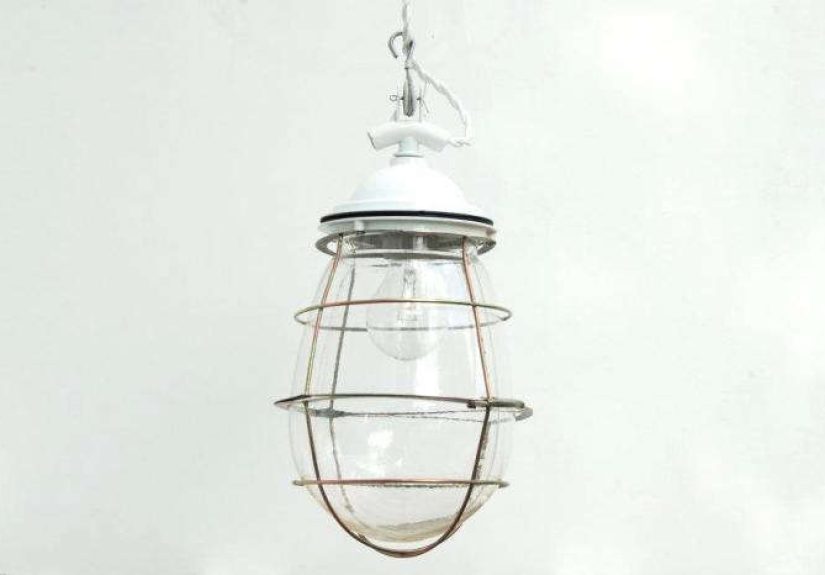
Belgian industrial lighting does not rely on fussy ornament. It favors forms that are strong, balanced, and useful. Dome pendants, lantern-style fixtures, cage sconces, articulated task lamps, and minimalist chandeliers with workshop references all fit the brief. The line between rustic and refined is delicate here, so shape matters. You want presence, but not theatrical behavior.
A good rule is this: if the fixture looks like it would make a room feel more grounded, it is probably heading in the right direction. If it looks like it belongs over a bar that serves cocktails in mason jars with tiny clothespins, back away slowly.
Glass that softens the blow
One of the smartest Belgian moves is pairing industrial structure with softer light diffusion. Clear glass can work, especially in a vintage-inspired pendant, but smoked, frosted, ribbed, or hand-blown glass often feels more at home in this style. It adds depth without heaviness and takes the edge off industrial silhouettes.
This is where Belgian style becomes especially clever. It understands that raw materials need balance. A metal fixture with a softened glass globe, for example, can look sculptural and sturdy while still feeling warm and elegant. That is the sweet spot.
Natural surroundings that complete the look
Industrial lighting only becomes Belgian when the room around it supports the story. These fixtures live best with limewashed walls, reclaimed beams, wide-plank wood floors, stone counters, nubby linens, boucle, leather, old ceramics, and antique wood furniture that has earned every dent. The lighting is not a solo act. It is part of an ensemble cast, and everyone needs to know their lines.
How to Use Belgian Industrial Lighting Without Making the Room Feel Cold
Layer the light
One overhead fixture is not a lighting plan. It is a cry for help. Belgian interiors feel rich because they layer light the way they layer texture. A pendant may anchor the room, but it should be joined by sconces, table lamps, floor lamps, and discreet accent lighting. This creates warmth, depth, and flexibility throughout the day.
In a kitchen, for example, a row of aged brass pendants over an island can provide visual rhythm and task lighting. Add soft wall sconces near open shelving, under-cabinet lighting for function, and maybe a small lamp on a back counter if you want the room to feel like a civilized place instead of a surgical theater. Suddenly, the whole space relaxes.
Choose warm bulbs
Even the most beautiful industrial fixture can become a menace if paired with harsh, cool-toned bulbs. Belgian style wants warmth. Soft white or warm white bulbs usually create the most inviting effect, especially in living rooms, dining rooms, bedrooms, and entryways. The goal is flattering light, not interrogation-room honesty.
Dimmers are equally important. Truly, they are the unsung heroes of grown-up interiors. Belgian industrial lighting looks best when it can shift mood from practical brightness to evening glow. If a room cannot dim, it cannot fully charm.
Balance hard materials with soft ones
Industrial lighting needs a soft landing. If you install black metal pendants in a room full of black metal stools, black-framed windows, and a concrete floor, the result can feel a little too determined. Belgian design knows better. It offsets the edges. Linen curtains, plaster walls, oak furniture, worn leather, wool rugs, and handmade ceramics all help industrial fixtures feel integrated rather than aggressive.
That balance is what makes the style feel luxurious. Not flashy luxury. Quiet luxury. The kind that says, “Yes, this lamp is wonderful, but please also notice the hand-thrown bowl and the perfectly imperfect wall finish.”
Room-by-Room Ideas for Industrial Lighting, Belgian Style
Kitchen
The kitchen is perhaps the most natural home for Belgian industrial lighting. Oversized dome pendants in aged brass, pewter, or matte black can create structure above an island without overwhelming the room. Pair them with warm wood cabinetry, stone countertops, open shelves, and walls in chalky whites or mushroom tones. If the room has reclaimed beams or old terracotta floors, congratulations, you are already halfway to interior peace.
A Belgian kitchen avoids shiny fussiness. The pendants should feel sturdy, useful, and a little storied. The overall effect should suggest that you might bake bread here, or at least convincingly pretend you do.
Dining room
In the dining room, industrial lighting takes on a more sculptural role. A linear chandelier in blackened iron, a series of lanterns, or a cluster of muted glass pendants can define the table beautifully. Keep the palette restrained and let the fixture bring shape rather than sparkle.
This is also a room where contrast matters. A rugged fixture above a weathered wooden dining table looks classic. The same fixture above a sleek lacquer table may feel confused, like it got the invitation but not the dress code.
Living room
Belgian living rooms are masters of softness, so industrial lighting needs to behave accordingly. Wall sconces in aged brass or antique bronze work well because they add glow without clutter. A floor lamp with an articulated arm can bring a subtle workshop note near a reading chair. Even a simple metal table lamp can feel right if the shade, finish, and scale are understated.
Here, the goal is intimacy. Industrial lighting should not dominate the living room. It should help the room exhale.
Bedroom
The bedroom is where Belgian industrial lighting becomes especially lovely. Swap generic bedside lamps for wall-mounted sconces in an old brass or iron finish. Choose fixtures with gentle curves, opal glass, or fabric-lined shades if you want a softer interpretation. Against plaster walls and natural bedding, the effect is equal parts practical and romantic.
And yes, industrial can absolutely be romantic. It just does romance the Belgian way: subtle, textural, and entirely uninterested in glitter.
Entryway and hallway
These transitional spaces are perfect for vintage-inspired fixtures with real character. A lantern pendant, a compact flush mount with an aged finish, or a pair of antique-style sconces can instantly set the tone. If the entryway lighting feels right, the whole house makes a stronger first impression. You want guests thinking, “Ah, this place has taste,” not “Interesting, are we in a repurposed bicycle factory?”
Common Mistakes to Avoid
The first mistake is going too literal. Belgian industrial lighting is inspired by utility, not trapped by it. You do not need exposed pipes, factory stools, and ten visible Edison bulbs to make the point. In fact, too many industrial clichés can make the room feel costume-y.
The second mistake is ignoring scale. Belgian spaces often embrace generous proportions, so tiny fixtures can disappear. On the other hand, a massive pendant in a modest room can feel bossy. Choose fixtures that feel proportional to the architecture, the furniture, and the emotional tone of the room.
The third mistake is over-matching. Every light does not need to be from the same collection. Belgian interiors feel collected, not cataloged. Mixed but harmonious finishes often create a more authentic result than a perfect set.
Finally, do not forget softness. If every material in the room is hard, industrial lighting will amplify the problem. The Belgian answer is always texture, warmth, and a little bit of age.
Why This Look Endures
Industrial lighting, Belgian style, lasts because it solves a real design problem. It gives structure to soft interiors and softness to raw materials. It feels grounded but elegant, old but current, minimal but never empty. It works in renovated farmhouses, city apartments, modern homes, and historic spaces because it is less about trend and more about tension done well.
That tension is the whole charm. Belgian style takes the honesty of industrial design and removes the macho posturing. What remains is far more interesting: a quieter kind of strength, one that values craftsmanship, atmosphere, and rooms that age gracefully. The best spaces do not look newly finished. They look understood.
So if you love the bones of industrial lighting but want a home that feels warmer, more layered, and less like a stylish loading dock, Belgian style may be your answer. Keep the metal, soften the mood, welcome the patina, and let the light do what it was always meant to do: make the room feel alive.
Experience: Living With Industrial Lighting, Belgian Style
The true test of any lighting style is not how it looks at noon in a professionally styled photo. It is how it feels at 7:14 p.m. on a Tuesday when you are reheating leftovers, looking for your phone charger, and wondering why adulthood involves so many cables. This is exactly where industrial lighting, Belgian style, proves its worth.
Imagine walking into a home where the kitchen pendants are aged brass, slightly darkened with time, hanging above a stone island that has enough texture to feel ancient and enough polish to still be useful. The bulbs are warm, the glow is low, and the metal does not gleam so much as hum. Nothing is shouting for attention, but everything feels intentional. The light lands softly on ceramic bowls, a cutting board with knife marks, and a linen towel thrown over a handle like it has been there forever. It is industrial, yes, but in a civilized way.
Move into the dining area and the mood shifts without becoming dramatic. A blackened iron fixture hangs over the table, simple in shape, sturdy in presence. It does not sparkle, and that is exactly why it works. Candlelight joins in. The table surface catches both the artificial glow and the flame, and suddenly dinner feels less like “Tuesday pasta again” and more like a scene with emotional lighting and suspiciously good bread.
In the living room, the experience becomes even more obvious. A metal floor lamp near a reading chair provides a tight circle of light for books, while a pair of aged sconces washes the plaster wall with a softer glow. The room feels layered and calm. You notice materials more than objects: the nap of the upholstery, the chalky depth of the walls, the grain of old wood, the faint sheen of worn leather. Belgian style does not ask lighting to perform tricks. It asks lighting to reveal texture, and that makes everyday life feel richer.
There is also something emotionally reassuring about this style. Hyper-modern lighting can be beautiful, but it sometimes feels untouchable, as though the room expects you to sit carefully and never spill coffee. Belgian industrial lighting is more forgiving. It welcomes lived-in moments. It looks even better next to old books, wrinkled linen, handmade pottery, and the harmless chaos of real life. A little wear does not ruin the mood; it completes it.
Perhaps the most memorable experience comes late at night, when the house is quiet and only a few fixtures remain on. A bedside sconce in antique bronze throws a warm pool of light across soft bedding. A hallway lantern glows gently against plaster. The kitchen pendant is dimmed to a low amber presence in the background. The whole house feels connected by mood rather than brightness. That is the genius of the look. It is not just decorative. It changes the emotional temperature of the home.
Living with industrial lighting, Belgian style, means discovering that practicality and beauty do not need to compete. You can have durable materials, useful forms, and strong silhouettes without sacrificing softness. You can love iron and still love serenity. You can choose a fixture that nods to a workshop and place it in a room that feels almost spiritual. And when that balance is right, the home does something magical: it looks designed, but it feels deeply, gloriously lived in.






