Table of Contents >> Show >> Hide
- So… Is Dyshidrotic Eczema Contagious?
- What Dyshidrotic Eczema Actually Is (and Why It Freaks People Out)
- If It’s Not Contagious, Why Do People Think It Is?
- When It Can Turn Into Something Contagious: Secondary Infection
- Look-Alikes That May Be Contagious (Important!)
- Risk Factors: Who’s More Likely to Get Dyshidrotic Eczema?
- Prevention: How to Lower Your Odds of Flares
- What Treatment Usually Looks Like (Quick, Practical Overview)
- When to Get Medical Help
- Quick FAQ
- Conclusion: The Bottom Line (and the Good News)
- Experiences: What Living With Dyshidrotic Eczema Can Feel Like (and What Actually Helps)
- SEO Tags
Those tiny “tapioca” blisters on your hands or feet can look suspiciously like something you caught from a doorknob. Dyshidrotic eczema (also called dyshidrosis or pompholyx) is famous for making people ask the same question in a slightly panicked whisper: “Wait… is this contagious?”
Let’s clear it up, give you the real risk factors, and build a prevention plan that doesn’t require living in bubble wrap (though your skin may request it).
So… Is Dyshidrotic Eczema Contagious?
No. Dyshidrotic eczema is an inflammatory skin condition, not an infection. You can’t “catch” it from someone else, and you can’t pass it to anyone by shaking hands, sharing a keyboard, or accidentally touching the same grocery cart handle.
It’s caused by your skin barrier and immune system getting a little too dramaticoften in response to triggers like irritants, allergens, sweat, stress, and temperature changes. It may look like something that spreads, but it doesn’t spread person-to-person.
What about the blister fluid?
Totally fair question. The fluid inside the blisters is not “germs escaping.” It’s part of the skin’s inflammatory reaction. That said, if the skin cracks open and becomes infected, then the infection (not the eczema) can become a problemmore on that below.
What Dyshidrotic Eczema Actually Is (and Why It Freaks People Out)
Dyshidrotic eczema usually shows up on:
- Palms
- Sides of the fingers
- Soles of the feet
- Toes
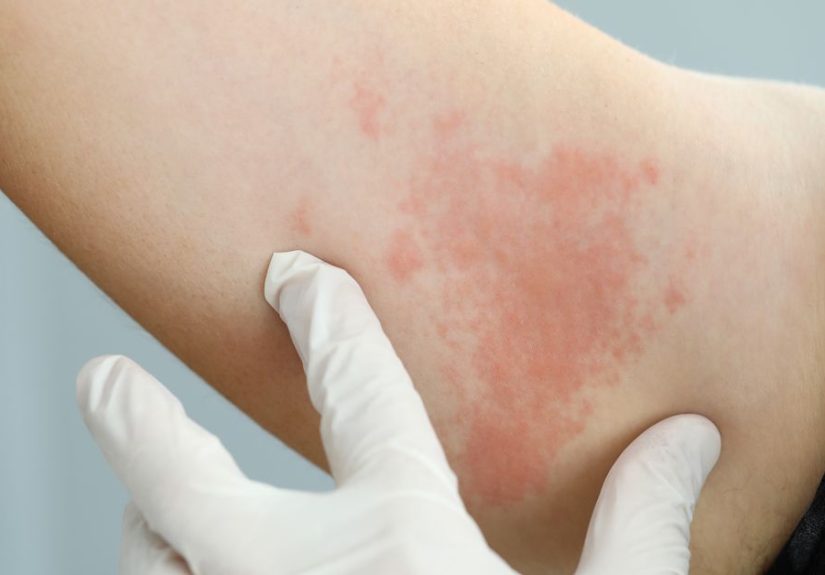
The hallmark is clusters of tiny, deep-seated, intensely itchy blisters. Many people describe them as looking like tapioca pearls under the skin. The flare can last a few weeks, then the blisters dry out, peel, and sometimes leave cracked, tender skin behind.
It often comes backsometimes seasonally, sometimes whenever your hands decide they’re tired of being useful.
If It’s Not Contagious, Why Do People Think It Is?
Because dyshidrotic eczema checks every box on the “this looks contagious” bingo card:
- Blisters
- Itching
- Cracking and peeling
- Sometimes redness and soreness
- It can look sudden and dramatic
Plus, it often appears on handsthe part of you that touches everything and everyoneso it feels like it must have come from somewhere. In reality, it’s usually a mix of genetics + environment + triggers.
When It Can Turn Into Something Contagious: Secondary Infection
Dyshidrotic eczema itself isn’t contagious, but broken skin can invite bacteria (and sometimes viruses or fungi) to move in like unwanted roommates who never pay rent.
Signs your eczema may be infected
- Increasing pain or swelling
- Warmth around the area
- Yellow crusting or oozing
- Pus-filled bumps (different from the usual clear blisters)
- Redness that spreads beyond the original area
- Fever or feeling unwell (seek care promptly)
If you suspect infection, contact a healthcare professional. Treating infection early can prevent a small flare from turning into a bigger mess.
Look-Alikes That May Be Contagious (Important!)
Because dyshidrotic eczema is not contagious, it’s easy to relaxunless what you have isn’t dyshidrotic eczema. A few conditions can mimic it:
Hand-foot-and-mouth disease (HFMD)
Often includes fever, sore throat, and mouth soresmore common in kids but can occur in teens/adults. The rash can affect hands and feet and is contagious.
Scabies
Usually causes intense itching (often worse at night) and can involve wrists, finger webs, and more widespread body areas. It’s contagious and needs treatment.
Impetigo
A bacterial infection that can cause oozing and honey-colored crusts. Contagious and treated with prescription medication.
Fungal infections (tinea / athlete’s foot)
Can cause scaling and blisters, especially on feet. Contagious in shared-shower and locker-room settings. Treatable, but it won’t respond to eczema-only care.
If you’re not sure what you’re dealing withor it’s spreading beyond hands/feetgetting a clinician’s confirmation can save you weeks of guessing.
Risk Factors: Who’s More Likely to Get Dyshidrotic Eczema?
Anyone can develop it, but research and clinical guidance point to several common risk factors:
1) Personal or family history of eczema and allergies
People with eczema elsewhere (including atopic dermatitis), asthma, or seasonal allergies may be more prone. Think of it as your immune system being a little more “reactive” than average.
2) Age and sex
It’s often reported in adults, commonly between ages 20 and 40, and some clinical resources note it may be more common in women.
3) Frequent wet work or moisture exposure
If your hands are often wetdishwashing, food prep, cleaning, healthcare work, hair styling, bartending, childcareyour skin barrier gets worn down. Add soap and friction, and your hands may stage a protest.
4) Contact allergies and irritants (metals are famous here)
Nickel and cobalt are frequent culprits. They’re everywhere: jewelry, coins, tools, phone edges, belt buckles, and workplace materials. Some people also react to chromium exposure (including cement and certain industrial settings).
5) Sweat, heat, and seasonal flare patterns
Sweat and rising temperatures can trigger blisters for some people. Many notice flares in spring or summer, or when they’re dealing with sweaty hands/feet.
6) Stress
Stress doesn’t “cause” dyshidrotic eczema out of thin air, but it can amplify inflammation and itch. Basically, your skin joins your group chat of worries.
7) Certain medications or infusions (less common, but real)
Some clinical sources mention associations with specific medications (like aspirin) or immune-related infusions in certain contexts. If your flares started after a new treatment, bring it up with your clinicianthere may be alternatives or supportive strategies.
Prevention: How to Lower Your Odds of Flares
There’s no single magic switch, but prevention works best when you treat dyshidrotic eczema like a “trigger-stacking” issue: the more triggers you remove, the calmer your skin tends to be.
Build a simple “skin barrier first” routine
- Moisturize like it’s your job. Use a thick, fragrance-free cream or ointment, especially after washing.
- Wash gently. Use mild, fragrance-free cleansers. Avoid “antibacterial” soaps unless specifically recommended.
- Dry thoroughly. Pat drydon’t scrub. Pay attention between fingers and toes.
- Moisturize immediately after water exposure. This is the easiest “small habit, big payoff” move.
Glove strategy (because your hands do everything)
- For dishwashing/cleaning: use protective gloves, and consider a thin cotton liner if sweat triggers you.
- Don’t trap moisture: if gloves get sweaty, take breaks to dry your hands.
- Remove rings while washing: water and soap can get trapped under jewelry and irritate skin.
Reduce trigger exposure (without becoming a hermit)
- Nickel/cobalt awareness: If you suspect metals, ask about patch testing. If confirmed, choose low-nickel jewelry and use phone cases or barriers when needed.
- Fragrance audit: Fragranced lotions, shampoos, and detergents can be sneaky irritants.
- Workplace protection: If you handle cement, cutting oils, hair chemicals, or frequent sanitizers, ask about protective routines and product substitutions.
Manage sweat and heat
- Keep hands/feet cool when possible.
- Change socks if they get damp; choose breathable footwear.
- If excessive sweating is a major trigger, ask a dermatologist about targeted options (there are medical treatments for hyperhidrosis).
Stop the itch-scratch spiral
Scratching can break the skin and increase infection risk. Try:
- Cool compresses for itch relief
- Keeping nails short
- Using your moisturizer as a “first response” when itch starts
- Covering cracks with appropriate bandaging/barrier care (as advised by a clinician)
What Treatment Usually Looks Like (Quick, Practical Overview)
Prevention helps, but flares still happen. Treatment often focuses on calming inflammation and repairing the barrier:
- Topical corticosteroids (often prescription-strength for hands/feet)
- Soaks or cool compresses to reduce itch and inflammation
- Barrier repair moisturizers used consistently
- Trigger identification (including patch testing when appropriate)
- Phototherapy or other options for stubborn cases (dermatology-guided)
If you have frequent flares, significant pain, or ongoing cracking, a dermatologist can tailor a plan rather than playing whack-a-mole with symptoms.
When to Get Medical Help
Consider a medical visit if:
- You’re not sure it’s dyshidrotic eczema
- It’s severe, keeps returning, or interferes with daily life
- You suspect infection (increasing pain, crusting, pus, spreading redness)
- Home care isn’t helping after a reasonable trial
Quick FAQ
Can I spread dyshidrotic eczema to my family?
Nodyshidrotic eczema isn’t contagious. However, eczema can run in families because genetics and allergic tendencies can be inherited.
Should I avoid shaking hands?
From a contagion standpoint, no. But from a comfort standpoint, if your skin is cracked and painful, you have full permission to offer a friendly wave instead.
Can it “spread” on my own body?
It can appear on both hands or both feet and may recur. It doesn’t spread like an infection, but inflammation can flare in multiple areasespecially if triggers are ongoing.
Does diet prevent it?
Diet isn’t a universal trigger, but some people with confirmed metal allergy (like nickel) may discuss dietary strategies with a clinician. Don’t self-restrict aggressivelyget guidance first.
Conclusion: The Bottom Line (and the Good News)
Dyshidrotic eczema can look alarming, feel miserable, and make you side-eye every doorknob you’ve touched this weekbut it’s not contagious. The most effective approach is a two-part strategy: reduce triggers and protect your skin barrier. Add prompt treatment during flares and you’ll usually see fewer “surprise tapioca” moments over time.
And if anyone asks whether it’s contagious, you can confidently say: “Nope. My immune system is just being dramatic.”
Experiences: What Living With Dyshidrotic Eczema Can Feel Like (and What Actually Helps)
Note: The experiences below are common patterns reported by people with dyshidrotic eczema. Everyone’s triggers differ, so use them as relatable guidepostsnot a diagnosis.
1) “It started right when I got busy.”
A lot of people notice their first flare during a stressful stretch: exams, moving, a new job, a family event, or a period of poor sleep. The timing makes it feel like the skin is “reacting to life.” And… it kind of is. Stress can ramp up itching and inflammation, and when you’re stressed you also tend to wash your hands more, moisturize less, and pick at skin without realizing it. What helps most here isn’t a perfect, zen lifestyle (because, hello, reality). It’s a realistic “minimum routine”: gentle cleanser, a thick moisturizer by every sink, and a rule that you treat itch earlybefore scratching turns a flare into a cracked-skin saga.
2) “People think I have something contagious.”
Dyshidrotic eczema can be socially awkward. Hands are visible, and blisters make people nervous. Some people describe hiding their palms, avoiding handshakes, or feeling embarrassed at school or work. The helpful reframe: you don’t owe anyone a medical presentation, but a simple sentence can reduce stress fast: “It’s eczema, not contagious.” Many people find it empowering to have that line readybecause stress itself can be a trigger, and nothing spikes stress like someone recoiling from your hand like it’s a biohazard. (It’s not. Your skin is just having opinions.)
3) “My hands flare when they’re wet all day.”
Wet work is a classic story: dishwashing, cleaning, food prep, childcare, healthcare, or jobs that involve frequent sanitizing. People often say, “I didn’t change anythingmy hands just gave up.” What usually helps is upgrading protection instead of trying to “tough it out.” Gloves for dishes and cleaning are greatbut sweaty gloves can backfire. Many people do better with short glove sessions, hand-drying breaks, and cotton liners that reduce sweat friction. Keeping a travel moisturizer in a pocket or bag (so you moisturize right after washing) can be the difference between “manageable” and “why do my hands hate me?”
4) “Summer makes it worse… but winter can also be bad.”
Some people flare in heat and humidity (sweat triggers itch and blisters). Others flare in winter because cold air dries skin and handwashing becomes harsher. The common thread is barrier stress. People often succeed by matching the season: lighter but frequent moisturizer in summer (so hands don’t feel greasy), heavier ointment at night, and extra protection during weather extremes. When feet are involved, breathable shoes and moisture-wicking socks help more than people expectespecially if you change socks after sweating.
5) “It’s the itch that messes with me the most.”
Dyshidrotic eczema itch can feel deep and relentlesslike it’s under the skin where you can’t reach it. People describe “accidental scratching” during sleep or zoning out while scrolling and realizing they’ve been digging at a blister. Helpful habits often include trimming nails short, using cool compresses when itch spikes, and making moisturizer the first response instead of scratching. Some people keep a small tube of moisturizer at their desk or bedside so the routine is automatic. It’s not glamorous, but it’s effective.
6) “Once the blisters dry, my skin cracks and hurts.”
The flare’s second actpeeling and crackingcan be painful. People often say this is when daily tasks hurt most: typing, washing hair, opening packages, even holding a pen. Many find nighttime care especially helpful: a thick moisturizer or ointment before bed, sometimes with cotton gloves or socks (if recommended and comfortable), helps reduce morning dryness. The goal is simple: keep the skin flexible so it’s less likely to split. And if cracks are deep or you suspect infection, that’s a good time to involve a clinician rather than trying to “power through.”
7) “Figuring out my triggers took time.”
One of the most consistent experiences is trial-and-error. People often discover a pattern only after a few cycles: a certain soap, a metal exposure, a seasonal shift, a high-stress week, or constant wet hands. Patch testing is a turning point for someespecially when nickel/cobalt allergy is involvedbecause it turns guesswork into a plan. The win isn’t “never flare again.” The win is fewer flares, shorter flares, and less severe symptoms when they happen.
The big takeaway from real-life experience: dyshidrotic eczema isn’t contagious, but it can be disruptive. The best results usually come from consistent barrier care, realistic trigger reduction, and early treatmentplus a little self-compassion when your skin decides to be extra.