Table of Contents >> Show >> Hide
- What we mean by “raw fish” (and why people love it)
- So… is it safe? The benefits and the risks
- Who should avoid or be extra cautious?
- How to eat raw fish more safely (yes, you CAN enjoy it!)
- Raw fish and nutrition: is there a big gain?
- Bottom line: is eating raw fish safe and healthy?
- Personal Experiences & Reflections on Eating Raw Fish
Let’s be honest: sushi rolls, sashimi platters and poke bowls look so darn Instagram‑worthy that it’s tempting to dive fork‑first into raw fish territory. But waitbefore you whip out your chopsticks and channel your inner foodie, it’s important to ask: is eating raw fish truly safe and healthy? Spoiler: yessometimes. But it’s not a free pass to live the “always raw” dream without caution.
What we mean by “raw fish” (and why people love it)
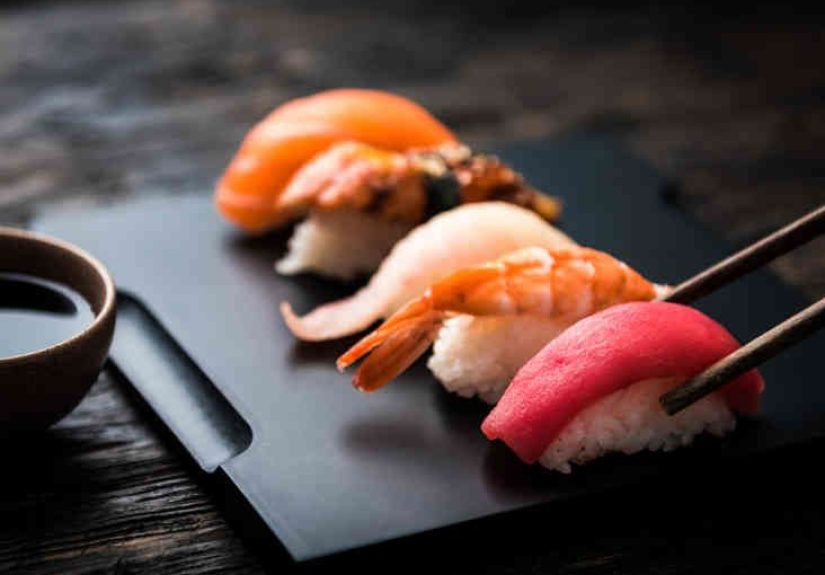
When we talk about raw fish, we’re referring to dishes like the driftwood‑cool classics: sushi, sashimi, poke, ceviche and other lightly treated seafood where the fish hasn’t been cooked through. The appeal is clearthe texture is smoother, the flavour more delicate, the experience more … well, adult and sophisticated. Plus, for many, eating raw fish connects them to Japanese, Hawaiian or Latin food culture in a visceral way.
Beyond the taste and thrill, there’s a nutritional pull too. The Food and Drug Administration (FDA) and other U.S. agencies agree that fish in general is a smart part of a healthy dietrich in protein, omega‑3 fatty acids (EPA and DHA), vitamin D, selenium, and more.
So… is it safe? The benefits and the risks
Clear benefits
Yes, there are genuine up‑sides to eating raw fish (provided it’s handled correctly). For starters:
- Because it hasn’t been subjected to high‑heat cooking, raw fish may preserve more of those precious omega‑3 fats (which support heart and brain health).
- Cooking at very high temperatures can generate nasty compounds like heterocyclic amines (HCAs) or polycyclic aromatic hydrocarbons (PAHs). Raw fish avoids that trigger.
- With the right fish and portion control, raw fish can be a lean, lower‑calorie and elegant protein sourceespecially great for folks who like fresh, minimalist meals.
The flip side: Risks you should know
Yes, even the coolest poke bowl carries some risk. Here are the key worries:
Parasitic infections & worms – Raw fish can harbour parasites. The FDA’s “Fish and Fishery Products Hazards and Controls Guidance” clearly states that fish intended for raw consumption must often be frozen to destroy parasites. Another review noted that freezing at –20 °C (–4 °F) or colder for multiple days is the standard for parasite inactivation.
Bacterial contamination / food‑borne illness – Raw fish can carry pathogens like Listeria, Salmonella, Vibrio, and others. According to the Cleveland Clinic, while the risk is low for most healthy people, it can be serious for high‑risk groups.
Environmental pollutants / mercury and beyond – Raw or cooked fish both may carry mercury, PCBs and other contaminants. Interestingly, one study found that certain pollutants (such as PCBs) were lower in cooked salmon than raw counterpart.
Storage & handling errors – A lot of risk comes not from eating raw fish itself, but from poor handling, warming, re‑use of cutting boards, long storage, etc. The FDA’s guidelines emphasise proper cold chain, separation of raw vs ready‑to‑eat foods, and immediate refrigeration.
Who should avoid or be extra cautious?
Even though raw fish is relatively safe for many people when properly handled, some folks should really steer clear or treat it with caution:
- Pregnant women: Because both parasites *and* mercury exposure can pose risks to unborn babies.
- Young children (under age 5) or older adults (65+) whose immune systems may not be as strong.
- People with compromised immune systems, liver disease, or other chronic health issues.
- When the fish source is unknown, the storage is questionable, or there’s any sign of smell, sliminess or odd colour in the fish.
How to eat raw fish more safely (yes, you CAN enjoy it!)
If you love raw fish and don’t want to give it up, here are smart practical tips to reduce the risks:
- Buy from reputable restaurants or markets that you trust. Ask if they know the fish has been frozen appropriately if it’s wild‑caught.
- If preparing at home, ensure the fish is “sushi‑grade” (though note: this term is marketing, not regulatory) and keep everything cold.
- Freeze fish intended for raw consumption if required: –4 °F (–20 °C) for 7 days (168 hours) or –31 °F (–35 °C) for 15 hours are benchmarks.
- Keep raw fish at 40 °F (4 °C) or below until ready to eat; don’t leave it sitting out at room temp. FDA recommends 40 °F or lower for refrigerators.
- Avoid cross‑contamination: use separate cutting boards for raw fish, wash hands and utensils thoroughly.
- Avoid fish species known to have high mercury levels if eating raw frequently (e.g., bigeye tuna, swordfish, king mackerel).
- When in doubt, choose cooked seafood or vegetarian alternativesno shame in that game.
Raw fish and nutrition: is there a big gain?
Yes and no. Raw fish can preserve certain nutrients better than cooking, especially when cooking is done at very high heat or for a long time. The benefits of omega‑3 fats, lean protein, and minimal added fat hold. But: the difference between raw fish vs a well‑prepared cooked fish dish doesn’t always mean “raw is massively better.” Good cooking preserves nutrients tooand cooking can lower contaminant load in some cases.
In short: choosing a high‑quality, well‑handled raw fish dish can be a fine addition to your dietbut it doesn’t mean cooked fish is “bad” or “inferior.” The bigger keys are variety, source, handling, and overall dietary pattern (not “raw or nothing”).
Bottom line: is eating raw fish safe and healthy?
If you’re healthy, the raw fish dish comes from a reputable source, has been properly handled, stored, possibly frozen to kill parasites, and you’re not in a high‑risk groupthen yes: eating raw fish **can** be safe and even a pretty healthy, fun part of your eating repertoire. But it’s not without risk, and for some peopleand some fishit may not be the best idea. Think of it like driving an exotic car: it’s fine if tuned and maintainedbut you wouldn’t recklessly barrel down a cliff in it.
So go ahead and enjoy that spicy tuna roll or salmon sashimibut keep your wits about you, ask good questions, pick smartlyand if you feel a bit queasy afterwards, maybe give the chef a side‑eye next time.
sapo: Raw fish dishes like sushi, sashimi and poke are more than trendythey offer lean protein and omega‑3 goodness. Yet beneath the beauty lies risk: parasites, bacteria, mercury and sloppy handling can turn your bite into a regret. In this article we dive into the benefits of raw fish, the dangers to know, who should steer clear, and smart safety tips to keep your meal fun and illness‑free. Whether you’re a sushi addict or a curious first‑timer, we’ve got you covered with science‑backed advice and a dash of humour. Ready to roll?
Additional 500‑word personal‑experience section starts here
Personal Experiences & Reflections on Eating Raw Fish
Now, let me get a little personalbecause yes, this humble writer has dipped a chopstick or two into raw‑fish waters and lived to tell the tale. Picture this: a Friday night, my friends and I head to a modern sushi bar downtown. Neon lights, minimalist décor, and the chef slicing salmon so thin it nearly wobbled. I opted for a salmon‑avocado roll plus a side of salmon sashimi, because if I’m going raw I’m going all in.
I remember that first bite: smooth, cool, slightly sweet, a texture you rarely get from cooked fish. I felt sophisticated. I felt savvy. I may have even felt a little bit *zen.* For the rest of the evening, digestion was normal, I felt energized the next morning, and I told myself, “This raw fish thing? Yeah, I can see it.”
But of course, not all raw‑fish experiences are created equal. A few months later I visited a small poke place in a new neighborhood. The fish looked slightly off (a faint odd smell, less bright flesh) but I ordered the ahi tuna bowl anywaybecause tuna is safe, right? Right? The next day I woke with a queasy stomach and a mild headache. Nothing horrific, but enough for me to think: maybe I took a chance I shouldn’t have.
Reflecting on those two outings, I realised some patterns: when I treat raw fish like a regular meal (choose trusted venue, ask about freshness, check fish supply), I feel great. When I treat it like a cheap thrill or ignore the tell‑tale signs of quality, that’s when things wobble.
Another thing I learned: raw fish doesn’t have to be eaten every week. I consider it my “restaurant treat” option rather than default dinner. On nights when I’m cooking at home, I’ll opt for grilled salmon, baked cod or even a veggie‑based sushi alternative. Why? Because raw fish may preserve certain nutrients betterbut a well‑cooked fish still offers excellent benefits, and the risk is lower if I’m preparing it myself and shifting the variables in my favour.
Alsofun factI discovered that the term “sushi‑grade” is more marketing than regulation. One fishmonger told me that the label only means “someone at some point deemed this safe for raw consumption under ideal circumstances”which means **you** still bear responsibility. I asked: has this fish been frozen to –4 °F for 7 days? Is the vendor reputable? How long has the display been sitting out? All important questions.
Another memorable experience: on vacation in Hawaii, I had a poke bowl from a beachside stand recommended by locals. Fresh, chopped ahi tuna, seaweed, pineapple bitsand a short chat with the vendor who told me the fish had been in the freezer overnight and turned over quickly that morning. That sense of transparency made me feel comfortable, and I went ahead. The bowl tasted like summer. The next day, no problems. I chalked it up to good source + smart handling = happy meal.
Finally: the psychological part. There’s something satisfying about eating raw fish that is well‑prepared. It feels lighter, less “heavy dinner,” sort of breezy and social. But it also requires a mindset of respectrespect for the source, for the risk, for your body. If I ever find myself bingeing raw fish every day (which I don’t), I remind myself: variety is good. Balance is good. Having raw fish occasionally, from top‑quality places, is good. Being careless? Not so much.
So if you ask me: is eating raw fish safe and healthy? Yesbut only when done right. Treat it like a treat, not a default. Ask smart questions. Choose quality. And if anything feels off (smell, temperature, vendor behaviour), walk away. Your sushi experience will thank youand so will your stomach.