Table of Contents >> Show >> Hide
- So… is feta actually goat cheese?
- What feta is (and why it tastes like it has an opinion)
- What “goat cheese” usually means in American grocery stores
- Greek feta vs. feta-style: the milk matters
- Why some feta tastes “goaty” (and some tastes… not)
- How to tell if your feta is made from goat’s milk
- Feta vs. goat cheese: flavor, texture, and best uses
- Can you substitute feta for goat cheese (or the other way around)?
- Nutrition notes (because feta is salty and proud of it)
- Shopping cheat sheet: how to get feta you actually love
- The bottom line
- Kitchen Experiences: What You’ll Notice When You Compare Feta and Goat Cheese
You’re standing in front of the cheese case, feeling confident. You grab feta. Then your brain whispers: “Wait… is this goat cheese?” And suddenly you’re Googling dairy like it’s a final exam.
Here’s the truth: feta can be made with goat’s milk, but feta is not automatically goat cheese. In fact, the “real-deal” version most people mean when they say feta (the Greek kind) is usually mostly sheep’s milk with some goat’s milk mixed in. Meanwhile, in the U.S., “feta” can also be made from cow’s milk, goat’s milk, or blendsbecause “feta” is often treated more like a style than a strict recipe.
So… is feta actually goat cheese?
Think of it like this: “Goat cheese” describes the milk. “Feta” describes the cheese style (brined, salty, tangy, and usually crumbly). Sometimes those two overlap. Sometimes they don’t even sit at the same lunch table.
- Greek-style feta: traditionally sheep’s milk, sometimes with goat’s milk blended in.
- Goat-milk feta: feta made entirely from goat’s milk (common in some U.S. artisan versions).
- “Goat cheese” (chèvre-style): usually a different texture and flavor profile than feta.
What feta is (and why it tastes like it has an opinion)
Feta is a white brined cheese. That brine is not just a storage trickit’s basically feta’s personality. Brine helps feta stay moist, gives it that signature salty punch, and keeps it sliceable-then-crumbly. If you’ve ever had feta that tasted flat, dry, or oddly “cottony,” there’s a good chance it was pre-crumbled and not living its best brined life.
How feta is typically made
Milk is cultured, coagulated, drained, salted, and then the cheese is matured in brine. Time in brine is where feta develops that bold tang and firm-but-crumbly structure that makes salads instantly feel “planned.”
What “goat cheese” usually means in American grocery stores
In everyday U.S. shopping language, “goat cheese” usually means chèvrethe soft, creamy log or tub you spread on crackers and suddenly feel like you own a charcuterie board (even if it’s just a plate and good intentions).
Chèvre is commonly:
- Fresh and spreadable (though there are aged goat cheeses too)
- Tangy but typically less salty than feta
- More “earthy” or “goaty” in aroma, depending on how it’s made
So when people ask “Is feta goat cheese?” they’re often really asking: “Is feta the same as chèvre?” And the answer is: nope. They’re cousins, not twins.
Greek feta vs. feta-style: the milk matters
If you want the cleanest answer, you have to separate two ideas: Greek feta (a protected traditional product) and feta-style cheese (a broader category).
Greek feta (the traditional standard)
Traditional Greek feta is made from sheep’s milk or a blend of sheep’s milk with some goat’s milk. Sheep’s milk brings richness and a buttery tang; goat’s milk adds a sharper edge. The result is feta that’s creamy yet crumbly, salty but balanced, and flavorful enough to make cucumbers taste like they’re on vacation.
Feta-style (the “made in the style of” universe)
Outside strict traditional rules, “feta” often means a brined white cheese that can be made from:
- Cow’s milk (very common in mass-market U.S. feta crumbles)
- Goat’s milk (often labeled clearly as “goat milk feta”)
- Sheep’s milk or mixed milk blends
None of these are automatically “bad”but they can taste wildly different. If you’ve ever wondered why one feta is creamy and tangy while another tastes like salty little chalk pebbles, the milk and the packaging are usually the reason.
Why some feta tastes “goaty” (and some tastes… not)
Goat’s milk has a distinctive flavor chemistry that can read as earthy, herbal, or “barnyard” (said with love). But in feta, that goat character can be:
- Subtle (when goat’s milk is a smaller percentage in a blend)
- More noticeable (when it’s 100% goat milk feta)
- Nearly absent (when feta is made from cow’s milk)
Sheep’s milk, on the other hand, tends to give feta a richer mouthfeel and fuller flavor. That’s one reason many cooks prefer Greek-style feta for dishes where you want feta to melt or turn creamy (hello, baked feta pasta).
How to tell if your feta is made from goat’s milk
The fastest way is the least glamorous: read the label. Look for phrases like:
- “Made from goat milk” (or “100% goat milk”)
- “Sheep milk” or “sheep and goat milk”
- Ingredients list naming the milk source(s)
Packaging clues that help
- Block in brine (tub): often higher quality and closer to traditional texture. Many Greek-style options come this way.
- Pre-crumbled (dry cup or bag): convenient, but often drier, saltier, and less complex. Great for weeknight ease; less great for “wow, this tastes like a restaurant” moments.
Pro tip: if you buy feta in brine, don’t drain and abandon the brine like it betrayed you. Keeping the cheese stored in brine helps maintain quality longer.
Feta vs. goat cheese: flavor, texture, and best uses
If you’re choosing between feta and goat cheese, this is the part that saves dinner. They can substitute for each other sometimesbut they behave differently.
Flavor
- Feta: salty, tangy, bright, briny; often sharper because of brining.
- Goat cheese (chèvre): tangy and creamy with a more earthy, “goat-forward” aroma.
Texture
- Feta: crumbly to sliceable, depending on moisture and milk type; holds its shape in chunks.
- Goat cheese: usually spreadable when fresh; can be whipped easily into dips or sauces.
Where each one shines
Use feta when you want salty pops of flavor and little creamy-crumble nuggets that don’t disappear:
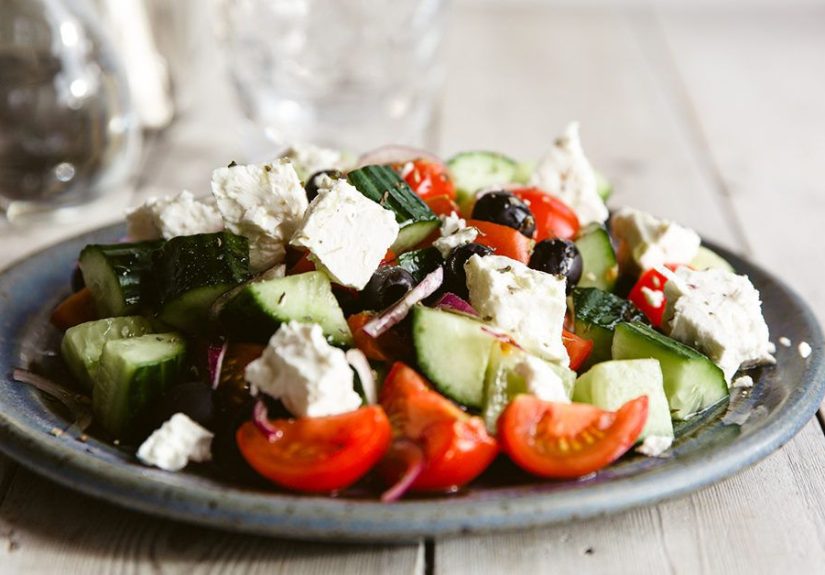
- Greek salad, watermelon salad, tomato-cucumber bowls
- Roasted veggies (especially zucchini, eggplant, and peppers)
- Egg bakes, omelets, breakfast wraps
- Spinach pies, savory pastries, grain bowls
Use goat cheese when you want creaminess, spreadability, and a richer mouthfeel:
- Toast with honey, figs, or jam
- Creamy pasta sauces and risottos
- Stuffed chicken or mushrooms
- Whipped dips with herbs and lemon
Can you substitute feta for goat cheese (or the other way around)?
Yesbut do it strategically, like you’re making a trade in a fantasy football league.
If you swap goat cheese for feta
- Add a pinch of salt (feta is saltier).
- Consider adding a squeeze of lemon or a splash of brine/olive juice for that bright tang.
- Expect a creamier result, especially if the goat cheese is fresh.
If you swap feta for goat cheese
- Choose a block in brine for a creamier texture.
- Crush it with a fork and mix with olive oil or Greek yogurt to get closer to chèvre’s spreadability.
- Expect a saltier, sharper flavor.
Nutrition notes (because feta is salty and proud of it)
Feta is nutrient-denseprotein, calcium, and a lot of “I’m here!” flavor in a small amount. The big watch-out is sodium, since brining adds salt by design. If you’re limiting sodium, smaller portions go a long way.
What about lactose intolerance?
People’s tolerance varies. Some folks find sheep- or goat-milk cheeses easier to handle than cow’s milk cheeses, but feta is not automatically lactose-free. If lactose is a concern, consider portion size, how you feel after eating it, and ask a healthcare professional if you’re unsure.
Shopping cheat sheet: how to get feta you actually love
- Pick brined blocks when possible for better texture and flavor.
- Check the milk source to match your taste preference (sheep-rich = richer; goat = sharper; cow = milder).
- Use strong feta wisely: a little can season an entire dish.
- Store it right: keep brined feta in its brine (or a simple salt-water brine) so it doesn’t dry out.
The bottom line
Feta is not automatically goat cheese. Traditional-style feta is typically mostly sheep’s milk with some goat’s milk, while many U.S. fetas are made from cow’s milk or mixed milks. If you want goat-milk feta specifically, look for labels that say goat milkand buy it in brine if you can.
Kitchen Experiences: What You’ll Notice When You Compare Feta and Goat Cheese
The first “experience” most people have with this question is a surprisingly emotional one: you buy feta expecting creamy magic, and your salad gets hit with a snowstorm of salty crumbles that taste like they’ve been working overtime. That’s usually when you learn the biggest real-world lesson about fetaformat matters. A block of feta sitting in brine is like a well-rested vacation version of itself. Pre-crumbled feta is the same cheese after it’s been through rush-hour traffic. Convenient? Absolutely. But often drier, saltier, and less smooth.
Next comes the “milk source plot twist.” If you taste a feta that’s extra creamy and tangy, you’ll often find it’s sheep’s milk or a sheep-goat blend. If it’s super mild and straightforward, it may be cow’s milk. And if it has that distinctive earthy aroma that people describe as “goaty” (or, depending on their mood, “bold”), you’ve likely wandered into goat milk feta territory. This is why two packages with the word “feta” can behave like totally different ingredients.
Then there’s the classic home-cook moment: you try the viral baked feta pasta or a baked feta dip, and the texture comes out grainy. It’s not that you “failed.” It’s that some feta melts differently based on milk type and how it was produced. When feta is richer and creamier (often sheep-based and stored in brine), it tends to turn silky in the oven. When it’s leaner or drier, it can look like it’s melting… but still feel a little sandy on the tongue. The fix people discover over time is simple: use a brined block for baking, and save the crumbles for sprinkling.
If you’ve ever tried to swap goat cheese for feta at the last minute, you’ve probably noticed something funny: goat cheese doesn’t “crumble into confident little nuggets” the way feta does. It smears. It melts into the background. That can be amazingespecially in warm dishesbecause it turns into a creamy sauce without much effort. But if you want that salty bite in a cold salad, goat cheese can feel too soft and subtle unless you add extra salt, lemon, or olives. Meanwhile, swapping feta for goat cheese can be like inviting a loud friend to a quiet dinner party: feta shows up salty and sparkling, and suddenly everything tastes like it has a Greek passport.
Storage is another lived experience that sneaks up on you. People often drain the brine, toss the tub in the fridge, and later wonder why the feta turned dry and crumbly in a sad way (not the charming way). If you keep brined feta in its liquidor make a simple salt-water brine when it runs lowyou’ll notice it stays softer and tastes fresher longer. It’s one of those tiny habits that makes you feel unfairly competent for how easy it is.
Finally, there’s the “taste preference” discovery: some people genuinely love goat-milk feta because it has more personality, especially with roasted beets, honey, and nuts. Others prefer sheep-milk feta because it’s richer and smoother, especially in salads, eggs, and warm grain bowls. The best experience-based advice is to do a mini taste test: buy a small brined block of sheep-goat blend feta and a small chèvre, then try them in the same two situations a cold salad and a warm dish. You’ll feel the difference immediately, and you’ll stop thinking of feta as “goat cheese or not” and start thinking of it as: Which flavor and texture do I want today? (The most delicious kind of problem.)