Table of Contents >> Show >> Hide
- What Are “Dinner Towels,” Exactly?
- Why Build a Classic Collection (Instead of Buying “Whatever’s on Sale” Every Holiday)?
- The Classic Collection Blueprint
- Fabric Deep Dive: Cotton vs. Linen vs. Blends
- Sizes and Quantities: How Many Dinner Towels Do You Actually Need?
- Care That Keeps Them “Classic,” Not “Tragic”
- The Stain Playbook (Because Dinner Happens in Real Life)
- Styling Your Table: Where Dinner Towels Earn Their Keep
- Shopping Smarter: What Makes a Dinner Towels Collection “Classic”?
- Three “Classic Collection” Starter Sets (Pick Your Personality)
- FAQs: The Questions People Whisper While Folding Napkins
- Real-Life Experiences With a Dinner Towels Classic Collection (Extra )
- Conclusion
There are two kinds of people in this world: the ones who treat dinner like a sacred ritual… and the ones who wipe marinara on a paper napkin that’s basically a flavored tissue and call it “fine.” If you’ve ever hosted friends and realized your napkin situation looks like a lost-and-found bin at a bowling alley, you’re in the right place.
A Dinner Towels Classic Collection is the grown-up, good-looking, surprisingly practical answer to disposable chaos. Think of it like a capsule wardrobe for your table: a small set of timeless cloth napkins (a.k.a. “dinner towels” in some households because they’re generous, absorbent, and do real work) that makes everyday meals feel intentionaland special dinners feel effortless.
What Are “Dinner Towels,” Exactly?
Let’s clear up the naming confusion before your brain tries to set a steak knife on a bath towel. In this article, dinner towels refers to reusable cloth napkinsoften in classic dinner-napkin sizes, sometimes slightly oversized, that live at the table (not in the bathroom, not under the sink, not next to the dog shampoo).
A classic collection usually focuses on: cotton napkins (easy, sturdy, weeknight-friendly) and linen napkins (elegant, gets better with time, wrinkles like it has interesting thoughts).
Why Build a Classic Collection (Instead of Buying “Whatever’s on Sale” Every Holiday)?
A classic set of dinner towels isn’t just about aestheticsthough yes, your table will look like it has its life together. It’s also about building repeatable convenience.
- Instant upgrade: Cloth napkins make takeout feel like “casual bistro night.”
- Comfort + function: They’re softer than paper and actually absorb spills instead of smearing them around.
- Hosting confidence: You can set the table in two minutes and still look like you planned it.
- Less waste: One set replaces mountains of disposable napkins over timeespecially if you’re a “napkin per bite” kind of household.
- Better value per use: The cost spreads out over dozens (or hundreds) of dinners.
The Classic Collection Blueprint
“Classic” doesn’t mean boring. It means reliable. The goal is to build a small core you can mix, match, and dress up or down. Here’s a simple blueprint that works for most homes.
1) Choose Your Base Colors
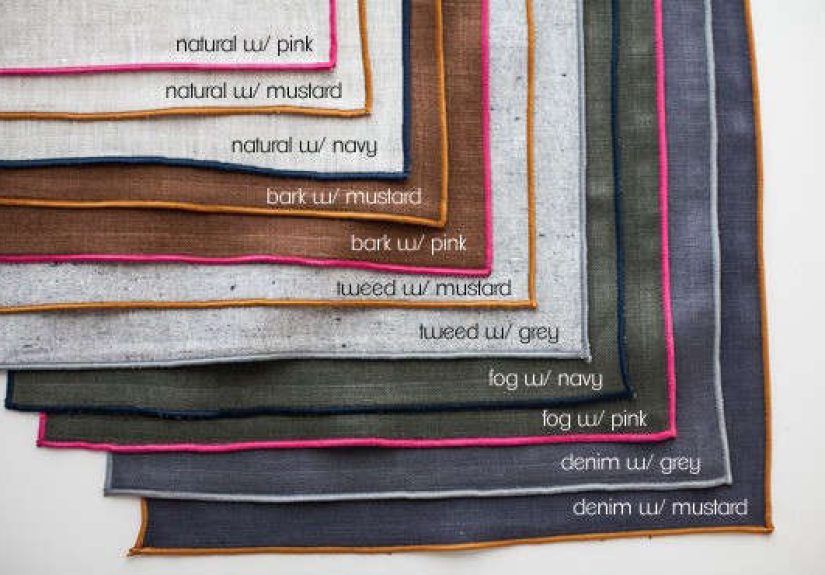
Start with neutrals that play well with everything: white, ivory, flax, oatmeal, light gray, or navy. If you love color, pick one “signature” shade (like deep green or terracotta) and keep the rest calm. Classic collections look cohesive because they repeat the same few tones.
2) Pick Two Workhorse Fabrics
A strong collection usually has: cotton for everyday and linen for when you want the table to look a little more “grown-up dinner party” and a little less “we ate cereal for dinner.”
3) Add One Signature Detail
This is the design element that makes the collection feel intentional: a hemstitch edge, a classic stripe, a subtle border, or a simple mitered corner. Think “timeless,” not “holiday novelty print that screams in November and cries in April.”
Fabric Deep Dive: Cotton vs. Linen vs. Blends
Cotton Dinner Towels
Cotton napkins are the MVPs of daily life. They’re generally more forgiving, hold dye beautifully, and feel familiar. If your collection is a band, cotton is the drummer: steady, essential, and somehow always cleaning up everyone else’s mess.
Look for cotton that feels substantial (not see-through), with tidy stitching and corners that don’t warp after a few washes. For a classic vibe, go for crisp solids, thin stripes, or subtle textures.
Linen Dinner Towels
Linen is where “classic collection” really shines. It drapes beautifully, softens over time, and gives your table that relaxed, unfussy elegance that says, “Yes, we light candles sometimes,” even if the candles are just there to hide the takeout containers.
Linen wrinkles. That’s not a flaw; it’s a personality trait. If you want the look without the drama, you can either embrace the rumpled charm or choose a linen-cotton blend.
Blends and Performance Options
Cotton-linen blends can reduce wrinkling and add durability. Some napkins also include synthetics for easier care. If you have small kids, red wine-loving friends, or a household that treats napkins like optional suggestions, blends can be a practical middle ground.
Sizes and Quantities: How Many Dinner Towels Do You Actually Need?
A classic collection is less about “owning a lot” and more about “always having enough clean ones.” Here’s a practical approach:
- Everyday baseline: 2–3 napkins per person in the household (so laundry doesn’t become a nightly sport).
- Hosting buffer: Add 4–8 extra napkins for guests, spills, and the mysterious disappearance phenomenon that affects all linens.
- If you host often: Aim for 12–24 total in your most versatile style (so you can set a full table without mixing patterns like a thrift-store collage).
Many classic dinner napkins fall into a “dinner-sized” square that works for everything from weeknight tacos to formal place settings. Cocktail napkins are fun, but don’t build your core around them unless your dinners are mostly olives.
Care That Keeps Them “Classic,” Not “Tragic”
The biggest difference between “heirloom vibes” and “why do these smell like yesterday’s garlic bread?” is basic care. The good news: it’s simpler than people think.
Washing Rules That Actually Work
- Wash sooner rather than later: Stains set with time, especially oils and tomato-based sauces.
- Choose gentle chemistry: Mild detergent is your friend. Go easy on extras that build up on fibers.
- Skip fabric softener for absorbency: Softener can leave residues that reduce how well towels/napkins absorb.
- Cold or cool water is often enough: Especially for linen and cotton you want to keep looking crisp and stable.
Drying and Ironing Without Losing Your Mind
If you want the easiest path: shake them out, smooth them with your hands, and air dry or tumble on low. Then fold while warm. If you want a crisp, tailored look: iron when slightly damp (the fabric behaves better and you’ll spend less time wrestling it).
How Often Should You Wash Cloth Napkins?
For shared use, washing after each use is the safest defaultespecially if napkins are used heavily or by guests. If the same person uses the same napkin for multiple meals and it’s lightly used, a napkin ring can help keep it “assigned” and tidy. Your lifestyle decides the rhythm; your nose confirms it.
The Stain Playbook (Because Dinner Happens in Real Life)
A classic collection isn’t “too nice to use.” It’s designed to be used. The secret is having a simple stain routine so you don’t panic every time someone meets marinara.
Rule Zero: Don’t RubBlot
Rubbing pushes stains deeper and spreads them. Blotting lifts. Think “press and persuade,” not “scrub like you’re trying to erase the past.”
Grease (Butter, Oil, Dressings)
- Scrape off excess gently (no heroics).
- Rinse with cool water if you can.
- Work a tiny amount of dish soap into the spot to break up oils.
- Pre-treat with detergent, then wash as usual.
- Air dry until you’re sure it’s goneheat can “marry” the stain to the fiber.
Wine, Coffee, and “Oops” Drinks
The goal is speed. Rinse or blot, then wash. For stubborn marks, a brief soak can help. Some people use diluted vinegar solutions for odor and certain stains, but always test first and avoid mixing chemicals that don’t belong together.
Tomato Sauce (A.k.a. The Final Boss)
Tomato stains can cling because of oils and pigments. Treat quickly, use a grease-fighting step first (dish soap), then wash. If it lingers, try another round rather than throwing it into a hot dryer out of spite.
Styling Your Table: Where Dinner Towels Earn Their Keep
Classic napkins don’t need origami-level folding to look good. The most timeless styling is also the simplest.
- Easy rectangle fold: Works for casual meals and formal settings.
- Loose knot: Looks relaxed and moderngreat with linen.
- Pocket fold: Practical for buffets or when you want flatware tucked in neatly.
- Napkin ring: Not required, but useful for reusing lightly used napkins (and for making Tuesday feel fancy).
Placement is flexible depending on your style: to the left of the plate near the fork, on the plate, or under the fork for a clean, layered look. The “classic” move is tidy and consistent across the tablesymmetry does a lot of heavy lifting.
Shopping Smarter: What Makes a Dinner Towels Collection “Classic”?
Classics last because they’re built well. Whether you’re buying new or hunting for vintage gems, look for these signals:
- Stitching: Straight seams, secure hems, corners that lie flat.
- Fabric weight: Not flimsy, not stiff as cardboardsubstantial enough to feel luxurious.
- Color strategy: Neutrals + one accent = easy mixing for years.
- Finish details: Hemstitch, subtle borders, or classic stripes age well.
- Care realism: If it requires a complex ritual, you won’t use it. Buy for the life you live.
Three “Classic Collection” Starter Sets (Pick Your Personality)
1) The Everyday Workhorse Set
Start with 12 cotton napkins in a neutral (white, oatmeal, gray) plus 4–6 in a darker shade for messy nights. You’ll reach for these constantlyand you’ll stop buying disposable napkins “just in case.”
2) The Casual Host Set
Add 8 linen napkins in flax or white for dinners with friends. Pair them with your cotton set so you can scale up without stress. One classic stripe set can also add charm without locking you into a theme.
3) The “I Have Opinions About Table Settings” Set
Go for 12 hemstitched linen napkins in white or ivory. Add 12 cotton napkins in a complementary solid. This gives you a formal option and an everyday option that still looks intentional.
FAQs: The Questions People Whisper While Folding Napkins
Are cloth napkins sanitary?
Yeswhen washed regularly. Treat them like dish towels: use them, wash them, repeat. If napkins are shared at a gathering or heavily soiled, wash after the meal.
How do I keep white dinner towels looking white?
Don’t let stains sit, avoid unnecessary high heat, and don’t use the dryer as a “final decision” until stains are gone. Many people brighten whites with oxygen-based approaches rather than harsh chlorine, and line-drying can be gentler on fibers.
Do linen napkins shrink?
Linen can shrink a bit, especially with hot water or high heat drying. A cooler wash and gentler drying routine helps keep sizing consistent. The upside: linen often softens and improves with use.
Real-Life Experiences With a Dinner Towels Classic Collection (Extra )
The first time you switch to cloth napkins, you might expect a dramatic lifestyle montage: sunlight through windows, a jazz record playing, everyone eating salad politely. What you actually get is your friend dropping oily pizza onto a pristine linen square and looking at you like they just stepped on a museum exhibit. This is where the “classic collection” mindset kicks in: these aren’t precious artifacts. They’re tools that happen to look great.
In my favorite real-world scenarioweeknight taco nightcotton dinner towels do the heavy lifting. They wipe fingers, blot salsa, and survive the inevitable “I’ll just carry everything in one trip” spill. The win is psychological as much as practical: when your napkins are real fabric, you stop treating dinner like a pit stop. People sit longer. Conversation lingers. Seconds happen. (Also, fewer napkins get used per meal, because one cloth napkin actually works. Revolutionary.)
Then there’s the “first dinner party with linen” moment. You set out flax or white linen napkins and suddenly your table looks like it has a publicist. Someone inevitably says, “Oh wow, fancy!” and you get to respond with the truth: “These were on sale and I wash them like everything else.” Linen has that magic trick effecteffortless, elevatedeven if you served pasta from a pot you’re pretending is a “rustic presentation.”
The biggest learning curve is stains, and honestly, it’s not the stainsit’s the timing. The trick is to treat napkins like you treat your phone battery: deal with it before it hits zero. After a meal, I do a quick “napkin scan.” Anything obviously greasy gets a dot of dish soap and a quick rinse. Anything wine-related gets blotted and tossed into a cold soak. The rest goes straight into a small laundry bag or hamper. That’s it. Ten extra minutes now saves you from the dramatic “why is this permanently orange?” discovery later.
Families with kids learn a different kind of wisdom: keep a few darker napkins in rotation. Deep navy, charcoal, or a classic stripe hides stains better and keeps you from spiraling when someone decides ketchup is a beverage. The bonus: darker napkins look intentional, not like you gave up. They also photograph well, if you’re the kind of person who occasionally documents a meal as proof you eat vegetables.
Over time, a classic collection becomes oddly sentimental. You remember the napkins you used at Thanksgiving, the ones that survived the spaghetti incident, the pair you grabbed for a quiet “just us” dinner. Cloth napkins carry tiny evidence of real life: softened corners, a little extra drape, that lived-in feel. And that’s the point. A Dinner Towels Classic Collection isn’t about perfectionit’s about making the everyday feel a little more human, a little more comfortable, and a lot more put-together… even if you’re still eating ice cream straight from the carton afterward.
Conclusion
A Dinner Towels Classic Collection is one of those small home upgrades that pays off constantly. Start with a neutral cotton set, add linen for elevated dinners, and keep care simple: treat stains quickly, wash thoughtfully, and avoid heat-setting mistakes. The result is a table that looks welcoming on a random Tuesdayand quietly impressive when you hostwithout turning dinner into a chore.