Table of Contents >> Show >> Hide
- How the Pros Make a Christmas Color Scheme Look Expensive (Even If It Wasn’t)
- 1) Earthy Greens and Dark Browns
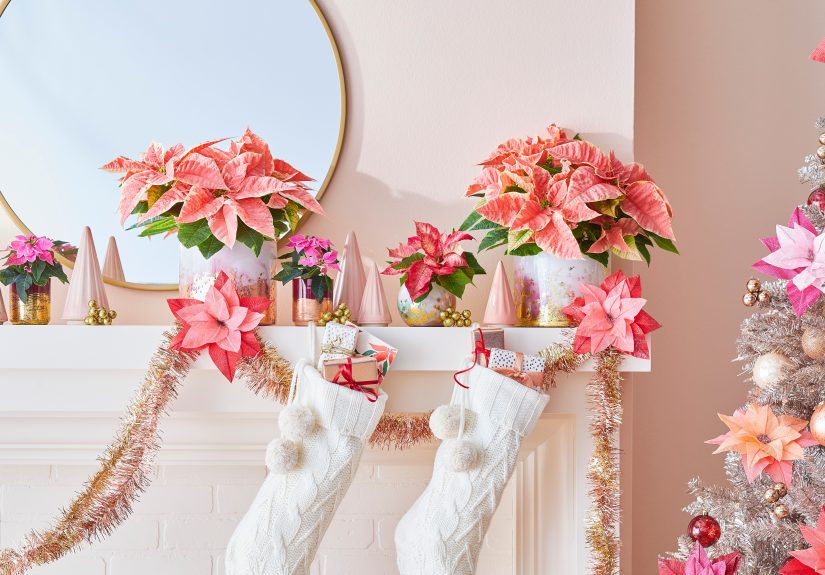
- 2) Blush Tones and Soft Pastels
- 3) Chrome and Other Metallics
- 4) Dark Green, Navy, and Burgundy
- 5) Black, Green, and Gold
- 6) Jewel Tones
- Quick Cheat Sheet: Which 2024 Palette Fits Your Style?
- Common Mistakes (and Easy Fixes) with Christmas Color Schemes
- Wrapping It Up: Your “Right” Palette Is the One You’ll Want to Look at Every Day
- Extra: of Real-World Experiences with 2024’s Christmas Color Schemes
- Earthy greens and browns felt calmingand surprisingly forgiving
- Pastels worked best when they had one “grown-up” anchor
- Chrome and metallics were the quickest way to get a “wow” photo
- Moody classics (green, navy, burgundy) made rooms feel “holiday-ready” all day long
- Black, green, and gold surprised people by feeling warm, not harsh
- Jewel tones were the most fun for collectors (and the easiest to personalize)
If your holiday décor bins look like they were packed by three different versions of you (minimalist-you, maximalist-you,
and “I saw it on sale”-you), 2024 was basically your year. Designers and color pros weren’t pushing one “correct” palette
they were seeing six big Christmas color schemes show up again and again, from cozy earth tones to futuristic metallics.
The best part? These palettes aren’t just pretty on Pinterest. They’re practical: they photograph well, work in real homes
with real lighting, and can be pulled together with a few strategic swapsribbon, ornaments, stockings, and a little bit of
“I meant to buy only one garland.”
How the Pros Make a Christmas Color Scheme Look Expensive (Even If It Wasn’t)
Before we get into the six most popular Christmas color schemes of 2024, here’s the simple “pro math” behind cohesive holiday styling.
You don’t need more stuffyou need fewer colors doing more work.
1) Pick a base, a supporting color, and one sparkle
- Base: the color that takes up the most visual space (tree, greenery, big textiles).
- Supporting: your secondary color (ribbon, ornaments, table linens).
- Sparkle: one metallic or glossy accent (gold, chrome, silver, or even glossy black).
2) Repeat your “hero” finish three times
Pros repeat the same finish (matte, glossy, velvet, iridescent, brushed metal) at least three times across the roomtree, mantel, and table
so the palette reads as intentional instead of “seasonal chaos, but make it festive.”
3) Let texture do half the decorating
In 2024, texture was basically the secret sauce: velvet ribbon, natural wood, pinecones, metallic shine, and soft knits made even simple
color palettes feel layered and styled.
1) Earthy Greens and Dark Browns
Earth tones were everywhere in 2024, and Christmas décor followed suit. This palette leans into nature: think deep woodland green plus
warm, woodsy brownlike a holiday cabin vibe without requiring you to own an actual cabin.
Color recipe
- Base: dark green (balsam, pine, moss)
- Supporting: dark brown (walnut, espresso, cocoa)
- Accent: soft gold or warm brass
How to pull it off at home
- Tree: swap bright ornaments for matte finisheswood beads, bronze bells, felt ornaments, dried orange slices, and pinecones.
- Mantel: layer natural greenery with warm white lights; add a few gold candleholders for glow instead of glitter.
- Table: choose neutral linens (cream or flax) and let the centerpiece do the heavy lifting: greenery + pinecones + brass taper holders.
Pro move: Keep reds minimal here. If you want a nod to classic Christmas, use cranberry in tiny doseslike ribbon tails or berry picksso the palette stays grounded.
2) Blush Tones and Soft Pastels
Pastels didn’t just show upthey moved in, rearranged the furniture, and asked for a cute photo in front of the tree. In 2024,
pros kept describing pastel holiday décor as delicate, whimsical, and surprisingly versatile. It works as a full “Candy Land” moment
or as a soft accent layer in a more neutral home.
Color recipe
- Base: snowy cream or soft white
- Supporting: blush pink
- Accent: spearmint, lilac, or baby blue (pick one), plus a hint of shimmer
How to make it look modern (not nursery)
- Tree: pastel lights on a green tree create a subtle tint; a white tree turns this into full-on dreamy dessert energy.
- Ornaments: mix finishesiridescent, glitter, satinso the colors don’t feel flat.
- Balance: ground the look with cream stockings, white garland, or neutral wrapping paper with pastel ribbon.
Pro move: Choose one “grown-up” elementlike champagne-colored ribbon or a few pearly ornamentsso the palette feels intentional and not like your décor accidentally joined a glitter cult.
3) Chrome and Other Metallics
In 2024, metallicsespecially chromehad a major holiday moment. Pros pointed to the rise of “Chrome-mas,” and it makes sense:
high-shine pieces catch twinkle lights like they’re being paid to do it. This palette can read futuristic, icy, glamorous, or
surprisingly minimalist depending on what you pair it with.
Color recipe
- Base: soft white or beige
- Supporting: chrome or silver
- Accent: optional gold (for warmth) or charcoal/black (for drama)
How to style it without looking like a kitchen appliance aisle
- Tree: start with white as the background (tree skirt, garland, or ribbon), then layer chrome ornaments and metallic picks.
- Mix metals carefully: keep one dominant (chrome/silver) and sprinkle the other (gold/brass) as a highlight.
- Keep shapes consistent: choose mostly spheres, icicles, or starsrepetition reads “designer,” randomness reads “grab bag.”
Pro move: For a calm, modern look, pair chrome with beige. For a party-ready look, pair chrome with deep colors like navy or burgundy and let the shine do the talking.
4) Dark Green, Navy, and Burgundy
This vintage-leaning palette was a standout in 2024 because it feels classic but upgraded. Instead of bright red-and-green,
you get rich, moody tones that look cozy in candlelight and polished in daylight. It’s the holiday equivalent of wearing a velvet blazer:
festive, dramatic, and somehow flattering to everything around it.
Color recipe
- Base: deep emerald or fir green
- Supporting: navy
- Accent: burgundy + touches of soft gold
Where it looks best
- Living room: velvet pillows, burgundy ribbon, and lush garlands instantly create that “old-world Christmas” vibe.
- Dining table: navy napkins + green centerpiece + burgundy taper candles = moody, elegant, and not overly themed.
- Entryway: a burgundy-and-green wreath with a navy ribbon bow sets the tone before anyone even takes their coat off.
Pro move: Add crisp white somewhere (candles, ornaments, or a throw) so the dark colors feel layered, not heavy.
5) Black, Green, and Gold
Black isn’t “traditional Christmas,” but 2024 made room for bold, modern palettesand this one is dramatic in the best way.
Designers love it because it reads upscale fast: black acts like eyeliner for your décor, defining edges and making everything else pop.
Color recipe
- Base: green (tree + greenery)
- Supporting: black (candlesticks, ribbon, ornaments, or a few key décor pieces)
- Accent: gold (warm lights, ornaments, frames, or metallic ribbon)
How to keep it festive (not spooky)
- Use black in small doses: a few ornaments, a ribbon bow, or matte-black taper holders go a long way.
- Warm lighting is non-negotiable: choose warm white lights to keep gold tones glowing and inviting.
- Add “soft” texture: velvet ribbon, flocked greenery, or knit stockings prevent the palette from feeling harsh.
Pro move: If your room already has black accents (hardware, frames, lighting), this scheme looks like it belongsbecause it does.
6) Jewel Tones
Jewel tones were still going strong in 2024 because they solve a common decorating problem: how to use multiple colors without looking chaotic.
Emerald, sapphire, ruby, and amethyst feel coordinated because they share the same rich, saturated “velvet curtain” energy.
It’s maximalism with manners.
Color recipe
- Base: choose either a dark neutral (charcoal, deep green) or a light neutral (cream, soft white)
- Supporting: 2–3 jewel tones (pick your stars)
- Accent: antique gold, brass, or even chrome for extra sparkle
How to make jewel tones look curated
- Limit your jewel lineup: pick a “main” (emerald or sapphire), a “second” (burgundy or amethyst), and one cameo color.
- Use solids + one pattern: tartan ribbon, toile, or vintage florals can tie multiple tones together.
- Choose one consistent finish: all velvet ribbon, or mostly shiny ornaments, or mostly matteconsistency keeps it elevated.
Pro move: Jewel tones love contrast. Put them against white lights, crisp greenery, and one metallic, and they’ll do the rest.
Quick Cheat Sheet: Which 2024 Palette Fits Your Style?
| Palette | Best For | Instant Upgrade Move |
|---|---|---|
| Earthy Greens + Dark Browns | Cozy, natural, “cabin but make it chic” homes | Swap shiny ornaments for wood, felt, and brass candlelight |
| Blush + Soft Pastels | Playful spaces, modern neutrals, family-friendly themes | Add champagne ribbon + iridescent ornaments for polish |
| Chrome + Metallics | Modern minimalists, New Year’s energy, “glow-up” décor | Use white as a base, then repeat chrome three times |
| Dark Green + Navy + Burgundy | Vintage lovers, traditional homes wanting an upgrade | Velvet ribbon + burgundy florals = instant warmth |
| Black + Green + Gold | Modern luxury, dramatic rooms, night-time entertainers | Matte-black accents + warm gold light = upscale fast |
| Jewel Tones | Maximalists, eclectic collectors, ornament enthusiasts | Pick 2–3 jewel tones, keep finishes consistent |
Common Mistakes (and Easy Fixes) with Christmas Color Schemes
Mistake: Using every shade of everything
Fix: Choose a tight palette, then vary texture. You can use five different whites if the finishes change (matte, velvet, knit, glossy, metallic).
You cannot use five different greens if they’re all shiny and yelling.
Mistake: Mixing metallics with no plan
Fix: Pick one main metal and one supporting metal. If chrome is the star, gold should be a cameonot a co-lead fighting for screen time.
Mistake: Forgetting undertones
Fix: Warm rooms (yellow bulbs, warm wood floors) love warm palettes: browns, burgundy, brass. Cool rooms (gray floors, cool daylight)
pair well with chrome, navy, crisp whites, and icy tones.
Mistake: Making the tree and the room disagree
Fix: Repeat one tree color somewhere else. If your tree has burgundy ribbon, add a burgundy candle or pillow. If your tree is chrome-heavy,
add a silver tray or metallic bow on the mantel. Harmony is just repetition in a fancy outfit.
Wrapping It Up: Your “Right” Palette Is the One You’ll Want to Look at Every Day
The most popular Christmas color schemes of 2024 weren’t popular because everyone suddenly agreed on one aesthetic (that has never happened, and it never will).
They were popular because they’re flexible: earth tones feel calm, pastels feel joyful, chrome feels bold, moody classics feel cozy, black-and-gold feels luxe,
and jewel tones feel like holiday drama with a good haircut.
Pick the scheme that matches your home’s vibeand your tolerance for glitter clean-up. Then commit to it with a few repeated colors and finishes.
Your future self (and your holiday photos) will be very grateful.
Extra: of Real-World Experiences with 2024’s Christmas Color Schemes
Here’s what “popular” looked like in real homes and real decorating projects in 2024not theory, but the kinds of outcomes people actually reported
when they tried these palettes (including a few lessons learned along the way).
Earthy greens and browns felt calmingand surprisingly forgiving
People who leaned into woodland greens, cocoa browns, and natural textures often described the setup as “instantly cozy.”
The biggest win: you could decorate slowly. A few pinecones here, a brass candle there, and the room still looked finished.
This palette also hid the usual holiday “stuff mismatch” problemdifferent brands of ornaments still looked coordinated because the colors were muted and natural.
The most common tweak was adding more warm light than expected; earth tones look best when the room glows rather than glares.
Pastels worked best when they had one “grown-up” anchor
Soft pinks, spearmint, lilac, and baby blue were a hit for playful spaces, kids’ rooms, and second treesespecially when paired with cream as a grounding color.
The experience many people shared was that pastels can feel either magical or messy depending on the finishing touches.
Adding one elevated elementchampagne ribbon, pearly ornaments, or warm white lightskept the look chic instead of chaotic.
The easiest “starter version” was pastel accents on a traditional green tree, which gave that candy-like color without committing to a full pastel takeover.
Chrome and metallics were the quickest way to get a “wow” photo
Metallic décor delivered instant sparkle, especially in evening lighting. People loved how chrome ornaments and silver accents reflected twinkle lights
and made smaller spaces feel brighter. The lesson: metallics multiply visually. A little goes far. Many found that pairing chrome with beige or soft white
kept the look clean, while pairing it with darker colors made it feel dramatic. The most successful metallic setups repeated the same finish across the room
(for example: chrome ornaments, chrome candleholders, chrome gift bows) so it looked curated rather than random.
Moody classics (green, navy, burgundy) made rooms feel “holiday-ready” all day long
This palette became a favorite for people who wanted festive décor that didn’t feel loud. In daylight, it looked refined and tailored;
at night, it felt cozy and nostalgic. Velvet ribbon and burgundy accents were the consistent “upgrade” detail that made the whole room feel designer-styled.
A common trick was using crisp white candles or soft gold accents to keep dark colors from feeling heavyespecially in smaller living rooms.
Black, green, and gold surprised people by feeling warm, not harsh
The experience most people reported wasn’t “goth Christmas”it was “modern luxury.” Black accents made greenery and gold look richer and more intentional,
especially in homes that already had black hardware or light fixtures. The key was warm lighting: gold ornaments under warm lights looked inviting,
while cool lights made the palette feel stark. Most successful versions used black sparinglylike ribbon, candlesticks, or a few ornaments
and let green and gold do the festive heavy lifting.
Jewel tones were the most fun for collectors (and the easiest to personalize)
People who love collecting ornaments found jewel tones to be the “everything works” palettebecause it welcomes color without looking chaotic.
The best results came from choosing 2–3 jewel tones to dominate and letting one metallic tie them together. Homes that leaned into this palette
often added nostalgic touchesvintage ornaments, patterned ribbon, or heirloom piecesand the look felt personal rather than trend-chasing.