Table of Contents >> Show >> Hide
- What Is Twisting Bacon?
- Why Twisting Bacon Works
- How to Twist Bacon: A Step-by-Step Guide
- The Benefits of Twisting Bacon
- Twisting Bacon vs. Traditional Bacon Cooking Methods
- Common Bacon Cooking Mistakes to Avoid
- Additional Tips for the Best Bacon Ever
- Conclusion: Twisting Bacon – The Secret to the Best Bacon Ever?
Bacon lovers, rejoice! The search for the perfect bacon is never-ending. Whether you prefer it crispy, chewy, or somewhere in between, there’s always a new method or trick to try that promises to elevate your bacon game. But what if we told you that one simple techniquetwisting baconcould be the secret to your best bacon ever? In this article, we’ll explore whether twisting bacon really does make a difference, and how you can incorporate this technique into your cooking routine for perfect results every time.
What Is Twisting Bacon?
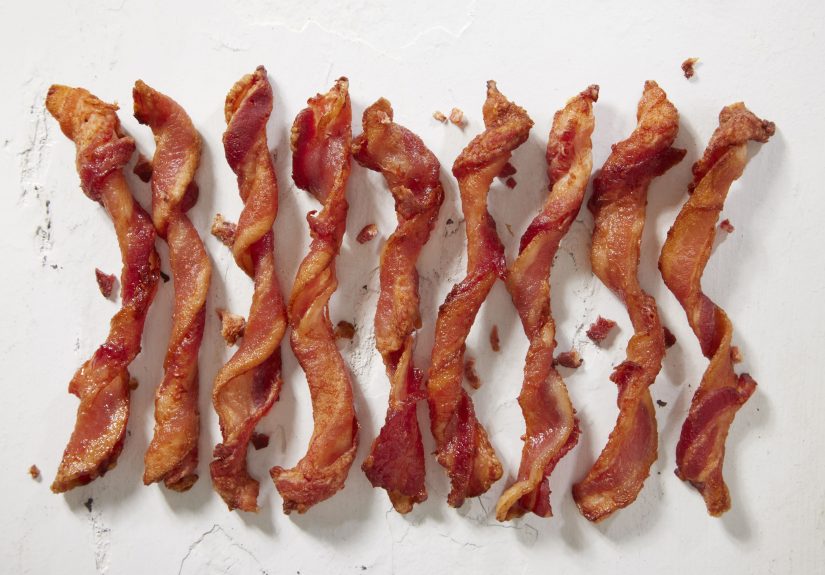
Twisting bacon might sound like something straight out of a cooking hack video, but it’s actually a technique that has been quietly gaining popularity among culinary enthusiasts. The method involves twisting each slice of bacon before cooking it, rather than laying it flat on the pan or baking sheet. The idea behind twisting the bacon is that it allows the fat to cook evenly and results in a crispier, more textured final product.
Why Twisting Bacon Works
The science behind twisting bacon lies in how it interacts with heat during the cooking process. Bacon, which is essentially fatty pork belly, consists of strips of meat and fat. When bacon cooks, the fat renders (melts) and crisps up, while the meat becomes firm and chewy. By twisting each slice, you create a spiral of fat and meat that cooks at different rates. The uneven exposure to heat allows for a crispier texture on the outside and a softer, juicier bite on the inside.
Moreover, the twisted bacon allows the strips to curl up, reducing the amount of surface area in contact with the cooking surface. This means that the bacon will not become greasy or soggy, as it is elevated slightly by its twisted form, promoting air circulation around the meat. The result is bacon that’s cooked evenly, without the usual risk of undercooked fatty bits or overcooked crispy edges.
How to Twist Bacon: A Step-by-Step Guide
Ready to give it a try? Here’s a simple guide to twisting bacon before cooking:
- Start with raw bacon: Lay out your strips of bacon on a clean surface. Make sure they’re not overlapping.
- Twist each slice: Pick up a slice of bacon by one end and gently twist it in one direction. The tighter you twist, the more curl you’ll get, but be careful not to snap the bacon.
- Prepare for cooking: Place your twisted bacon onto a baking sheet lined with parchment paper or foil. If you’re using a pan, a non-stick skillet will work best for this technique.
- Cook your bacon: Preheat your oven to 400°F (204°C) and bake your twisted bacon for 15-20 minutes, depending on thickness and desired crispiness. Alternatively, you can cook it on the stove, turning it regularly until it reaches your desired level of crispiness.
- Serve and enjoy: Once your bacon is perfectly cooked, remove it from the pan or oven and place it on a paper towel to drain any excess fat. Then, serve and enjoy the crispy, tender bacon you’ve just created!
The Benefits of Twisting Bacon
Now that you know how to twist your bacon, let’s take a closer look at the benefits of this technique:
- Even cooking: Twisting bacon helps to ensure that the fat renders evenly, resulting in a more consistent crispiness.
- Less mess: Since the bacon curls up, it doesn’t lie flat on the pan or baking sheet, which means less grease splattering. This also helps reduce the risk of burning.
- More flavor: The twisting technique creates a balance between the crisp outer layer and the juicy, flavorful inner layers, giving your bacon a richer taste.
- Texture perfection: The combination of crispy edges and soft, juicy insides makes twisted bacon an incredibly satisfying texture experience.
Twisting Bacon vs. Traditional Bacon Cooking Methods
Traditional methods of cooking bacon typically involve laying the strips flat on a cooking surface, either in a pan on the stovetop or in the oven. While this works just fine, it doesn’t take full advantage of the potential bacon has to offer. In contrast, twisting the bacon creates a unique texture and flavor profile that many people prefer.
Some may argue that traditional methods result in perfectly crispy bacon, but if you’ve ever had bacon that’s overcooked and dry, you’ll appreciate how twisting helps retain moisture while still achieving the crispy edges we all crave. By creating a balance between crispy and tender, twisting bacon elevates the overall experience to a new level.
Common Bacon Cooking Mistakes to Avoid
Even with the twist technique, there are still some common mistakes that can ruin your bacon experience. Let’s take a look at a few of them:
- Overcooking: Bacon can go from perfect to burnt quickly, especially if you’re using high heat. Keep an eye on your bacon while it cooks, and remember that it will continue to cook slightly once removed from the heat.
- Underseasoning: Bacon has a natural saltiness, but adding a little extra seasoning, like black pepper, brown sugar, or smoked paprika, can take your bacon to the next level.
- Skipping the draining step: Don’t skip draining the bacon on paper towels after cooking. This step helps remove excess grease, leaving you with crispier, less greasy bacon.
Additional Tips for the Best Bacon Ever
If you’re serious about achieving the best bacon ever, consider these additional tips:
- Use quality bacon: The quality of your bacon plays a significant role in the final product. Choose bacon that’s thick-cut for the best results.
- Don’t overcrowd the pan: Whether you’re using a pan or the oven, avoid overcrowding the bacon. Give each strip enough space to cook evenly.
- Try different cooking methods: You can twist bacon on the stovetop, in the oven, or even in an air fryer. Experiment to find your preferred method.
Conclusion: Twisting Bacon – The Secret to the Best Bacon Ever?
While it might not be the only secret to perfect bacon, twisting bacon certainly adds an exciting new dimension to your bacon-making process. The method helps create an even cook, crispy texture, and more flavor, making it a fun technique to try in your kitchen. So, next time you’re cooking bacon, why not give twisting a shot? You might just find that it’s the best bacon you’ve ever had.
Additional Experiences with Twisted Bacon
While twisting bacon is a fun and effective way to make crispy bacon, it’s also an experience that changes the way you think about cooking bacon altogether. From testing it out on weekends with friends to experimenting with different spices and flavorings, the possibilities with twisted bacon are endless. I’ve tried adding a touch of maple syrup or brown sugar to the twist before cooking, and the sweet-and-savory contrast was nothing short of divine. The result was a beautifully caramelized bacon strip that combined the crunch of crispiness with a melt-in-your-mouth sweetness.
Another great experience was cooking twisted bacon on a grill during a summer barbecue. The high heat of the grill allowed the bacon to cook to perfection, and the twists helped elevate the flavor by locking in the natural juices. Grilled twisted bacon makes an excellent addition to burgers, salads, or as a standalone snack.
If you haven’t tried twisted bacon yet, I highly recommend it. Whether you’re a bacon connoisseur or a casual breakfast enthusiast, it’s a simple yet effective way to take your bacon game to the next level. Get ready for a whole new bacon experience!