Table of Contents >> Show >> Hide
- What Yeast Actually Is (And Why That Matters)
- So… Is Yeast Vegan?
- Different Types of Yeast Vegans Encounter
- “But Yeast Is AliveDoes That Make It Not Vegan?”
- The Sneaky Stuff: When Yeast-Containing Foods Might Not Be Vegan
- Is Nutritional Yeast Always Vegan?
- Is Yeast Gluten-Free, Dairy-Free, and Allergy-Friendly?
- Practical Vegan Checklist: How to Shop for Yeast With Confidence
- Quick Answers to Common Yeast-and-Vegan Questions
- Real-World Experiences Related to “Is Yeast Vegan?” (Extra )
- Conclusion
- SEO Tags
If you’ve ever stared at a packet of instant yeast and thought, “Wait… is this a tiny animal?” you’re not alone.
Yeast is alive, it multiplies, it makes bread fluffy, and it can turn grape juice into something that makes karaoke feel like a good idea.
So yesyeast has big main-character energy.
But when it comes to vegan eating, the question isn’t “Is it alive?” The question is usually:
Does it come from animals, or does it rely on animal-derived ingredients or processing?
With that in mind, the short version is:
yeast itself is generally vegan. The longer (more useful) version is what we’re digging into here.
What Yeast Actually Is (And Why That Matters)
Yeast is a single-celled fungus, not an animal. The most famous food yeast, Saccharomyces cerevisiae,
shows up in baking, brewing, and food manufacturing. Think of it as the world’s smallest, hardest-working kitchen helper:
it eats sugars and produces carbon dioxide (for fluffy bread) and/or alcohol (for… fluffy conversations).
Since vegan diets avoid foods from animals (meat, eggs, dairy, and other animal-derived ingredients),
yeast typically fits comfortably into a vegan lifestyle. Being alive doesn’t automatically make something “not vegan”plants are alive, too.
Veganism is more about avoiding animal exploitation than avoiding all living organisms.
So… Is Yeast Vegan?
Yes, yeast is vegan in almost all everyday situations.
Baker’s yeast, brewer’s yeast, nutritional yeast, and wild yeasts used in sourdough fermentation are all generally considered vegan
because they are fungi and are not animal-derived.
The only real “gotchas” are not about yeast being secretly made of animals (it’s not),
but about added ingredients, processing aids, or blended products
that may include animal-derived components.
Different Types of Yeast Vegans Encounter
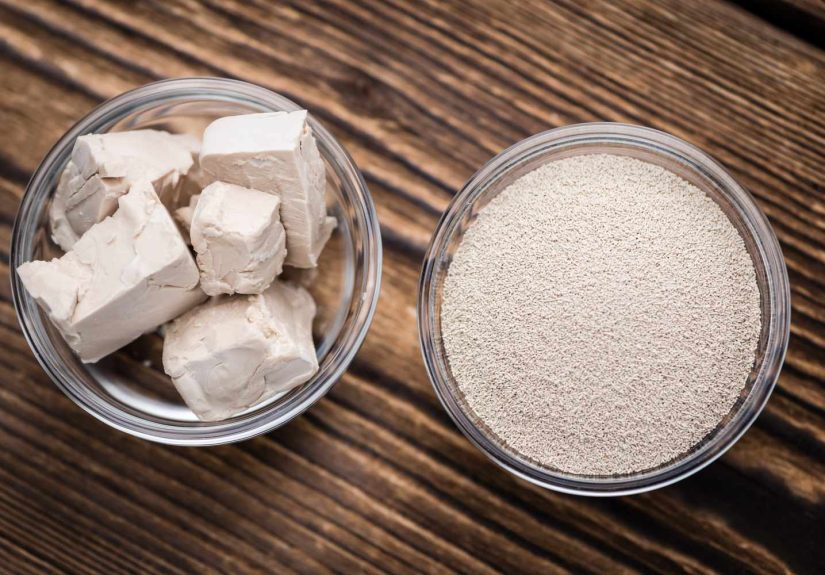
1) Baker’s Yeast (Active Dry, Instant, Fresh)
This is the classic bread-and-pizza yeast. It’s used to leaven dough by producing carbon dioxide during fermentation.
In its basic form, baker’s yeast is vegan.
Watch-outs: Some dry yeasts include small amounts of emulsifiers or additives to improve shelf life or rehydration.
These additives are often plant-derived, but a few (depending on the specific ingredient and supplier) can be animal-derived.
If you’re very strict, look for a “vegan” label or check with the manufacturer.
2) Nutritional Yeast (“Nooch”)
Nutritional yeast is typically deactivated yeast (meaning it’s not alive/active for rising bread),
sold as flakes or powder with a savory, cheesy, umami vibe. It’s a vegan favorite for “cheese sauce” shortcuts,
popcorn seasoning, tofu scramble glow-ups, and any dish that needs a flavor pep talk.
Many nutritional yeast products are fortified with B vitamins, sometimes including vitamin B12.
Not all brands contain B12, so check labels if you’re relying on it.
Watch-outs: Some blends may add dairy-based flavorings, whey, or other non-vegan ingredientsespecially in
“cheese seasoning” mixes. Plain nutritional yeast is usually vegan; mixed seasonings are where surprises live.
3) Brewer’s Yeast
Brewer’s yeast can refer to yeast used in brewing or a nutritional supplement made from brewing strains.
It’s also generally vegan. The bigger vegan concern in beer isn’t the yeastit’s how the beer is clarified (more on that below).
4) Torula Yeast
Torula yeast is another type of yeast used as a flavor enhancer, especially in plant-based meat alternatives and savory snacks.
It’s prized for its deep umami characterbasically, the flavor of “comfort food” without needing a dairy cameo.
Torula yeast itself is typically vegan.
5) Yeast Extract / Autolyzed Yeast
Yeast extract is made by breaking down yeast cells (often through an autolysis process) and concentrating their savory components.
It’s commonly found in soups, chips, instant noodles, bouillon, and plant-based “meaty” foods.
Yeast extract is generally vegan, but always check the full ingredient list since it often appears in heavily processed foods that may
include other animal-derived ingredients.
“But Yeast Is AliveDoes That Make It Not Vegan?”
This is the philosophical speed bump. Some people wonder whether consuming yeast conflicts with vegan ethics because yeast is alive.
In most mainstream vegan definitions and communities, the focus is on avoiding animal exploitation and cruelty.
Yeast, being a fungus, isn’t considered an animal, and it doesn’t fall under the same ethical framework for most vegans.
There is a tiny minority of vegans who avoid yeast because it’s alive or because they prefer a diet that minimizes killing any living organisms.
That’s a personal ethical choice, but it’s not the standard approach to vegan eating.
The Sneaky Stuff: When Yeast-Containing Foods Might Not Be Vegan
1) Additives in Some Dry Yeasts
Some active dry yeast products include emulsifiers (used in very small amounts) to help with performance and shelf stability.
Many emulsifiers are plant-derived, but a few can be made from either plant or animal sources depending on the supplier.
If your label lists an emulsifier and you want maximum certainty, choose a yeast brand labeled vegan or contact the company.
2) “Cheesy” Seasoning Blends and Snack Foods
Yeast (especially nutritional yeast and yeast extract) is a common ingredient in vegan-friendly flavoring.
But if you’re buying a flavored blend“nacho,” “ranch,” “cheddar-style,” etc.check for milk ingredients (whey, casein, lactose)
or ambiguous “natural flavors” that could be animal-derived.
3) Bread That Uses Yeast… Plus Non-Vegan Ingredients
Yeast in bread is usually vegan. Bread as a whole is not always vegan.
Many commercial loaves contain milk, butter, honey, eggs, or “dough conditioners” that can be animal-derived.
The yeast isn’t the problemthe recipe is.
Example: A plain baguette is often vegan (flour, water, yeast, salt).
A brioche is basically a butter-and-egg celebration with a little flour invited to watch.
4) Beer and Wine: Yeast Is Fine, Fining Agents Might Not Be
Yeast ferments beer and wine, and yeast itself is vegan. However, some alcoholic beverages are clarified using animal-derived fining agents,
such as isinglass (from fish), gelatin, egg whites, or casein (milk protein).
Many modern brands use vegan-friendly alternatives or skip fining entirely, but it varies widely.
If you’re vegan and also a “surprise me with the drink menu” person, look for bottles labeled vegan, check brand FAQs,
or choose naturally unfiltered options when available.
Is Nutritional Yeast Always Vegan?
Most plain nutritional yeast is vegan. It’s commonly grown on a sugar-rich medium (like molasses),
then harvested and heat-deactivated. The finished flakes are usually just yeastsometimes fortified with vitamins.
What can make it not vegan is when it’s part of a seasoning blend or when the product includes added dairy-based flavorings.
If the ingredient list is short and boring (yeast + vitamins), that’s usually a good sign.
If it reads like a chemistry final exam plus “milk,” that’s your cue.
Is Yeast Gluten-Free, Dairy-Free, and Allergy-Friendly?
Vegan and allergy-friendly aren’t the same thing, so it helps to separate the concerns:
- Dairy-free: Plain yeast products are typically dairy-free, but flavored blends may include milk ingredients.
- Gluten-free: Yeast itself doesn’t contain gluten, but cross-contact can happen depending on production.
- Sensitivity/intolerance: Some people feel better limiting yeast for digestive reasons, but that’s not a vegan issueit’s personal health.
Practical Vegan Checklist: How to Shop for Yeast With Confidence
- Plain yeast is usually vegan. The more basic the ingredient list, the easier the decision.
- Watch flavored blends. “Cheese-style” seasonings can hide dairy ingredients.
- Look for vegan labeling if you want maximum certainty (especially for active dry yeast with additives).
- For beer/wine, check the brand’s vegan status since fining agents can be animal-derived.
- Don’t confuse “yeast” with “animal products.” Yeast is fungusno feathers, hooves, or dairy involved.
Quick Answers to Common Yeast-and-Vegan Questions
Is yeast an animal?
No. Yeast is a fungus.
Is active dry yeast vegan?
Usually yes. If it contains an emulsifier or additive and you’re extra strict, choose a brand labeled vegan or check with the manufacturer.
Is nutritional yeast vegan?
Almost always, when it’s plain. Seasoning mixes are where you should read labels carefully.
Is yeast extract vegan?
Generally yes, but it often appears in processed foods, so the overall product may include other non-vegan ingredients.
Are fermented foods vegan because they use yeast?
Fermentation doesn’t automatically mean vegan. Many fermented foods are vegan, but some contain dairy (kefir), fish (certain sauces),
or use animal-derived processing aids. Ingredients still matter.
Real-World Experiences Related to “Is Yeast Vegan?” (Extra )
In real kitchens (and real grocery aisles), “Is yeast vegan?” usually shows up in a handful of familiar scenariosoften at the exact moment you’re
hungry, tired, and holding a product like it’s a ticking time bomb.
One common experience is the first-time nutritional yeast discovery. A lot of vegans describe it like meeting a new friend who’s
suspiciously helpful. Suddenly popcorn doesn’t just taste like popcornit tastes like “movie theater snack, but make it ethical.”
People sprinkle it on pasta, roasted vegetables, and tofu scrambles, then realize they’ve been seasoning their food with pure vibes and B vitamins.
The follow-up experience is equally common: buying a “cheddar-style” shaker that looks vegan-friendly… and then noticing whey on the ingredient list.
That’s the moment many vegans learn the sacred law of label reading: plain nooch = safe, cheesy blends = investigate.
Another classic experience: bread shopping confusion. Someone sees “yeast” and assumes “not vegan” because yeast is alive,
or because bread feels “too good to be plant-based.” Then they learn a plain baguette is often vegan while a soft, glossy loaf might include milk,
butter, or honey. The yeast wasn’t the villainit was just doing its job while the rest of the ingredient list hosted a dairy reunion.
Over time, many vegans develop a go-to list of reliably vegan breads, plus a backup plan:
“If all else fails, I can make flatbread at home in 10 minutes and feel superior about it.”
There’s also the beer and wine awakening. A lot of people assume fermented drinks are automatically vegan because grapes and grains are plants.
Then someone casually mentions fining agents like isinglass or gelatin, and suddenly everyone at the table is googling like it’s a group project.
The experience often ends with one of two outcomes: choosing brands labeled vegan, or switching to unfiltered/natural options and pretending the haze is
“artisanal.” (It can be both.)
Another real-life moment: DIY pizza night. You buy active dry yeast, make dough, and someone asks if it’s vegan because it’s alive.
This conversation happens more often than you’d thinkusually while someone is aggressively kneading dough like it owes them money.
The resolution is typically practical: yes, it’s vegan; no, the yeast isn’t an animal; and please pass the marinara.
The deeper lesson is that vegan shopping gets easier once you learn which “scary-sounding” ingredients are actually plant-friendly
(like yeast extract) and which “normal-sounding” ones can be animal-derived (like casein).
Finally, a lot of vegans share the experience of using yeast to rebuild comfort foods. Nutritional yeast in mac and “cheese,” yeast extract
in savory soups, or torula yeast in plant-based burgersthese ingredients help create that rich, satisfying umami without animal products.
The best part is the quiet confidence you get after a while: you stop asking “Is yeast vegan?” and start asking the more powerful question:
“How do I make this taste incredible?”
Conclusion
Yeast is generally vegan because it’s a fungus, not an animal, and it doesn’t rely on animal-derived ingredients in its basic forms.
The key is to watch for added ingredients (especially in blends) and remember that some yeast-adjacent productslike beer and winemay
use animal-derived processing aids even though yeast itself is vegan.
Translation: go ahead and bake the bread, sprinkle the nooch, and let fermentation do its magical little science experiment.
Just read the label when the product starts getting fancy.