Table of Contents >> Show >> Hide
- What Makes Hedge House Feel So Japanese-Inspired?
- The Core Design Traits Behind the Look
- Specific Pieces That Capture the Hedge House Style
- Why This Style Works So Well in American Homes
- How to Style Hedge House Furniture the Right Way
- Japanese-Inspired Furniture from Hedge House Is More Than a Trend
- Personal Experiences and Everyday Living With This Style
Some furniture shouts for attention. Other furniture simply clears its throat, adjusts a perfectly tailored sleeve, and makes the whole room feel calmer. That is the magic behind Japanese-inspired furniture from Hedge House. It is warm without being fussy, minimal without feeling cold, and refined without turning your home into a museum where no one is allowed to sit down. In other words, it is the rare kind of furniture that looks sophisticated and still understands the practical importance of coffee, books, naps, and ordinary life.
The appeal of Hedge House sits at the intersection of several design ideas Americans continue to love: Japanese minimalism, wabi-sabi restraint, handcrafted hardwood furniture, and the increasingly popular Japandi preference for quiet beauty and daily usefulness. When Remodelista first spotlighted Hedge House, the brand stood out for offering handmade furniture from Indiana that echoed the spirit of admired Japanese piecesespecially the kind of honest, unfussy, wood-forward design that makes you want to remove three unnecessary things from your room immediately. That early impression still tells us a lot about why the brand resonates. Hedge House furniture feels intentional. It respects materials. It favors proportion over decoration. And it proves that simple does not mean boring; it means every line has a job.
What Makes Hedge House Feel So Japanese-Inspired?
To understand the Hedge House look, it helps to start with the principles that shape Japanese interiors more broadly. Across American design coverage, a few ideas appear again and again: simplicity, harmony, connection to nature, natural materials, subdued color, and a strong dislike of clutter pretending to be personality. Japanese-inspired spaces are not about filling a room with obvious motifs. They are about creating an atmosphere that feels balanced, breathable, and deeply lived in.
That is exactly where Hedge House fits. The company has described its work as hardwood furniture with simple lines, understated silhouettes, and details driven by purpose. That phrase matters because it captures the soul of Japanese-inspired furniture better than any trend label ever could. The point is not decoration for decoration’s sake. The point is a piece that does what it needs to do beautifully, with enough craftsmanship to make the experience of using it feel good every single day.
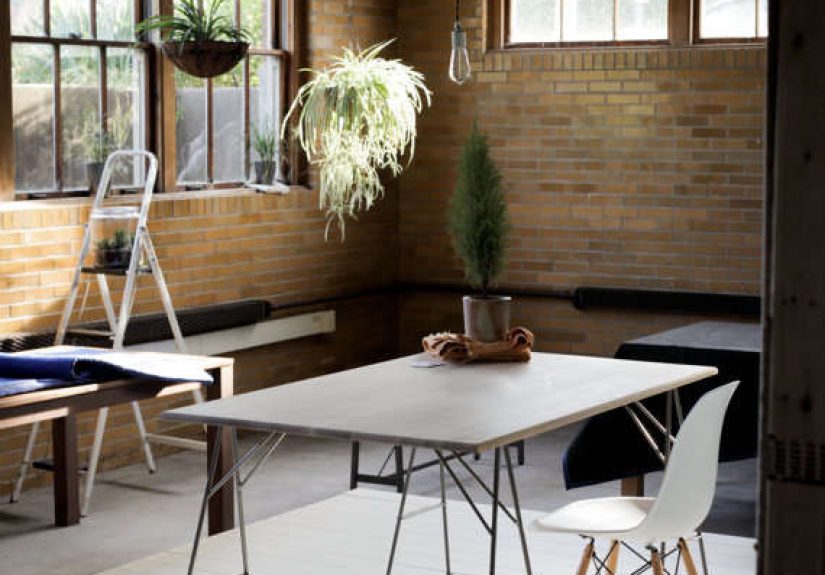
When you look at Hedge House piecessuch as the oak-and-steel desk, the Ventura dining table, the Rosarita dining table, the matching benches, stools, and the solid walnut bed frameyou see a design language built on restraint. There is no visual yelling. No giant carved flourishes. No mysterious gold accents demanding applause. Just clean geometry, rich wood grain, sturdy construction, and the kind of low-drama elegance that ages well.
The Core Design Traits Behind the Look
1. Clean lines that calm the eye
One of the hallmarks of Japanese-inspired furniture is visual clarity. The eye can travel across a piece without getting stuck on unnecessary ornament. Hedge House embraces this beautifully. Its tables and beds rely on strong outlines, balanced proportions, and shapes that feel grounded rather than flashy. This is the design equivalent of speaking in a calm voice and still being the smartest person in the room.
That clarity also makes Hedge House furniture versatile. A clean-lined wood bed works in a Japandi bedroom, a modern farmhouse home, an urban loft, or a quiet guest room where you are trying very hard to convince people you have your life together. Because the silhouette is understated, the furniture can adapt to different interiors while still carrying a distinct point of view.
2. Natural materials that do the decorating for you
Japanese-inspired interiors lean heavily on wood, stone, paper, bamboo, linen, cotton, and other tactile materials that age with dignity. Hedge House’s use of quarter-sawn white oak, walnut, and other hardwoods places the material itself front and center. Instead of covering wood with visual noise, the brand lets grain, tone, and texture perform the starring role.
This matters for both style and longevity. Natural wood adds warmth, but it also introduces variationsubtle differences in pattern, depth, and color that keep minimalist furniture from feeling flat. In Japanese and wabi-sabi design, those irregularities are not flaws to be hidden; they are part of the beauty. A solid wood table should not look like it rolled off an assembly line with the emotional range of a printer. It should feel alive.
3. Low-profile comfort and grounded living
Many Japanese-inspired interiors emphasize low, grounded furniture. That does not necessarily mean sitting cross-legged on the floor unless that is your thing. It means the room feels connected to the architecture and to the earth. Hedge House’s beds, benches, and tables carry that grounded quality. They are substantial without being bulky, present without becoming oversized monuments to ownership.
This low-profile approach is especially appealing in American homes where people increasingly want serenity, openness, and furniture that does not dominate every square foot. It creates visual breathing room. A low wood bed frame, for instance, can make a bedroom feel more expansive and more restful at the same time.
4. Craftsmanship over fast-furniture chaos
Another strong connection between Hedge House and Japanese-inspired design is craftsmanship. Japanese interiors and Japandi spaces alike tend to prioritize quality over quantity. Better to own a few thoughtfully made pieces than a room full of trendy furniture with the structural integrity of a granola bar. Hedge House has long emphasized heirloom quality, custom work, and close collaboration with skilled woodworkers in Northern Indiana. That kind of making culture aligns beautifully with a Japanese design ethos that values mastery, patience, and respect for materials.
There is also something meaningful about the brand’s Midwestern roots. Hedge House was first described as working with Amish woodworkers, and later as a furniture practice built through close relationships with local craftsmen. That gives the furniture a distinct authenticity. It is not pretending to be handcrafted. It is handcrafted. And in a world full of “artisan-inspired” products that seem mostly inspired by marketing departments, that difference counts.
Specific Pieces That Capture the Hedge House Style
The best way to understand Japanese-inspired furniture from Hedge House is to look at the kinds of pieces that defined the brand’s image.
The desk
The solid white oak and steel desk is a great example of balance. Wood brings warmth; steel adds crispness. The result feels modern and disciplined rather than industrial and harsh. It is the sort of desk that quietly suggests you might finally answer your emails like a person who drinks green tea and meets deadlines.
The dining tables and benches
The Ventura dining table and the Rosarita dining table show how simplicity can still feel substantial. These are not delicate little accent pieces trying to survive around spaghetti night. They are sturdy, purposeful tables that honor the social role of dining furniture: gathering people, supporting use, and looking better because they are used. Matching benches strengthen the Japanese-inspired mood because they keep the seating profile visually light while preserving openness around the table.
The stool
A well-made stool is often the unsung hero of a minimalist interior. It can move from kitchen to studio to bedroom without complaint. Hedge House’s adjustable stool reflects the Japanese idea that utility and beauty should not be separated into different departments.
The bed frame
The solid walnut queen bed frame may be the clearest expression of the brand’s appeal. Low, warm, straightforward, and visually calm, it embodies what many people want from a bedroom today: less visual clutter, more texture, more rest. Pair it with linen bedding, soft lighting, and one ceramic vase instead of nine decorative pillows you will throw on the floor anyway, and the room practically exhales.
Why This Style Works So Well in American Homes
Japanese-inspired furniture has found such a receptive audience in the United States because it answers several modern needs at once. First, it supports the move toward quieter interiors. People want homes that feel like refuge, not like a competition between furniture, accessories, and stress. Second, it matches the growing preference for sustainable, longer-lasting purchases. When design experts talk about Japanese and Japandi spaces, they often emphasize slow decorating, intentional buying, and pieces worth keeping.
Hedge House lands right in that sweet spot. Its pieces offer the emotional benefits of minimalism without the sterility that sometimes gives minimalism a bad reputation. This is not empty-room minimalism. It is humane minimalism. The kind where wood grain, natural light, a handmade bowl, and a quietly elegant table do most of the work.
There is also the flexibility factor. A Japanese-inspired wood cabinet, bookshelf, or bed can mix with Scandinavian lighting, vintage ceramics, stone accents, woven textures, matte black details, and even a few carefully chosen antiques. In fact, a little age and irregularity often make the look stronger. Wabi-sabi reminds us that patina, imperfection, and use are not enemies of good design. They are proof that life has happened here.
How to Style Hedge House Furniture the Right Way
Keep the palette soft and natural
Think warm whites, oat, clay, charcoal, muted green, brown, and soft black. The goal is not to make everything beige out of fear. The goal is to let wood tones and texture remain the heroes.
Use fewer pieces, but better ones
Japanese-inspired rooms are rarely packed. Give the furniture room to breathe. A Hedge House dining table looks more luxurious when it is not fighting twelve accessories and an overstyled centerpiece for attention.
Layer texture instead of pattern overload
Add linen curtains, ceramic vessels, a wool rug, matte paper lighting, or a stone bowl. Japanese-inspired interiors often create richness through touch and finish rather than through loud patterns.
Choose meaningful decor
Display objects that feel personal or handmade: a tea bowl, a small branch in a vase, one framed print, a stack of favorite books. If an object exists only because a shelf looked lonely, that is usually your cue to walk away slowly.
Let craftsmanship stay visible
Do not hide beautiful wood under too many competing finishes. A piece from Hedge House works best when you can actually see the silhouette, the joinery logic, and the natural character of the material.
Japanese-Inspired Furniture from Hedge House Is More Than a Trend
Trends come and go. One year everything is boucle. The next year your house is apparently supposed to resemble a tomato. But the design values behind Hedge House are more durable than trend cycles. Simplicity, craftsmanship, proportion, usefulness, and connection to nature do not really expire. They evolve, yes, but they do not become irrelevant.
That is why Hedge House furniture feels enduring. The brand’s work speaks to a design tradition that values quiet confidence. It does not need gimmicks because it understands fundamentals. Good wood. Good lines. Good scale. Good making. And when those elements come together, the result is furniture that supports daily life while making a room feel more intentional, more peaceful, and somehow more adult in the best possible way.
In the end, Japanese-inspired furniture from Hedge House is compelling for a simple reason: it turns restraint into luxury. Not flashy luxury. Not look-at-me luxury. The better kind. The kind you feel every time your hand touches a smooth walnut edge, every time a low bed frame makes the room feel lighter, every time a dining table invites people to gather without shouting for credit. It is thoughtful furniture for people who want their homes to feel calm, useful, and quietly beautiful. And frankly, that sounds like a pretty good idea.
Personal Experiences and Everyday Living With This Style
Living with Japanese-inspired furniture is different from merely admiring it in photos. In pictures, the appeal seems obvious: lovely wood, soft light, clean lines, instant calm. In real life, the benefits are even better because they are tied to routine. A room anchored by furniture in the Hedge House spirit tends to change how you move through your day. You become more aware of what belongs in the room and what does not. The space starts encouraging better habits without acting smug about it.
For example, a low-profile wood bed has a strange way of making a bedroom feel more intentional. You notice the quality of your bedding more. You stop craving piles of decorative clutter. The room begins to feel like a place for actual rest instead of a storage unit with pillows. Morning light also seems to work harder in a room with Japanese-inspired furniture because the shapes are simple and the finishes are natural. Sun hits the wood grain, shadows fall cleanly, and suddenly you understand why designers keep talking about “quiet luxury” without rolling your eyes quite as much.
Dining areas benefit too. A solid wood dining table in the Hedge House mode becomes the center of more than meals. It is where people work, write grocery lists, fold laundry, drink tea, help kids with homework, and pretend they will finally organize their finances this weekend. Because the design is so unfussy, the table adapts to all of it. It does not feel precious. It feels dependable. That is one of the strongest qualities of Japanese-inspired furniture: it respects everyday life instead of demanding to be admired from a distance.
There is also a psychological effect. Rooms with too much visual noise can make you feel like your brain has ten browser tabs open at all times. Furniture built around clarity and restraint lowers that pressure. You still have personality in the room, but the personality comes from material, craftsmanship, and a few meaningful objects rather than constant visual chatter. Many people discover that once they bring in one truly well-made, calm-looking piece, the rest of the room starts asking for the same level of honesty.
What makes the Hedge House approach especially appealing is that it does not feel rigid. You do not have to live like a monk or toss out every colorful thing you own. A Japanese-inspired room can still include books, vintage finds, children, pets, and real-life mess. The trick is that the furniture provides order and visual stability beneath all that living. It gives the room a backbone. And when furniture has that kind of grounding presence, everything around it feels a little more gracefuleven the throw blanket that is definitely not folded perfectly and the coffee mug you forgot to move before guests arrived.
That, to me, is the best experience of all: Japanese-inspired furniture from Hedge House does not ask you to become a different person. It simply makes ordinary life look and feel more composed.

![18 Best Types of Charts and Graphs for Data Visualization [+ How to Choose]](https://corkopencoffee.org/wp-content/uploads/2026/05/18-best-types-of-charts-and-graphs-for-data-visualization-how-to-choose-qKM1PBYG-thumb.jpg)