Table of Contents >> Show >> Hide
- What “jaw pain” really means (and why it’s tricky)
- Common causes of jaw pain
- 1) TMJ disorders (TMD): the classic jaw-joint troublemaker
- 2) Teeth and gums: cavities, cracked teeth, and infections
- 3) Teeth grinding and jaw clenching (bruxism): the stress souvenir
- 4) Sinus pressure and sinus infections: “Why do my upper teeth hurt?”
- 5) Salivary gland problems: pain/swelling near the jaw, especially with eating
- 6) Arthritis and inflammation: when the joint itself is irritated
- 7) Nerve-related facial pain: trigeminal neuralgia and friends
- 8) Injury, dislocation, or overuse
- 9) Rare but urgent: heart-related pain can radiate to the jaw
- Jaw pain symptoms: how to “read the clues”
- When jaw pain is an emergency
- How jaw pain is diagnosed
- Treatment options that actually help
- Prevention: how to keep jaw pain from coming back
- Quick FAQ
- Conclusion
- Real-life experiences with jaw pain (what people commonly report)
- “It started as a mild ache… then my jaw began starring in every scene.”
- “My jaw hurts, my ear hurts, and Google says I’m doomed.”
- “I thought it was one tooth… until the dentist said my teeth were innocent.”
- “The night guard felt weird… and then it felt amazing.”
- “The simplest changes were annoyingly effective.”
- “I waited too long on swellingdon’t do what I did.”
- What people wish they’d known earlier
- SEO tags (JSON)
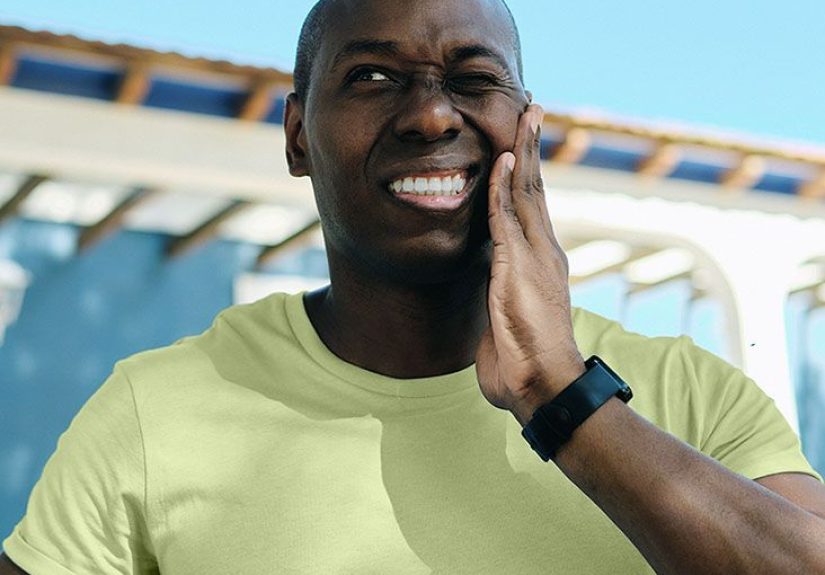
Your jaw is basically the overachiever of your face. It talks, chews, yawns, laughs, sighs dramatically, and
occasionally clenches through an entire workday like it’s training for a championship. So when jaw pain shows up,
it can feel personallike your own face filed a complaint with HR.
The good news: jaw pain is often treatable, and many common causes aren’t dangerous. The not-so-fun news: jaw pain
can come from several placesjoints, muscles, teeth, nerves, sinuses, and (rarely) the heart. This guide breaks
down the most likely causes, the symptoms that help you narrow it down, and the treatments that actually help.
(General info onlynot medical advice. If you’re worried, get checked.)
What “jaw pain” really means (and why it’s tricky)
“Jaw pain” can mean soreness in the muscles that move your jaw, irritation in the jaw joint itself, pain that
originates in a tooth or gum, or even “referred pain” (pain that feels like it’s in the jaw but starts somewhere
else). That’s why one person’s jaw pain improves with a night guard, while another needs dental treatment, and a
third needs help for sinus inflammation.
Common causes of jaw pain
1) TMJ disorders (TMD): the classic jaw-joint troublemaker
The temporomandibular joint (TMJ) is the hinge that lets your jaw open and close. Problems affecting the joint,
the disc inside it, or the muscles around it are often grouped as temporomandibular disorders (TMD). This is one
of the most common sources of jaw pain.
What it can feel like:
- Aching or tenderness near the jaw joint (often just in front of the ear)
- Clicking, popping, or grinding sounds when opening or chewing (sometimes painless, sometimes not)
- Stiffness, limited opening, or a jaw that “locks”
- Headaches, facial pain, neck soreness, or ear-related symptoms like ringing
Why it happens: There isn’t one single cause. TMD can be linked to jaw injury, arthritis, teeth
grinding or clenching (bruxism), stress-related muscle tension, or bite-related factors. For many people, it’s a
mix of several thingslike stress + clenching + chewing gum like it’s a second job.
2) Teeth and gums: cavities, cracked teeth, and infections
Dental problems are a major source of jaw pain, especially if the pain feels sharp, throbbing, or triggered by
hot/cold or chewing. A cavity, cracked tooth, gum disease, or an abscess (pocket of infection) can create pain
that radiates into the jaw.
Clues it may be dental:
- Pain seems tied to one tooth, or worsens when you bite down
- Sensitivity to hot, cold, or sweets
- Swelling, a pimple-like bump on the gum, bad taste, or drainage
- Fever, facial swelling, or trouble opening your mouth (more urgent)
Dental infections shouldn’t be ignored. Even if the pain “suddenly stops,” the infection may still be active and
can spreadso it’s worth getting evaluated promptly.
3) Teeth grinding and jaw clenching (bruxism): the stress souvenir
Bruxism is grinding or clenching your teethoften during sleep, sometimes during the day (hello, inbox anxiety).
It can overwork jaw muscles, irritate the TMJ area, and leave you waking up with soreness, headaches, or tooth
sensitivity.
Common signs:
- Morning jaw soreness or tightness
- Headaches that start around the temples
- Worn, chipped, or sensitive teeth
- Partners hearing grinding sounds at night
4) Sinus pressure and sinus infections: “Why do my upper teeth hurt?”
The maxillary sinuses sit above your upper back teeth. When the sinuses are inflamedwhether from a cold,
allergies, or sinusitisyou may feel pressure or aching in the cheeks, upper jaw, or multiple upper teeth. The
pain can masquerade as a dental problem, especially when congestion and facial pressure are also present.
Helpful clue: Sinus-related jaw/tooth discomfort often feels spread out (multiple teeth or a whole
area), not laser-focused on one tooth.
5) Salivary gland problems: pain/swelling near the jaw, especially with eating
Salivary glands sit around the jaw and under the tongue. If a gland is infected (sialadenitis) or blocked by a
stone, you might notice swelling or pain near the jaw angle or in front of the ear. Some people feel pain that
spikes when eatingespecially sour foodsbecause saliva flow increases and “presses” against the blockage.
Because infections in this area can occasionally become serious, swelling with fever, worsening pain, or trouble
swallowing should be checked quickly.
6) Arthritis and inflammation: when the joint itself is irritated
Osteoarthritis, rheumatoid arthritis, and other inflammatory conditions can involve the jaw joint. This may show
up as stiffness, aching with chewing, limited movement, or a gritty/grinding sensation. People often notice worse
stiffness in the morning or after heavy chewing (think: bagels, jerky, and “just one more handful” of almonds).
7) Nerve-related facial pain: trigeminal neuralgia and friends
Some nerve conditions cause intense facial pain that may be felt in the jaw. Trigeminal neuralgia is often
described as sudden, electric-shock-like pain in the face, triggered by touch, brushing teeth, chewing, or even a
breeze. It’s less common than TMJ or dental causes, but it’s important because treatment is different and usually
requires a clinician’s evaluation.
8) Injury, dislocation, or overuse
Trauma (sports injury, fall, accident) can bruise jaw muscles, dislocate the joint, or fracture the jaw. Overuse
also countsprolonged dental work, aggressive yawning (yes, really), or chewing very hard foods can leave the jaw
sore and cranky.
9) Rare but urgent: heart-related pain can radiate to the jaw
Most jaw pain is not heart-related. But pain from heart problemslike a heart attackcan radiate to the jaw,
neck, shoulder, or arm. This is especially important if jaw pain comes with chest pressure, shortness of breath,
nausea, sweating, or unusual fatigue. If you suspect a heart-related issue, treat it as an emergency.
Jaw pain symptoms: how to “read the clues”
Symptoms don’t give a perfect diagnosis, but they can point you in a helpful direction. Here are patterns people
commonly report:
Jaw pain with clicking/popping or jaw stiffness
- Often suggests TMD/TMJ issues, especially if worse with chewing or wide opening
Jaw pain with tooth sensitivity or pain when biting
- More likely dental: cavity, cracked tooth, gum inflammation, or infection
Jaw pain with facial swelling, fever, or pus-like drainage
- Concerning for infection (dental abscess or salivary gland infection). Needs prompt care.
Jaw pain with congestion, thick nasal drainage, or facial pressure
- Consider sinus inflammation or sinusitis (especially upper jaw/upper teeth discomfort)
Sudden, shock-like facial pain triggered by touch or chewing
- Consider nerve-related pain; see a clinician for evaluation
When jaw pain is an emergency
Get urgent medical help (call emergency services or go to the ER) if you have:
- Jaw pain with chest discomfort/pressure, shortness of breath, fainting, or sweating
- Severe swelling in the mouth/face/neck, trouble breathing, or trouble swallowing
- High fever with facial swelling, or rapidly worsening pain
- Jaw injury with deformity, bleeding, broken teeth, or inability to open/close the mouth normally
- A jaw that locks open or shut and won’t reset
For non-emergency situations, a good rule of thumb is: if the pain is persistent (more than about a week), keeps
returning, or interferes with eating/sleeping, it’s time to book an appointmentstarting with a dentist or primary
care clinician depending on your symptoms.
How jaw pain is diagnosed
Diagnosis usually starts with a history and exambecause your story matters. Expect questions like:
When did it start? Is it constant or intermittent? What triggers it? Any clicking? Any dental sensitivity?
Depending on the suspected cause, evaluation may include:
- Dental exam (looking for decay, cracks, gum disease, bite changes, or infection)
- Jaw movement and muscle exam (range of motion, tenderness, joint sounds)
- Imaging when needed (dental X-rays, panoramic X-ray, CT, or MRI for joint/disk issues)
- Assessment for sinus, salivary gland, or nerve-related issues
Treatment options that actually help
Treatment depends on the cause, but many cases improve with conservative steps firstespecially TMJ-related pain.
Think of it like calming down an overworked joint and retraining it to stop doing overtime.
At-home relief (safe first-line options for many people)
- Soft-food break: soups, yogurt, eggs, smoothies; avoid hard/crunchy/chewy foods temporarily
- Heat or cold packs: try 10–20 minutes at a time and use what feels better
- Over-the-counter pain relief: NSAIDs (like ibuprofen) can help pain and inflammation if safe for you
- Stop jaw “extras”: gum, nail biting, chewing pens, wide yawns, and clenching
- Gentle jaw exercises: light stretching/relaxation (best guided by a clinician or physical therapist)
- Posture reset: neck and jaw tension love a forward-head posture; take screen breaks
TMJ/TMD treatment
Most TMJ/TMD care focuses on reducing strain, easing muscle spasm, and improving jaw function. A clinician may
recommend:
- Night guards or oral appliances: especially if grinding/clenching is present
- Physical therapy: targeted exercises, manual techniques, and posture training
- Stress management: because clenching is often the body’s sneaky stress habit
- Prescription medications: muscle relaxants or other options in select cases
- Injections/procedures: sometimes considered if conservative steps fail (varies by diagnosis)
- Surgery: generally reserved for specific, severe joint problems after other treatments
One practical tip: if you catch yourself clenching during the day, try a “lips together, teeth apart” reminder.
Your teeth don’t need to touch unless you’re eatingotherwise they’re just making unnecessary meetings.
Dental treatment (when teeth/gums are the source)
If a tooth or gum problem is causing jaw pain, home care won’t fix the root issue. Treatment depends on the
diagnosis:
- Fillings for cavities
- Repair for cracked teeth
- Deep cleaning and gum treatment for periodontal disease
- Root canal therapy or extraction when the tooth pulp is infected
- Drainage and targeted antibiotics when appropriate for infections
If you have swelling, fever, or spreading pain, don’t “wait it out.” Dental infections can escalate, and early
treatment is safer (and usually less dramatic).
Sinus-related jaw pain treatment
If sinus pressure is the culprit, the focus is reducing inflammation and helping drainage:
- Hydration and rest
- Saline nasal irrigation (sterile/distilled water; follow product directions)
- Warm showers/steam for comfort
- Over-the-counter pain relievers if safe
- Medical evaluation if symptoms are severe, last beyond about 10 days, or worsen after improving
Salivary gland infection or stones
Treatment can range from hydration, warm compresses, and pain relief to antibiotics or procedures, depending on
whether there’s infection or a stone causing blockage. Because swelling in the face/neck region can occasionally
become serious, worsening symptoms deserve prompt medical attention.
Nerve-related facial pain
Nerve pain often needs clinician-guided treatment (commonly prescription medications, sometimes procedures). If
your pain feels like repeated sudden shocks or is triggered by light touch, don’t self-diagnoseget evaluated.
Prevention: how to keep jaw pain from coming back
- Mind the clench: set a phone reminder to relax your jaw a few times a day
- Protect sleep: poor sleep can worsen pain sensitivity and grinding
- Ease stress: breathing exercises, activity breaks, and therapy tools can reduce tension habits
- Skip “jaw workouts”: avoid chewing ice or very hard foods as a habit
- Fix dental issues early: small problems become big problems (and big dental bills)
- Ergonomics matter: screen posture can feed neck/jaw tensionraise your screen, relax shoulders
Quick FAQ
Why does my jaw hurt on one side?
One-sided jaw pain is common with TMJ irritation, a dental problem on one side, or uneven clenching/chewing. If
it’s severe, comes with swelling, or you can’t open your mouth normally, get checked quickly.
Is jaw clicking always a problem?
Not always. Some clicking can be painless and harmless. But clicking plus pain, locking, or limited movement is
worth evaluatingespecially if it’s affecting eating or sleep.
Can stress really cause jaw pain?
Stress doesn’t invent pain out of nowhere, but it can drive habits like clenching and muscle tension that make the
jaw hurt very real, very fast.
What if I have jaw pain with ear pain?
TMJ-related pain often feels like ear pain because the joint sits close to the ear. Dental problems and
inflammation can also refer pain. If you have fever, drainage from the ear, or hearing changes, see a clinician.
Conclusion
Jaw pain is common, and it usually has a practical explanationTMJ strain, clenching, dental issues, sinus
pressure, or inflammation. The key is matching the treatment to the cause: rest and gentle care for irritated
joints and muscles, dental treatment for tooth-related pain, medical evaluation for nerve pain or infections, and
emergency care for red-flag symptoms. If your jaw pain is persistent, worsening, or disrupting daily life, getting
evaluated is the fastest path to relief (and to enjoying food again without side-eyeing your sandwich).
Real-life experiences with jaw pain (what people commonly report)
If you’ve ever tried to explain jaw pain to someone who hasn’t felt it, you’ve probably gotten a polite nod and a
look that says, “So… your face hurts?” In real life, people describe jaw pain less like a single symptom and more
like a whole personality shift in their head and neck. Here are a few common experiences many patients share,
along with what often helps them move forward.
“It started as a mild ache… then my jaw began starring in every scene.”
A frequent story is a slow build: a little soreness when chewing, then tenderness near the ear, then headaches
that feel like they’re wearing a too-tight headband. People often realize later that they were clenching during
work, driving, studying, or gamingespecially during stressful stretches. Many are surprised by how much jaw
tension can spill into the neck and shoulders, making it feel like multiple problems at once.
“My jaw hurts, my ear hurts, and Google says I’m doomed.”
Because the TMJ sits close to the ear, jaw problems often feel like ear pain, fullness, or pressure. This can be
confusing (and, thanks to the internet, dramatic). People commonly report bouncing between “Is it an ear
infection?” and “Is it my teeth?” before someone finally checks jaw movement and muscle tenderness and connects
the dots. A practical lesson many learn: location can be misleadingreferred pain is real.
“I thought it was one tooth… until the dentist said my teeth were innocent.”
Another common experience is upper jaw discomfort that feels like tooth pain, especially during allergy season or
after a cold. When dental X-rays don’t show a clear culprit, people often feel relieved but also confuseduntil
sinus pressure is considered. Many say the giveaway was the “multiple teeth” feeling, plus congestion and facial
pressure that changed when leaning forward.
“The night guard felt weird… and then it felt amazing.”
For people with clenching or grinding, the first few nights with a night guard can be awkward. Some describe it as
“sleeping with a tiny mouth helmet.” But many report that after a week or two, morning soreness improves and
headaches become less frequent. The biggest benefit they mention isn’t only tooth protectionit’s giving the jaw a
break from nighttime overwork.
“The simplest changes were annoyingly effective.”
A lot of people expect jaw pain to require a complicated fix, but many feel noticeably better after boring,
sensible steps: soft foods for a few days, heat or ice, cutting out gum, smaller bites, and short screen breaks to
reset posture. They often describe the turning point as learning how to relax the jaw during the dayespecially
keeping teeth slightly apart when not eating. It sounds too simple, but it can reduce constant muscle loading.
“I waited too long on swellingdon’t do what I did.”
People who’ve had dental infections or salivary gland infections often describe a different vibe: swelling, a
throbbing sensation, tenderness to touch, and sometimes fever or a bad taste. Many say they delayed care hoping it
would passthen regretted it when symptoms escalated. Their advice is consistent: swelling plus fever, spreading
pain, or trouble swallowing/breathing should move you into “get help now” mode, not “I’ll see how it feels after
three more episodes of streaming.”
What people wish they’d known earlier
- Jaw pain is often multi-factorial: stress + clenching + posture + chewing habits can stack.
- Consistency beats intensity: gentle daily changes often help more than one “big” fix.
- Swelling and fever change the urgency: infections are not DIY projects.
- Getting the right diagnosis saves time: dental vs TMJ vs sinus vs nerve pain need different approaches.
If you’re in the middle of jaw pain right now, you’re not overreacting. It can affect eating, sleep, and mood
fast. The most encouraging part of these shared experiences is that many people improve significantly once the
root cause is identified and the jaw finally gets the message: it’s allowed to clock out.