Table of Contents >> Show >> Hide
- What Is the Wan Suspension Lamp, Exactly?
- Meet the Designer: Johanna Grawunder’s Lighting DNA
- Design Breakdown: Why This Tiny Pendant Feels So Intentional
- Materials, Finishes, and the Little Details People Actually Notice
- Lighting Performance: Where Wan Wins (and Where It’s Not Trying To)
- Bulbs, Dimming, and What to Know Before You Buy
- How to Style Wan Like You Meant It
- Installation Notes: Small Fixture, Real Considerations
- Care and Maintenance: Keeping It Pretty Without Making It a Hobby
- FAQ: Quick Answers People Google at 11:47 p.m.
- Conclusion: Why Wan Stays Relevant
- Real-World Experiences With the Johanna Grawunder Wan Suspension Lamp (500+ Words)
- The first night: “Ohthis is what controlled light feels like.”
- In kitchens: the “multiples effect” is where Wan shines
- Over a dining table: it feels tailored, not trendy
- Maintenance reality: glossy finishes are gorgeous… and honest
- Bulb choices: the “cheap LED” trap
- The surprise benefit: it doesn’t visually “weigh down” the room
- Bottom line from real rooms
Some pendant lights try so hard to be “a moment” that they end up looking like a chandelier wearing a costume.
The Johanna Grawunder Wan Suspension Lamp does the opposite: it shows up, does its job, looks sharp doing it,
and never begs for applause. It’s a small, bowl-shaped pendant by Flos that delivers clean, direct light with a clever low-glare setupminimalist,
but not boring. Think “espresso shot” rather than “bucket of neon.”
If you’re shopping for a modern pendant that can handle kitchens, dining tables, and bedside reading without blinding your guests or turning your
countertop into a crime scene spotlight, Wan is worth a real look.
What Is the Wan Suspension Lamp, Exactly?
The Wan Suspension is a compact pendant designed by Johanna Grawunder for Flos (design year commonly listed as 2006).
Its signature is a smooth aluminum “bowl” housing a precise anti-glare systembuilt to push light down where you need it, while keeping the source
visually controlled.
The name “Wan” references the Japanese word for bowl, and the lamp really is a “bowl of light”a tiny architectural gesture that makes a big
difference in how a space feels. It’s the kind of object you notice more with time, not less.
Meet the Designer: Johanna Grawunder’s Lighting DNA
Johanna Grawunder is an American architect and designer known for lighting work that blends architectural rigor with a bold sense of color and material.
Her portfolio ranges from installations and interiors to product design, and that “architecture-first” thinking shows up in Wan’s disciplined geometry.
Wan doesn’t try to imitate nature or nostalgia. Instead, it’s purpose-built: a small form that delivers a predictable, comfortable pool of illumination.
In other words, it’s the lighting equivalent of someone who texts back promptly and actually shows up on time. Rare. Powerful.
Design Breakdown: Why This Tiny Pendant Feels So Intentional
1) The bowl silhouette (minimal form, maximum versatility)
The outer shell is a simple, rounded aluminum shadeclean enough for contemporary interiors, but friendly enough to mix with warm woods, vintage pieces,
or even a slightly chaotic gallery wall. Because it’s compact, it can disappear when you want a quiet ceiling line, or repeat in multiples when you want
rhythm and structure.
2) The low-glare system (the “secret sauce”)
Wan’s real flex is its internal glare control. Instead of exposing a bulb and hoping a frosted diffuser will save everyone’s retinas, Wan uses a more
deliberate approach: a shielded light source behind a protective glass element held by a retaining ring. The result is direct light that’s far more comfortable
than many small pendants in its size class.
Translation: you can hang it lower (over a counter, bedside table, or small dining surface) without turning dinner into an impromptu interrogation.
3) A small pendant that doesn’t “read small”
On paper, Wan is compactroughly 4.5 inches in diameter and about 3.5 inches tall (based on commonly published dimensions of
11.5 cm diameter and 8.9 cm height). In real rooms, the glossy finish and crisp profile give it presence. It’s like a well-tailored blazer: not large,
but unmistakably intentional.
Materials, Finishes, and the Little Details People Actually Notice
Wan Suspension is typically described as an aluminum body with glass in the glare-control assembly. It’s often offered in finishes like
glossy/shiny white and glossy/shiny black, with some listings also referencing green enamel or chrome/aluminum variants depending on model and market.
One of the most charming “design-nerd” touches: the lamp is commonly supplied with two retaining ring colors (often black and green) used to secure
the safety glass. It’s a tiny customization lever that feels oddly satisfyinglike choosing the shoelaces for a great pair of sneakers.
Finish tips (because life is fingerprints)
- Glossy black: dramatic, crisp, and shows dust/fingerprints fasterworth it if you like sharp contrast.
- Glossy white: clean and quiet; it blends into white ceilings but still reads as a design object up close.
- Green/chrome variants: more “design statement” energy; great when you want a small pop without committing to a large fixture.
Lighting Performance: Where Wan Wins (and Where It’s Not Trying To)
Wan is built for direct, downward lighting. It’s happiest when it has a surface to illuminatecounters, tabletops, nightstands, or a focused
work area. If your goal is to wash an entire room with ambient light, Wan can participate, but it won’t carry the whole party.
Best uses
- Kitchen islands: use multiples in a row for even task lighting with a modern, uncluttered look.
- Dining tables: especially good for smaller tables where big pendants overwhelm.
- Bedside pendants: great if you want freed-up nightstand space and controlled reading light.
- Hallways/entry moments: use a pair or small cluster for sculptural punctuation without bulk.
Glare comfort (the real-life difference)
Many small pendants look great in product photos and then feel harsh at night because you can see the bright source from normal seating positions.
Wan’s shielded approach helps keep the view more comfortableespecially important over dining, where eye level and pendant height often collide.
Bulbs, Dimming, and What to Know Before You Buy
Most commonly published specifications list a G9 base for the Wan Suspension and recommend either a small halogen capsule or a compatible LED retrofit,
depending on the version and market. Some technical sheets describe the fixture as dimmable, but dimming performance depends heavily on the bulb type and your dimmer.
Practical bulb advice
- If you want warm, cozy light: look for a warm color temperature (around 2700K) and a high color rendering (high CRI) in an LED G9.
- If you insist on dimming: pick a dimmable bulb and match it to a compatible dimmer type (and be prepared to testdimming is a team sport).
- If you hate fiddly maintenance: buy a couple spare bulbs when you order. Small bulbs are easy to forget until they burn out at 8:03 p.m. on movie night.
Important: electrical specs can vary by region and product code. If you’re in the U.S., confirm you’re ordering the correct voltage/version and that it meets
local code requirements. When in doubt, involve a licensed electricianyour ceiling will thank you.
How to Style Wan Like You Meant It
Over a kitchen island (the “three little planets” method)
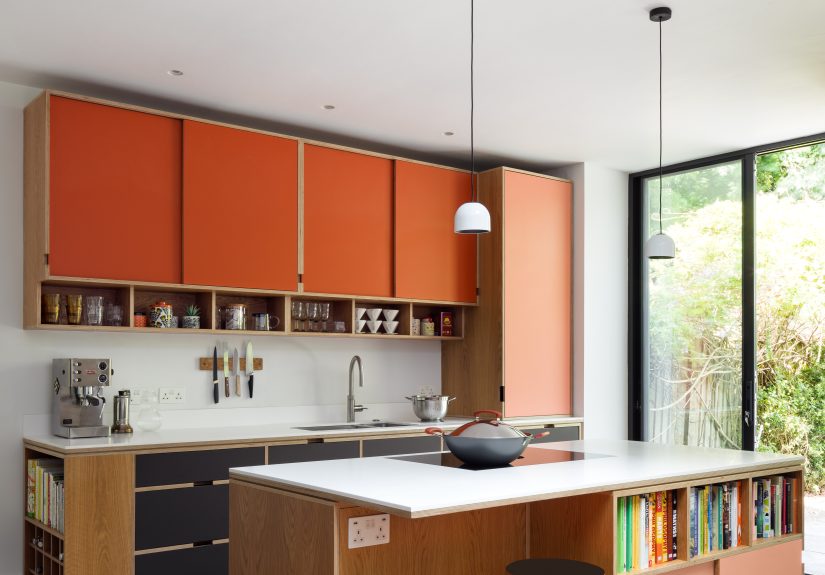
Wan works beautifully in multiples because the form is consistent and the scale is restrained. For a typical island, three pendants spaced evenly can create a clean rhythm
without visual clutter. The low-glare design helps keep the light comfortable even when hung at practical task heights.
Over a dining table (small table, big payoff)
If you have a round or compact dining table, a giant drum shade can feel like the ceiling is wearing a hat that’s two sizes too big. Wan avoids that.
It keeps the visual mass small while still creating a focused “center” to the table.
Bedside pendants (because nightstands deserve freedom)
Designers love bedside pendants for a reason: they free up surface space and look tailored. Wan’s compact size makes it especially good in tighter bedrooms,
and its controlled light helps with reading without blasting the whole room.
Installation Notes: Small Fixture, Real Considerations
Wan is a relatively compact pendant, but treat installation like the “real fixture” it is. Plan your drop height, confirm canopy coverage for your junction box,
and decide whether you want the cord to disappear or become part of the composition.
Common hanging-height guidelines
- Over a dining table: bottom of the pendant typically ~30–36 inches above the tabletop.
- Over an island/work surface: often similar, but adjust for sightlines and seating.
- Bedside: aim for practical reach and glare comfortusually lower than you’d think, but not in the way of pillows and headboards.
If you’re clustering multiple Wans, mock it up with painter’s tape first. It’s the cheapest “rendering” you’ll ever love.
Care and Maintenance: Keeping It Pretty Without Making It a Hobby
- Dusting: a soft microfiber cloth is your best friend, especially for glossy finishes.
- Glass area: clean gently and avoid harsh abrasivestreat it like eyewear, not cookware.
- Bulb replacement: follow the manufacturer instructions and power off at the breaker. “It’s probably fine” is not an electrical strategy.
FAQ: Quick Answers People Google at 11:47 p.m.
Is the Wan Suspension Lamp good for task lighting?
Yesthis is one of its strengths. The design emphasizes direct downlight with glare control, making it well-suited for counters, tables, and reading zones.
Can I use LED bulbs in the Wan pendant?
Many owners use LED-compatible G9 bulbs, but you should confirm bulb size, heat considerations, and dimmer compatibility. Choose a high-quality bulb for best light quality.
Does the Wan work in a modern farmhouse or traditional home?
Surprisingly often, yes. Because the shape is simple and the scale is small, it can function as a “quiet modern note” in mixed-style roomsespecially in white or neutral finishes.
Conclusion: Why Wan Stays Relevant
The Johanna Grawunder Wan Suspension Lamp is proof that modern lighting doesn’t need to be loud to be memorable. It’s compact, thoughtfully engineered,
and visually disciplineddesigned to do one main thing exceptionally well: deliver comfortable, direct light with a crisp architectural presence.
If your space needs a pendant that behavesno glare drama, no oversized shade dominating the room, no “look at me!” tantrumsWan is a smart, design-forward choice.
Real-World Experiences With the Johanna Grawunder Wan Suspension Lamp (500+ Words)
Here’s what “living with Wan” tends to feel like in actual homesbased on common homeowner, installer, and design-studio observations rather than showroom fantasies.
(Showrooms are beautiful, but they also have a suspicious lack of cereal boxes and phone chargers.)
The first night: “Ohthis is what controlled light feels like.”
A lot of pendant lights look fine until the sun goes down. Then the bulb becomes a tiny indoor star and suddenly everyone at the table is squinting like they’re
trying to read a menu in a wind tunnel. Wan usually avoids that moment because its glare control is built into the design, not added as an afterthought. The light reads
“focused” rather than “harsh,” and that’s a big deal over dining tables and islands where your eyes naturally travel upward during conversation.
In kitchens: the “multiples effect” is where Wan shines
Wan is small enough that a single pendant can look understated (sometimes too understated) over a long island. But install two or three in a row and it becomes a deliberate
lighting system: repeated forms, consistent pools of light, and a clean line that visually organizes the kitchen. Designers often treat it like punctuation marks across the
islandsimple, rhythmic, and surprisingly powerful.
Over a dining table: it feels tailored, not trendy
Big statement fixtures can be fun, but they’re also trend magnets. Wan’s scale helps it age well. In everyday use, it creates a defined “table zone” that makes dinners feel
intimateespecially if you dim it down and let perimeter lighting handle ambient glow. People often describe the vibe as “restaurant-like,” but not in the “I can hear your fork”
waymore in the “this space feels intentional” way.
Maintenance reality: glossy finishes are gorgeous… and honest
Glossy black and glossy white look fantastic, but they do reflect the truth of your lifestyle. If you cook a lot, you’ll eventually notice a fine layer of kitchen dust or
aerosolized oil in the air (delicious, but inconvenient). Wan’s compact shade is easy to wipe down, which helps. Owners who stay happiest are the ones who treat it like a
monthly two-minute chore rather than a yearly deep-clean project that requires a ladder, a podcast, and emotional support.
Bulb choices: the “cheap LED” trap
Because Wan uses a small capsule-style bulb format, not every LED replacement is created equal. People who choose bargain bulbs sometimes report light that feels too cold, too
dim, or oddly uneven. The best experiences tend to come from selecting a warm, high-quality bulb with good color renderingespecially important in kitchens and dining areas where
food and skin tones should look… like food and skin tones. If you want dimming, pairing the right bulb with the right dimmer matters. When it works, it’s great. When it doesn’t,
it’s the flicker Olympics.
The surprise benefit: it doesn’t visually “weigh down” the room
Many pendants add a big horizontal shape into your sightline, which can make ceilings feel lowerespecially in smaller homes or apartments. Wan’s compact silhouette usually keeps
the room feeling open. That’s why it’s often chosen for tighter kitchens, narrow islands, small breakfast nooks, and bedside setups where you want a designed look without the
overhead bulk.
Bottom line from real rooms
In everyday life, Wan tends to deliver what people actually want: consistent downlight, controlled glare, and a modern shape that doesn’t hijack the room’s personality. It’s the
kind of fixture that makes your space feel better without demanding constant attentionlike the friend who brings snacks, helps clean up, and never makes a speech about it.