Table of Contents >> Show >> Hide
- What Makes a Former Lobster Shack Kitchen So Irresistible?
- The Layout: Small, Smart, and Ready for Company
- Open Storage: The Lobster Shack’s Secret Weapon
- Materials That Can Handle Salt Air, Steam, and Sauce
- Color Palette: Coastal Without the Clichés
- Cooking in a Summer Kitchen: Casual Food, Serious Function
- Lighting: From Morning Prep to After-Dinner Stories
- How to Recreate the Look in Your Own Home
- Why This Kitchen Works Emotionally
- Experience Notes: What a Lobster-Shack Summer Kitchen Teaches You
- Conclusion: The Lasting Charm of a Summer Kitchen With a Past
Some kitchens whisper. Some kitchens sparkle. And then there are kitchens that smell faintly of salt air, old timber, buttered toast, and the kind of summer dinner that begins with “just a few friends” and ends with every chair dragged toward the water. A couple’s summer kitchen in a former lobster shack is exactly that kind of place: practical, weathered, charming, and completely allergic to over-polished perfection.
Set in the spirit of Harpswell, Maine, where lobster boats, foggy mornings, and rugged shorelines do half the decorating for you, this kind of kitchen is not trying to look like a showroom. It is trying to work. It is a room for rinsing greens, boiling corn, cracking lobster, stacking plates, pouring wine, and pretending that sandy footprints are a design feature. Spoiler alert: in a summer kitchen, they absolutely are.
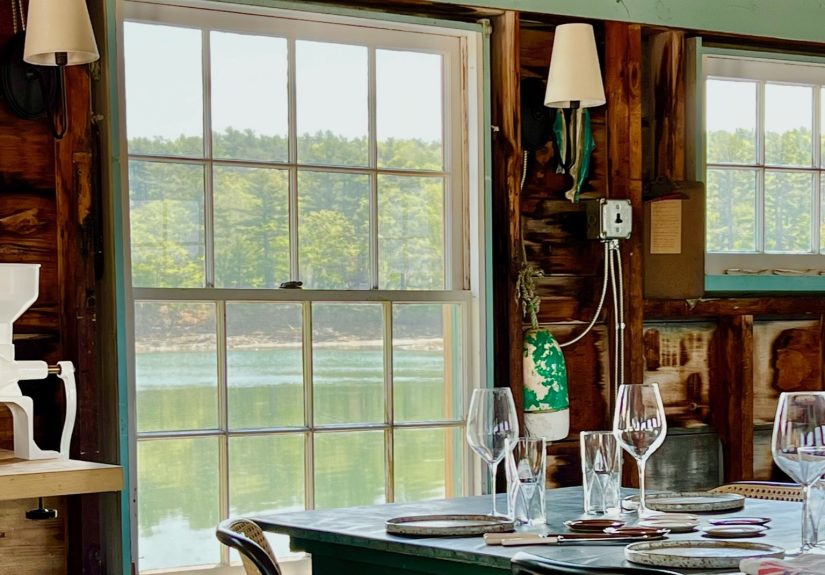
The real magic of a former lobster shack kitchen is the way it honors its first life. A building that once served working waterfront needs does not need marble drama or high-gloss cabinets to feel special. Its beauty comes from restraint: open shelving, honest materials, a hardworking sink, wood surfaces that can take a little abuse, and storage that says, “Yes, we know exactly where the oyster knife is.”
What Makes a Former Lobster Shack Kitchen So Irresistible?
A lobster shack kitchen has character before the renovation even begins. It usually comes with humble proportions, exposed structure, utilitarian bones, and an architectural memory of work. That history matters. The smartest renovations do not erase the past; they edit it. Instead of hiding every old beam or smoothing every surface, they let the building keep its weathered vocabulary.
In a couple’s summer kitchen, that approach feels especially right. Summer living is looser than year-round living. Meals stretch. Guests hover near the prep area. Someone is always asking where the bottle opener went. The kitchen becomes less of a private cooking zone and more of a communal dockside headquarters.
The best former lobster shack kitchens share a few defining traits: they are compact but not cramped, casual but not careless, rustic but not dusty, and stylish without looking like they spent all morning getting ready. Think linen shirt, not tuxedo. Think wooden counter, hanging pans, stacked bowls, and a fridge that knows it is about to be asked to hold six kinds of lemonade.
The Layout: Small, Smart, and Ready for Company
The central challenge in a summer kitchen is traffic. A couple may own the kitchen, but during July and August, the kitchen belongs to everyone. Friends wander in with tomatoes. Kids reach for glasses. A dog stations itself exactly where everyone needs to stand. This is why layout matters more than square footage.
A successful lobster shack kitchen keeps the primary work zones close: prep, cooking, cleanup, and cold storage. The sink should be easy to reach from both the cooking area and the serving area. The refrigerator should not require a full-body obstacle course. Counter space needs to be available where real tasks happen: beside the sink, near the stove, and close to the door if food moves outdoors.
Why the Work Triangle Still Earns Its Keep
Even in an informal coastal kitchen, the classic work triangle is useful. The sink, refrigerator, and cooking surface should relate to one another in a way that reduces unnecessary steps. In a former lobster shack, where space may be narrow or quirky, this does not mean forcing a textbook layout. It means respecting the logic behind the rule: keep the cook from crossing the room with wet hands, hot pans, or a pot of steaming shellfish.
For example, a galley-style arrangement can work beautifully if the sink and stove sit opposite or near each other, with open shelving above and a landing zone nearby. A rolling cart can add flexible prep space, while a wall-mounted rail can keep towels, utensils, and baskets off the counter. The point is not to make the kitchen bigger. The point is to make every inch behave.
Open Storage: The Lobster Shack’s Secret Weapon
Cabinets are wonderful, but in a summer kitchen, too many closed doors can feel fussy. Open storage fits the mood. It is fast, visual, and honest. If the plates are stacked on a shelf, guests can help themselves without opening six drawers and discovering the emergency candle stash. If cutting boards stand upright in a counter trough, they dry well and look intentional. If crates replace lower cabinets, the room instantly relaxes.
Open storage also works because summer kitchens often use a smaller set of essentials. You do not need every baking pan you own in a seasonal cook space. You need plates, bowls, glasses, mugs, serving platters, napkins, utensils, a few reliable pans, seafood tools, and enough mixing bowls to support a tomato salad habit. Everything else can remain in the main house or pantry.
Storage Ideas Worth Stealing
First, use wall space aggressively but beautifully. Peg rails, hooks, and narrow shelves are perfect for aprons, mugs, market bags, strainers, and frequently used tools. Second, create visible zones: one shelf for breakfast, one for dinnerware, one for serving pieces, one for pantry basics. Third, embrace crates and baskets. They add texture and make it easy to pull out onions, linens, or beach picnic supplies without installing custom cabinetry.
The trick is discipline. Open storage looks charming when the items are useful and edited. It looks like a yard sale when every novelty mug from 1998 joins the party. A good rule: if you would not want to see it in a photograph, give it a cabinet, basket, or retirement plan.
Materials That Can Handle Salt Air, Steam, and Sauce
A summer kitchen near the water faces a different life than a suburban kitchen. Humidity, salt air, sand, wet towels, seafood steam, and frequent entertaining all ask materials to be tougher than they look. This is not the place for delicate finishes that panic when a lemon rolls across them.
Wood is a natural fit, especially when it is allowed to age. But wood near water and cooking needs thoughtful sealing and maintenance. Stainless steel is practical for appliances, sinks, and prep surfaces because it is easy to clean and visually compatible with a working-kitchen feel. Stone, tile, and sealed concrete can also perform well, especially in areas exposed to moisture or heat.
The Beauty of Imperfect Surfaces
One of the most refreshing things about a former lobster shack kitchen is that patina feels like part of the design. A nick in a wood counter does not ruin the room. A worn threshold tells a story. A slightly uneven wall adds warmth that new drywall sometimes cannot fake.
That does not mean ignoring maintenance. In a waterfront kitchen, ventilation is essential. Cooking, boiling, and humid sea air can all contribute to moisture buildup. A good exhaust fan, operable windows, and habits like drying wet surfaces quickly are practical choices, not boring ones. Moisture control may not be as romantic as a sunset lobster dinner, but it is what keeps the kitchen from developing the personality of a damp sock.
Color Palette: Coastal Without the Clichés
A coastal kitchen does not need anchors on the wall, rope wrapped around every object, or a sign that says “Beach This Way.” The ocean is already doing excellent ocean work outside. Indoors, the best coastal palette is often quieter: white, cream, weathered wood, soft gray, sea-glass green, pale blue, and the occasional deep navy accent.
In a former lobster shack, natural wood is especially powerful. It keeps the room from feeling too crisp and connects the kitchen to docks, boats, crates, and old working structures. White walls can brighten a small space, while blue or green accents nod to the coast without turning the kitchen into a theme restaurant. A little brass or aged metal adds warmth, especially against simple cabinetry or open shelves.
Let the View Be the Main Decoration
If the kitchen has a water view, do not compete with it. Keep window treatments simple. Choose lighting that does not block sightlines. Avoid oversized upper cabinets on the most scenic wall. A small table near a window, a low bench, or a narrow counter facing the water can turn morning coffee into a daily event. And yes, coffee tastes better when there is a gull outside judging your life choices.
Cooking in a Summer Kitchen: Casual Food, Serious Function
The menu in a lobster shack kitchen should feel easy: lobster rolls, grilled fish, corn, potato salad, chowder, berries, toast, big green salads, and anything that can be passed around without requiring a seating chart. That kind of cooking rewards simplicity. The kitchen needs a large pot, a reliable burner, a deep sink, sturdy cutting boards, sharp knives, tongs, sheet pans, and serving platters that can move from counter to table without ceremony.
Seafood safety matters, especially in warm weather. Fresh fish and shellfish should be kept cold, stored properly, and prepared on clean surfaces. Lobster, in particular, benefits from quick cooking and careful handling. A summer kitchen that regularly handles seafood should have easy-to-clean prep areas, separate boards for raw seafood and vegetables, and a refrigerator thermometer. Charming does not mean casual about food safety. Even the cutest shack in Maine cannot make room-temperature shellfish a good idea.
Lighting: From Morning Prep to After-Dinner Stories
Lighting in a summer kitchen should work in layers. Natural light is the star during the day, especially in a former shack with windows facing the water. At night, task lighting matters around the sink, stove, and prep counters. Overhead fixtures should be simple and durable, with a style that suits the building’s working roots.
Glass pendants, enamel shades, simple sconces, or metal fixtures can all work. The goal is not glamour for glamour’s sake. It is visibility, mood, and scale. A small kitchen can be overwhelmed by oversized lighting, while tiny fixtures may feel lost against rough beams or high ceilings. Choose lights that feel like they belong in a place where someone might rinse a clam basket and then serve a perfect peach pie.
How to Recreate the Look in Your Own Home
You do not need to own a former lobster shack to borrow the style. The design lessons travel well, even if your nearest body of water is a backyard kiddie pool with one suspicious leaf floating in it.
Start With Function First
Before choosing paint, study how you cook. Where do you prep? Where do guests gather? What items do you reach for every day? Then organize around those habits. Create zones for prep, cooking, serving, cleaning, and drinks. Summer kitchens work because they are honest about use.
Edit Your Storage
Install one or two open shelves instead of a full wall of upper cabinets. Add hooks beneath shelves for mugs or utensils. Use baskets for linens and crates for produce. Keep the prettiest, most-used items visible and hide the rest. This creates the casual utility that makes a lobster shack kitchen so appealing.
Choose Natural Materials
Light wood, painted boards, stone, ceramic tile, woven baskets, and stainless steel all help create a coastal mood without going overboard. The mix should feel practical, not precious. If a finish looks better with use, it probably belongs.
Bring in One Waterfront Detail
One authentic detail beats a dozen themed accessories. Try a weathered bench, a vintage enamel light, a wooden peg rail, a simple striped runner, or a collection of white serving bowls. Avoid cluttering the room with signs, shells, and decorative nets. The goal is “summer by the water,” not “souvenir shop during a windstorm.”
Why This Kitchen Works Emotionally
Design is not only about measurements and materials. It is about how a room makes people behave. A former lobster shack kitchen encourages a slower, more generous rhythm. Guests do not stand awkwardly at the doorway; they join in. Someone slices bread. Someone washes herbs. Someone opens the windows. The room gives permission for imperfect, shared, happy mess.
That may be the real reason this type of kitchen feels so memorable. It is not obsessed with impressing anyone. It is built for use, and use is what gives a kitchen soul. The more meals it hosts, the better it becomes.
Experience Notes: What a Lobster-Shack Summer Kitchen Teaches You
Spend time in a summer kitchen like this and you quickly learn that convenience is not the same thing as luxury. Luxury is not always a giant island or a hidden espresso station that requires its own zip code. Sometimes luxury is a sink deep enough to rinse lettuce without baptizing the floor. Sometimes it is a shelf where the glasses are obvious. Sometimes it is a counter you can wipe down in ten seconds before carrying dinner outside.
The first experience a former lobster shack kitchen gives you is permission to relax. In many modern kitchens, everyone feels slightly afraid to disturb the surfaces. In a summer kitchen, the opposite is true. The room expects activity. It expects wet hands, open windows, dripping tomatoes, sandy sandals, and someone balancing a platter with more confidence than skill. That forgiving atmosphere changes the way people gather. They stop asking where to stand and simply become part of the meal.
The second lesson is that small kitchens often create better hosting habits. In a compact space, you cannot keep every gadget, so you learn what really matters. A few sharp knives beat a drawer full of mystery tools. A stack of sturdy plates beats twelve mismatched serving concepts. A big bowl, a clean towel, and a reliable cutting board can carry an entire dinner. When storage is visible, you also become more intentional. You keep what you use, and you use what you keep.
The third lesson is sensory. A summer kitchen in a former lobster shack has a rhythm that polished rooms rarely achieve. You hear water, wind, screen doors, gulls, and the occasional pan lid doing its dramatic little cymbal crash. You smell butter, salt, herbs, wet wood, coffee, and warm bread. The building adds its own quiet soundtrack. Even ordinary tasks feel connected to place. Washing dishes while looking toward the water is still washing dishes, yes, but it is washing dishes with better public relations.
The fourth lesson is that durability creates freedom. When the materials can handle real life, people stop tiptoeing. A sealed wood counter, a stainless sink, washable floors, practical hooks, and moisture-smart ventilation make the room easier to enjoy. The kitchen does not need to be babied. It needs to be respected, cleaned, aired out, and used again tomorrow.
Finally, this kind of kitchen proves that memory is the best design material. Guests may forget the exact paint color, but they will remember cracking lobster at the table, passing corn across the counter, laughing while the fog rolled in, and looking around at a room that felt both humble and unforgettable. That is the point. A great summer kitchen is not a backdrop for perfection. It is a stage for good meals, good weather, and the kind of stories that get better every time someone retells them.
Conclusion: The Lasting Charm of a Summer Kitchen With a Past
A couple’s summer kitchen in a former lobster shack succeeds because it understands what many renovated kitchens forget: history is not a problem to solve. It is a resource. The old working character of the building gives the kitchen depth, while smart planning makes it useful for modern summer living.
With open storage, durable materials, a restrained coastal palette, practical seafood-ready work zones, and a layout that welcomes company, this kind of kitchen captures the best of seasonal living. It is beautiful because it is useful. It is stylish because it is specific. And it is memorable because every detail serves a real summer ritual, from morning coffee to the last plate carried in from the dock.
If you want to borrow the look, start small: edit your storage, add natural texture, simplify your color palette, improve your lighting, and make the kitchen easier to use. Whether you live by the Maine coast or miles from the nearest lobster buoy, the lesson is the same. Build a kitchen that invites people in, handles the mess, and leaves room for the good stuff.