Table of Contents >> Show >> Hide
- 1. Start With Mise en Place, Even If You Are Not Wearing a Fancy Apron
- 2. Season in Layers, Not Just at the End
- 3. Learn Heat Control: The Stove Is Not Just “On” or “Volcano”
- 4. For Fluffy Scrambled Eggs, Pull Them Early
- 5. Stop Overcrowding the Pan
- 6. Use a Thermometer When Doneness Matters
- 7. Pasta Water Is Liquid GoldUse It
- 8. Homemade Pizza Needs High Heat and Patience
- 9. Dry Ingredients Brown Better
- 10. Acid Makes Food Taste Finished
- 11. Taste as You Go, Not Just When Everyone Is Watching
- 12. Let Food Rest When It Needs Resting
- 13. Keep Food Safety Boringin the Best Way
- 14. Build Flavor With Browning, Not Just More Ingredients
- 15. Cook With Your Senses
- Extra Experience Notes: What These Cooking Tips Feel Like in a Real Kitchen
- Conclusion: Cook Smarter, Not Fancier
Great cooking does not begin with a secret truffle, a copper pot polished like a royal crown, or a chef dramatically shouting “behind!” in your kitchen. Most of the best cooking advice from the pros is surprisingly practical: season earlier, control heat, stop overcrowding the pan, taste as you go, and pleaseon behalf of every sad omelet in historydo not cook your scrambled eggs into yellow pencil erasers.
Professional chefs and test-kitchen cooks do not rely on magic. They rely on repeatable habits. They prepare before cooking, understand how heat behaves, use salt with intention, and treat texture like it matters because, frankly, it does. A crispy pizza crust, silky sauce, juicy chicken, fluffy scrambled eggs, and deeply browned vegetables all come from small decisions made at the right time.
This guide gathers practical, real-world cooking tips inspired by professional kitchens, culinary schools, food-safety experts, bakeries, and trusted American cooking publications. Whether you are making breakfast before school, dinner after work, or homemade pizza that does not resemble a damp cardboard apology, these chef-approved cooking techniques will help you cook with more confidence.
1. Start With Mise en Place, Even If You Are Not Wearing a Fancy Apron
“Mise en place” simply means putting everything in place before cooking. It sounds elegant because it is French, but the idea is wonderfully basic: read the recipe, gather ingredients, measure what needs measuring, and prepare your workspace before heat gets involved.
Professional cooks do this because once food hits the pan, the clock starts. Garlic does not politely wait while you hunt for soy sauce. Butter does not stop browning because you suddenly remembered the lemon. If you prepare first, cooking feels calmer, faster, and far less like a game show where the prize is not burning dinner.
How to use it at home
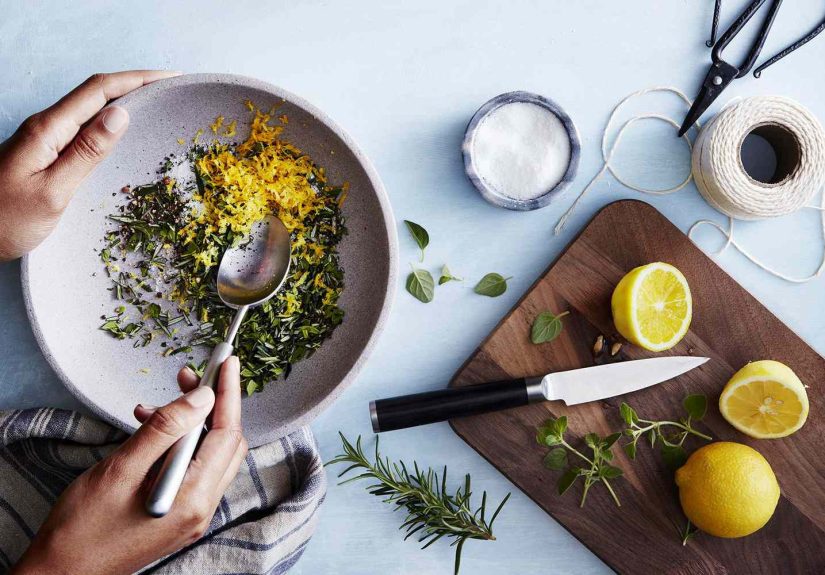
Before cooking, place ingredients in small bowls or on a plate. Group items by when they enter the recipe. Keep seasonings nearby. Clear the counter. This one habit prevents the classic “where is the pepper?” panic and makes even weeknight cooking feel professional.
2. Season in Layers, Not Just at the End
One of the most important professional cooking tips is to season throughout the process. Salt is not just a final sprinkle; it helps draw out moisture, build flavor, and make ingredients taste more like themselves. That does not mean dumping in a snowstorm of salt. It means adding a little at key stages and tasting along the way.
For soups, stews, sauces, roasted vegetables, eggs, and pasta, seasoning in layers creates depth. If you only salt at the end, the outside may taste salty while the inside stays flat. Think of flavor like music: seasoning at the end is a single drum hit; seasoning in layers is a full band that actually rehearsed.
Try this simple rule
Add a small amount of salt when cooking aromatics, another pinch when adding the main ingredient, and adjust at the end. Taste before serving. If the dish tastes dull but not necessarily unsalted, add a little acidlemon juice, vinegar, or tomatoes can wake it up beautifully.
3. Learn Heat Control: The Stove Is Not Just “On” or “Volcano”
Many home-cooking problems come from using too much heat. High heat is useful for searing, stir-frying, boiling, and getting a crisp pizza crust. But eggs, pancakes, butter-based sauces, onions, and delicate proteins often need gentler heat.
Pros think of heat as a tool, not a personality trait. Medium-low heat can make creamy scrambled eggs. Medium heat can soften onions without scorching them. High heat can brown vegetables, but only if the pan is not overcrowded. The goal is not to cook everything as fast as possible; the goal is to cook it well.
A better way to think about heat
If food is browning too quickly outside while staying undercooked inside, lower the heat. If food is steaming instead of browning, raise the heat or reduce crowding. If butter is burning before ingredients cook, the pan is too hot. Your stove is giving you feedback. Listen to it like it is a tiny, fiery cooking coach.
4. For Fluffy Scrambled Eggs, Pull Them Early
Fluffy scrambled eggs are a perfect example of how small technique changes create big results. The biggest mistake is cooking eggs until they look completely done in the pan. Eggs continue cooking from residual heat after they leave the stove, so if they look perfect in the skillet, they may be overcooked by the time they reach the plate.
For soft, fluffy scrambled eggs, cook over low to medium-low heat, stir gently, and remove them while they still look slightly glossy. Butter adds richness, and a splash of dairy can create a softer texture, but the real secret is heat control. Treat eggs like delicate custard, not construction material.
Chef-style scrambled egg method
Whisk eggs until the yolks and whites are fully combined. Add a small pinch of salt. Melt butter in a nonstick or well-seasoned pan over medium-low heat. Add the eggs and stir slowly with a spatula, pushing curds from the edges toward the center. Remove from heat while the eggs are still moist. Serve immediately. Toast should be ready first; eggs are not interested in waiting around.
5. Stop Overcrowding the Pan
When too much food goes into one pan, moisture gets trapped. Instead of browning, food steams. That is why crowded roasted vegetables turn limp, chicken pieces look pale, and mushrooms release enough liquid to audition as soup.
Professional cooks leave space because browning equals flavor. The golden crust on vegetables, meat, tofu, potatoes, and pizza toppings comes from proper heat and enough room for moisture to escape. If the pan looks packed, cook in batches or use a larger baking sheet.
Best example: roasted vegetables
Cut vegetables into similar sizes, dry them well, coat lightly with oil, season, and spread them out. Roast at a high temperature until browned at the edges. If they are piled up like commuters on a Monday train, they will steam instead of roast.
6. Use a Thermometer When Doneness Matters
Guessing doneness is risky and often inaccurate. A food thermometer is one of the easiest ways to cook more like a pro, especially with poultry, meat, casseroles, and leftovers. It helps you avoid both undercooking and turning dinner into a dry, chewy history lesson.
Color alone is not always reliable. Timing can vary based on thickness, starting temperature, pan material, oven accuracy, and whether your oven runs hot, cold, or emotionally unpredictable. A thermometer gives you facts.
Practical home tip
Insert the thermometer into the thickest part of the food, avoiding bone or the pan. For large cuts, check more than one spot. Let food rest when appropriate so juices settle and carryover cooking can finish the job.
7. Pasta Water Is Liquid GoldUse It
One of the best cooking advice gems from Italian-style cooking is simple: save some pasta water before draining. The starchy water helps sauces cling to noodles and creates a smoother, glossier texture. It is not glamorous, but neither is plain pasta wearing sauce like a loose jacket.
Salt the cooking water so the pasta tastes seasoned from within. Cook pasta until just shy of done, then finish it in the sauce with a splash of pasta water. This lets the noodles absorb flavor while the sauce thickens and coats everything properly.
How to finish pasta like a pro
Transfer pasta directly into the sauce while it is still hot. Add a small splash of pasta water, toss, and simmer briefly. Add more water only if needed. Finish with cheese, herbs, olive oil, or a little lemon depending on the dish.
8. Homemade Pizza Needs High Heat and Patience
Homemade pizza can be excellent, but it needs heat. A crisp crust depends on a very hot oven and a hot surface. Pizza stones, baking steels, or preheated metal pans help transfer heat quickly to the dough, creating better browning and structure.
The second secret is patience with the dough. Dough that has time to rest develops flavor and becomes easier to stretch. Cold fermentation in the refrigerator can improve texture and taste. If your dough snaps back like it is personally offended, let it rest for 10 to 15 minutes before shaping again.
Better homemade pizza method
Preheat the oven as hot as your recipe recommends. Heat the baking stone, steel, or pan thoroughly. Use a light hand with sauce and toppings because too much moisture leads to soggy crust. Bake until the crust is browned and the cheese bubbles. If the pizza comes out pale and floppy, the oven probably was not hot enough or the toppings were too wet.
9. Dry Ingredients Brown Better
Moisture is the enemy of browning. Before roasting vegetables, searing proteins, or crisping tofu, dry the surface. Excess water must evaporate before browning can begin, which means wet food spends valuable time steaming.
This is why pros pat ingredients dry and avoid tossing wet vegetables straight onto a baking sheet. Dry surfaces, enough space, and proper heat create the golden color that makes food taste roasted instead of merely warmed.
Simple example
For crispy potatoes, dry them after washing or parboiling, then coat with oil and seasonings. Spread them out on a hot baking sheet. The result is crisp edges, tender centers, and fewer potato pieces that look like they need a motivational speech.
10. Acid Makes Food Taste Finished
If a dish tastes heavy, flat, or “almost good,” it may need acid. Lemon juice, lime juice, vinegar, pickles, mustard, tomatoes, and yogurt can brighten flavor. Professional cooks often finish soups, sauces, vegetables, grains, and rich dishes with a small acidic touch.
Acid balances fat, salt, sweetness, and richness. A squeeze of lemon over roasted fish, a splash of vinegar in lentil soup, or a little lime over tacos can make the whole dish feel more alive. It is like opening a window in a room full of melted cheese.
11. Taste as You Go, Not Just When Everyone Is Watching
Recipes are useful, but ingredients vary. Tomatoes can be sweeter or more acidic. Cheese can be saltier. Spices can be fresh or tired. Cooking times change with pans, stoves, and ingredient size. That is why tasting is essential.
Professional cooks taste constantly. They adjust salt, acid, sweetness, spice, and texture before the dish reaches the table. If you wait until the end, your options are limited. If you taste throughout, you can guide the dish where it needs to go.
What to ask when tasting
Does it need salt? Does it need brightness? Is it too thick? Too thin? Too spicy? Too sweet? Too bland? Good cooking is not about never making adjustments; it is about noticing what needs adjusting before dinner becomes a group project.
12. Let Food Rest When It Needs Resting
Resting is not just for people who cooked Thanksgiving dinner. Many foods benefit from a short pause after cooking. Roasted meats, casseroles, lasagna, pizza, quick breads, and even some pan sauces settle and improve with a little time.
Cutting too soon can release juices, collapse structure, or make slices messy. Pizza also benefits from a brief rest so the cheese stops flowing like lava. Waiting a few minutes can be the difference between a beautiful slice and a topping landslide.
13. Keep Food Safety Boringin the Best Way
Safe cooking habits may not sound exciting, but neither does spending the evening regretting suspicious leftovers. The basic food-safety principles are clean, separate, cook, and chill. Wash hands and surfaces, keep raw foods away from ready-to-eat foods, cook foods thoroughly, and refrigerate leftovers promptly.
Use separate boards or plates for raw proteins and fresh produce. Do not thaw frozen foods on the counter for hours. Keep cold foods cold and hot foods hot. Food safety is the quiet background singer of great cooking: you may not notice it when everything goes well, but you definitely notice when it is missing.
14. Build Flavor With Browning, Not Just More Ingredients
When people say restaurant food tastes better, one reason is often browning. Chefs know how to develop fondthe browned bits at the bottom of a panand use it to build sauces. They roast, sear, toast, and caramelize to create flavor before adding liquids.
Toast spices briefly in oil. Brown tomato paste before adding broth. Roast vegetables until their edges darken. Let mushrooms cook until their liquid evaporates and they begin to brown. These techniques create depth without needing a pantry full of mysterious jars.
15. Cook With Your Senses
Recipes tell you what to do, but your senses tell you what is happening. Listen for a steady sizzle. Smell when garlic turns fragrant. Watch for color changes. Feel dough relax as it rests. Notice when sauce thickens and coats a spoon.
This is the difference between following a recipe and learning to cook. Pros still use recipes, but they also adapt. They know that “cook for 8 minutes” really means “cook until the food reaches the described result.” Your kitchen is not a laboratory with identical conditions every time. It is more like a tiny weather system with snacks.
Extra Experience Notes: What These Cooking Tips Feel Like in a Real Kitchen
The funny thing about learning the best cooking advice from the pros is that the lessons often arrive through tiny disasters. The first time you overcrowd a sheet pan, you do not get roasted vegetables; you get vegetable sauna. The carrots are soft, the broccoli looks tired, and the potatoes seem to have lost their will to crisp. Then you try again with more space, and suddenly the edges brown, the flavor deepens, and you understand why chefs treat empty space like an ingredient.
Scrambled eggs teach the same lesson in a gentler but equally dramatic way. Cook them over blasting heat, and they turn firm before you can butter the toast. Pull them early over lower heat, and they become soft, fluffy, and rich. It feels almost unfair that such a small change makes breakfast taste so much better. You start to realize that cooking is less about complicated tricks and more about timing, attention, and not bullying your food with heat.
Homemade pizza is another excellent teacher. Many beginners assume the dough is the problem, but the oven is usually the real character in the story. A lukewarm baking sheet produces a pale crust. A properly preheated stone, steel, or metal pan gives the dough that first powerful burst of heat it needs. The crust lifts, bubbles form, the bottom browns, and suddenly your kitchen smells like a place where people make good decisions.
Pasta offers a quieter lesson. For years, many home cooks drain pasta completely, pour sauce on top, and wonder why the noodles taste separate from everything else. Then they save a cup of pasta water and finish the noodles in the sauce. The starch helps everything come together. The sauce clings. The pasta tastes seasoned. It is a small habit, but it turns a basic meal into something that feels intentional.
The biggest experience-based lesson is this: cooking improves when you slow down just enough to notice. Notice when the pan is too crowded. Notice when the eggs are nearly done. Notice when the sauce needs brightness. Notice when pizza dough is fighting back and needs a rest. Notice when a dish tastes flat instead of automatically adding more cheese, although, to be fair, cheese has helped civilization through difficult times.
Over time, these professional cooking tips become instincts. You begin preparing ingredients before turning on the stove. You salt in stages. You use heat with purpose. You taste while cooking instead of waiting for a dramatic reveal at the table. You learn that good cooking is not about perfection; it is about paying attention and making better choices one step at a time.
Conclusion: Cook Smarter, Not Fancier
The best cooking advice from the pros is not about making food intimidating. It is about making food more understandable. Fluffy scrambled eggs come from gentle heat and good timing. Homemade pizza improves with a hot surface, patient dough, and balanced toppings. Vegetables brown when they have room. Pasta tastes better when finished with its sauce. A splash of acid can rescue a flat dish. A thermometer can save dinner from guesswork.
You do not need to cook like a television chef to cook better at home. Start with one habit: prep first, season in layers, taste as you go, or give your pizza stone enough time to heat. Then add another. Before long, your food will taste more confidentand you might even become the person people ask for cooking advice. Use this power kindly, and never let anyone overcrowd the mushrooms.