Table of Contents >> Show >> Hide
- What Is a Lacto-Ovo-Vegetarian Diet?
- Potential Benefits (When You Build It Well)
- Downsides and Common Pitfalls
- How to Build a Balanced Lacto-Ovo Vegetarian Plate
- 7-Day Lacto-Ovo Vegetarian Meal Plan (Beginner-Friendly)
- Smart Grocery List (Mix-and-Match Staples)
- Eating Out Without Becoming “That Person”
- Who Should Talk to a Clinician or Dietitian First?
- Real-World Experiences (): What It’s Like to Actually Live This Diet
- Conclusion
If you’ve ever thought, “I want to eat more plants… but I’m not ready to break up with cheese and omelets,”
congratulations: the lacto-ovo-vegetarian diet is basically your relationship status.
It’s one of the most common styles of vegetarian eating in the U.S., and it can be wonderfully balancedwhen you do it on purpose
(not by accidentally living on cinnamon rolls and shredded cheddar like a raccoon in a pantry).
In this guide, we’ll define what “lacto-ovo” means, walk through real benefits and real downsides, and then hand you a practical,
not-pretend, 7-day meal plan plus a grocery list. No moral lectures. No kale intimidation. Just solid nutrition with a side of humor.
What Is a Lacto-Ovo-Vegetarian Diet?
“Lacto-ovo vegetarian” means you don’t eat meat, poultry, or seafood, but you do eat
dairy (lacto) and eggs (ovo). Everything elsevegetables, fruits, beans, lentils,
whole grains, nuts, seeds, tofu, tempehstays on the table. Literally.
What you eat
- Plants: vegetables, fruits, beans, lentils, chickpeas, tofu, tempeh, whole grains, nuts, seeds
- Eggs: scrambled, hard-boiled, frittatas, baked into foods, etc.
- Dairy: milk, yogurt, kefir, cheese (yes, even the fancy one)
What you skip
- Beef, pork, chicken, turkey
- Fish and shellfish
- Foods made with animal flesh-based broths (watch soups and ramen)
Important note: “Lacto-ovo vegetarian” describes what’s excluded, not the quality of what’s included.
French fries are technically vegetarian. So is a cheese pizza the size of a steering wheel. You can do this diet in a way that supports your health,
or in a way that supports the snack industry. We’re aiming for the first one (most days).
Potential Benefits (When You Build It Well)
Research on plant-forward eating patterns often shows advantages for heart health and cardiometabolic riskespecially when meals are built around
minimally processed plant foods (think beans, oats, vegetables, nuts, fruit) rather than “vegetarian” ultra-processed swaps.
Lacto-ovo vegetarian eating can fit nicely into that healthier pattern.
1) More fiber (your gut’s love language)
Plant foods like beans, lentils, whole grains, vegetables, fruit, nuts, and seeds are naturally fiber-rich.
Fiber supports digestive health, helps you feel full longer, and can help with blood sugar and cholesterol management.
Translation: fewer “Why am I starving again?” moments two hours after lunch.
2) Heart-friendly swaps without going full vegan
Cutting back on red and processed meats can reduce saturated fat and sodium intake for many peopleif you replace them with wholesome foods.
A bean chili, a tofu stir-fry, or a veggie-and-egg breakfast burrito can be a smart trade.
A “vegetarian” diet built on pastries and fried snacks… less so.
3) Easy protein coverage (thanks, eggs and dairy)
Many people worry about protein when they go vegetarian. Lacto-ovo eaters have it easier because eggs and dairy add complete proteins,
and you can still use powerhouse plant proteins like lentils, beans, tofu, tempeh, and edamame. With a little planning, you can meet your needs without
turning every conversation into a protein TED Talk.
4) Nutrient boosts that can be trickier on stricter vegetarian styles
Compared with vegan diets, lacto-ovo vegetarian diets often have an easier time covering nutrients commonly found in animal foodsespecially
vitamin B12 (from dairy and eggs), calcium (from dairy and fortified foods), and iodine (often from dairy and eggs).
“Easier,” however, is not the same as “automatic.” We’ll talk gaps in a minute.
5) It’s socially practical
Many restaurants can handle “no meat” more easily than they can handle “no meat, no dairy, no eggs, no fun.”
Lacto-ovo vegetarian eating is often more flexible for families, travel, and eating outso people actually stick with it.
Consistency beats perfection.
Downsides and Common Pitfalls
The lacto-ovo vegetarian diet can be nutritionally strong, but it’s not magically immune to problems.
Here’s what tends to trip people up.
1) “Vegetarian” can still be ultra-processed
Meatless doesn’t always mean nourishing. Some vegetarian convenience foods are high in refined carbs, sodium, and saturated fat.
And yes, cheese can quietly become the main character of every meal. (Cheese is delightful. Cheese is not a multivitamin.)
2) Nutrients to watch: B12, iron, zinc, iodine, vitamin D, omega-3s
A well-planned vegetarian diet can be adequate, but certain nutrients deserve attention:
-
Vitamin B12: Naturally found in animal foods (including eggs and dairy). If your intake of eggs/dairy is small,
or you rely mostly on plant foods, consider fortified foods or discuss supplements with a clinician. -
Iron: Plant iron (non-heme) is less absorbable than heme iron from meat. You can boost absorption by pairing iron-rich plants
(lentils, beans, spinach, fortified cereals) with vitamin C foods (citrus, bell peppers, strawberries, tomatoes). -
Zinc: Present in beans, nuts, seeds, and dairy, but you may need consistent intake.
Useful habits include rotating pumpkin seeds, chickpeas, yogurt, and cheese rather than hoping one salad covers it. -
Iodine: Dairy and eggs can contribute iodine; so can iodized salt (a littledon’t go full salt-lick).
If you avoid dairy or use only specialty salts, iodine can fall short. -
Vitamin D: Many people (vegetarian or not) don’t get enough. Food sources are limited; fortified dairy or fortified alternatives help,
and sunlight/supplements may be relevant depending on your situation. -
Omega-3s: Plants provide ALA (flax, chia, walnuts). EPA/DHA are typically from seafood; some people use algae-based supplements.
If you don’t eat fish, be intentional with plant omega-3s.
3) Protein “quantity” is usually fine; “distribution” is the sneaky issue
Many new vegetarians have a breakfast of toast, a lunch of salad, and a dinner of pastathen wonder why they’re hungry at 9 p.m.
The fix is usually simple: add protein and fiber at each meal (eggs, Greek yogurt, beans, tofu, lentils, nuts, seeds).
4) Saturated fat can creep up through dairy
Dairy can be a nutritious part of the diet, but heavy reliance on full-fat cheese, ice cream, and buttery baked goods can push saturated fat high.
You don’t have to fear dairyjust don’t let it become your only hobby.
How to Build a Balanced Lacto-Ovo Vegetarian Plate
Here’s the simplest framework that works in real kitchens:
The “3-Part Plate” (no calculator required)
- 1/2 plate: non-starchy vegetables and/or fruit (volume, fiber, vitamins)
- 1/4 plate: protein (eggs, Greek yogurt, beans, lentils, tofu, tempeh, cottage cheese)
- 1/4 plate: quality carbs (brown rice, quinoa, oats, whole-wheat pasta, potatoes, corn, whole-grain bread)
- Plus: a little healthy fat (olive oil, avocado, nuts, seeds) if it’s not already in the meal
Protein cheat sheet (easy wins)
- Breakfast: eggs + veggies, Greek yogurt + fruit + nuts, overnight oats + chia + yogurt
- Lunch: lentil soup, chickpea salad sandwich, tofu bowl, bean chili
- Dinner: stir-fry with tofu/eggs, veggie curry with lentils, black bean tacos, baked pasta with white beans and spinach
- Snacks: string cheese, yogurt, roasted edamame, nuts, hummus with carrots
Iron absorption hacks (tiny changes, big payoff)
- Pair iron-rich plants with vitamin C foods (lentils + tomatoes, spinach + strawberries, beans + bell peppers).
- If you drink tea/coffee, consider having it between meals rather than right with your most iron-rich meal.
- Use cast-iron cookware sometimes (not magic, but it can help).
7-Day Lacto-Ovo Vegetarian Meal Plan (Beginner-Friendly)
This plan is designed to be flexible. Swap lunches/dinners as needed, repeat breakfasts you like, and adjust portions to your appetite and goals.
If you have medical conditions, allergies, or are pregnant, consider personalized guidance from a registered dietitian.
Day 1
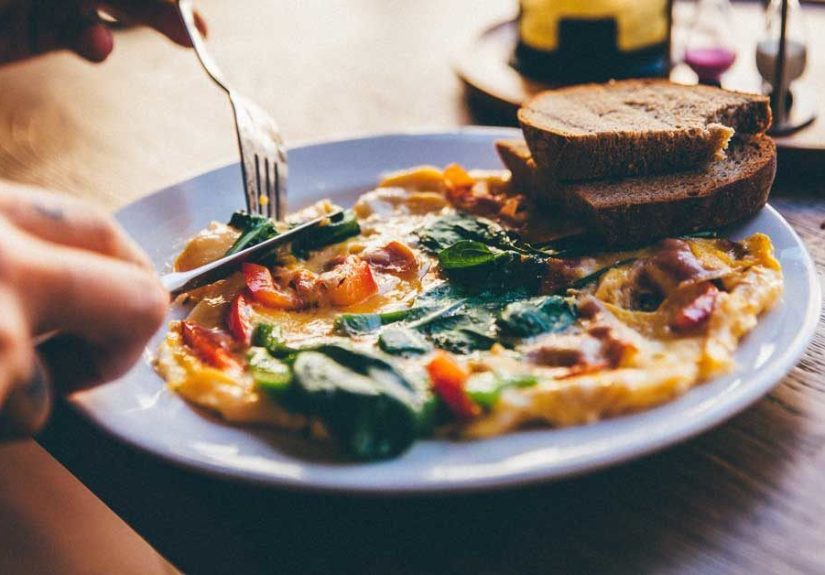
- Breakfast: Veggie omelet (spinach + mushrooms) with whole-grain toast
- Lunch: Lentil soup + side salad + fruit
- Dinner: Black bean tacos with cabbage slaw, salsa, and avocado
- Snack: Greek yogurt with berries
Day 2
- Breakfast: Overnight oats with chia, milk (or fortified milk), banana, and peanut butter
- Lunch: Chickpea “tuna” salad sandwich (chickpeas + yogurt or mayo + celery) on whole grain
- Dinner: Tofu and veggie stir-fry over brown rice (add a fried egg if you want extra protein)
- Snack: Apple + cheese stick
Day 3
- Breakfast: Greek yogurt parfait with granola, walnuts, and strawberries
- Lunch: Quinoa bowl: roasted veggies + feta + chickpeas + lemon-olive oil drizzle
- Dinner: Whole-wheat pasta with marinara, sautéed spinach, and white beans (parmesan optional)
- Snack: Hummus + carrots
Day 4
- Breakfast: Scrambled eggs with salsa + sliced avocado + corn tortillas
- Lunch: Leftover pasta/beans + side of fruit
- Dinner: Veggie curry with lentils (or chickpeas) + basmati or brown rice
- Snack: Roasted edamame or mixed nuts
Day 5
- Breakfast: Smoothie (milk or yogurt, frozen berries, spinach, flaxseed) + toast
- Lunch: Big salad with hard-boiled eggs, sunflower seeds, beans, and a hearty whole-grain roll
- Dinner: Sheet-pan roasted vegetables + baked potato + cottage cheese (or Greek yogurt) topping
- Snack: Popcorn + fruit
Day 6
- Breakfast: Breakfast burrito: eggs + black beans + peppers + a little cheese
- Lunch: Tomato soup + grilled cheese (add a side salad to keep it balanced)
- Dinner: Veggie “fried rice” with edamame and egg (use brown rice for extra fiber)
- Snack: Yogurt + chia
Day 7
- Breakfast: Oatmeal with walnuts, blueberries, and cinnamon
- Lunch: Leftover curry bowl + cucumber salad
- Dinner: Homemade veggie pizza on whole-grain crust (go easy on cheese; add veggies + a side salad)
- Snack: Dark chocolate square + strawberries (because joy is a nutrient)
Smart Grocery List (Mix-and-Match Staples)
Proteins
- Eggs
- Greek yogurt or skyr
- Cottage cheese
- Tofu and/or tempeh
- Canned beans (black, chickpeas, white beans)
- Lentils (dry or canned)
Carbs and fiber
- Oats
- Brown rice or quinoa
- Whole-grain bread or tortillas
- Whole-wheat pasta
- Potatoes or sweet potatoes
Fats and flavor
- Olive oil
- Avocados
- Walnuts, almonds, pumpkin seeds
- Chia seeds and/or ground flaxseed
- Salsa, marinara, curry paste/spices
Produce “base set”
- Spinach or mixed greens
- Bell peppers, onions, garlic
- Broccoli or cauliflower
- Mushrooms
- Tomatoes (fresh or canned)
- Berries, bananas, citrus
Eating Out Without Becoming “That Person”
A few low-stress strategies:
- Scan for “accidental vegetarian” options: veggie omelets, bean bowls, pasta with marinara, veggie sushi (no fish), cheese quesadillas with beans.
- Upgrade sides: add a side salad, beans, fruit, or yogurt so your meal doesn’t turn into “bread with vibes.”
- Ask one simple question: “Is the soup made with chicken broth?” (Soups are sneaky.)
Who Should Talk to a Clinician or Dietitian First?
Lacto-ovo vegetarian eating can work for many people, but professional guidance is especially helpful if you are:
- Pregnant, breastfeeding, or trying to conceive
- Feeding a child on a restrictive diet
- An endurance athlete or someone with high performance goals
- Managing anemia, low B12, thyroid disease, digestive conditions, or food allergies
- Taking medications that affect nutrient absorption
Think of it like hiring a map-maker before a road trip. You can drive without a map, but it’s nicer when you’re not lost,
hungry, and arguing with your own snacks.
Real-World Experiences (): What It’s Like to Actually Live This Diet
People who try a lacto-ovo vegetarian diet often describe the first week as a weird mix of excitement and mild confusion.
Excitement because meals suddenly look colorfulthere are vegetables doing vegetable things! Confusion because you realize how many “default” foods
in American life quietly rely on meat. (Why is there bacon in the salad? Why is there chicken broth in the rice? Why does every “protein bowl”
assume you want steak the size of a paperback?)
A common early win is breakfast. Many folks say they feel more satisfied once they switch from a carb-only morning (muffin + coffee,
also known as “hunger scheduled for 10:30 a.m.”) to an egg-and-veg breakfast, Greek yogurt with fruit and nuts, or oats with chia and milk.
It’s not magicaljust basic satiety: protein + fiber + fat. The result is fewer snack emergencies and fewer moments of bargaining with a vending machine.
Lunch tends to be the “make or break” meal. People often report that the best lunches are the ones that don’t pretend to be meat.
A lentil soup that tastes like lentil soup? Great. A chickpea salad sandwich that’s creamy and crunchy? Awesome.
A sad pile of lettuce that’s technically a meal because it’s in a bowl? That’s how you end up eating cereal at 9 p.m. while whispering,
“I thought I was being healthy.”
The cheese situation is famously relatable. Many lacto-ovo beginners lean on cheese because it’s familiar, tasty, and convenient.
Some people even joke that they didn’t become vegetarianthey became “cheese-itarian.” After a few weeks, though, many notice that too much cheese
can make meals feel heavy, and it doesn’t bring much fiber to the party. That’s usually when people start adding beans, lentils, tofu, or tempeh
more regularly, and the whole plan gets easier: better energy, better fullness, and fewer “Why am I still hungry?” spirals.
Socially, people often describe lacto-ovo as the sweet spot: flexible enough for restaurants, family gatherings, and travel, but still aligned with
their goals (health, ethics, environment, or “I just don’t feel like eating meat right now”).
The most consistent advice from long-term lacto-ovo eaters is to keep a few dependable options in your back pocket:
a go-to diner order (veggie omelet), a fast-casual order (bean bowl), and a snack plan (yogurt, nuts, fruit) so you’re not stuck
eating fries as your primary food group.
Finally, many people say the biggest mindset shift is realizing this isn’t a restrictionit’s a rearrangement.
You’re not “missing” meat so much as you’re building meals around different anchors: beans, eggs, yogurt, tofu, whole grains, vegetables,
and flavor. Once those anchors are in place, the diet stops feeling like a rule and starts feeling like a routine.
And routines, unlike willpower, actually show up on time.
Conclusion
A lacto-ovo vegetarian diet can be a practical, nutrient-rich way to eat more plants without giving up eggs and dairy.
The benefits tend to show up when your meals are built around whole foodsbeans, lentils, tofu, vegetables, fruits, whole grains, nuts, seedssupported by
eggs and dairy as helpful protein and nutrient boosters (not as the entire plot).
Watch the common pitfalls (too much cheese, too many ultra-processed “vegetarian” foods, and forgotten nutrients like iron, B12, iodine, vitamin D, and omega-3s),
and you’ll have a pattern that’s sustainable, satisfying, and honestly pretty delicious.
If you want to start today, pick one thing: make tomorrow’s breakfast protein-forward, or cook one pot of lentil soup, or buy chia and add it to oats.
Tiny changes add upespecially when they taste good.

![18 Best Types of Charts and Graphs for Data Visualization [+ How to Choose]](https://corkopencoffee.org/wp-content/uploads/2026/05/18-best-types-of-charts-and-graphs-for-data-visualization-how-to-choose-qKM1PBYG-thumb.jpg)