Table of Contents >> Show >> Hide
- What “24-inch bottom freezer stainless refrigerator” really means
- Quick specs snapshot: what you’ll see in the 24-inch Liebherr bottom-freezer family
- Signature Liebherr features (aka: “Why is this fridge so serious?”)
- Storage and layout: small width, big organization energy
- Performance and efficiency: what “premium” looks like day-to-day
- Fit and installation: measure first, celebrate later
- Maintenance and care: keep it fancy, not fussy
- Who this refrigerator is perfect for
- Who should probably skip it
- What if the exact model you saw is discontinued?
- FAQ
- Real-Life Experience: Living With a Liebherr 24-Inch Bottom Freezer SS Refrigerator
- Final take
A 24-inch stainless steel bottom-freezer refrigerator is the appliance equivalent of a well-tailored blazer: slim, sharp, and weirdly confident in small spaces. If your kitchen is more “galley chic” than “open-concept mansion,” a Liebherr 24″ bottom-freezer can feel like the rare unicorn that actually fits and performs like a premium fridge.
In this guide, we’ll break down what you’re really buying with a Liebherr 24-inch bottom freezer in stainless steel (SS): how it fits, what the signature tech actually does, what daily life feels like, and how to shop smartespecially since some popular 24″ models are discontinued and replaced by newer lines.
What “24-inch bottom freezer stainless refrigerator” really means
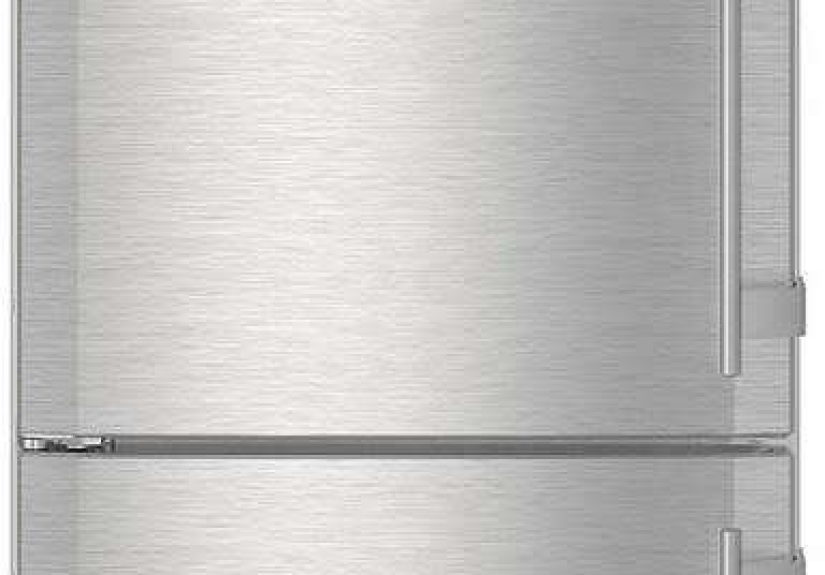
“24-inch” refers to widthroughly 24 inches (often around 23.5–23.7 inches wide) so it can slide into tight kitchen plans without forcing you to remodel your entire personality. “Bottom freezer” means the freezer sits below the fresh-food compartment, usually with drawers instead of a swing door. Stainless steel (or “SmartSteel” in Liebherr-speak) is the exterior finish designed to look upscale and stay presentable even when your household treats the fridge like a public bulletin board… with fingerprints.
Liebherr’s 24-inch category typically targets premium compact installations: apartments, condos, secondary kitchens, and “I want built-in vibes without committing to a full built-in budget” scenarios.
Quick specs snapshot: what you’ll see in the 24-inch Liebherr bottom-freezer family
Specs vary by model, hinge, and generation, but here’s a realistic snapshot using a well-known 24-inch reference model (the Liebherr CS 1210 family), plus notes on newer 24-inch offerings:
- Width: about 23 5/8″
- Height: around 71 11/16″ (freestanding/semi built-in style)
- Depth: around 24 13/16″ (counter-depth footprint for many kitchens)
- Total capacity: about 11 cu. ft. (typical split: ~7.8 fridge / ~3.3 freezer)
- Freezer layout: usually multiple drawers (great for organization, less great for hiding that mystery frozen bag)
If you’re shopping newer Liebherr 24-inch bottom freezer models, you’ll also see taller “built-in look” units in the ~79″ height range with capacities around the low-to-mid 12 cu. ft. zonestill slim-width, but more vertical storage. Translation: the fridge gets taller, your grocery Tetris skills improve, and your step stool becomes a cherished family heirloom.
Signature Liebherr features (aka: “Why is this fridge so serious?”)
DuoCooling: two cooling circuits, less odor drama
Liebherr’s DuoCooling uses separate refrigeration circuits for the fridge and freezer compartments. The practical win: less air exchange between compartments, which helps reduce odor transfer and moisture migration. So your freezer won’t “season” your ice cubes with leftover garlic bread vibes, and the fridge is less likely to dry out certain foods over time.
NoFrost: because nobody dreams of defrosting
Many Liebherr bottom-freezer designs lean on NoFrost in the freezer compartment. The idea is simple: minimize ice buildup so you don’t waste energy on frost and you don’t spend your weekend chiseling out freezer glaciers. If you’ve ever used a butter knife for “ice removal,” this is your sign to upgrade.
BioFresh: the “produce stays alive longer” zone
BioFresh drawers are one of Liebherr’s calling cards. They’re designed to keep sensitive foods fresh longer by holding temperatures just above freezing (around 32°F) with humidity management for different food types. Practically, this is where berries can stay impressive longer, greens are less likely to wilt overnight, and you stop rage-throwing slimy spinach into the trash while whispering, “We just bought you.”
Some newer models step it up with BioFresh Professional features like HydroBreeze (a cold mist) and even specialty zones that can run colder for seafood. That’s the kind of feature you don’t think you need until you realize your fridge is doing a better job at food care than you do.
SmartSteel and stainless interior touches
Liebherr often uses “SmartSteel” as a premium stainless(-like) finish that’s easier to keep looking clean and is designed to reduce the appearance of fingerprints. In many models, you’ll also see thoughtful interior details like a stainless back wall. Beyond the looks, the stainless back wall can help with temperature distribution and reduces the “drippy icy back panel” situation you might remember from older fridges.
SuperCool and SuperFrost: rapid chill/freeze modes
These are boost modes for when you’ve just loaded groceries and want the appliance to quickly pull temps back down. It’s especially handy after a big shop, meal prep day, or whenever your fridge door has been open for 14 minutes because you’re staring into it waiting for dinner inspiration to appear like a genie.
Storage and layout: small width, big organization energy
Fresh-food compartment: flexible shelves and smart zones
In the 24-inch format, every inch matters. Look for adjustable glass shelves, door bins sized for daily items, and drawers that help separate produce and deli/cheese/meat. Many configurations include a foldable shelf so tall bottles can stand without you removing half the fridge like you’re playing “Jenga: Kitchen Edition.”
Bottom freezer drawers: the underrated lifestyle upgrade
Drawer freezers are underrated. You can assign zonestop drawer for daily staples, lower for bulkand actually find what you own. The downside? If you’re used to tossing everything into one big freezer cave, drawers will force you to confront reality: you do have five half-used bags of frozen peas.
Performance and efficiency: what “premium” looks like day-to-day
Liebherr positions these fridges as high-performance food preservation machines, not just cold boxes. In practical terms, the premium experience usually comes down to:
- Steadier temperatures: fewer swings when the door opens and closes
- Better humidity control: produce and delicate foods hold up longer
- Reduced odor transfer: especially with dual-circuit designs
- Low-maintenance freezer: less frost management in NoFrost designs
- Energy-conscious design: many models are positioned as ENERGY STAR-rated
The key is matching the feature set to how you actually eat. If you buy fresh produce regularly, BioFresh-style drawers can feel like a real quality-of-life upgrade. If you mostly live on takeout and sparkling water, you may be paying for features your crisper drawer will never emotionally recover from.
Fit and installation: measure first, celebrate later
The 24-inch width is only half the battle. Installation success is about the full “box math”: width, height, depth, ventilation, door swing, and the path the fridge must travel to reach your kitchen.
1) Confirm the cutout and clearance
Even “counter-depth” models can protrude a bit depending on handle design and how the doors need clearance to open. If your fridge sits in a tight nook, double-check side clearance for door swing and drawer pull-out. And if you’re going “semi built-in,” make sure ventilation requirements are met so the unit doesn’t run hot and cranky.
2) Choose the right hinge (and don’t guess)
Many models come right-hinged or left-hinged, and some allow field reversibility. That sounds like freedomand it isuntil you realize the hinge direction can make the difference between “effortless access” and “why am I doing yoga to get the milk?”
3) Plan for power, leveling, and (if applicable) water
Some compact models skip ice makers, which simplifies install. If you choose a model with an IceMaker or water features, plan for a water line and access shutoff. Either way, proper leveling matters more than people think: it helps doors seal properly and can reduce weird vibrations and noise.
Maintenance and care: keep it fancy, not fussy
Premium fridges don’t require constant babysitting, but they do reward basic care:
- Clean door seals: a quick wipe keeps the seal tight and temps stable
- Don’t block vents: airflow matters for even cooling
- Use the right drawer settings: humidity sliders exist for a reason
- Wipe stainless correctly: a microfiber cloth + gentle cleaner keeps SmartSteel looking sharp
- Use boost modes strategically: SuperCool/SuperFrost after big grocery loads
Who this refrigerator is perfect for
- Small kitchens that still want premium: condos, apartments, galley layouts
- People who buy fresh foods often: produce, dairy, meatsespecially if you hate food waste
- Design-forward kitchens: stainless looks clean, and the proportions can look “built-in-ish”
- Organization lovers: drawers and zones help keep things tidy
Who should probably skip it
- Large families who bulk shop weekly: 24-inch capacity is premium, not massive
- People who want smart-home everything: some models are intentionally not Wi-Fi focused
- Budget-first shoppers: Liebherr is a “pay now, enjoy later” brand
What if the exact model you saw is discontinued?
This happens a lot in premium appliance lines. A model like the CS 1210 series has been listed as no longer available by some retailers, while newer 24-inch bottom freezer models (often taller and more feature-rich) replace it. The smart move is to shop by fit + features instead of obsessing over one exact model number:
- Fit: 24-inch class width, depth/handle projection, height that works with your cabinetry
- Core tech: DuoCooling, NoFrost, BioFresh/EasyFresh depending on the series
- Door swing: right vs left hinge that matches your kitchen flow
- Ice/water needs: decide if you truly want plumbing complexity
FAQ
Is a 24-inch bottom freezer big enough for a primary fridge?
For one or two peopleoften yes, especially if you don’t do warehouse-club-level grocery hauls. For families or heavy meal-preppers, it can work, but you’ll need good organization habits and realistic expectations.
Will stainless steel show fingerprints?
Every stainless surface collects fingerprints like it’s their job. That said, finishes like SmartSteel are designed to reduce how visible smudges are and make cleanup easier. Translation: you’ll still wipe it, but you’ll sigh less.
Do bottom freezer drawers really help?
If you like finding your food without excavating, yes. Drawers encourage categories and reduce “freezer archaeology.” If you like chaos, drawers will politely ask you to stop.
Real-Life Experience: Living With a Liebherr 24-Inch Bottom Freezer SS Refrigerator
The first thing you notice in day-to-day life is that a 24-inch Liebherr doesn’t feel like a “tiny fridge,” even though it’s slim. It feels like a carefully organized boutique hotel room: smaller than a suite, surebut everything is where you want it, and it’s surprisingly calm about the whole situation. The fresh-food area is designed to be used, not just admired. Adjustable shelves make it easy to give tall bottles a home, and the lighting tends to be bright enough that you can actually see what’s in the back without using your phone flashlight like you’re searching for lost treasure.
The produce experience is where people usually become believers. With BioFresh-style drawers (or similar freshness drawers in newer lines), you start noticing a pattern: strawberries don’t collapse into sadness after two days, herbs don’t instantly turn into a damp science project, and leafy greens stop doing that dramatic “I’m melting” performance. It’s not magicyour produce still has a personalitybut it’s the difference between “I hope this lasts” and “I can realistically use this later.” If you cook even a few times a week, that adds up fast in less waste and fewer emergency grocery runs.
Then there’s the freezer drawersarguably the most underappreciated upgrade. Instead of a single freezer space where everything stacks into a frozen Jenga tower, drawers encourage zones. One drawer becomes your daily staples (frozen fruit, breakfast stuff, quick dinners), while the bottom drawer becomes long-term storage (bulk items, backup proteins, that one tub of ice cream you swear you’re saving). You stop forgetting what you own, which is both good for your budget and mildly inconvenient for your excuses.
Stainless on a compact fridge can also be surprisingly satisfying. A slim stainless unit looks intentionallike the kitchen was planned, even if the truth is you measured once, panicked, and ordered online at midnight. SmartSteel-style finishes can make everyday cleaning feel less like a chore. You still get fingerprintshumans are extremely “touchy” creaturesbut they’re easier to wipe, and the surface tends to keep that clean, modern look longer between wipe-downs.
Noise is another “quiet luxury” detail. In a small home, a loud fridge becomes the unofficial soundtrack of your evenings. A well-built premium unit is typically more background than broadcast. You’ll still hear normal compressor or fan sounds from time to time, but it’s less likely to feel like your refrigerator is trying to communicate in Morse code through the kitchen floor.
The only real adjustment is capacity psychology. A 24-inch fridge rewards smarter shopping: fewer gigantic cartons, fewer “I bought this because it was on sale” moments, and more intentional organization. The upside is you waste less food and find what you need faster. The downside is you may have to confront the fact that buying three watermelons at once is a lifestyle choicenot a fridge problem.
Final take
A Liebherr 24-inch stainless bottom freezer refrigerator is built for people who want premium food care and a clean built-in lookwithout needing a 36-inch opening or a second kitchen. If you value freshness drawers, low-maintenance freezing, and smart internal layout, it’s one of the strongest “small space, big performance” categories out there. Just measure carefully, pick the right hinge, and shop by fit and featuresbecause the “perfect” model number may change, but the right configuration won’t.